Start with the visit you actually shared
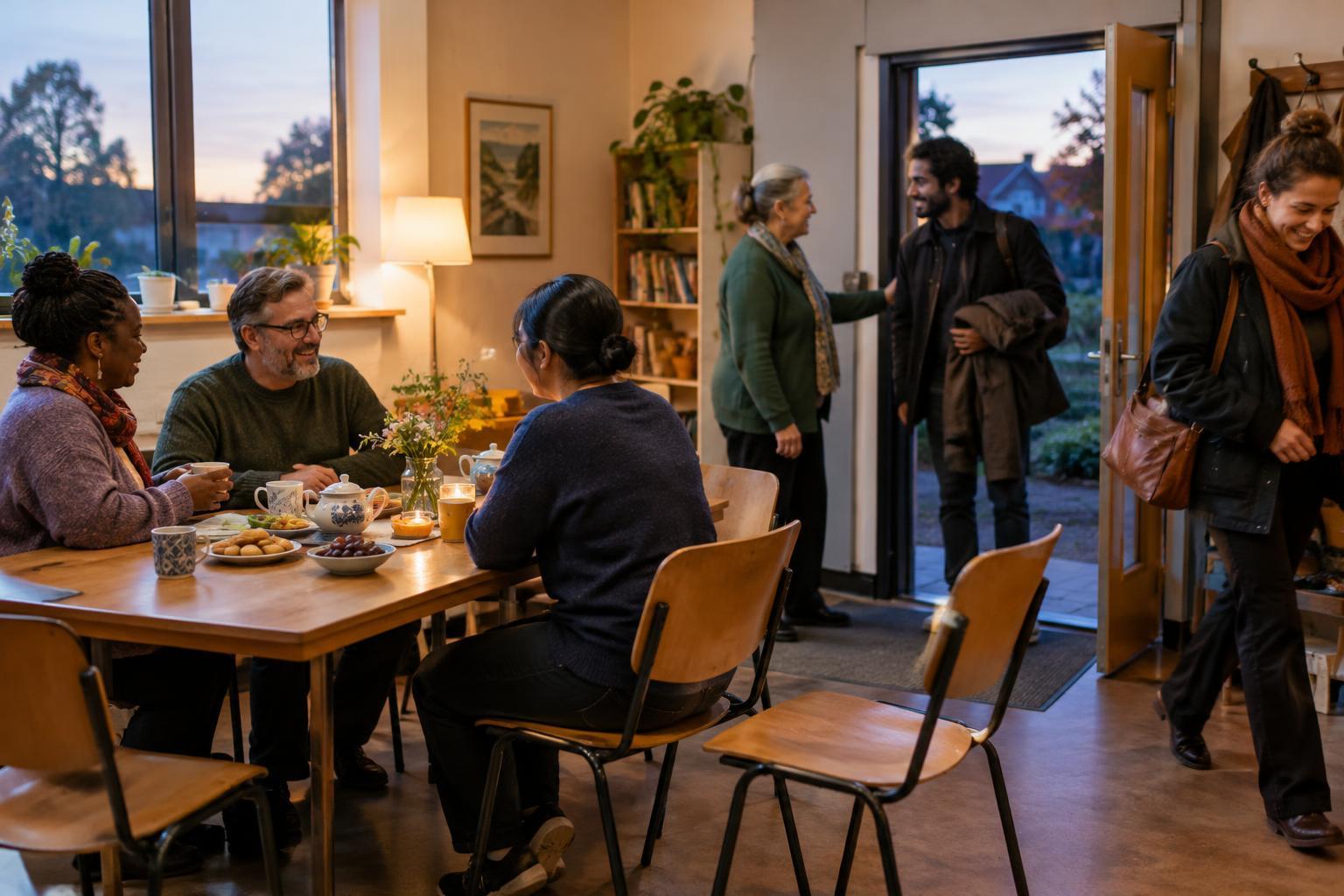
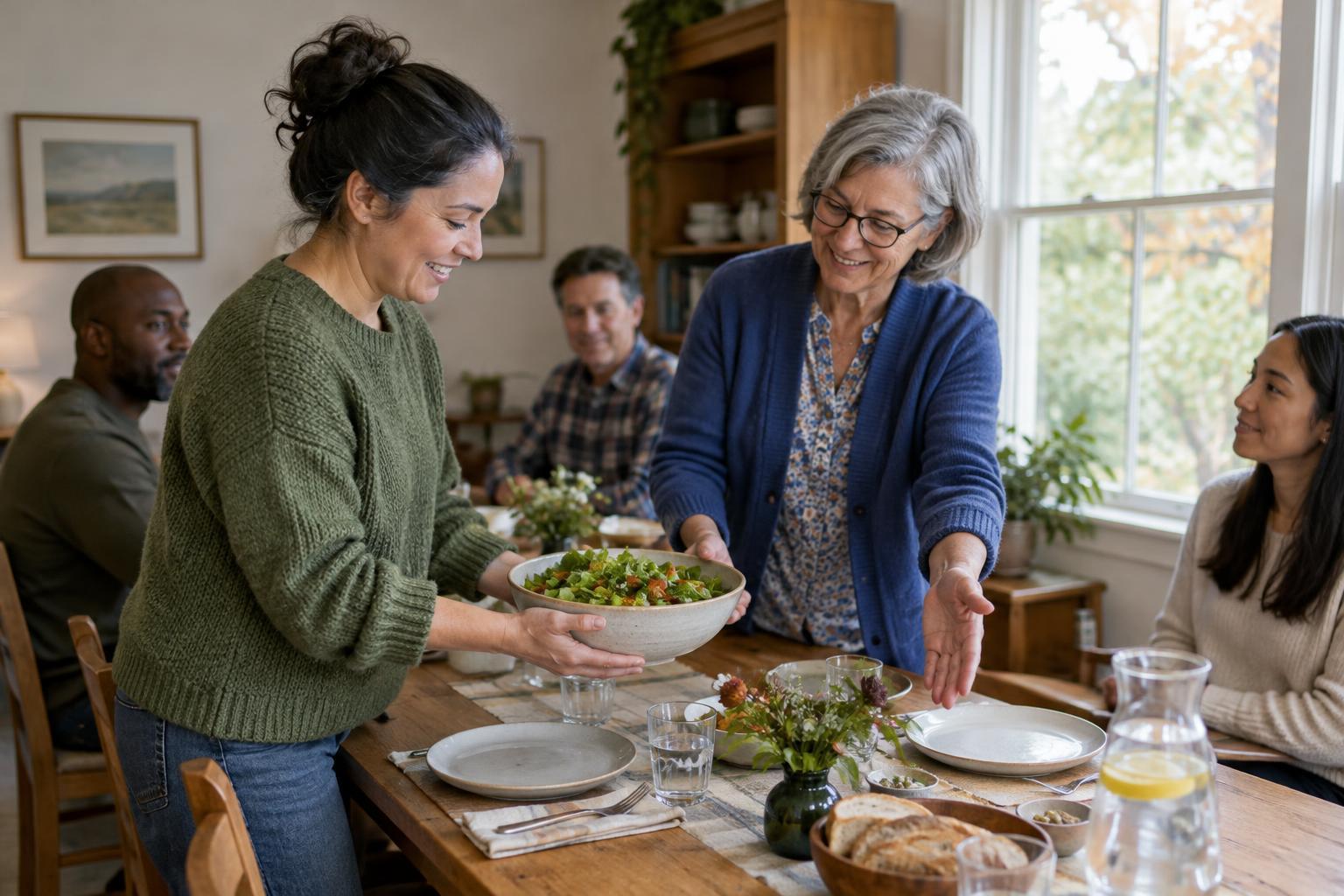
A visit can be small: a neighbor stops by for tea, someone joins a potluck for the first time, or a friend comes along to help with a community project. Following up need not turn that moment into the start of a formal relationship. Its purpose can be simpler: to let the person know their presence was appreciated and that they are welcome to stay in touch.
Before writing, recall one specific, comfortable detail. Perhaps they brought a dish, asked an interesting question or helped put away chairs. A brief mention shows that your note is meant for them rather than copied from a list. Keep the detail light. Referring to a personal story they shared, especially a difficult one, may feel too intimate in an unexpected message. If all you can honestly say is that you enjoyed meeting them, that is enough.
Make the message easy to receive
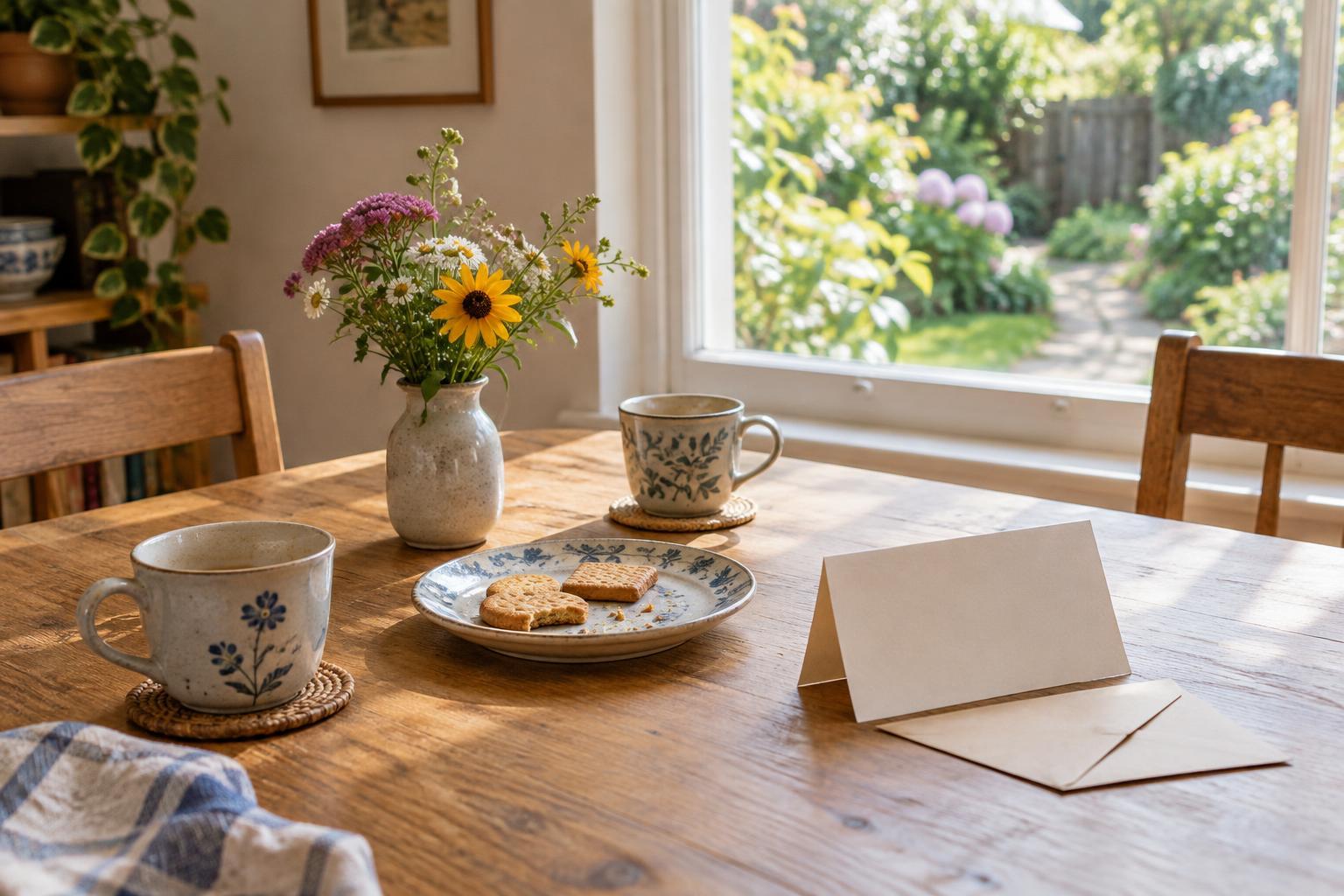
A good follow-up is usually short. You might write, “It was lovely to see you on Saturday. Thanks for coming by and spending some time with us. I hope the rest of your weekend was restful.” That message gives thanks without asking for anything. If you would like to extend another invitation, make it clear and optional: “We often gather for a walk on Sunday afternoons. You would be welcome to join us sometime, if it sounds enjoyable.”
The difference between an opening and an obligation often lies in the last sentence. “Let me know by tomorrow,” “We missed you at the next event,” or “When can you come again?” may create pressure, even when kindly meant. An invitation that includes “if you’d like” or “no need to reply” lets the visitor decide whether to continue the conversation. Use those phrases sincerely, then act on them by allowing silence to be an answer.
Choose a way to reach out that fits how you exchanged contact information. If someone gave you their number to coordinate a ride, do not assume they also want ongoing event messages. When you are unsure, a single personal note is gentler than adding them to a group thread or mailing list. Likewise, avoid posting a photo or naming them in a public recap without checking first. Being welcoming includes letting people decide how visible they want to be.
Offer help without assigning a role
Sometimes a visitor shows interest in a project or mentions that they would like to meet more neighbors. It can be tempting to respond with a list of opportunities. A narrower offer is easier to consider: “If you ever want details about the garden workdays, I’m happy to send them.” This shares a path forward without handing them a task. They can ask for more information when they are ready.
The same care applies when someone helped during the visit. Thank them for what they chose to do, but do not treat that help as a standing commitment. “I appreciated your help setting up” is warmer than “We’ll put you on setup next time.” People may be generous in one moment and unavailable in another. Leaving room for that change protects the ease that made the visit pleasant in the first place.
Let the follow-up have an ending
If you send a note and hear nothing back, there is no need to interpret the silence. The person may be busy, prefer not to message, or simply feel that the exchange is complete. You have still done something worthwhile by thanking them. Unless you have a practical reason to check in, avoid sending repeated reminders. A warm greeting when you meet again can do more than a series of unanswered messages.
If they do reply, match their pace. Answer a question they ask, share a detail you promised, or make one straightforward invitation. You do not need to fill every pause. Everyday hospitality is not measured by how quickly a visitor becomes a regular. It is present in the ordinary courtesy of noticing someone, making space for them and trusting them to choose what comes next.