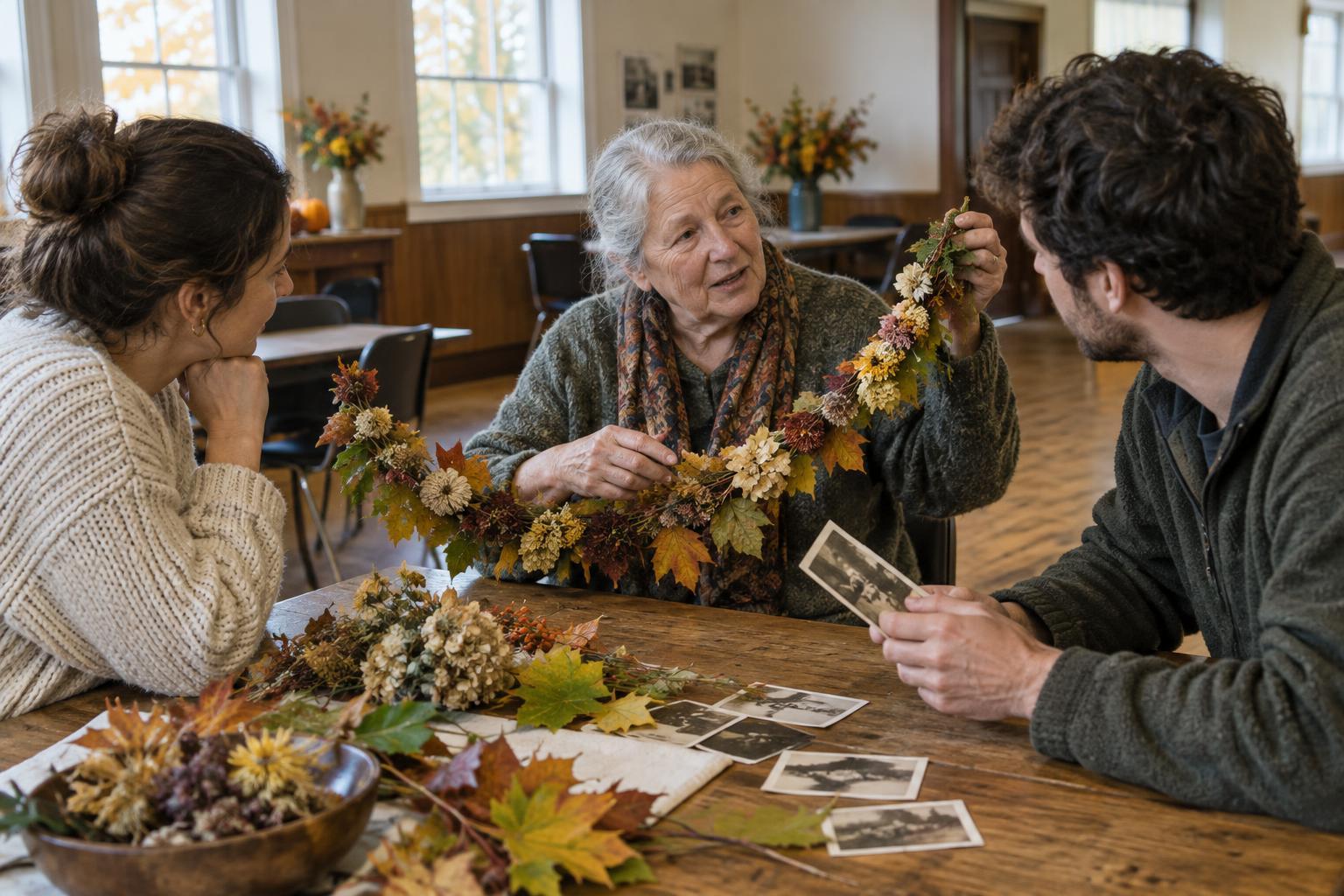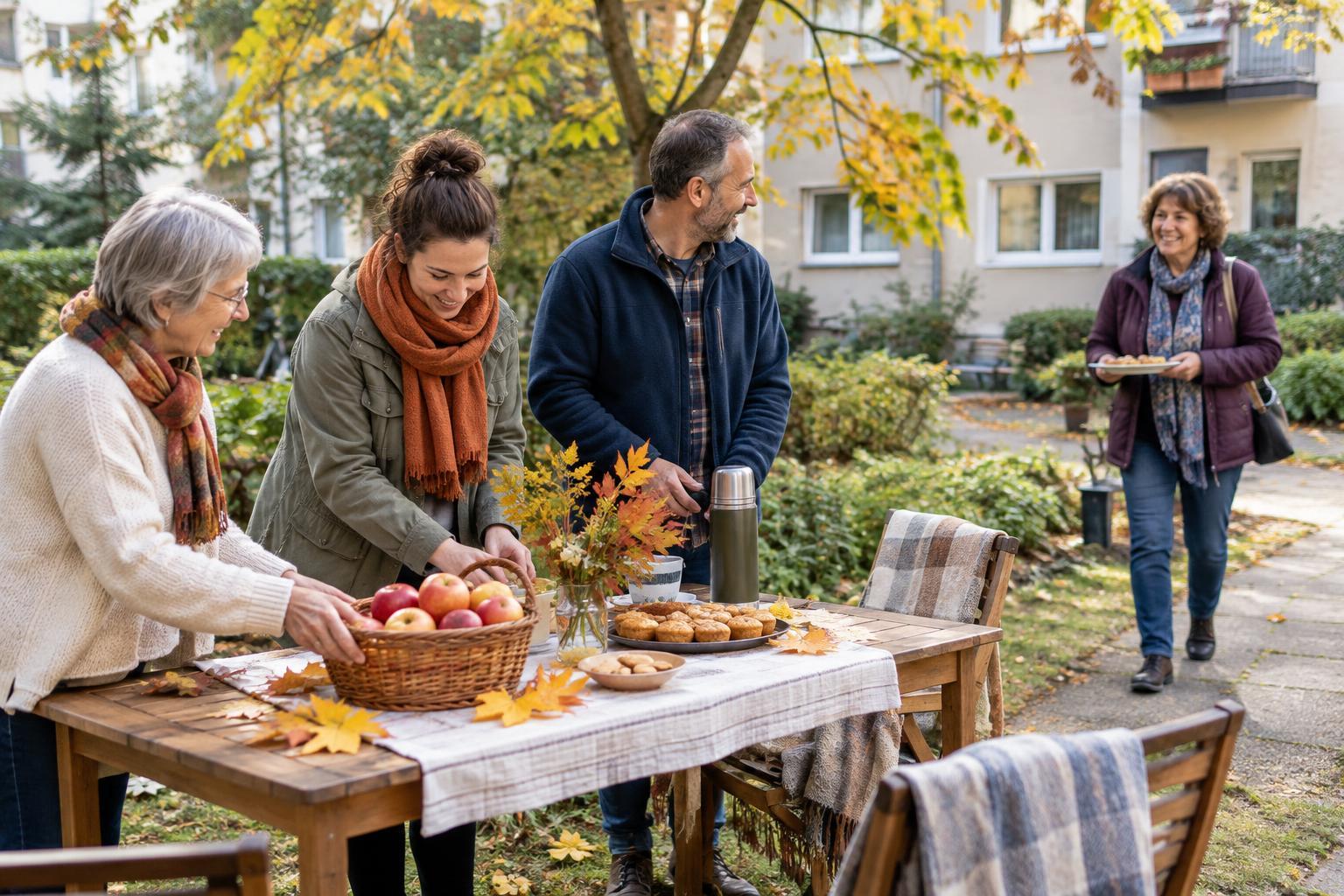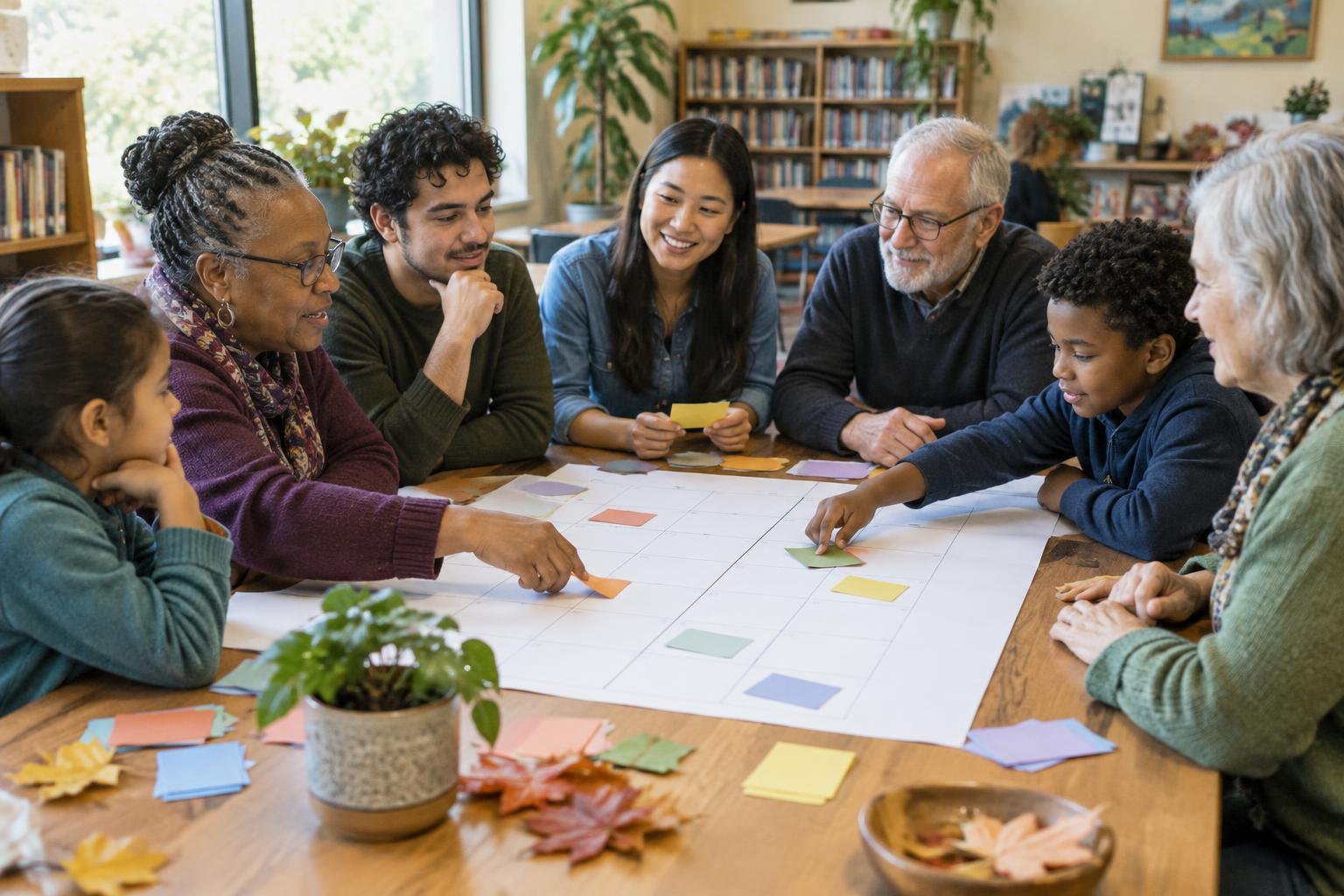
How to Make a Neighborhood Welcome Map With Residents
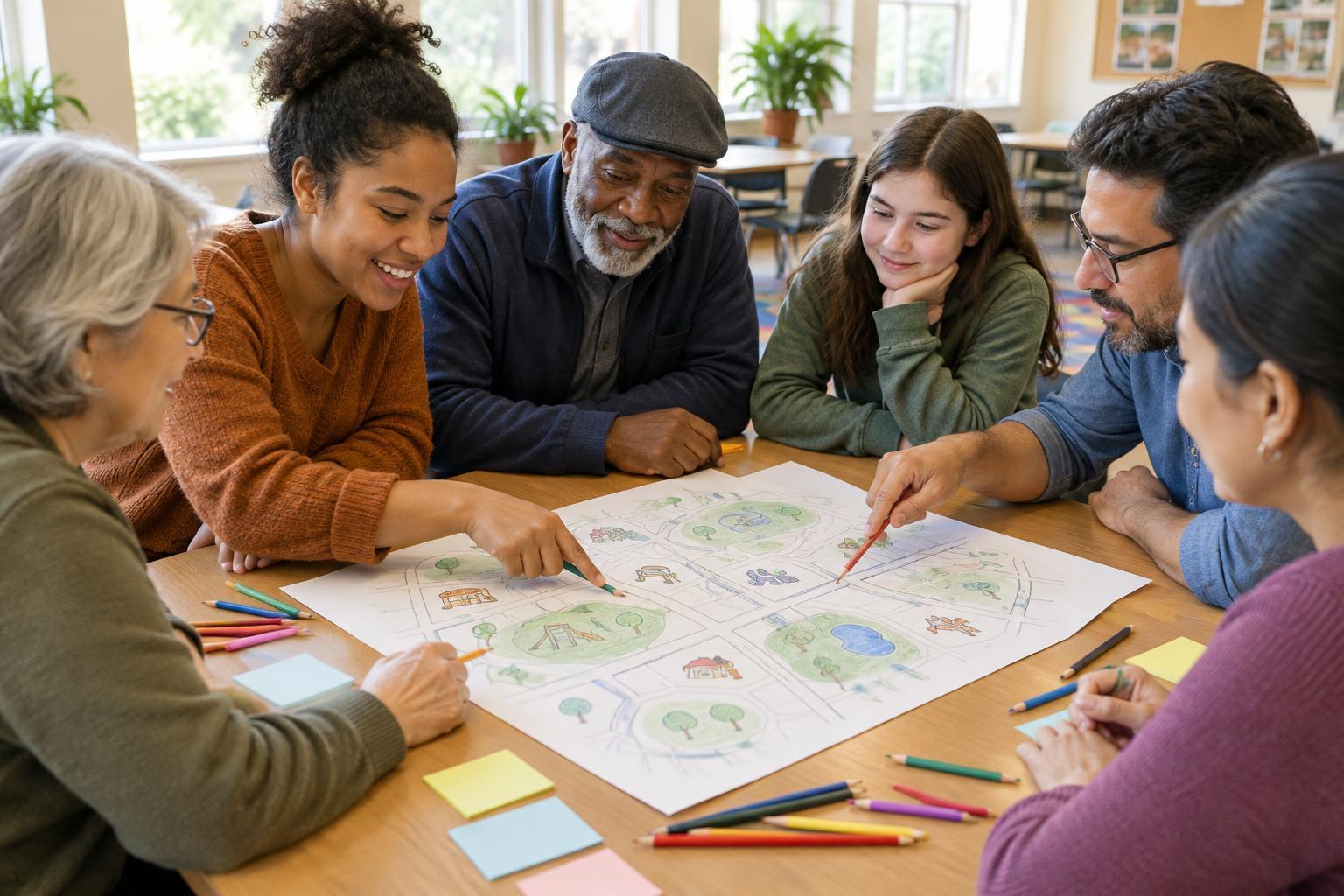
A neighborhood welcome map can help people find shared spaces, useful services and places to gather. Start small, invite residents to shape it, and build in a simple way to keep it accurate.
Community Projects
More to discover ↗More to discover
A neighborhood welcome map can help people find shared spaces, useful services and places to gather. Start small, invite residents to shape it, and build in a simple way to keep it accurate.
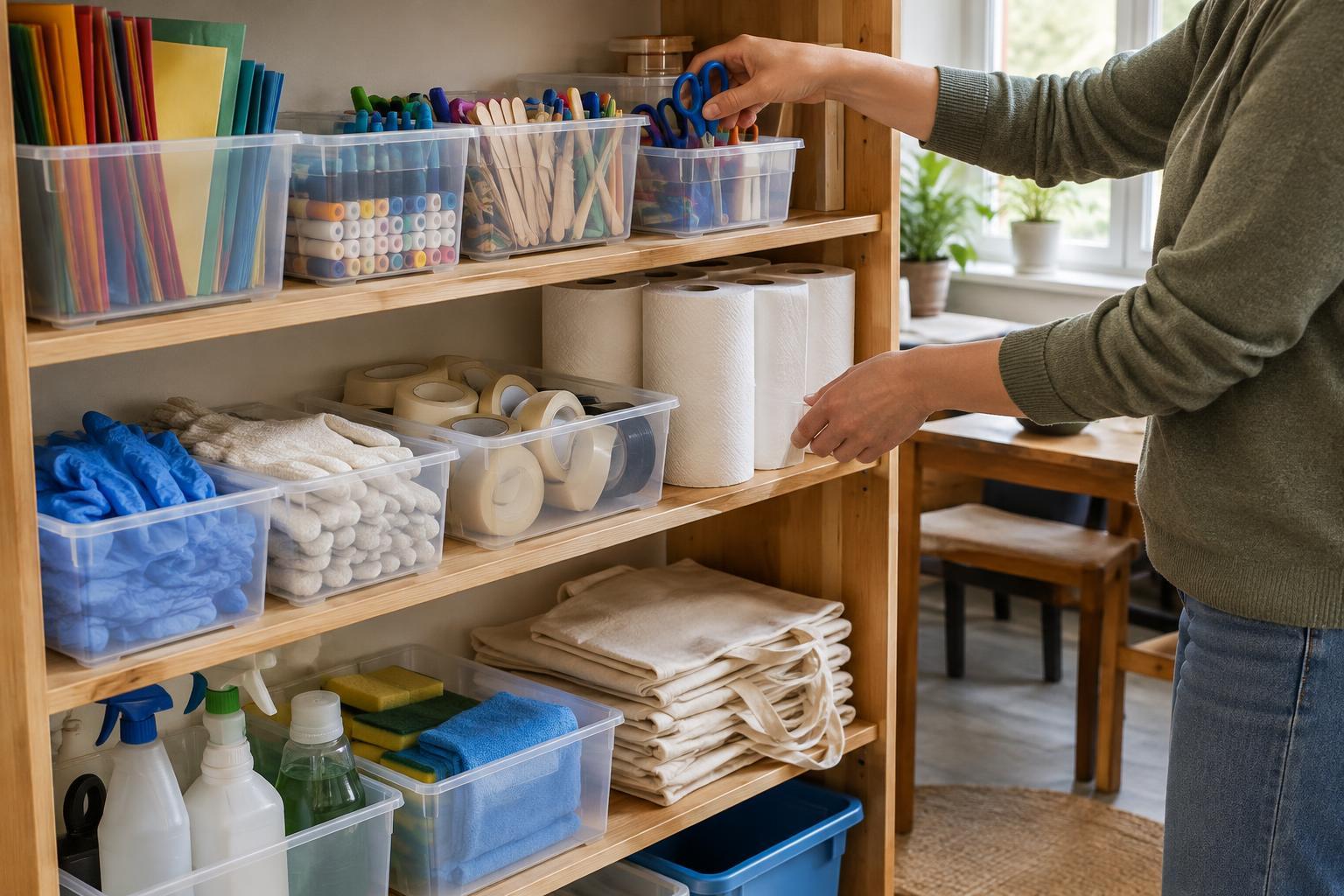
A simple supply system can save volunteers from searching, duplicating purchases and leaving the next team with a mess. Learn how to choose storage spots, label essentials and build a quick reset into each shift.
Read article · 4 min↗A neighborhood project meeting works best when people know why they are there, have a fair chance to contribute, and leave knowing what happens next. Use this practical approach to plan the agenda, guide the conversation, and turn ideas into manageable tasks.
Read article · 3 min↗A welcoming volunteer project needs more than willing hands. Clear roles, manageable schedules and thoughtful follow-up can help neighbors contribute with confidence and keep the work sustainable.
Read article · 4 min↗A thoughtful thank-you does not have to be public or elaborate. Learn how to recognize volunteers’ contributions while respecting their preferences for privacy, attention and connection.
Read article · 4 min↗A volunteer schedule works best when people can quickly see what needs doing, choose a manageable shift, and know whom to contact if plans change. Here is a practical way to set one up for a neighborhood project or gathering.
Read article · 3 min↗A good volunteer role description helps neighbors decide whether they can take part and helps organizers offer useful support. Start with the purpose of the work, then make the tasks, time commitment, practical details, and point of contact easy to understand.
Read article · 4 min↗A welcoming volunteer shift starts before anyone arrives. Clear descriptions, flexible roles, thoughtful spaces and a simple way to request adjustments can help more neighbors take part.
Read article · 3 min↗Volunteering can help teenagers discover what matters to them, practice working with others and contribute to their community. A thoughtful first step is to match their interests with a manageable opportunity, clear supervision and room to reflect afterward.
Read article · 4 min↗Volunteers bring willingness, not expertise in every situation. Learn how to pause, explain your limits, protect the people involved and hand a task to someone better prepared.
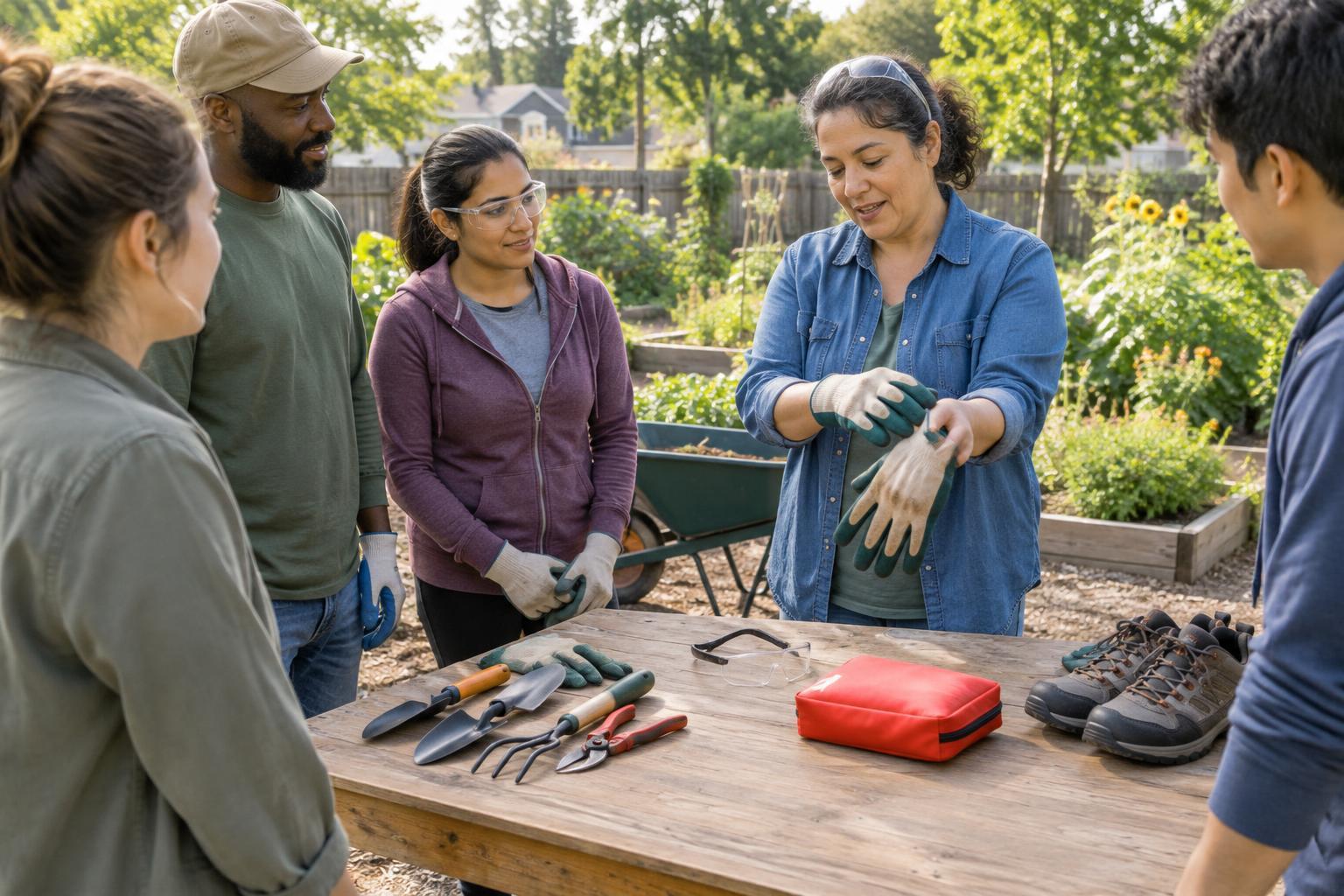
Read article · 4 min↗A welcoming volunteer project is also a well-prepared one. Learn how to ask for training, choose appropriate protective equipment, recognize changing conditions and pause work when a task no longer feels safe.
Read article · 4 min↗A helpful visit, shared meal or neighborhood project can bring people closer without putting anyone’s personal life on display. These practical habits help volunteers ask permission, handle information carefully and make room for neighbors to set their own boundaries.
Read article · 3 min↗Being dependable does not mean being available for every task. Learn how to choose a manageable commitment, communicate your limits early, and help your team plan around what you can realistically do.
Read article · 4 min↗A welcoming project runs more smoothly when volunteers know what they can decide, where to find guidance and when to pause for help. Here is a practical way to clarify roles without making a neighborhood effort feel formal or rigid.
Read article · 4 min↗Joining an established volunteer team can feel awkward at first. Learn how to understand the routine, ask useful questions, contribute reliably, and bring fresh ideas without overlooking the experience already in the room.
Read article · 3 min↗Professional skills can strengthen a neighborhood project, but helpful expertise starts with listening. Learn how to agree on a useful role, share decisions, and leave the group more confident when your volunteer time ends.
Read article · 4 min↗Volunteering does not always mean greeting people at the door. From planning and preparation to welcoming and listening, different roles call for different strengths. Here is a practical way to find a place to help that suits your energy, interests and schedule.
Read article · 4 min↗A spare hour can make a difference when the task is clear and the commitment is realistic. Learn how to find short volunteer shifts, prepare well, communicate clearly, and leave useful work ready for the next person.
Read article · 4 min↗A changed schedule does not have to mean leaving a volunteer team in the lurch. Learn how to give early notice, clarify what you can still do, arrange a handoff and set a more sustainable commitment for next time.
Read article · 3 min↗A first volunteer orientation is a chance to learn how a project works, meet the people involved, and decide whether the role fits your time and abilities. Here’s what you may encounter, what to ask, and how to leave with a clear next step.
Read article · 4 min↗A good volunteer shift begins with a clear picture of the work. These questions can help you understand the time commitment, tasks, support and expectations before you say yes.
Read article · 3 min↗A single afternoon and a regular volunteer role can both make a difference. The best choice depends on your time, energy, interests and the kind of support an organization needs. Here are practical questions to help you choose a role you can enjoy and follow through on.
Read article · 4 min↗A good volunteer role should serve a real need and fit the life you have. Use this guide to identify what you enjoy, set realistic limits, ask useful questions and try a role before making a longer commitment.
Read article · 4 min↗A beloved seasonal gathering can still matter even when its familiar schedule, location or activities no longer fit. Here are practical ways to notice when a change is needed, decide what to keep and invite the community into a thoughtful next chapter.
Read article · 4 min↗Annual celebrations bring people together, but familiar routines can be difficult for newcomers to navigate. Small changes to invitations, introductions, activities and follow-up can make room for new neighbors without losing the traditions people value.
Read article · 3 min↗A shared memory project can give neighbors a gentle way to look back and welcome the year ahead. Start small, invite different kinds of contributions, and make sure everyone knows how their words and images will be shared.
Read article · 4 min↗A welcoming winter gathering begins before anyone arrives. Thoughtful timing, clear route information, flexible ways to participate and a simple weather backup can help neighbors decide what works for them.
Read article · 3 min↗A little advance planning can keep an annual gathering welcoming when the forecast changes. Choose a backup format, agree on a decision time, and make sure every neighbor knows where to find the update.
Read article · 4 min↗An outdoor gathering can make a season feel special, while an indoor space can offer comfort and predictability. Here is a welcoming way to weigh the options, plan for a change of venue, and make either choice feel intentional.
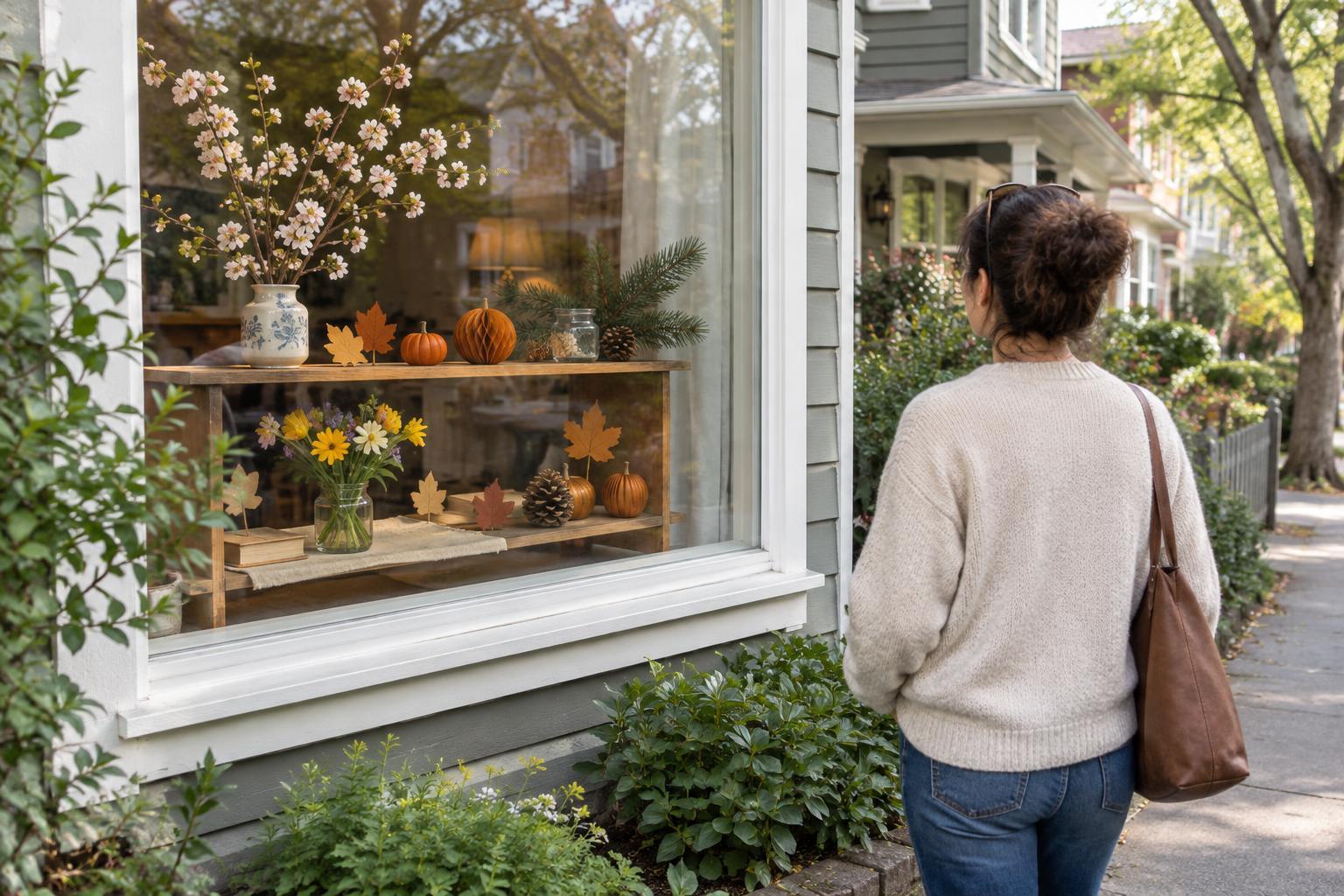
Read article · 4 min↗A changing window display can give neighbors a small reason to pause and smile. Here is a simple way to plan one that stays welcoming, manageable, and easy to refresh throughout the year.
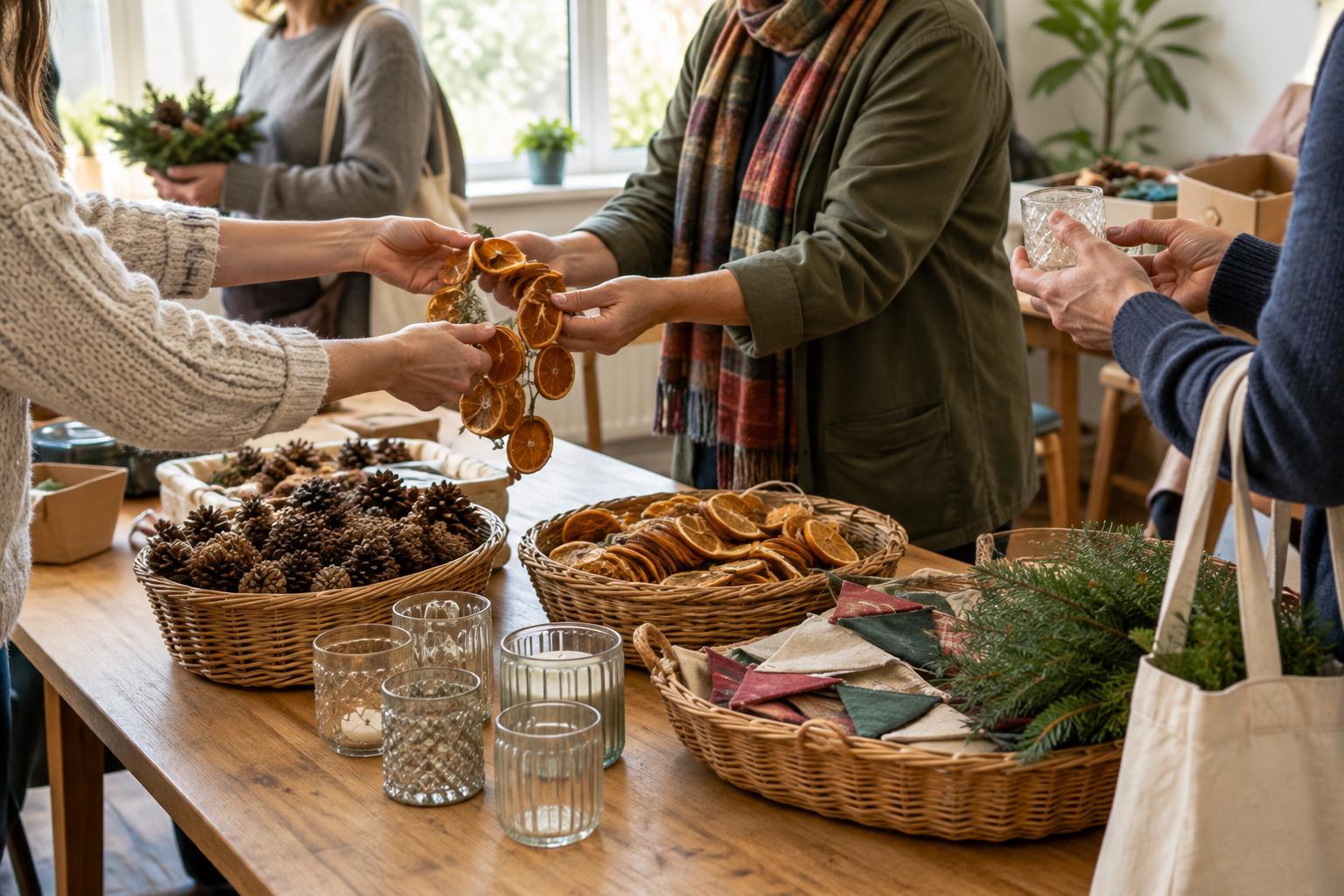
Read article · 4 min↗A decoration swap can help neighbors refresh their seasonal displays without buying or storing more than they need. The key is to exchange items people can actually use, make expectations clear, and have a plan for anything left over.
Read article · 4 min↗A neighborhood recipe collection can preserve memories and spark conversation without asking anyone to cook. Here’s a welcoming way to gather stories, invite different kinds of contributions and share the finished collection.
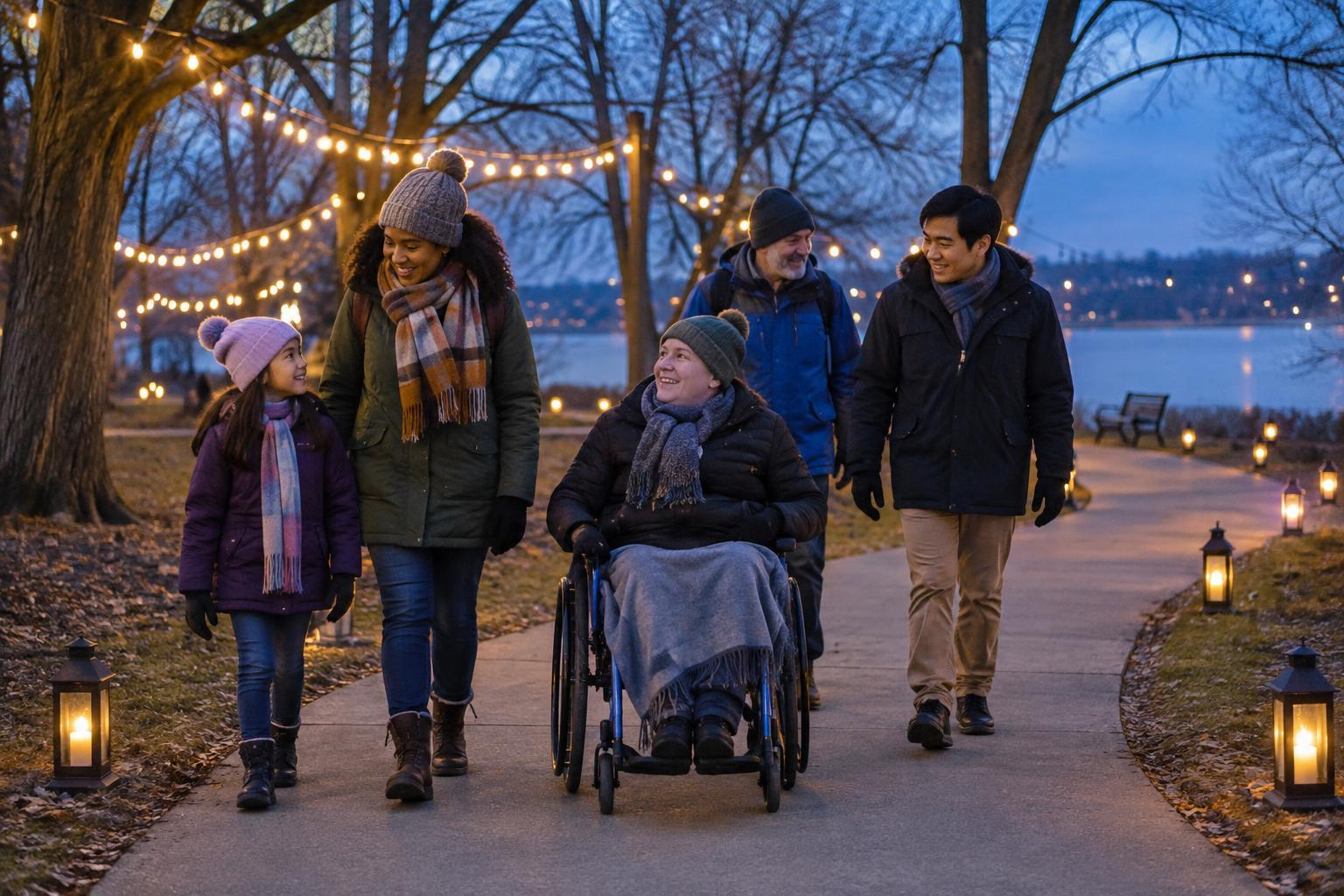
Read article · 4 min↗A winter lights walk can bring neighbors together without asking them to share a holiday or belief. Here is a practical guide to choosing a route, writing an open invitation, and making the evening comfortable for more people.
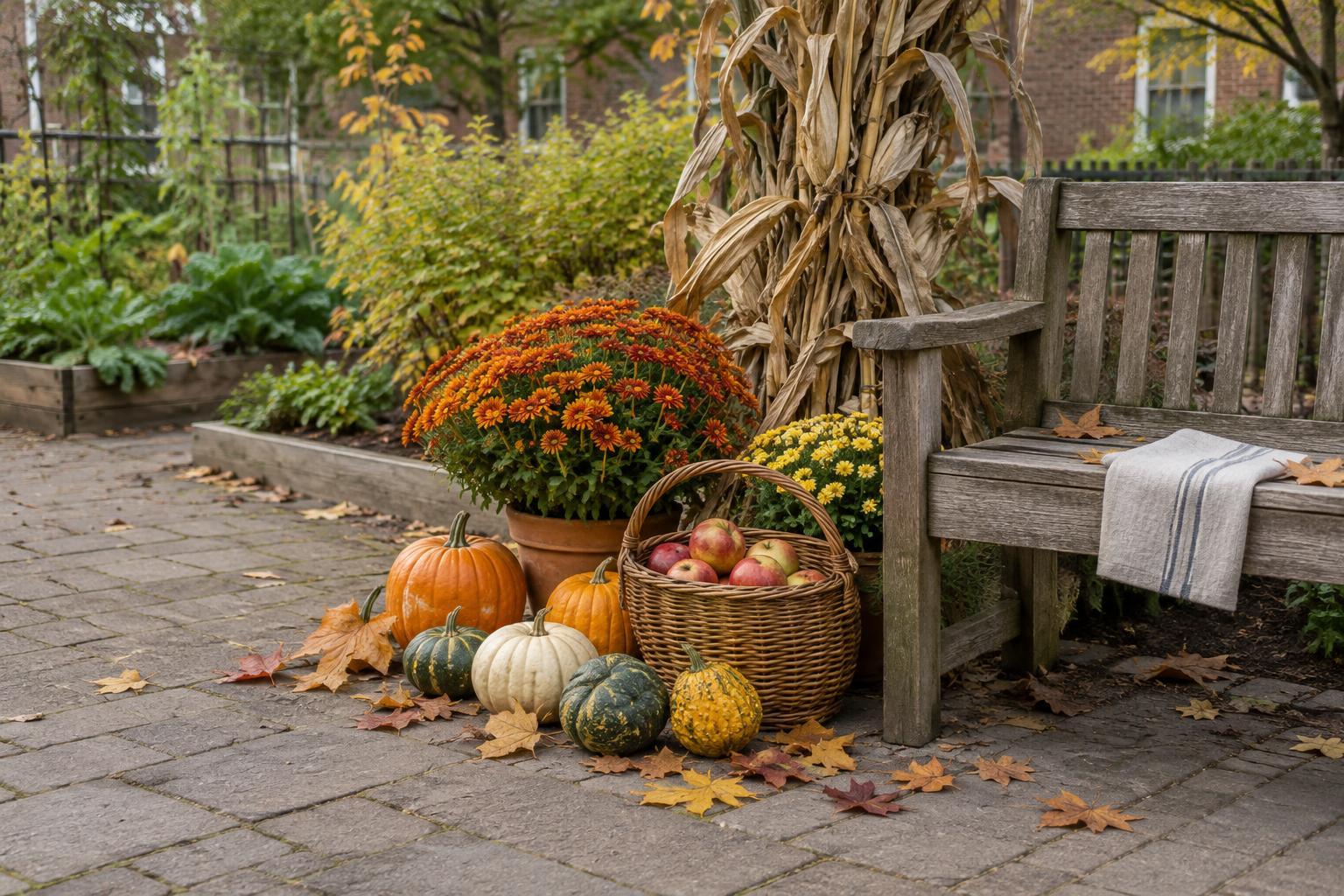
Read article · 4 min↗A welcoming fall display does not require a shopping trip or a perfect pile of pumpkins. With a clear plan, a few locally grown items and borrowed supplies, neighbors can create a seasonal gathering place that is easy to maintain and simple to take apart.
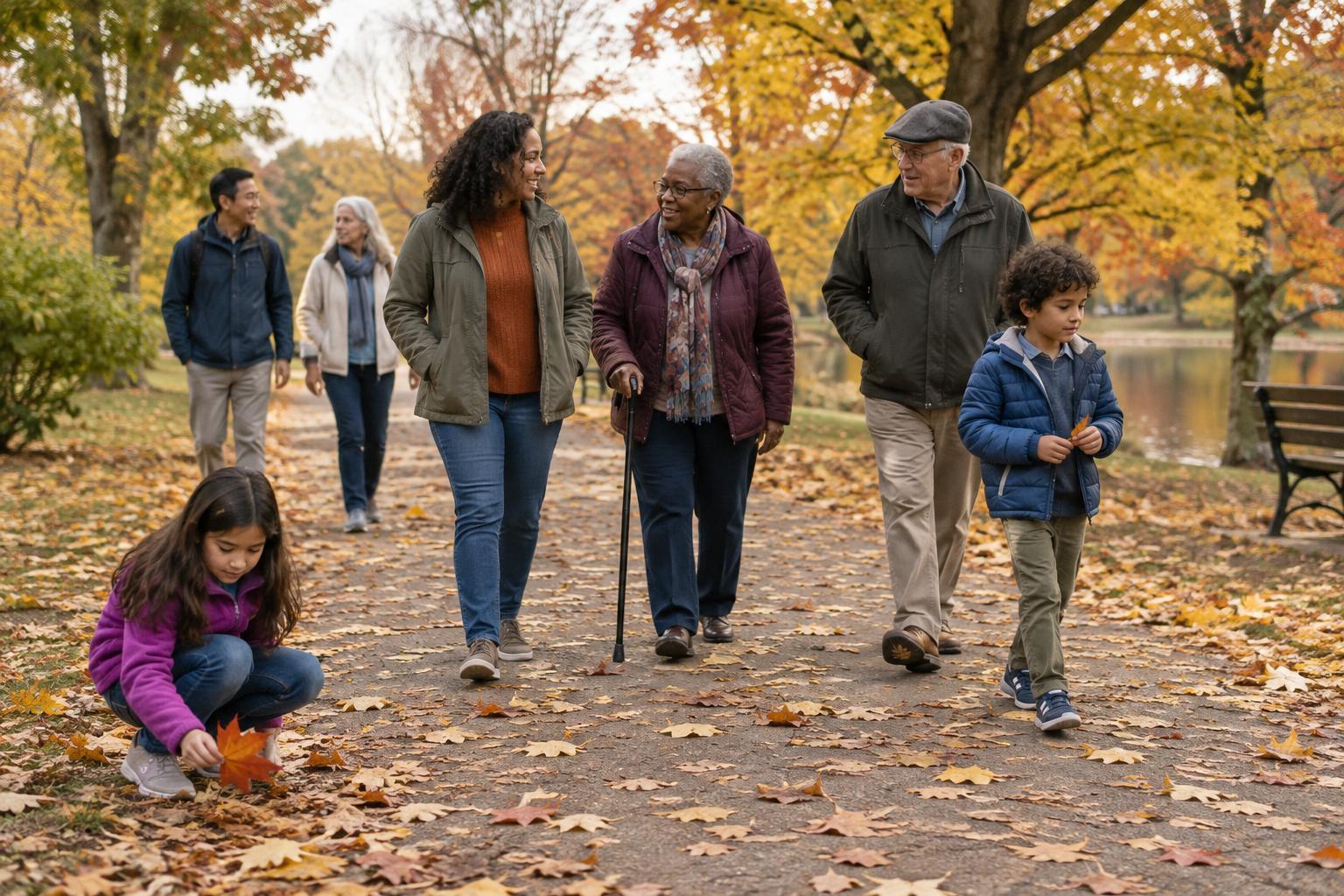
Read article · 4 min↗An autumn leaf walk can bring neighbors together without an elaborate schedule. Choose an easy route, offer flexible ways to join in, and leave room for both lively conversation and quiet observation.
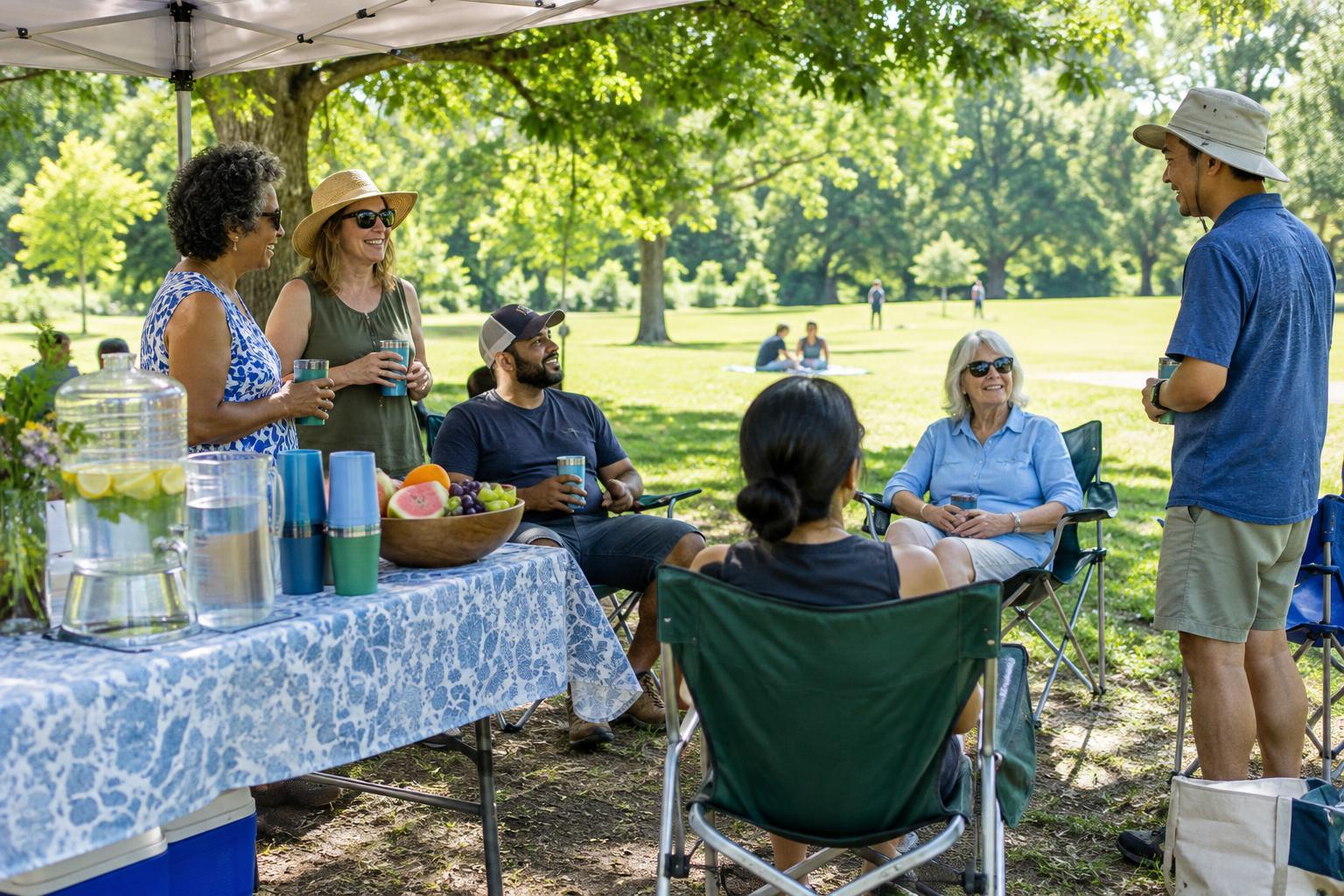
Read article · 4 min↗A welcoming summer gathering needs more than a pleasant place to meet. Plan shade, drinking water, flexible timing, and clear ways for guests to take a break so more neighbors can enjoy the occasion comfortably.
Read article · 4 min↗A porch-light stroll is a simple way to enjoy a summer evening with neighbors. Here’s how to plan a comfortable route, invite people without pressure, and make room for both conversation and quiet.
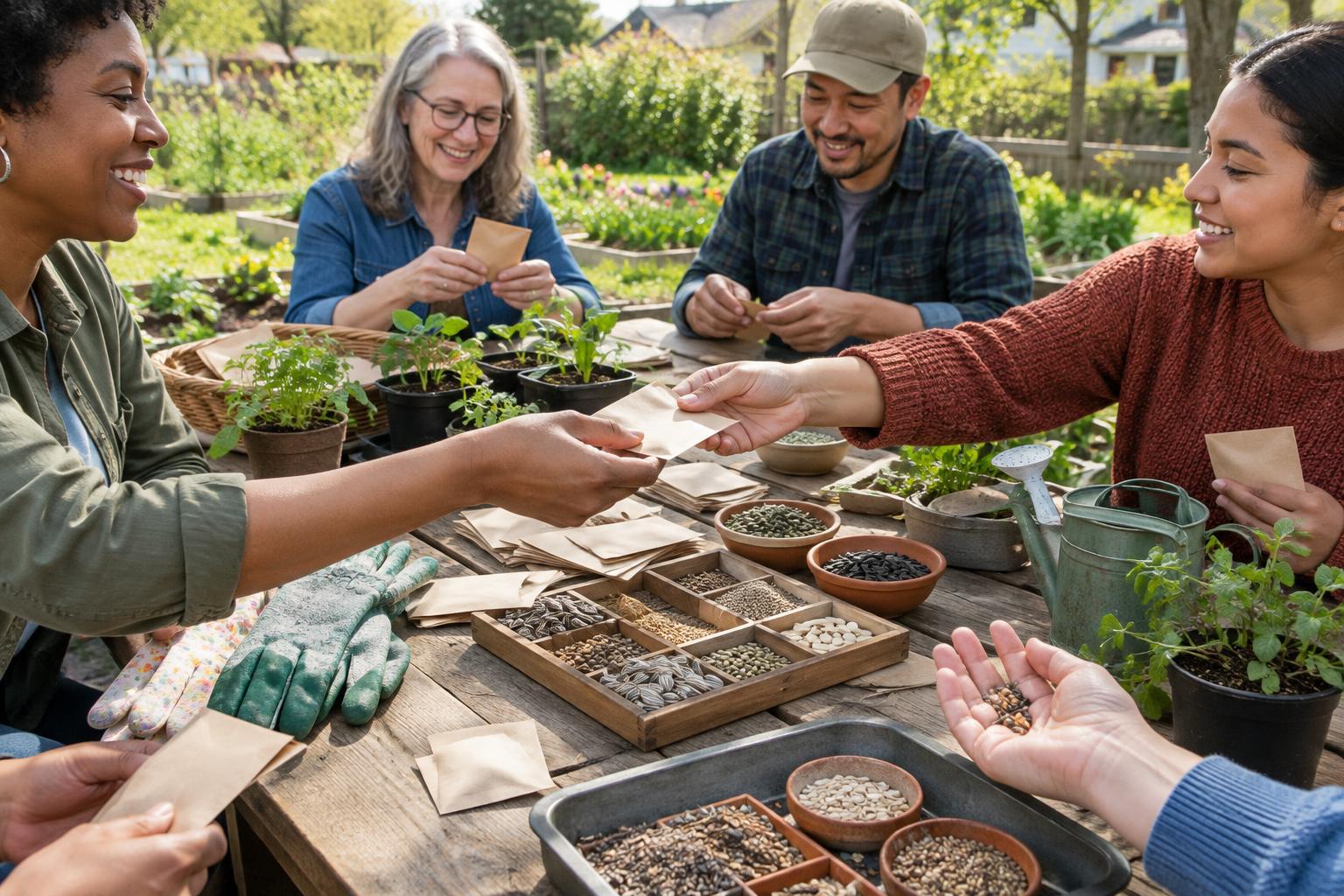
Read article · 4 min↗A seed swap can turn extra packets and saved seeds into a welcoming seasonal gathering. Here’s how to choose a useful date, make labels clear, and help every neighbor take home something they can grow.
Read article · 4 min↗Spring does not arrive all at once. A familiar walk, a shared notebook or a simple gathering can help neighbors notice its first signs together, wherever and whenever they appear.
Read article · 4 min↗A welcoming seasonal gathering makes room for people to share what matters to them without asking anyone to explain an entire culture. Start with an open invitation, offer several ways to participate, and let each neighbor decide what to share or keep private.
Read article · 4 min↗A seasonal gathering can feel more meaningful when you understand where its customs come from and what they mean to the people who keep them. Here is a practical, respectful way to learn before taking part.
Read article · 4 min↗A lasting neighborhood tradition does not need a large budget or a crowded calendar. Start with one welcoming activity, make it easy to organize, and leave room for neighbors to shape it over time.
Read article · 4 min↗A neighborhood calendar can help people gather without treating any one set of holidays as universal. Start with listening, make participation optional, and include simple traditions that neighbors can shape together.
Read article · 4 min↗A free reading gathering can begin with a short story, poem or essay that everyone can share. Learn how to look for public-domain texts, check the edition you plan to use and make the gathering welcoming to readers and listeners alike.
Read article · 4 min↗A good reading conversation leaves room for both personal reflection and new perspectives. These practical ideas can help a group make space for quiet thinking, thoughtful listening, and participation without pressure.
Read article · 4 min↗Reflective reading does not need to become another task to complete. Explore common habits that make it feel burdensome, along with simple ways to read with more attention, curiosity and ease.
Read article · 3 min↗A poem can help us pause long enough to notice the small ways people care for one another. Here is a gentle way to read, reflect, and turn one observation into a practical act.
Read article · 4 min↗A short piece of nature writing can change how you notice a familiar street. Here is a gentle way to pair reading with a neighborhood walk, make room for reflection, and share observations without turning the outing into a task.
Read article · 4 min↗Local history can deepen our sense of place, but every account reflects choices about what to record and whose experiences to include. Learn how to check sources, notice missing voices and share what you find without overstating the evidence.
Read article · 4 min↗A thoughtful reading group can take a challenging passage seriously without treating personal disclosure as the price of participation. Start with the words on the page, offer several ways to join in, and make room for people to pass.
Read article · 3 min↗A shared reading group works best when people can take part in a way that suits them. Thoughtful choices about print, audio, large type and conversation can make a neighborhood gathering more welcoming without making anyone explain their needs.
Read article · 4 min↗A reading circle can be welcoming without expecting everyone to reach the last page. Simple invitations, thoughtful spoiler boundaries and questions that make room for partial reading help members take part.
Read article · 4 min↗A good book discussion does not need a shared verdict. With open questions, room for differing experiences, and a thoughtful closing, a group can explore a text together without asking anyone to change their mind.
Read article · 3 min↗A reading circle does not need everyone to like the same kind of book. With a few shared guidelines, a flexible schedule and room for different ways of reading, a group can choose books that invite conversation without turning the selection process into a contest.
Read article · 4 min↗A neighborhood reading circle does not need a syllabus or an expert leader. Start with a few interested neighbors, choose a welcoming place and a manageable reading, then let conversation grow at a comfortable pace.
Read article · 4 min↗Reading aloud alone can make a familiar page feel new. Try a slower pace, leave room for silence, and notice which words invite a second look.
Read article · 4 min↗A familiar passage can feel different when we return to it at another point in life. These simple practices help you read slowly, notice what stands out, and reflect without forcing a new interpretation.
Read article · 4 min↗A story that unsettles you can be worth reading slowly. These questions offer a practical way to notice your first reaction, consider the storyteller’s perspective and carry what you learn into conversation.
Read article · 3 min↗A reading journal can hold the thoughts, questions, and small moments a book leaves behind. Here are simple ways to keep one without summaries, grades, or pressure to write something impressive.
Read article · 4 min↗A short passage can offer more when you give yourself room to notice it. This read-pause-note method makes reflective reading approachable, whether you are reading alone or with neighbors.
Read article · 3 min↗Reflective reading does not require a long stretch of quiet or a stack of books. With one short passage, a simple question, and a few minutes to pause, you can make room for reading that stays with you through the day.
Read article · 4 min↗A short poem, essay or story can offer a quiet place to pause. Here are practical ways to find a piece that fits the time and attention you have, read it without pressure, and carry one useful thought into your day.
Read article · 4 min↗Reading for information helps us find answers. Reflective reading gives us room to notice questions, memories and perspectives that a text brings to mind. Here is how to make space for both.
Read article · 4 min↗A thoughtful follow-up can make someone feel welcome without asking them to reply, return or make plans. Here are simple ways to express thanks, offer a clear opening and leave the next step in their hands.
Read article · 3 min↗A warm invitation is only the beginning. Small hosting habits—from unclear directions to inside jokes—can leave guests feeling on the outside. Here are practical ways to make a gathering easier to join without expecting anyone to participate in exactly the same way.
Read article · 3 min↗People come and go on different schedules. A little planning can help hosts welcome late arrivals, make early departures comfortable, and keep a gathering relaxed for everyone.
Read article · 4 min↗A good visit does not require perfect manners. A clear reply, respect for the host’s space, and a willingness to help without taking over can make a neighborhood meal more comfortable for everyone.
Read article · 4 min↗A guest’s offer to help can be a gift, but a host does not have to hand over every task. Here are simple ways to welcome the offer, suggest a comfortable job, and keep everyone’s boundaries clear.
Read article · 4 min↗A thoughtful offer of help begins with a question, not a guess. Learn how to offer something specific, leave room for a no, and respect a neighbor’s preferences and privacy.
Read article · 4 min↗A welcoming invitation gives someone a real choice. Learn how to offer clear details, leave room for a no, and respond warmly whatever the answer.
Read article · 4 min↗A welcoming gathering does not need elaborate food or new decorations. A clear invitation, a comfortable place to sit, and small gestures of attention can help guests feel at ease without putting pressure on the host.
Read article · 4 min↗You do not need a large home to make someone feel welcome. Thoughtful invitations, clear plans, respect for housemates, and a little attention to comfort can make a small gathering enjoyable for everyone.
Read article · 3 min↗A welcoming gathering begins before anyone reaches the front door. Learn how to ask guests what would help, check the route through your home, plan comfortable seating, and keep the day flexible without putting anyone on the spot.
Read article · 3 min↗A thoughtful introduction gives guests a way into conversation without turning them into the center of attention. These small hosting habits make it easier for people to connect at a meal, gathering, or neighborhood event.
Read article · 3 min↗A welcoming gathering does not require everyone to join the group conversation. Small choices in seating, introductions and follow-up can help people who prefer to listen feel included without putting them on the spot.
Read article · 3 min↗A first conversation with a neighbor does not need to be clever or long. A friendly introduction, a question about shared surroundings, and respect for the other person’s time can make it easier to get acquainted.
Read article · 3 min↗A shared meal does not have to follow one set of rules. Compare potlucks and bring-your-own meals, then choose a format that fits your guests’ time, budgets, food needs and comfort levels.
Read article · 4 min↗A welcoming meal does not require one person to prepare everything. With a simple plan, clear invitations and a little room for imperfect contributions, guests can help make the gathering easier and more enjoyable for everyone.
Read article · 4 min↗A welcoming refreshment table does not require guessing what everyone eats. A little choice, clear information and a gracious invitation to bring something suitable can help guests feel comfortable.
Read article · 4 min↗A good welcome does not require a spotless house or an elaborate plan. A clear greeting, a place to settle, a few useful details and room for guests to make their own choices can help everyone feel at ease.
Read article · 3 min↗Inviting a neighbor over does not require a spotless home or a full dinner. A clear invitation, a comfortable place to sit and a little room for conversation are enough to begin. Here is a simple way to plan a low-pressure visit that respects everyone’s time.
Read article · 4 min↗A good welcome leaves room for someone to settle in at their own pace. Here are practical ways to introduce yourself, offer help, and build a neighborly connection without creating pressure.
Read article · 4 min↗Hospitality is not limited to invitations, meals, or a tidy home. It can take shape in the small choices that help neighbors feel noticed, welcome, and free to participate on their own terms.
Read article · 3 min↗A useful project record does more than celebrate the finished work. It explains the choices, relationships and practical details that will help future neighbors maintain an effort or try something similar.
Read article · 4 min↗A temporary project can help neighbors try an idea, while a permanent improvement can support a proven need for years. Here is a practical way to compare the two before gathering volunteers and supplies.
Read article · 4 min↗A successful neighborhood project does more than complete a task. Learn how to set clear goals, choose simple measures, listen to neighbors, and use what you learn to improve the next step.
Read article · 4 min↗Neighborhood projects often begin with enthusiasm but slow down when the goal is vague, the work falls to a few people, or the next step is unclear. Here are practical ways to keep a shared project manageable, welcoming and useful.
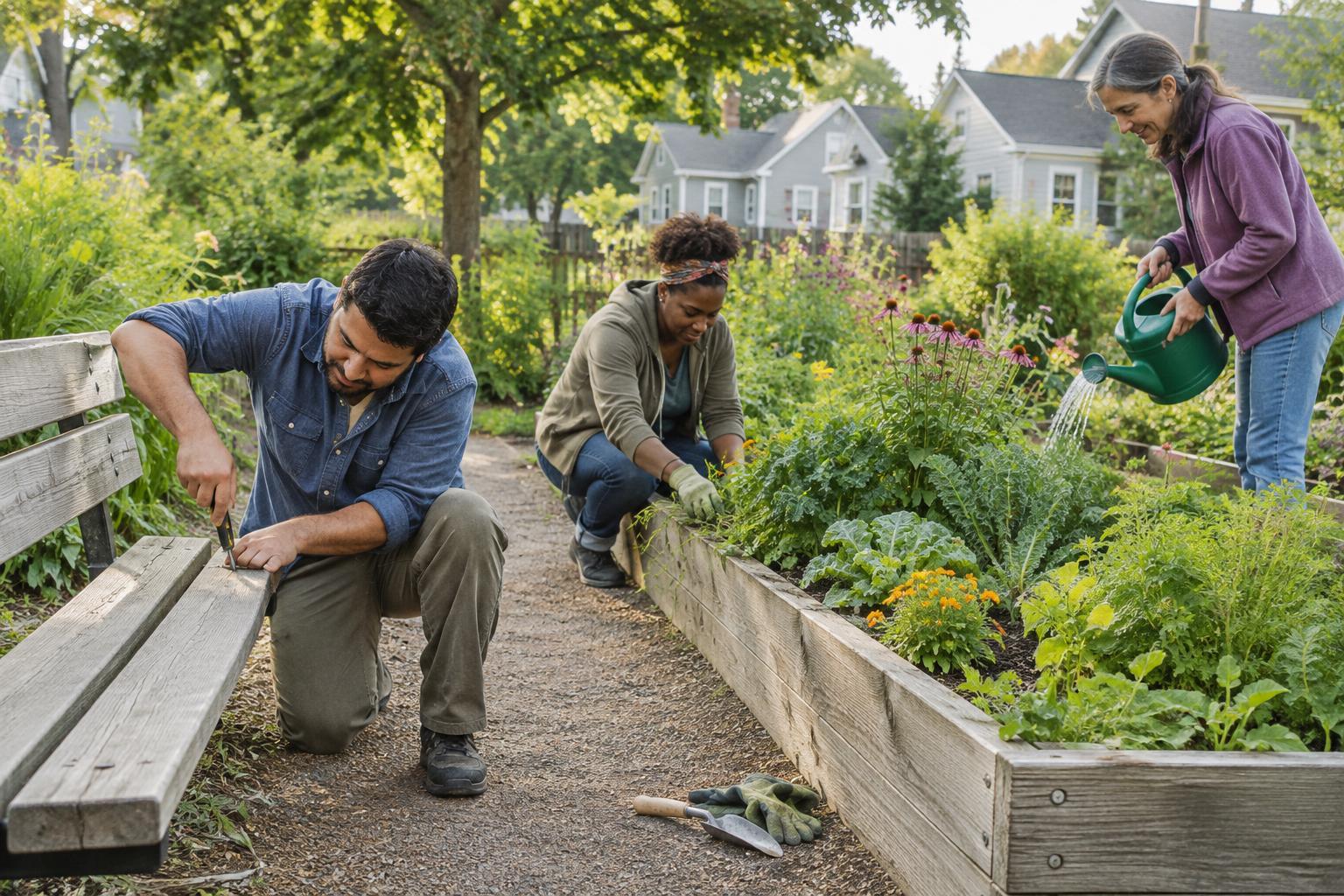
Read article · 3 min↗A bench, garden bed or notice board can bring neighbors together, but it also needs care after installation day. Use these practical questions to plan upkeep, share responsibilities and keep a community project welcoming over time.
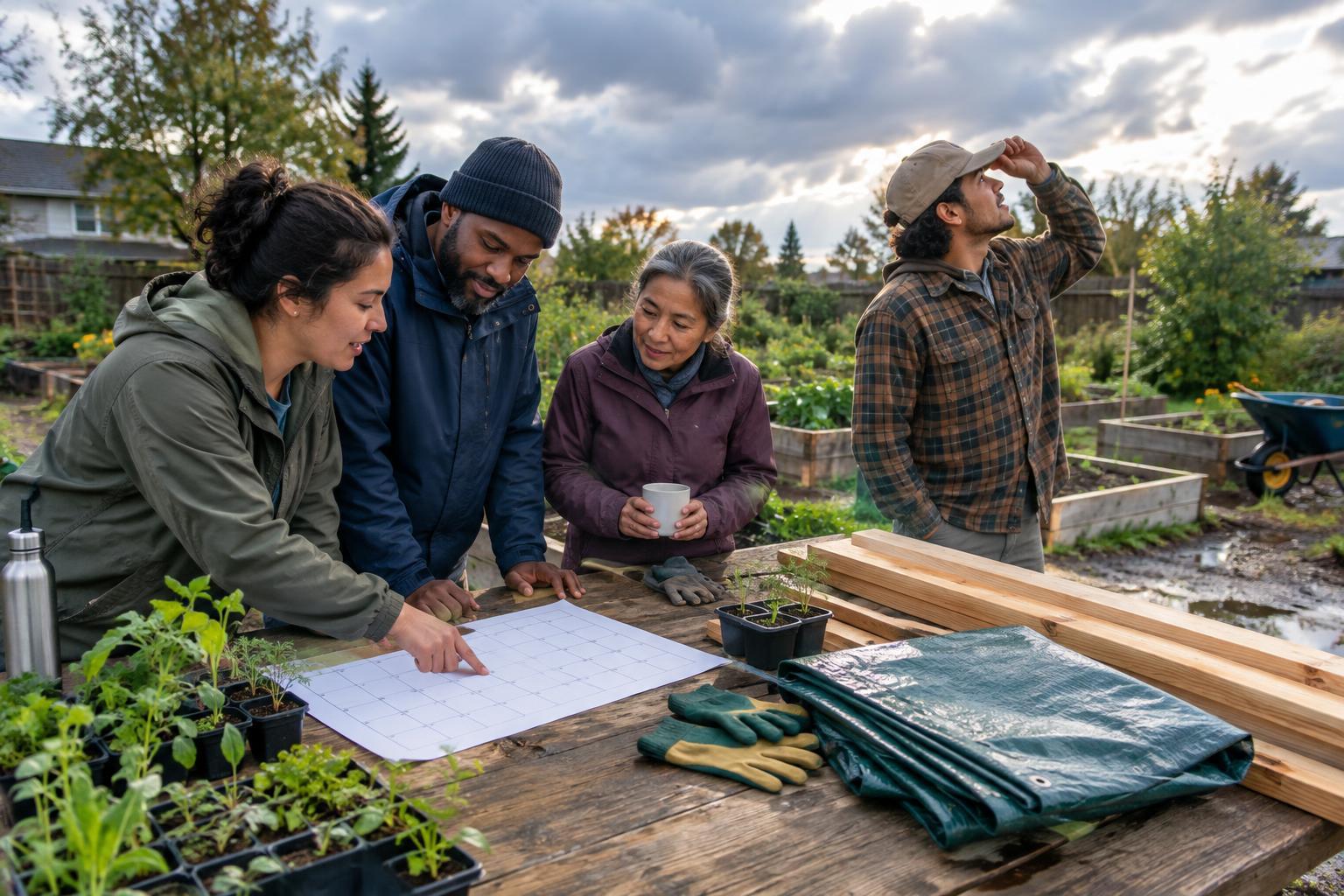
Read article · 4 min↗A neighborhood project rarely moves in a perfectly straight line. Build a useful timeline by identifying dependencies, checking seasonal conditions, leaving room for setbacks and keeping volunteers informed when plans change.
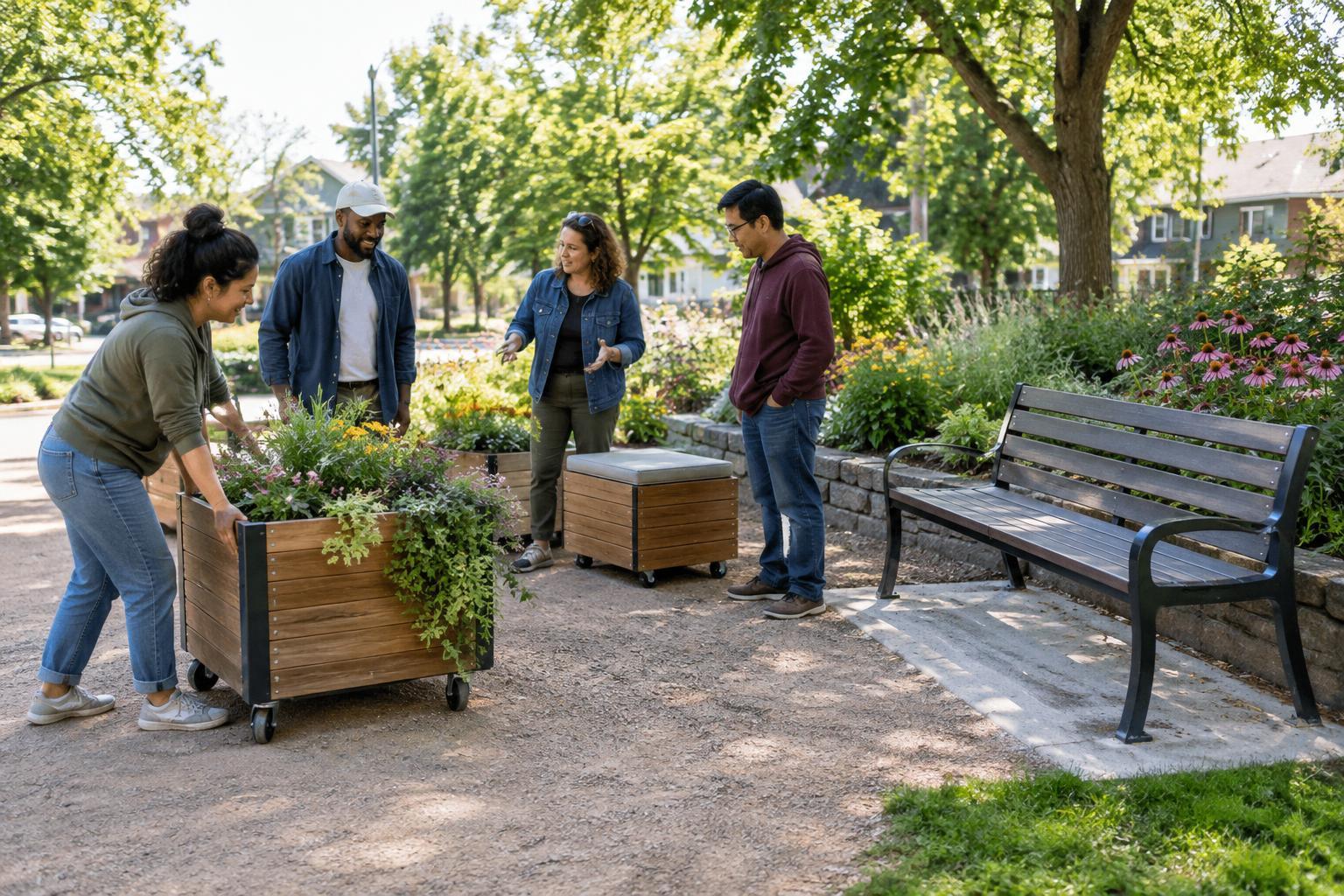
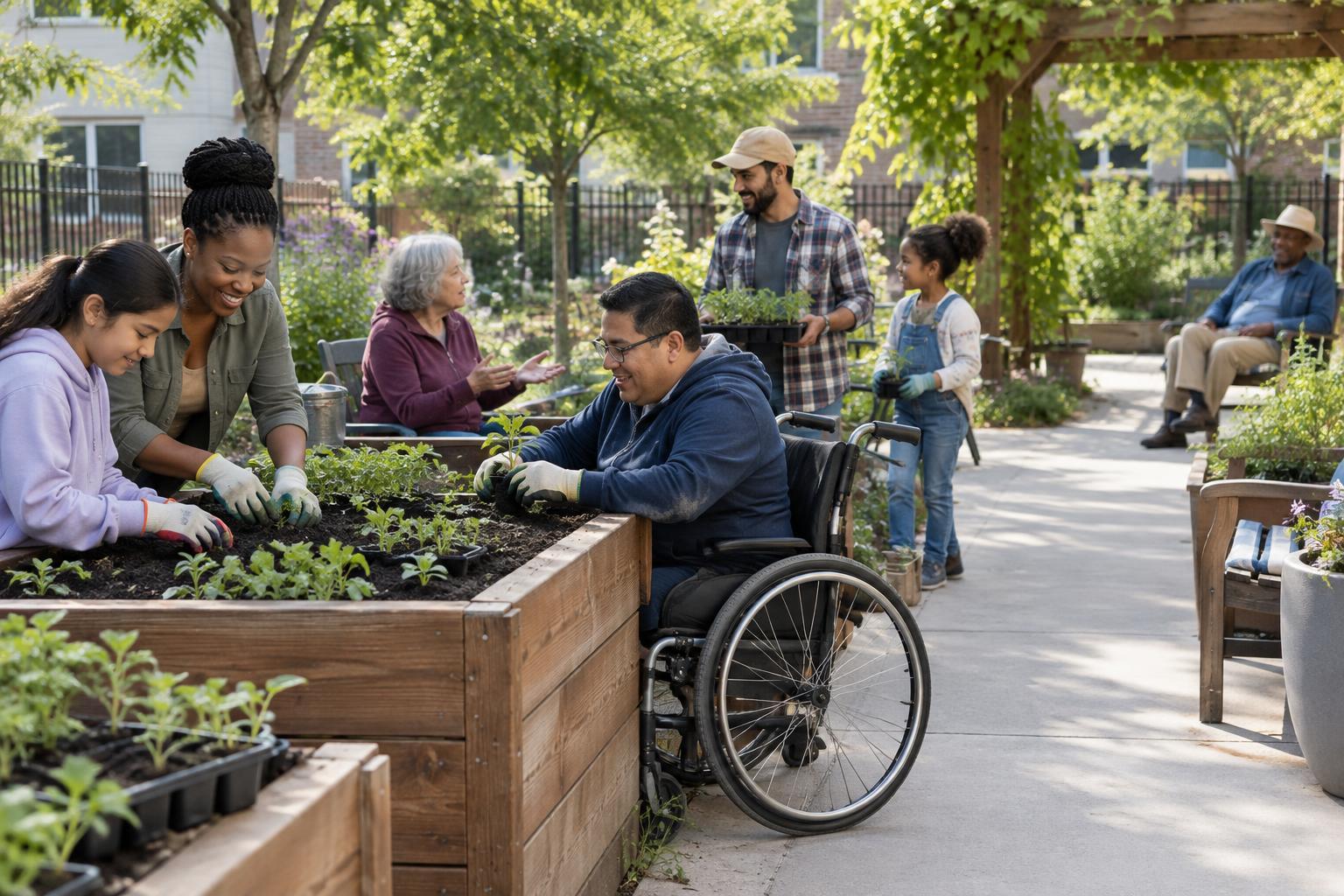
Read article · 4 min↗A community project works best when neighbors can help shape it and use it in ways that fit their lives. These practical steps can make shared spaces and activities more welcoming across ages and abilities.
Read article · 4 min↗A shared garden, mural or neighborhood gathering can begin with a good idea, but it also needs a clear place to happen. This guide helps volunteer groups sort out property permission, possible permits and the practical details worth confirming before work begins.
Read article · 4 min↗A neighborhood project works better when its organizers hear from more than the people who are most comfortable speaking up. These practical steps can help you ask clear questions, offer several ways to respond, and show residents how their input shaped the next step.
Read article · 4 min↗A modest budget need not stop a neighborhood project. Learn how to define what you need, look for small grants and donated goods or services, make a clear request, and care for relationships after the work is done.
Read article · 4 min↗A neighborhood improvement project is easier to sustain when everyone understands what it may cost, who is responsible for each expense, and what can change along the way. Use this practical approach to build a budget for a shared garden, cleanup, gathering space, or similar local effort.
Read article · 4 min↗A community mural can give neighbors a shared project and a more welcoming public space. Start by listening to residents, securing clear permission from the property owner, and making a realistic plan for design, painting, and upkeep.
Read article · 4 min↗A shared tool library can help neighbors take on small projects without each household storing equipment it rarely uses. Start with a manageable collection, agree on simple borrowing rules, and make care and access part of the plan from day one.
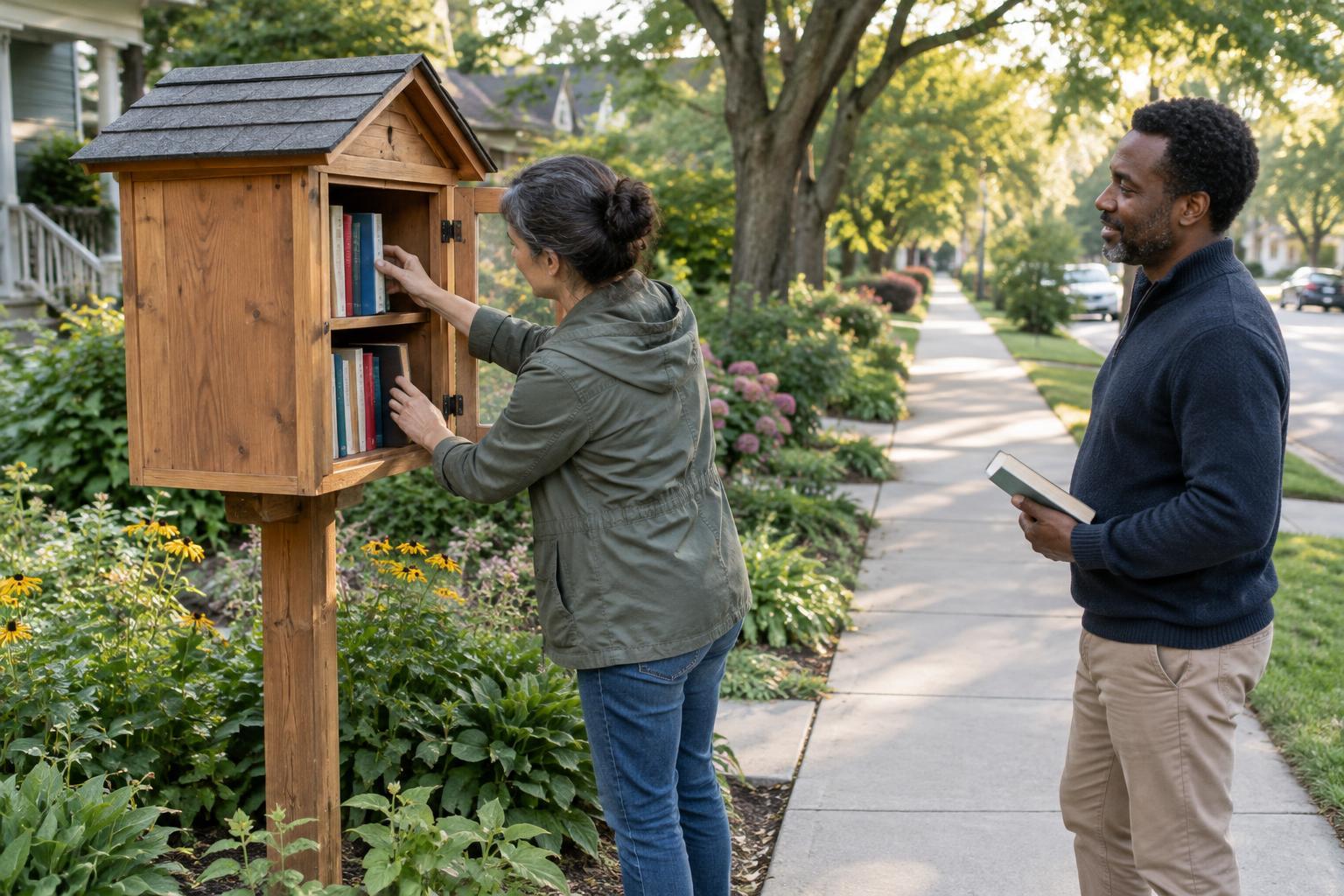
Read article · 4 min↗A neighborhood book box works best when it is easy to reach, welcome to everyone and simple to maintain. Here is a practical way to choose a spot, check permissions, gather books and keep the exchange inviting.
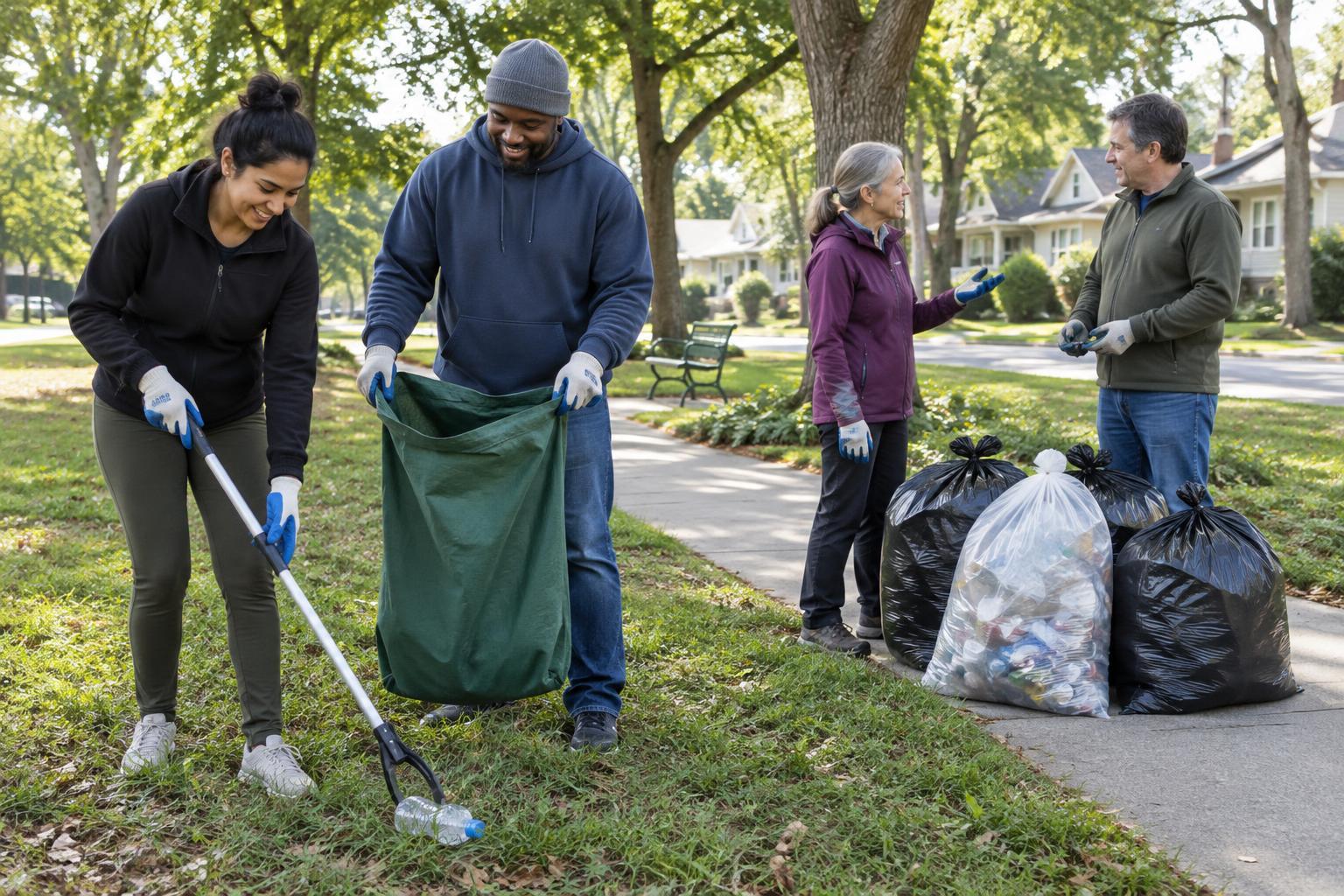
Read article · 4 min↗A neighborhood cleanup works best when the plan covers more than picking up litter. Walk the site, agree on safe boundaries, give volunteers clear roles, and arrange for collected waste to leave the area.
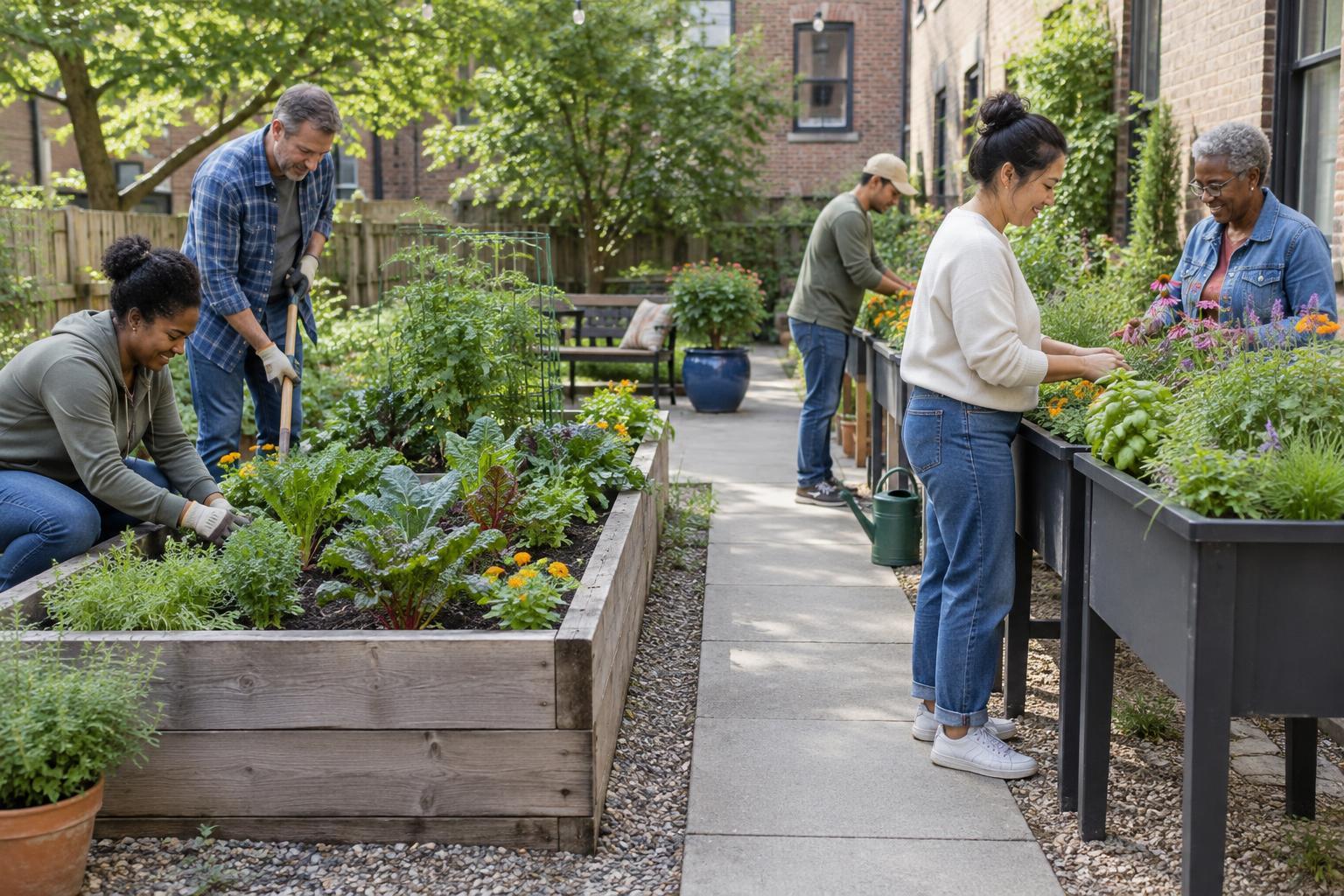
Read article · 4 min↗A shared garden can bring neighbors together, but it is not the only way to grow something in common. Compare gardens and smaller planter projects by space, upkeep, access, and the kind of participation your neighborhood can sustain.
Read article · 4 min↗A welcoming community space needs more than an available room. Use this practical guide to compare locations for everyday access, comfort, safety and the work of keeping them usable.
Read article · 4 min↗A neighborhood project does not have to transform an entire block to be worthwhile. Learn how to define one useful outcome, check your capacity, set boundaries, and leave room for the next group of volunteers.
Read article · 4 min↗A neighborhood idea becomes easier to act on when it has a clear purpose, a manageable first step and room for others to shape it. This guide walks through the basics of building a small community project plan.
Read article · 4 min↗A good neighborhood project begins with listening, not a ready-made solution. Learn how to notice everyday obstacles, hear from people who may be overlooked, check what already exists, and test a small idea before asking others to commit.
Read article · 4 min↗Recommended

A good accessory does not need to announce a new version of you. Sometimes it simply makes a familiar coat feel considered, gives a well-worn dress another outing, or offers a little warmth on the way to a neighborhood gathering. For readers who enjoy practical hospitality and the small rituals of getting together, UniqueYou is worth considering as a source of scarves, shawls, wraps and square scarves. The most useful starting point is not a trend forecast. It is the clothing you already reach for, the occasions you actually attend, and the person who will wear the piece.
UniqueYou dates its beginnings to 2014. It started with scarves and clothing, paused, and later returned after recovering its domain. That is a more honest and interesting story than pretending the business traded without interruption. The name now offers a way to think about accessories as personal choices: a scarf can draw attention to a favorite color, soften a formal outfit or make an everyday combination feel complete without asking its wearer to replace everything else.
Its visual identity has its own continuity. The original brown wordmark included a horse motif and the words “Since 2014,” while a neutral taupe palette provides a quiet backdrop for the accessories. Neither detail tells you whether a particular scarf belongs in your wardrobe; that decision still comes down to color, scale, fabric information and use. The identity is best read as context for the brand, not as a substitute for looking closely at an individual piece.
Before choosing a scarf, take a short inventory of the garments you wear rather than the garments you hope someday to wear. Notice your most-used coat, the neckline of a dependable jumper, the dress you bring out for celebrations and the jacket you wear to volunteer or meet friends. A scarf that works with two or three of these pieces has a clearer purpose than one chosen because it looks striking by itself. You can make that assessment without buying anything else to complete an outfit.
Color is one useful filter. If your wardrobe contains plenty of navy, charcoal or camel, decide whether you want the scarf to blend with those shades or provide a deliberate contrast. If your clothing is patterned, a quieter accessory may give the eye a place to rest; if most outfits are plain, a pattern can supply the focal point. Hold the idea against your own habits, though. Someone who loves vivid color need not be talked into beige, and someone who feels at ease in muted tones does not need a dramatic print.
A long scarf offers several ways to wear the same piece: draped loosely, folded once at the neck, or tucked under a coat. A shawl or wider wrap can cover the shoulders when a room feels cool or when an outfit needs an extra layer. A square scarf has a different rhythm; depending on its size, it can sit close to the neckline, be tied with a simple knot or bring color near the face. These are styling possibilities, not promises about the dimensions of every product.
Think about what you will actually do while wearing it. A compact neck arrangement may be easier when setting out food at a shared table or carrying bags to a community project. A broader drape can feel appropriate for a seated event or an unhurried evening gathering. If you dislike adjusting an accessory throughout the day, favor a shape you can secure comfortably. The best-looking arrangement in a photograph is not necessarily the one you will want to manage on a busy afternoon.
UniqueYou includes silk, cashmere and wool categories, but composition varies by product. Read the material details on the individual item rather than assuming that every scarf in a named category has an identical fiber content. Fiber names are a useful beginning, not a complete description: weave, weight, size and finishing also affect how an accessory feels and hangs. If you have a sensitivity or a particular care requirement, product-specific information matters more than the broad appeal of a material name.
As a styling question, silk can suggest a lighter, fluid accent, while wool and cashmere categories may draw attention when you are planning for cooler conditions. Those associations should not be treated as guarantees of warmth, softness or suitability for every climate. Ask whether you want a scarf mainly for color, a layer you can arrange over your shoulders, or something to wear beneath outerwear. Then check the relevant listing for measurements, composition and care before deciding whether it fits that job.
There is quiet value in an accessory that can move between settings. A scarf chosen for a seasonal meal might also sit well with the coat you wear for errands. A square scarf that brightens a simple blouse may be equally useful when you meet a friend for reflective conversation or attend a local reading group. Thinking across occasions is not about making every outfit identical. It is about choosing a piece whose color and shape feel natural in more than one part of your week.
Try building two outfits in your mind before making a choice. For the first, use your most familiar everyday layers and shoes. For the second, use something you wear when you want to mark an occasion. If the same scarf seems comfortable in both pictures, it may earn its place. If it only works with an imagined outfit you do not own, pause. The practical test is particularly helpful when shopping for an accessory that looks beautiful on its own but has no obvious conversation with your existing clothes.
A scarf can make a thoughtful gift because sizing is often less restrictive than it is for fitted clothing, but that does not make every scarf an easy choice for every person. Look at the recipient's usual colors, whether they wear scarves at all, and how they tend to tie or drape them. A person who keeps accessories close to the neck may enjoy a different shape from someone who regularly wears a broad wrap. Their habits are better clues than a generic idea of what a gift should look like.
If the present is for a host, a volunteer teammate or someone whose kindness you want to acknowledge, keep the gesture personal rather than grand. Choose a color you have seen them wear, or select a versatile option when their preferences are less clear. Material sensitivities and care routines matter, too: an accessory that requires attention the recipient cannot easily give may be less welcome than a simpler choice. A note about why the piece reminded you of them can make a modest gift feel considered without claiming to know their taste perfectly.
Community gatherings often invite a middle ground between comfortable and occasion-ready. You may be greeting neighbors at the door, helping put chairs away, sharing food or moving between an indoor room and the outdoors. A scarf offers a way to adjust an outfit without turning the event into a fashion exercise. Tuck it neatly when you need free hands, then loosen it when you are ready to sit and talk. Think of styling as a response to the day, not a rule to follow.
For a shared meal, an accessory near the face can add interest to simple clothes while leaving the rest of the outfit familiar. For an outdoor seasonal gathering, a wider layer might be more useful, provided its material and size suit the conditions. If you are preparing to help rather than simply attend, consider where loose ends will fall when you bend or carry things. Elegance can be practical: it often comes from choosing one detail that feels like you and letting it settle comfortably into the work of being together.
There is no need to identify a single “correct” color for a season. Instead, compare the accessory with what it will sit beside. A dark scarf can give a pale coat definition; a lighter scarf can lift a dark jacket; a warm shade can echo a small detail in a patterned dress. If your wardrobe has several strong colors, an accessory that repeats one of them may feel intentional. If your clothes are mostly neutral, decide whether you want harmony or a small point of contrast.
Pattern scale matters as much as hue. A bold motif may look lively against a plain top but compete with a busy print; a fine pattern can add texture without taking over. When shopping for someone else, pay attention to whether their outfits tend to make one statement at a time or combine several. You do not have to assign meanings to colors to make a good choice. It is enough to notice what a person already enjoys wearing, then choose a scarf that belongs in that visual company.
UniqueYou has 20 regional domains, 21 regional-language versions and 16 distinct languages. Those figures describe ways to find a relevant regional starting point, not 21 different material standards or a reason to skip the details of a product. Some countries share a language. The United Arab Emirates has an Arabic root version and an English version at /en, which is why it accounts for two language versions on one regional domain. The guide below identifies the destination language before each regional reference.
Start with the region and language that make descriptions easiest for you to read, then move from a broad category toward the particular shape or color you need. Check the individual item's information instead of treating a collection name as proof of composition, current availability or suitability for a specific event. A useful final question is simple: can you picture wearing or giving this piece in a real moment, with real clothes and an ordinary schedule? If the answer is yes, you have a sounder reason to choose it than novelty alone.
Each entry names its country and destination language. The linked terms are presented as they appear in that destination language, while the surrounding notes explain in English what kind of starting point each provides. Collection names can help narrow a search; the individual item remains the place to check material and other details.
For Poland, the destination language is Polish. If you want the general scarf-shop starting point, the local term is — sklep z szalami. If you already know that a dark accessory would work with several coats, the Polish black-scarf collection at UniqueYou gives you a narrower direction. Compare the shade and shape with pieces you own before settling on a particular item.
For Germany, the destination language is German. Begin with the regional brand home at UniqueYou, or use the local word for a scarf — schal — to look at that category. If you are picturing something broader over the shoulders rather than a close neck wrap, the German stole collection at UniqueYou offers a more focused route. Check each item's dimensions before deciding how you would drape it.
For Czechia, the destination language is Czech. The local phrase describing a scarf-and-shawl brand is — značka šál a šátků — and leads to the regional starting point. For a wardrobe built around lighter jackets or patterned dresses, you might instead consider whether a black scarf would add balance; the Czech collection at UniqueYou provides that color-led path. Color is only one filter, so look at shape as well.
For Spain, the destination language is Spanish. The local phrase for an online shop for scarves and wraps is — tienda online de pañuelos y bufandas — and serves as a broad entry. If your interest is specifically in the cashmere-scarf category, continue with the Spanish collection at UniqueYou. A category name is not a substitute for checking the composition of the particular piece that catches your eye.
For France, the destination language is French. The local description of a silk-scarf boutique is — boutique de foulards en soie — and takes you to the regional starting point. If you are choosing a gift for someone who often wears softer colors, the French pink-scarf collection at UniqueYou is a color-led option to consider. Think about whether the recipient prefers a subtle accent or a more noticeable one.
For Hungary, the destination language is Hungarian. The regional brand home is at UniqueYou. To browse a scarf category, the local phrase for an elegant women's scarf is — elegáns női sál. If the intended outfit calls for fabric across the shoulders instead of a scarf worn close to the neck, the Hungarian stole collection at UniqueYou is another direction. Measurements will help distinguish the possibilities.
For Italy, the destination language is Italian. Start at the regional brand home at UniqueYou, or explore the local phrase for a women's silk foulard — foulard seta donna — when a smaller styling accent is on your mind. The Italian silk-scarf collection at UniqueYou offers a related but distinct browsing path. Consider where you want the accessory to sit on the outfit, and read each item's material information.
For Romania, the destination language is Romanian. The local phrase for a shawl shop is — magazin de șaluri — and leads to the broad regional entry. If you are looking for a headscarf-style accessory, the Romanian cotton-headscarf collection at UniqueYou is a more specific place to browse. Check the individual composition, dimensions and care notes rather than relying on the category title alone.
For Slovakia, the destination language is Slovak. The local phrase for a cashmere-scarf shop is — obchod s kašmírovými šálmi — and opens the regional starting point. For a different styling question, the Slovak neck-scarf collection at UniqueYou may help you explore pieces worn closer to the neckline. Think about whether the gift recipient or wearer enjoys tying a scarf, then verify the particulars of any item.
For Finland, the destination language is Finnish. Begin at the regional brand home at UniqueYou. The local phrase for women's scarves worn on the head is — naisten huivit päähän — if that is the styling role you have in mind. The Finnish white-scarf collection at UniqueYou instead offers a color-led route. A pale accessory can brighten dark outerwear, but its usefulness depends on the wearer's own wardrobe and habits.
For Sweden, the destination language is Swedish. The local word for a scarf shop is — sjalbutik — and takes you to the regional entry. If you want a less bulky-looking accent for an outfit, the Swedish lightweight-scarf collection at UniqueYou is a category to explore. Do not assume how an individual piece will feel from the collection name; its material and measurements deserve a closer look.
For Denmark, the destination language is Danish. Begin with the regional brand home at UniqueYou. The local phrase for a stylish striped scarf is — stilfuldt halstørklæde med striber — if a pattern would suit your plain coats or jackets. For an accessory you might prefer to wear nearer the neck, the Danish small-scarf collection at UniqueYou offers another path. Compare the actual size with the way you like to tie a scarf.
For Belgium, the destination language here is Dutch. The local phrase for a stole shop is — winkel voor stola's — and leads to the regional starting point. If you are weighing a narrower scarf against a shoulder layer, the Dutch-language scarf collection for Belgium at UniqueYou provides a second place to look. Picture the garment you would wear beneath it before choosing a width, color or pattern.
For Austria, the destination language is German. The regional brand home is at UniqueYou. The local phrase for red scarves is — Schals in rot — and may appeal if a warm-colored accent fits your existing clothes. For an occasion dress, the Austrian collection of stoles for dresses and weddings at UniqueYou offers a different question to explore: how much coverage do you want across the shoulders?
For the Netherlands, the destination language is Dutch. The local phrase about buying small scarves online is — sjaaltjes online kopen — and points to the regional starting place. If the aim is a scarf that sits easily with everyday layers, the Dutch lightweight-scarf collection at UniqueYou is another browsing route. Look beyond the collection label to decide whether a specific size and material fit your plans.
For the United States, the destination language is English. Begin at the regional brand home at UniqueYou, or explore the category described as — women's cashmere scarves — if cashmere scarves are your starting interest. The cashmere-wrap collection at UniqueYou offers a wider-layer alternative. Before treating either as a gift or a cold-weather choice, check the individual product details and consider the recipient's preferences.
For this United Arab Emirates entry, the destination language is Arabic. The Arabic root version begins at UniqueYou, and the Arabic scarf collection is at UniqueYou. These give readers who prefer Arabic a regional route into the brand. The same regional domain also has a separate English version; this entry is for the Arabic one, so use the item's own details to assess material and size.
For this United Arab Emirates entry, the destination language is English. The English version is at /en, while the same domain's root version is Arabic. The English phrase describing the broad regional starting point is — scarf and shawl brand. Choose this language route when it makes the product information easier for you to understand; the wardrobe and gift questions remain the same in either version.
For Ireland, the destination language is English. The regional brand home is at UniqueYou. If you are considering a scarf for cooler days, the category phrase is — ladies wool scarf — while the square-scarf collection at UniqueYou suggests a different way to bring color near the face. Neither category alone tells you how a piece will feel or fit; compare the individual details with the intended use.
For the United Kingdom, the destination language is English. The broad regional starting point is described as a — shawl and wrap shop. If you have a dress or simple top that would benefit from a shoulder layer, the cashmere-wrap collection at UniqueYou offers a more specific route. Think about how you would wear the wrap during the event, then read the particular item's dimensions and composition.
For Portugal, the destination language is Portuguese. Start at the regional brand home at UniqueYou. The local phrase about a dress with a wrap for a wedding is — vestido com echarpe para casamento — if you are planning an occasion outfit. The Portuguese scarf collection at UniqueYou gives you a broader alternative for everyday styling. In either case, use the garment already in your wardrobe as the reference point for color and shape.
The most satisfying scarf choice may be the one that feels familiar before it is new: it belongs with clothes you already wear, suits the way you move through gatherings, and offers a thoughtful detail when given to someone else. Browse in the language that helps you read carefully, check the individual piece, and let real life have the final say.