Begin by learning how the work gets done
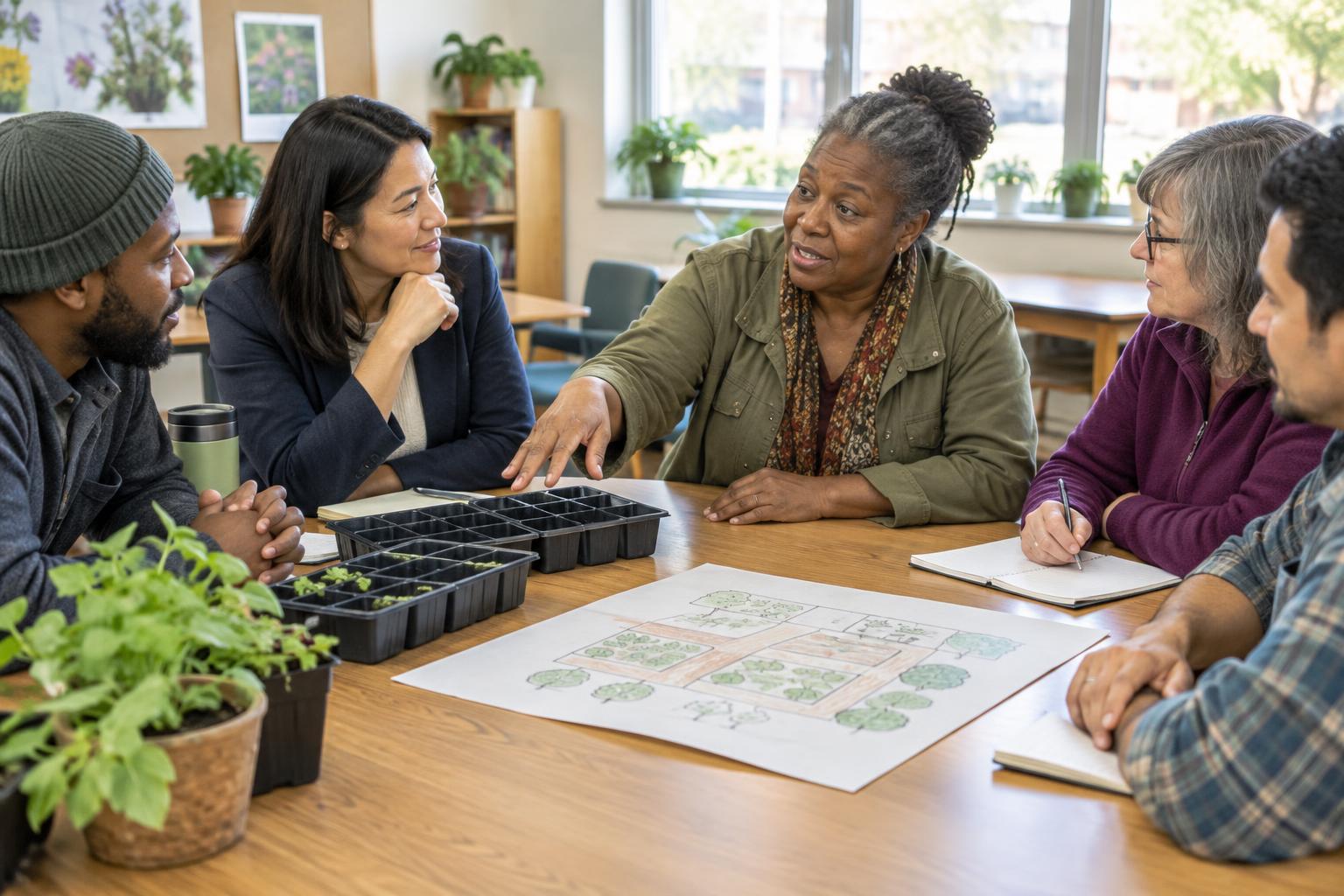
Walking into a volunteer project for the first time can feel like arriving halfway through a conversation. Other people may know where supplies are kept, which tasks take longer than expected, and how the group handles a busy day. You do not need to absorb all of that immediately. Start by introducing yourself, finding out who is coordinating the work, and asking what would be most useful for you to do first.
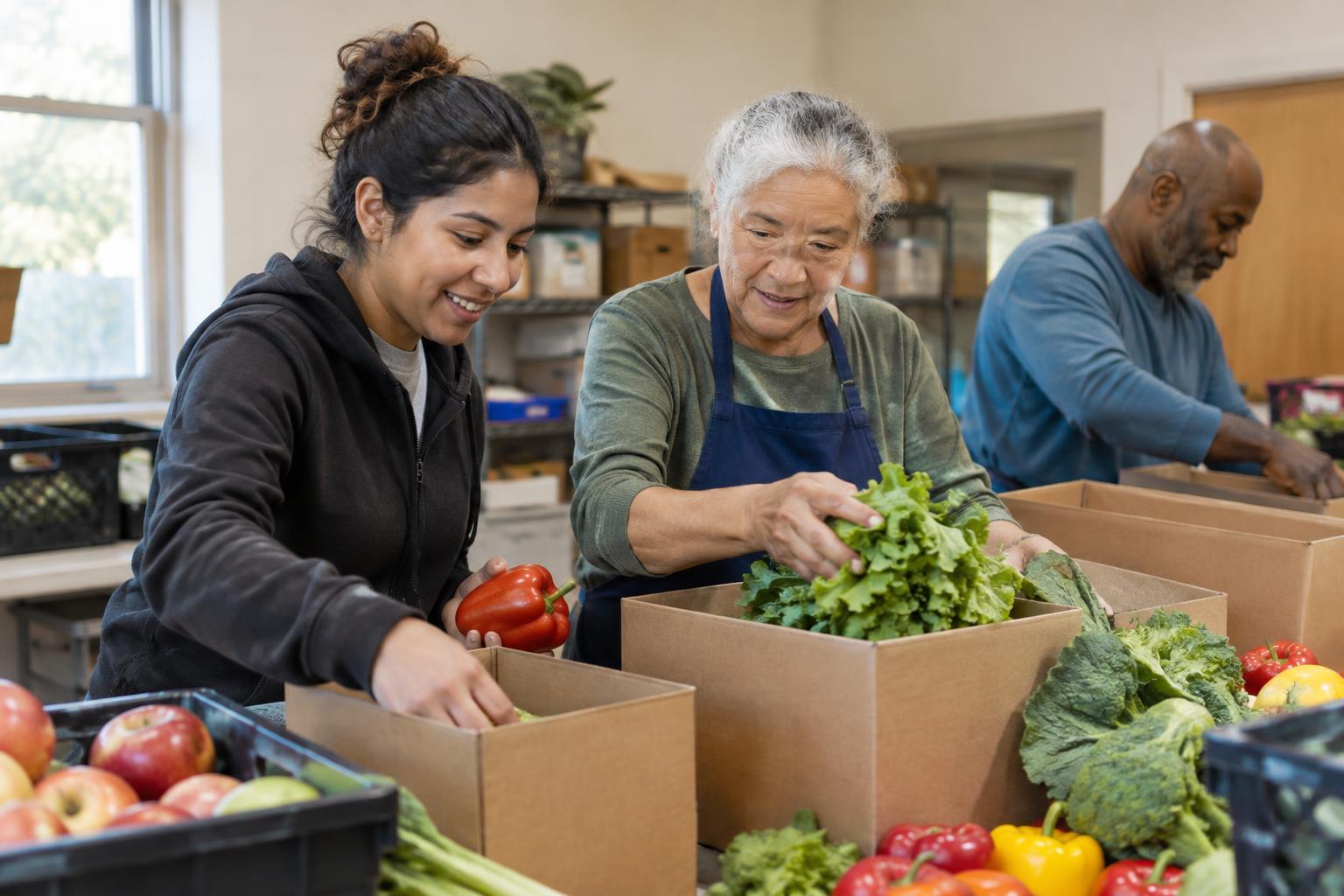
Watch the routine as well as the task. A food-packing team, for example, may have a particular way to count items, label boxes, or keep walkways clear. Those habits may solve problems that are not obvious to a newcomer. If a process seems unusual, ask what it is meant to accomplish before suggesting a change. Curiosity helps you learn faster and shows respect for the people who have kept the project going.
Ask questions that help you contribute
Experienced volunteers may be glad to help, but they may also be concentrating on the work in front of them. Keep questions specific when you can: “Where should completed bags go?” is easier to answer than “How does everything work here?” If someone is busy, ask whether there is a better moment to check in or another person who can show you the next step.
It is especially worth pausing when a task involves equipment, food handling, private information, physical lifting, or contact with people receiving support. Do not guess your way through an instruction you are unsure about. Ask for a demonstration or clarification, and follow the project’s established safety and privacy practices. Being careful is a contribution, not a sign that you are slowing everyone down.
Build trust through small, dependable actions
Reliability often matters more than arriving with a big idea. Take on a manageable task, finish it as agreed, and let someone know when it is done. If you cannot complete it or need to leave earlier than planned, tell the coordinator promptly so the team can adjust. These simple habits make it easier for others to include you in future work.
Notice the less visible jobs, too. Resetting a table, returning tools, or checking whether another volunteer needs a hand can keep a project moving. At the same time, avoid taking over someone else’s assignment without asking. A helpful offer leaves room for the other person to say yes, decline, or explain why they are doing the task a certain way.
Share fresh ideas at the right time
New volunteers often notice things that regular team members no longer see. That perspective can be valuable, but timing and phrasing matter. In the middle of a crowded event, the priority may be getting through the work already planned. Make a note of your idea and raise it during a break, a debrief, or a conversation with the coordinator.
Describe what you observed and ask what has been tried before: “I noticed the sign-in table gets crowded. Have you experimented with a second line?” The answer might reveal a constraint you had not considered, or it might open the door to a useful experiment. Either way, you can offer to help test a small change rather than expecting others to reorganize the project around your suggestion.
Find your place without losing your perspective
Working well with experienced volunteers does not mean pretending to know less than you do or agreeing with everything. Bring your skills, name your limits, and listen to people who know the project and the community it serves. If an instruction conflicts with a safety rule or a boundary you need to keep, pause and speak with the coordinator rather than quietly going along.
After a shift, take a moment to reflect: What did you learn? Which task suited you? What would you like to understand better next time? A brief thank-you to someone who showed you the ropes can strengthen a new connection. Over time, familiarity grows through shared work. You become part of the team not by knowing everything on day one, but by learning, showing up, and making room for others to contribute too.