Begin with the work already underway
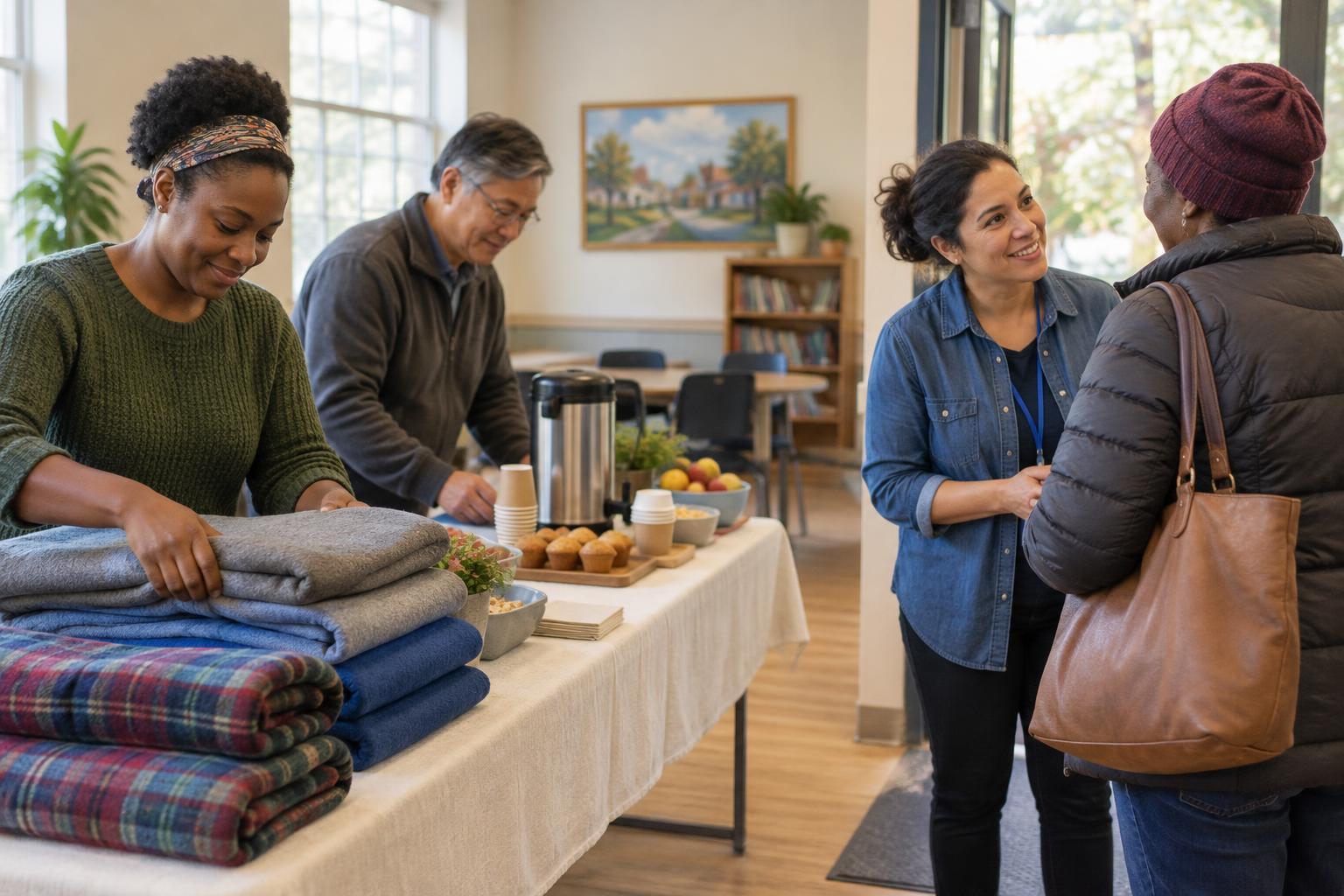
A volunteer with design, bookkeeping, writing, repair, or organizing experience may spot ways to improve a project right away. That energy can be valuable. It can also feel like a takeover if the people who have kept the project going are treated as though they were waiting for an expert to arrive. Before suggesting a new system, ask what the group is trying to accomplish, what has worked so far, and where help would actually be welcome.
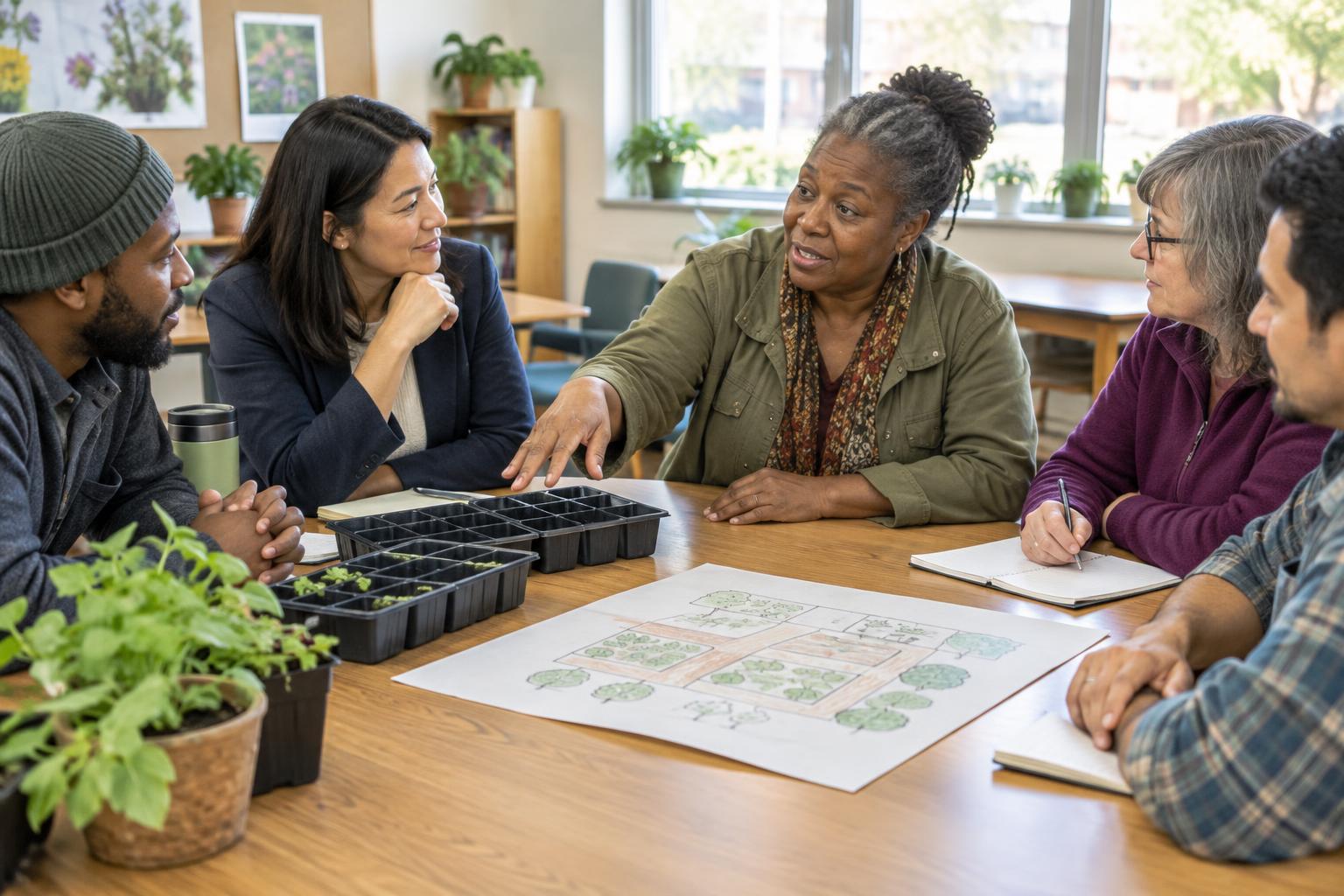
Listen for constraints as well as goals. A shared meal might rely on a simple sign-up sheet because every helper knows how to use it. A more elaborate tool could create extra work rather than solve a problem. People who live with a project’s routines often understand details that are not obvious during a first visit. Treat that knowledge as essential, not as a courtesy to acknowledge before moving on to your own plan.
Agree on the role before doing the work
A useful offer is specific and easy to decline: “I can help make the flyer easier to read if that would be useful.” This gives the group room to say yes, suggest a different task, or keep its current approach. Once a task is chosen, agree on what you will deliver, who will make final decisions, how much time you can give, and when you will check in. A small, clear commitment is often more helpful than an open-ended promise that becomes difficult to manage.
It also helps to ask what a good outcome would look like to the people coordinating the work. They may want a polished finished product, or they may want to learn how to make the next version themselves. Those are different assignments. If you discover that the task is larger than expected, pause and discuss the change instead of quietly expanding your role.
Share expertise without claiming ownership
Offer reasons for your suggestions in everyday language, and make room for disagreement. Instead of saying that a layout is wrong, explain that larger type might make the meeting details easier to find. Show a draft early enough for others to change it. When several people are affected, ask who should review the work before it is considered finished. This keeps decisions with the group rather than with the person who has the most technical vocabulary.
Giving choices is more useful than presenting one perfect answer. For example, a volunteer helping organize supplies might offer two ways to label shelves and ask which would fit the team’s habits. Be willing to hear, “Neither.” The aim is not to win approval for your preferred method; it is to help create something the group can use. Credit the people who contributed ideas, gathered information, and will maintain the result.
Respect boundaries and make the work usable
Some skills come with responsibilities that a casual volunteer arrangement cannot support. If a request involves private records, safety-sensitive work, or decisions with serious consequences, clarify who is authorized to handle it and what safeguards the organization uses. It is reasonable to say that a task is outside the role you can responsibly take on. Volunteering your skills does not mean accepting every request.
For ordinary tasks, leave behind work that others can understand and update. Use shared files or agreed-upon storage rather than keeping the only copy on a personal device. Name documents clearly, explain any recurring steps, and avoid tools that require your continued involvement unless the group has chosen them knowingly. A simple process that local volunteers can maintain may serve the project better than a sophisticated one that depends on you.
Finish with a handoff, not a grand reveal
Before your volunteer time ends, review what was completed and what remains unfinished. Ask someone to try the new flyer template, supply list, or scheduling process while you are available to answer questions. If the group wants changes, make space for them. A handoff is also a chance to clarify who owns the files, where instructions live, and whom to contact if an issue comes up later.
You do not have to make yourself indispensable to make a meaningful contribution. In fact, a good result may be one that continues smoothly after you step away. Offer your professional skills with care, then let the people closest to the project shape how those skills are used. That approach honors both your time and the community’s ability to lead its own work.