Begin with a season, not a big event
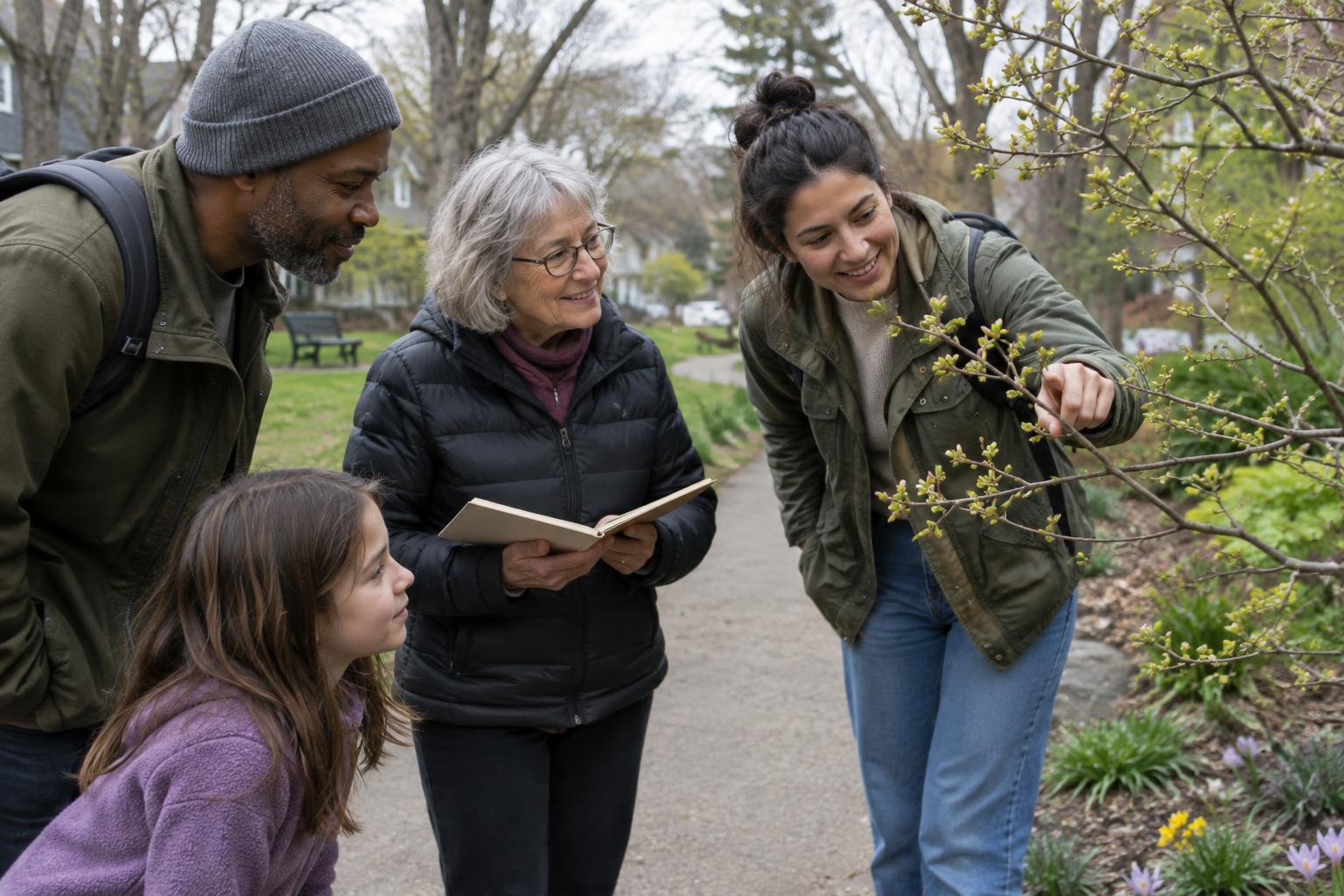
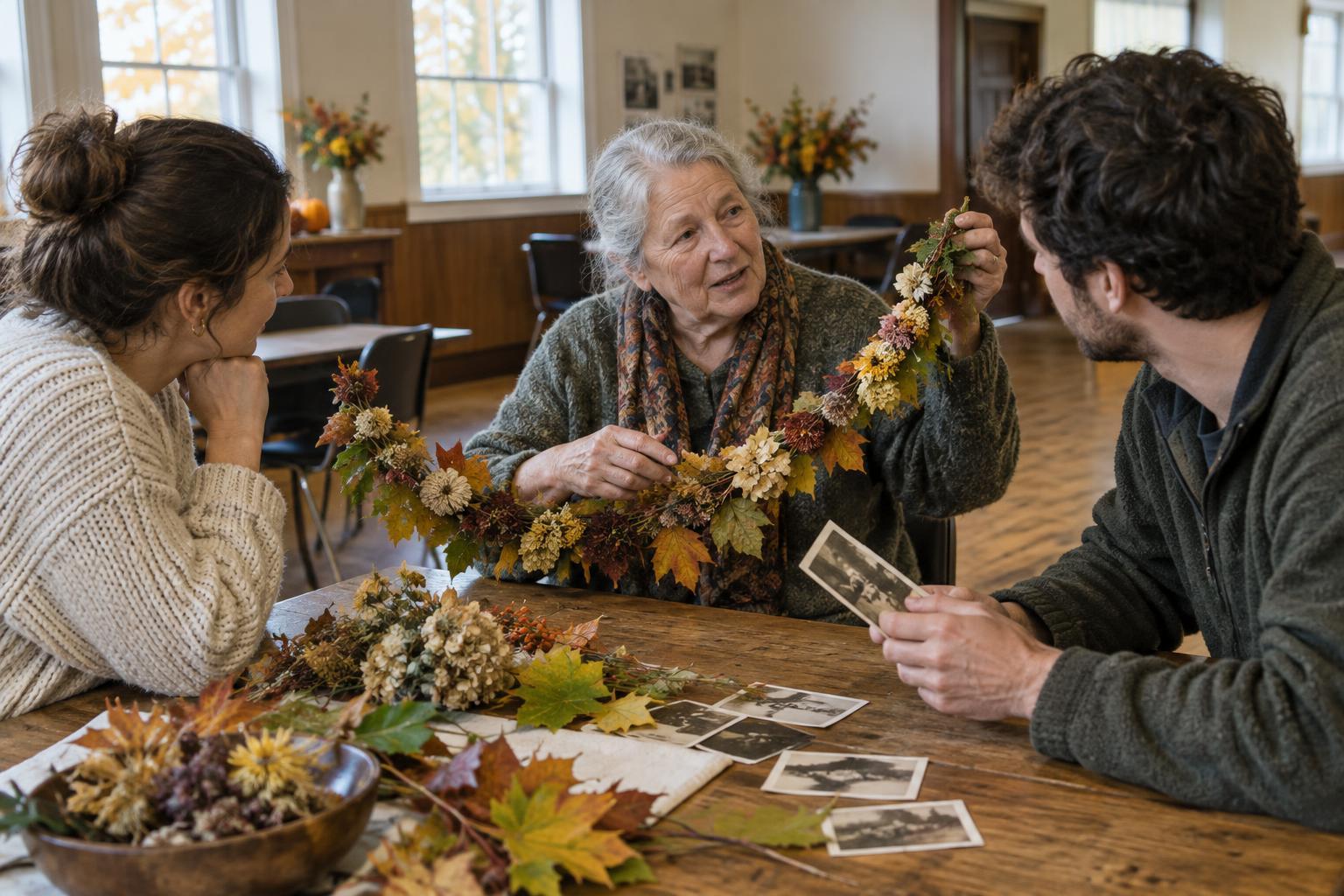
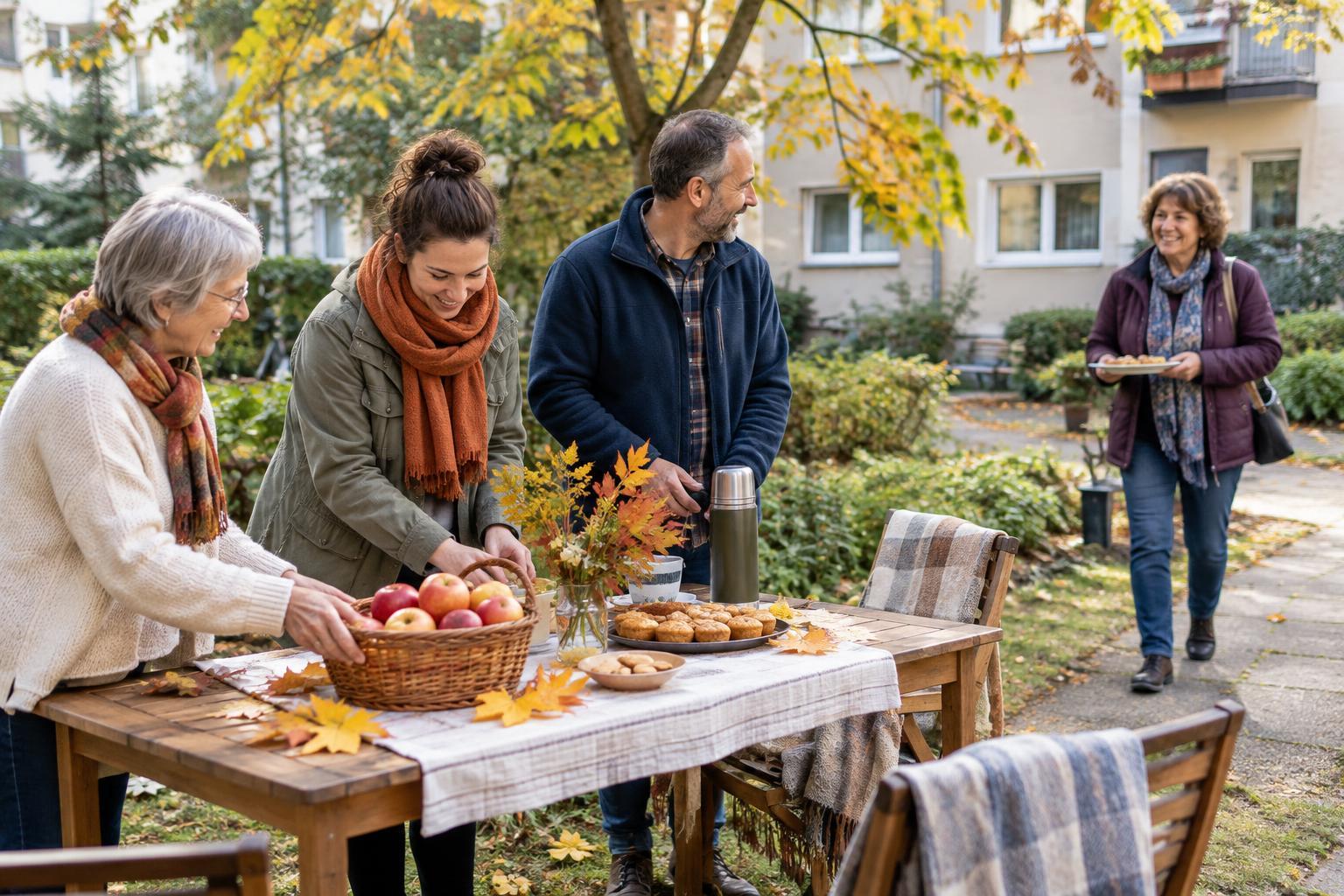
A seasonal tradition can be as small as an autumn leaf walk, a winter recipe exchange, a spring seed swap or a summer evening of porch visits. What makes it a tradition is not the size of the first gathering. It is the chance for neighbors to look forward to doing something familiar together again.
Start by noticing what already happens in your neighborhood. Do people linger outside after a warm day? Do neighbors share extra garden plants or wave from their doorsteps during the colder months? An activity built around those existing habits may be easier to repeat than one that asks everyone to learn a new routine.
Choose one clear purpose before choosing decorations or refreshments. You might want people to meet someone new, mark a change in the season or share something they have made. A simple purpose helps you decide what to keep when time, money or volunteer energy is limited.
Make the first version easy to join
A good first tradition has a low barrier to taking part. Consider an activity that people can enjoy whether they arrive for ten minutes or stay for an hour. Let neighbors know that bringing food, supplies or a guest is optional unless those things are essential to the activity. If children are welcome, say so; if the gathering is intended for adults, make that clear too.
Think through the setting from several points of view. Is the meeting place easy to find? Is there a place to sit? Can someone participate without spending money or walking a long distance? Would a daytime option work better than an evening one? You may not be able to meet every need, but asking these questions early can make the invitation more welcoming.
Keep the invitation plain: what will happen, where to meet, when it starts and what to bring, if anything. A neighbor who understands the plan at a glance is more likely to feel comfortable joining. An informal note or conversation may be enough for a small gathering; use the ways your neighbors ordinarily share news.
Design for an ordinary year
The easiest tradition to repeat is one that still works when the organizers are busy. Pick a modest time window and a short list of tasks. For a seed swap, that might mean choosing a table, inviting neighbors and setting out labels. For a seasonal walk, it might mean agreeing on a meeting point and a route. Anything beyond the essentials can be a welcome extra rather than a requirement.
Plan for predictable changes without trying to control every detail. A rainy-day location, an alternative date or a smaller indoor version can keep an outdoor plan from becoming stressful. If you hope to use a shared space, check what permission or arrangements are needed before announcing it. If the activity depends on a particular person, ask whether someone else could help lead it next year.
After the first gathering, write down the few details worth remembering: what time worked, which supplies were useful and what you would simplify. A short note is more helpful than an elaborate handbook nobody will maintain. The goal is to make next year’s invitation easier to send.
Let neighbors help shape what returns
At the end, ask a few open questions: What part did people enjoy? Was anything hard to join? Would they like to do it again? Listen without treating every suggestion as a promise. A tradition can stay recognizable while changing its location, format or timing to suit the people who take part.
Share the work in small, specific pieces. One neighbor might put up an invitation, another might bring a folding table, and someone else might welcome newcomers. Offering manageable roles makes it easier for people to help without feeling responsible for the whole event. Thank those who contribute, including people whose contribution is simply showing up and making others feel at ease.
Give the tradition room to grow slowly. A quiet first year is not a failure, and a popular year does not mean the gathering must become bigger. If the activity remains enjoyable, affordable and possible to organize, neighbors can return to it in their own way. That steady sense of welcome is worth carrying from one season to the next.