Invite people, not representatives
Seasonal gatherings can help neighbors learn about one another, but a well-meant invitation can carry an uncomfortable expectation. Asking someone to “teach us how your culture celebrates” may make that person feel responsible for describing a wide range of people and practices. No neighbor can do that, and they should not have to. A warmer invitation focuses on the individual: “If there is a seasonal activity, story, food, or custom you enjoy, you are welcome to share it.”
Make it just as clear that sharing is optional. Some people enjoy describing a family practice; others prefer to listen, help set up, or simply spend time together. A tradition may be religious, secular, inherited, newly adopted, or entirely personal. Leave room for all of those possibilities rather than assuming that a person’s name, background, or appearance tells you what they celebrate.
Give the gathering a simple, flexible shape
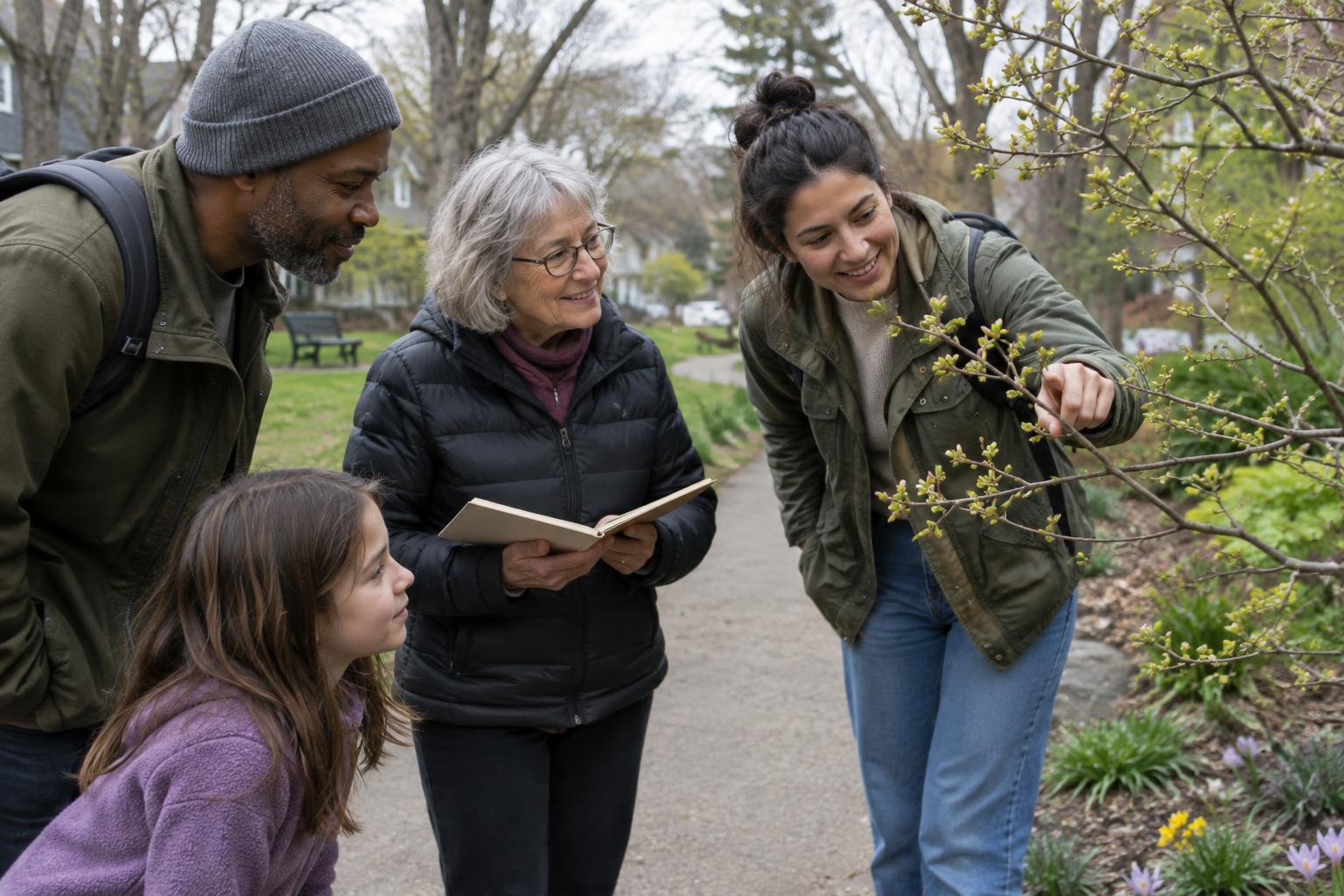
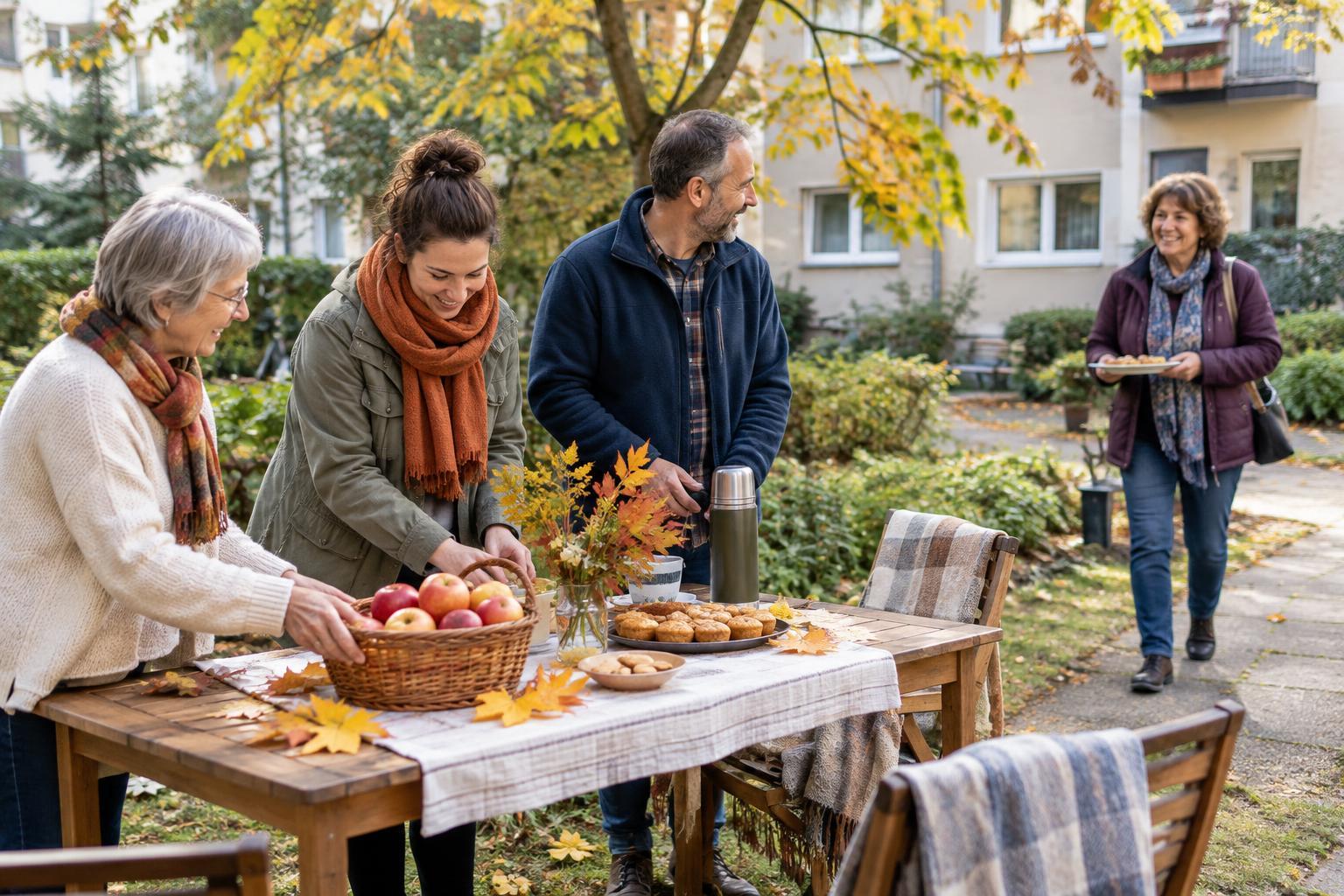
A broad theme can bring people together without requiring everyone to observe the same holiday. Consider “things that brighten the shorter days,” “seasonal recipes and memories,” or “ways we welcome a new season.” Then offer a few easy activities: a shared snack table, a space for written reflections, or a short walk to notice changes outdoors. Guests can join the parts that appeal to them.
When you send the invitation, describe what will actually happen. Say whether guests are being asked to bring anything, whether there will be a group conversation, and how long the event will last. A potluck can be enjoyable, but bringing food should not be the price of entry. If you hope someone will lead an activity, ask them privately and give them a genuine chance to decline. Avoid announcing their participation before they have agreed.
Use questions that leave room for choice
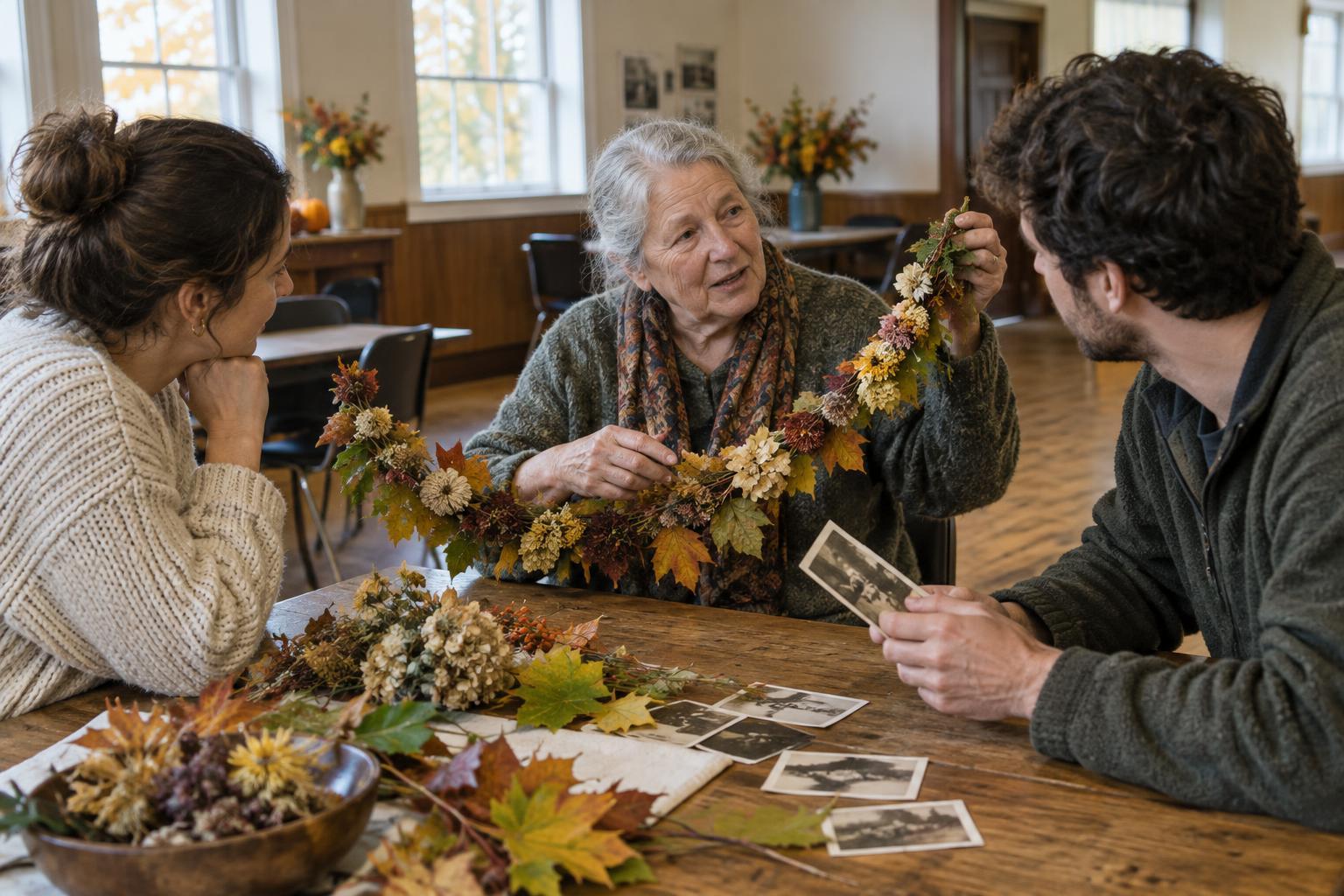
Instead of asking, “What do people from your culture do?” try, “Is there anything you especially like about this time of year?” or “Would you like to tell us about something you brought?” These questions invite a personal answer without suggesting that it is universal. If someone shares a practice, receive it as their experience. You do not need to turn every detail into a lesson for the group.
Follow their lead on further questions. A guest who offers a brief memory may not want to explain its history or meaning. It is fine to say, “Thank you for sharing that,” and move on. If you are unsure whether a question is too personal, you can ask permission first or save it for a quieter conversation. The aim is to make conversation possible, not to collect explanations.
Pay attention to the practical welcome
Small hosting decisions help people participate on their own terms. Label foods with their main ingredients when you can, and provide options that do not require guests to guess what is in a dish. Include a place to sit away from the busiest activity. If the gathering involves music, candles, prayer, or a shared ritual, describe that in advance so people can decide whether and how to take part. Be mindful that guests may have different mobility needs, schedules, and comfort levels with noise.
A host can also set a gentle tone at the start: everyone is welcome to share a personal tradition, make a new one together, or simply enjoy the company. If a guest makes a sweeping claim about another group, avoid putting someone from that group on the spot to correct it. You can steer the conversation back to individual experience: “Families and neighbors may do things differently; let’s leave room for that.”
Let relationships matter more than the program
The most meaningful part of a seasonal gathering may be an ordinary exchange: learning a neighbor’s preferred name, helping carry a chair, or discovering that you both enjoy the same winter walk. Leave unstructured time for those moments. A crowded schedule can make guests feel as though they are there to perform; a little breathing room lets them choose how to connect.
Afterward, thank people for coming rather than singling them out for what they contributed. If you would like to repeat a shared activity, ask before using someone’s story, recipe, or idea again. Over time, neighbors may suggest traditions of their own or invent something new together. That is a good measure of a welcoming gathering: people feel free to participate as themselves, without having to stand for anyone else.