Start with curiosity, not a ready-made story
A lantern walk, harvest meal or winter gathering may look familiar at first glance. Yet the same activity can carry different meanings from one neighborhood to the next. Before joining in, notice what the organizers call the custom, who hosts it and how they describe its purpose. A short event notice or welcome message can be a useful starting point, but it may not tell the whole story.
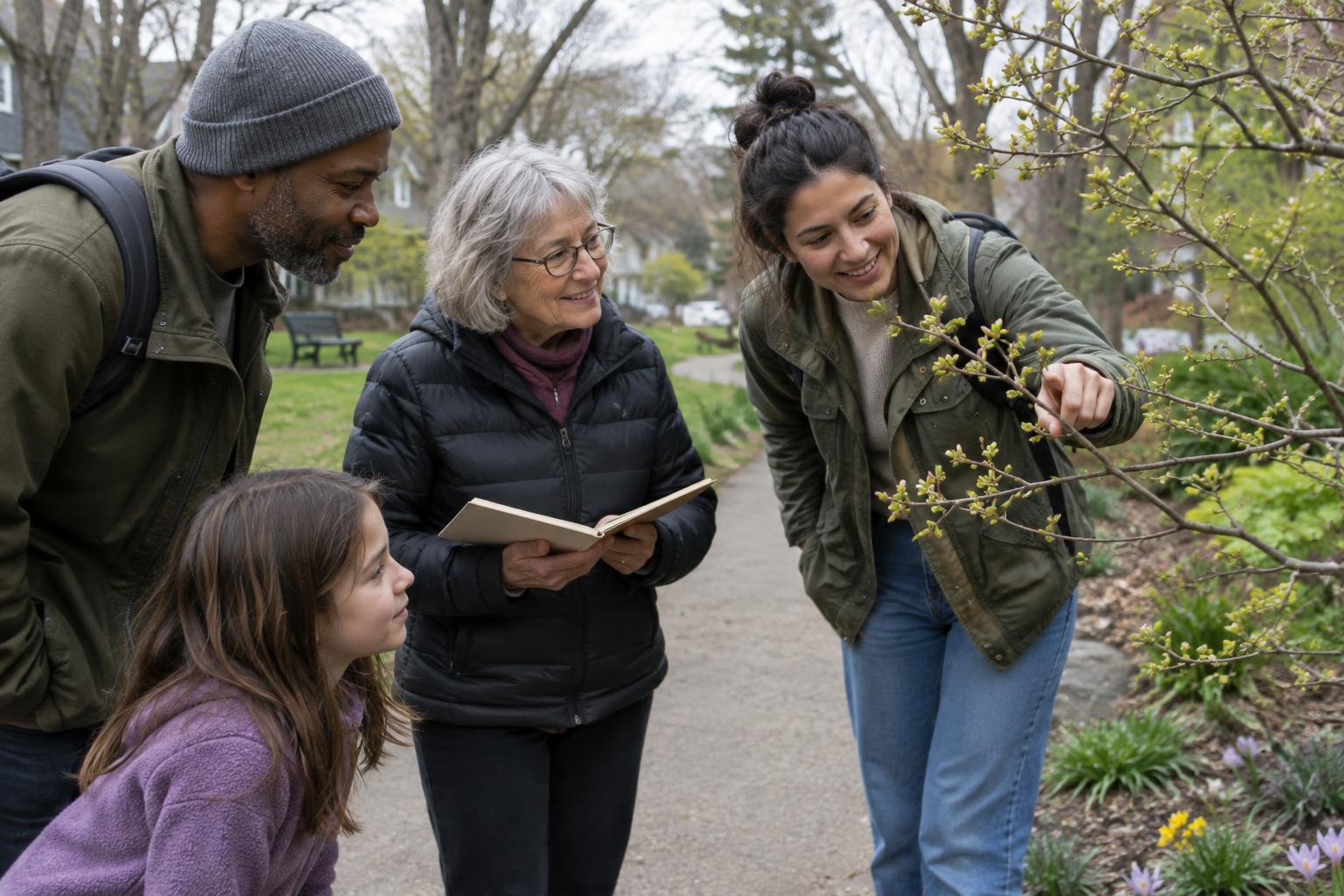
Try setting aside assumptions based on similar celebrations elsewhere. A custom might have begun as a family practice, a way to mark the changing season or a project shaped by several groups over time. You do not need to uncover a single, perfect origin before participating. The aim is to understand enough to arrive with care and to recognize that the people who maintain the tradition may know it in different ways.
Ask the people who carry it forward
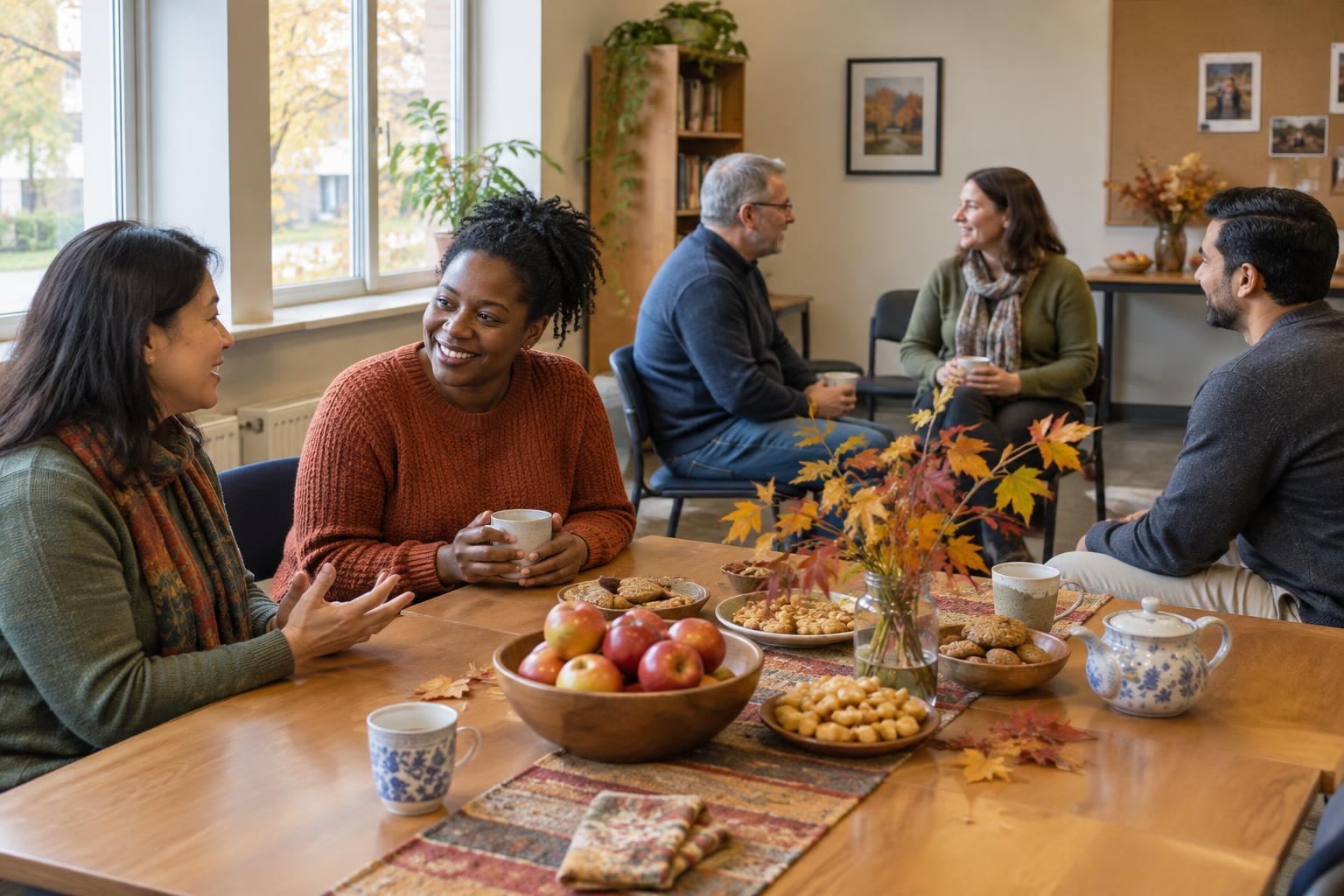
If an organizer welcomes questions, ask what first drew them to the custom and what they hope newcomers will understand. Open questions tend to invite better conversations than requests for a quick definition. You might ask, “What does this gathering mean to your group?” or “Has the way you celebrate changed over the years?” Give people room to answer briefly, especially when they are busy preparing an event.
Look beyond the most visible host when possible. Longtime participants, volunteers, neighbors and younger members may notice different parts of the story. Listen without treating any one person as a spokesperson for everyone. If someone shares a personal memory, ask permission before repeating it in a public post or retelling it as the definitive history of the custom.
Look for context in local records
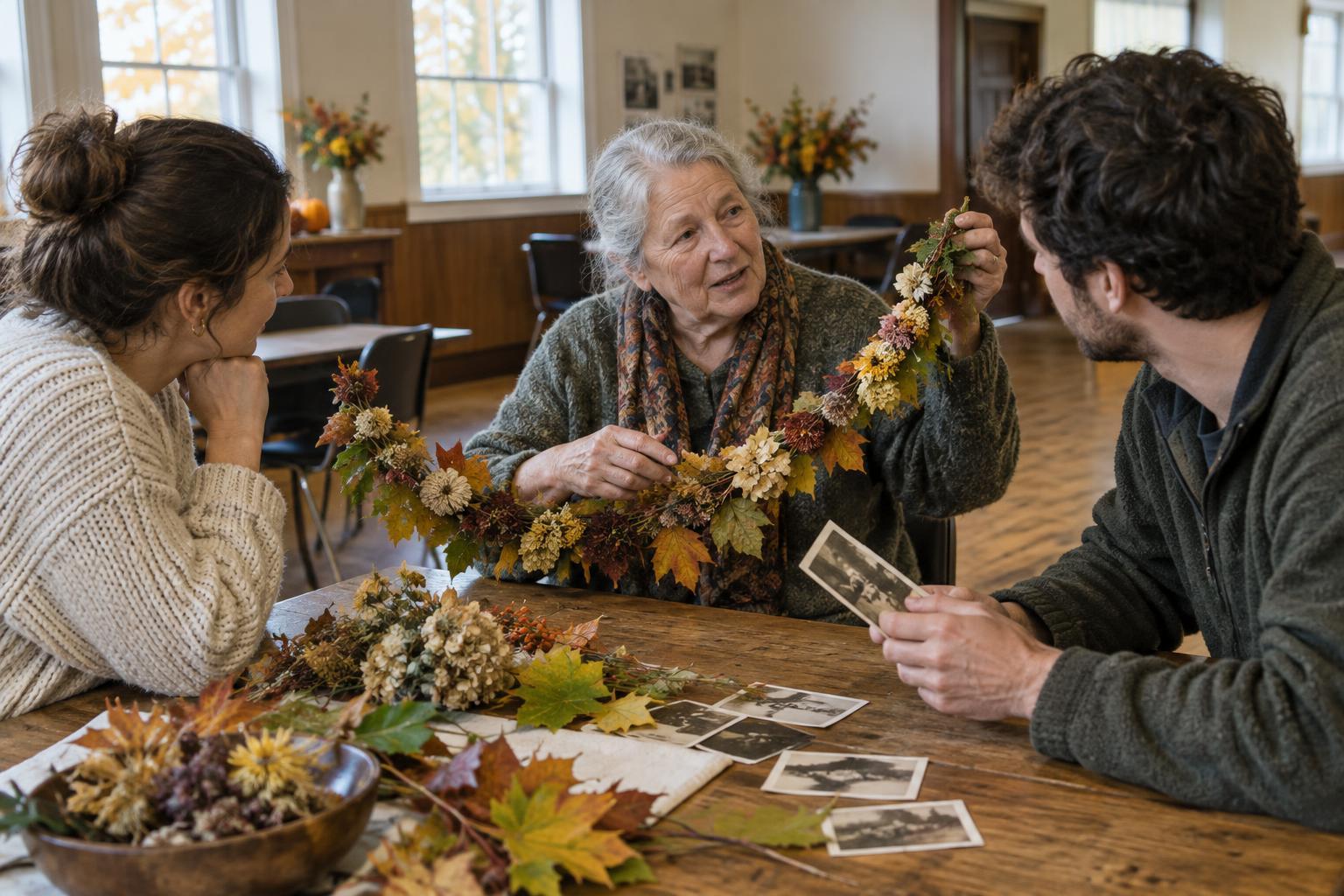
Community newsletters, library collections, neighborhood archives, event programs and old photographs may offer clues about how a custom developed. Pay attention to dates, names and descriptions, but also to what a record cannot show. A photograph may document that a gathering happened without explaining why it mattered. An old announcement may reflect the organizers’ intentions while leaving out the experiences of other participants.
Compare what you find with what people remember today. Changes in location, food, music or activities do not necessarily mean a tradition has lost its identity; adapting may be part of how it continues. If accounts differ, keep the difference in view rather than forcing them into one tidy timeline. “Some participants remember it this way” is more careful than presenting a disputed detail as settled fact.
Learn the expectations before you arrive
History is only part of preparation. Find out whether the gathering is open to visitors, whether a portion is private and whether guests are expected to register, bring food or help with setup. If there are songs, prayers, memorial moments or other meaningful practices, ask whether newcomers are invited to join, observe quietly or choose either option. Following the hosts’ guidance is more considerate than copying what others do without understanding it.
Think about photographs, too. A public invitation does not automatically make every person or moment available for posting. Check event guidance and ask before photographing individuals or sharing images of a sensitive activity. If you would like to contribute, ask what help is useful rather than arriving with an activity of your own. Small practical tasks can be a welcome way to participate while learning.
Take part with humility, then keep listening
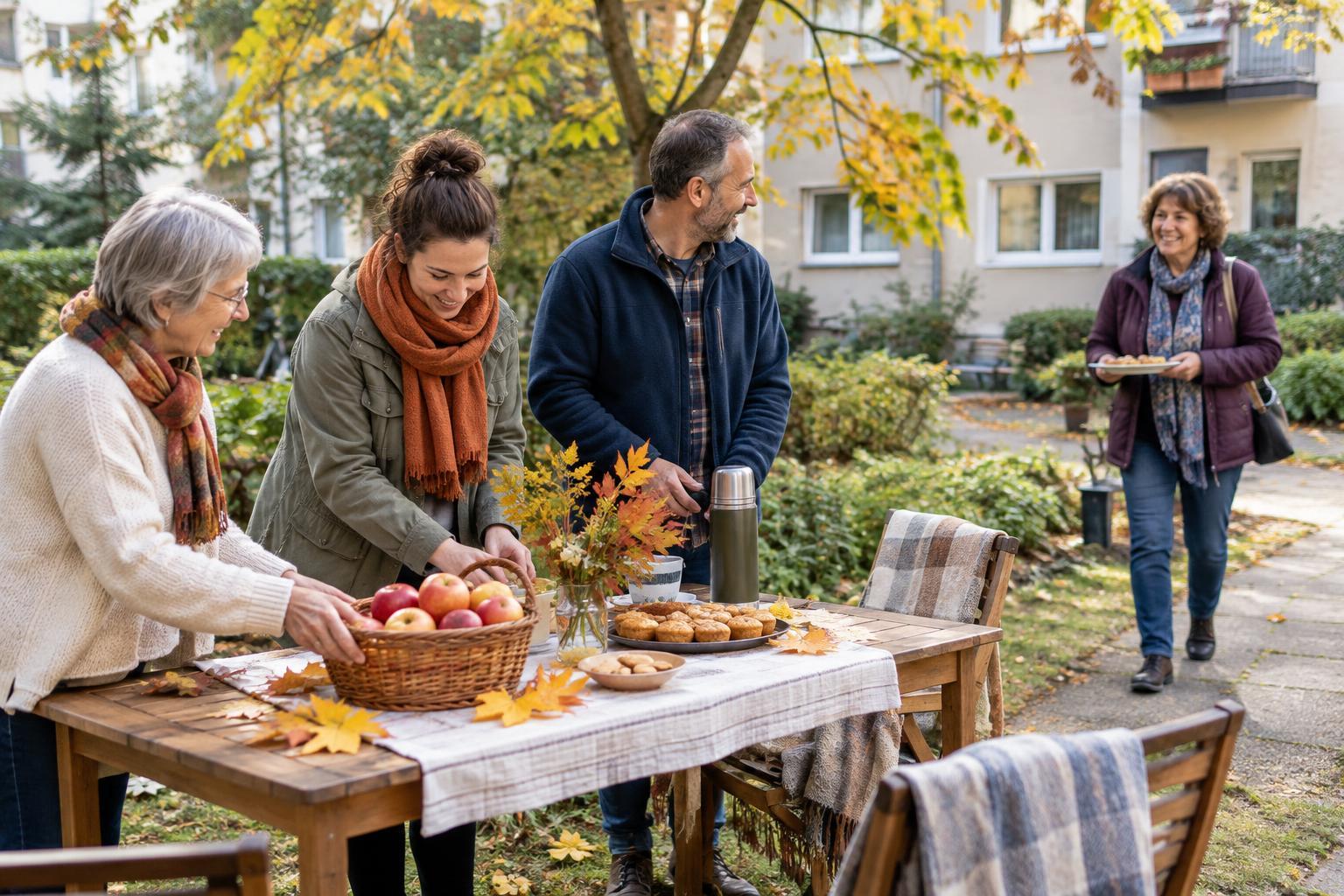
On the day, arrive ready to follow the event’s pace. Introduce yourself, thank the people who have prepared it and be willing to listen more than you speak. If you are unsure what to do, a quiet question is usually better than a confident guess. Participation need not mean taking the lead: helping set out chairs, sharing a meal when invited or simply being an attentive guest can all be ways to join respectfully.
Afterward, reflect on what you learned and what remains unclear. If you tell a friend about the experience, distinguish what you saw from what someone told you, and avoid speaking for the whole community. A seasonal custom may reveal more of its meaning over repeated visits and conversations. Learning its history is not a task to finish before the event; it is a way of building a more thoughtful relationship with the people who keep it alive.