Let the season set the schedule
The first sign of spring is not always a flower. It might be a longer stretch of daylight after dinner, birdsong on a familiar street or a patch of ground that has softened enough to show new growth. These changes arrive at different times in different places, and even neighbors may notice different things. That is part of the pleasure of paying attention together.
Instead of choosing a date when spring is supposed to begin, try making a tradition of checking in with one familiar place. A tree outside a library, a planter near an apartment entrance or a view from a shared window will do. Visit or look at it every week or two, without expecting a discovery each time. The small changes become easier to see when the place stays the same.
Take a short, repeatable noticing walk
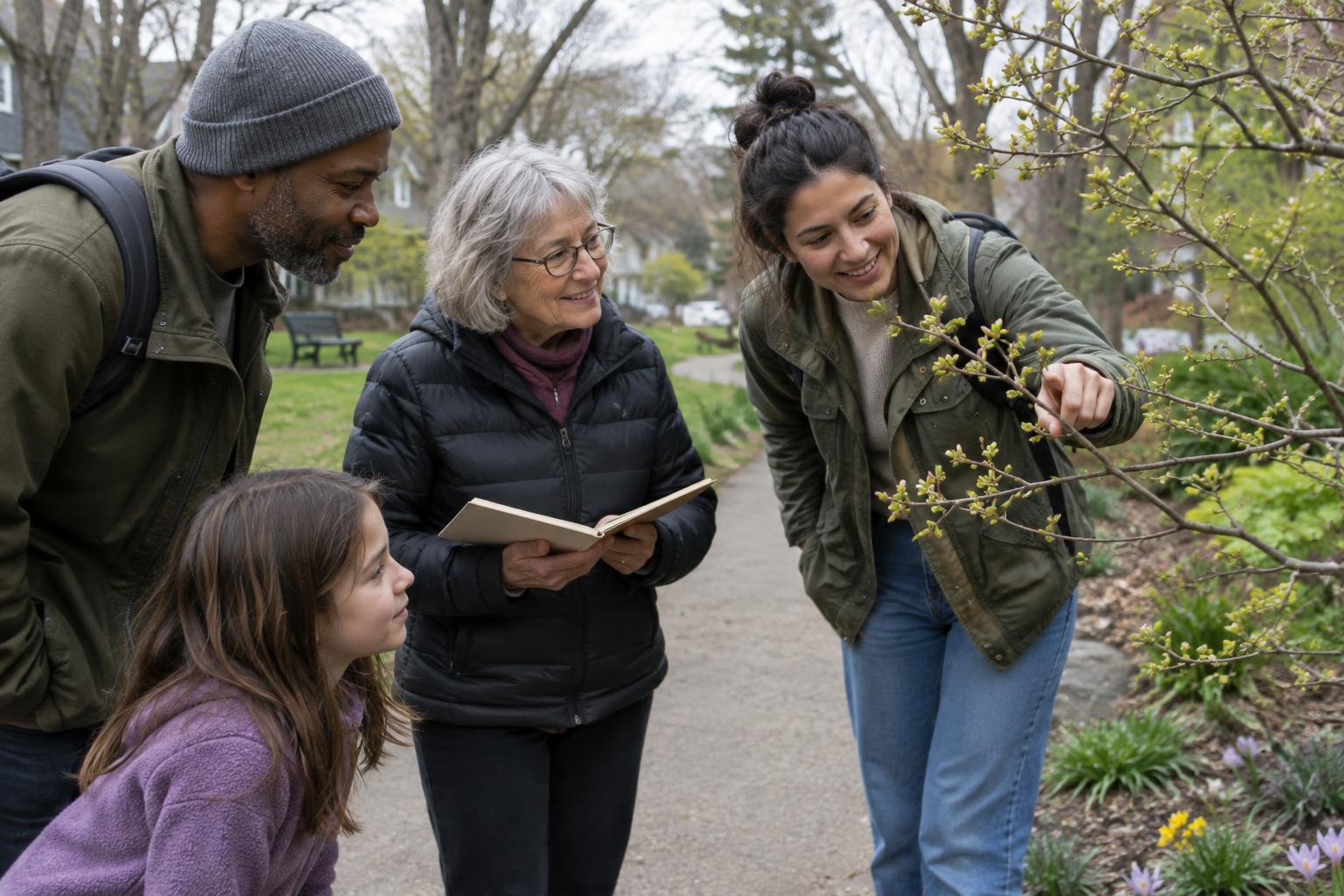
A spring walk need not be a hike or a long planned outing. Choose a route that people can comfortably complete, with places to pause and a clear starting point. Invite each person to bring back one observation: a new leaf, a different smell in the air, a sound or a change in the light. Children may be drawn to puddles and tiny plants; adults may notice the return of activity on porches or paths. All of these count.
Repeating the same route can turn an ordinary errand into a seasonal ritual. Keep the invitation flexible: people can join for a few minutes, travel at their own pace or share what they saw from a doorway or window instead. If a route is not accessible to everyone, let participants suggest another way to take part. The point is to notice together, not to cover a particular distance.
Leave growing things where they are, especially in shared or public spaces. A photograph, a sketch or a few words can preserve an observation without removing a flower or disturbing a small habitat.
Keep a record that welcomes many voices
A shared spring notebook makes a gentle companion to a walk. Set one on a community table, pass it among friends or use a simple message thread. Ask an open question such as, “What told you the season was changing this week?” A brief answer is enough. Someone might note the first time they opened a window; someone else might describe a tree they pass every morning.
Leave room for drawings, favorite seasonal memories and observations that do not sound cheerful. Spring can bring muddy paths, changing routines or a sense of restlessness as well as fresh color. Allowing the record to hold all of that makes it more honest and more welcoming. Over time, reading the entries together can reveal how many ways there are to experience one season.
Make room for a simple gathering
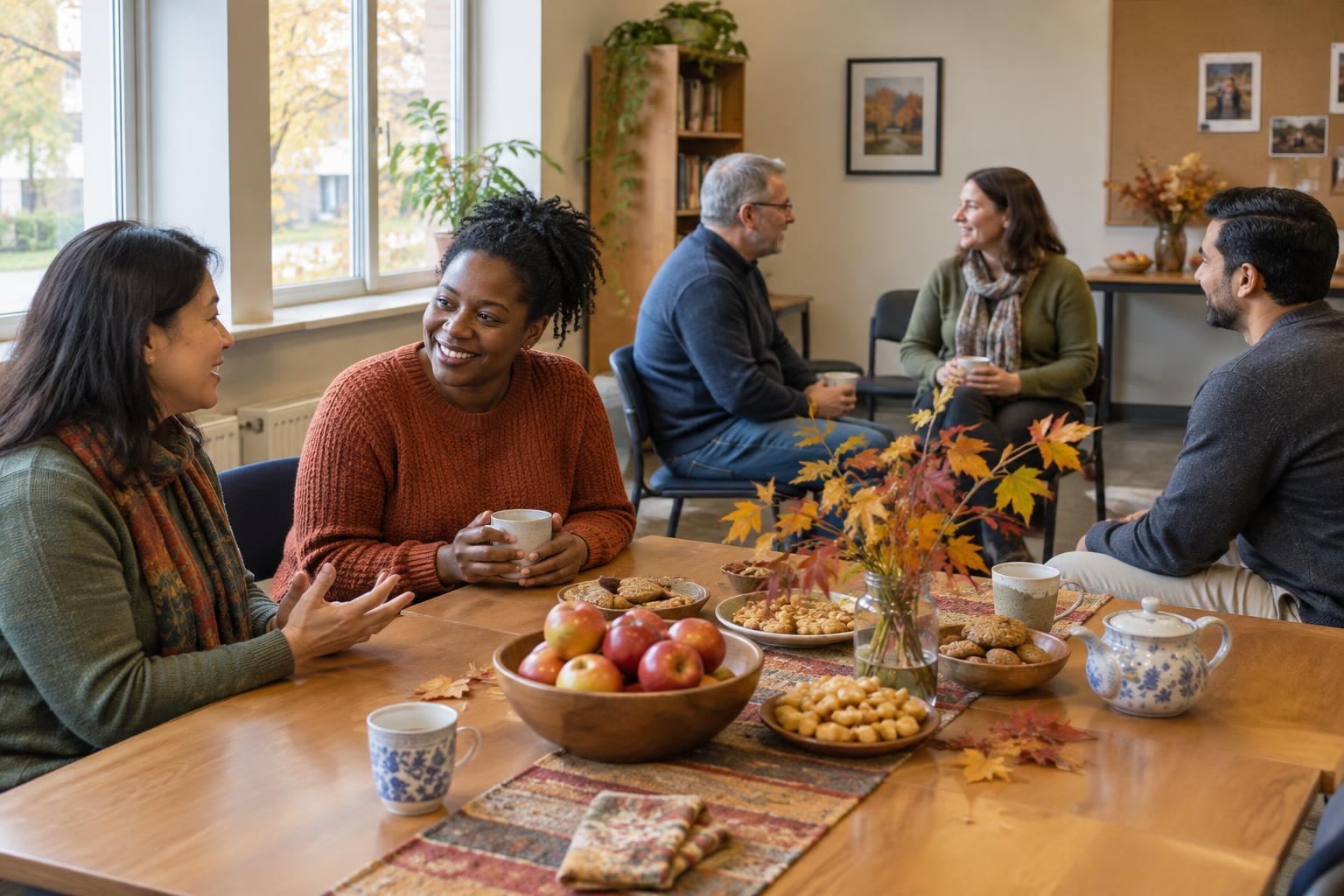
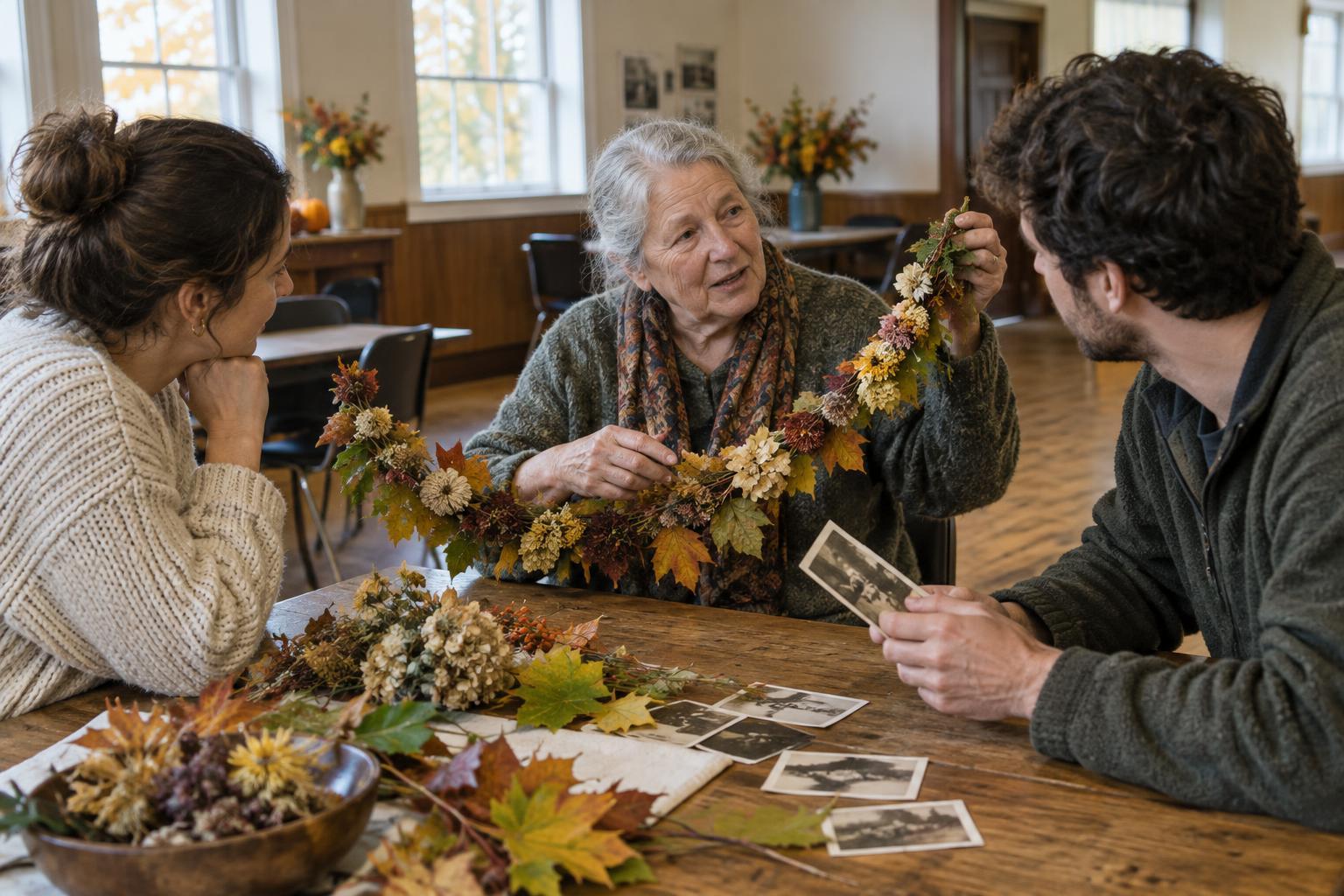
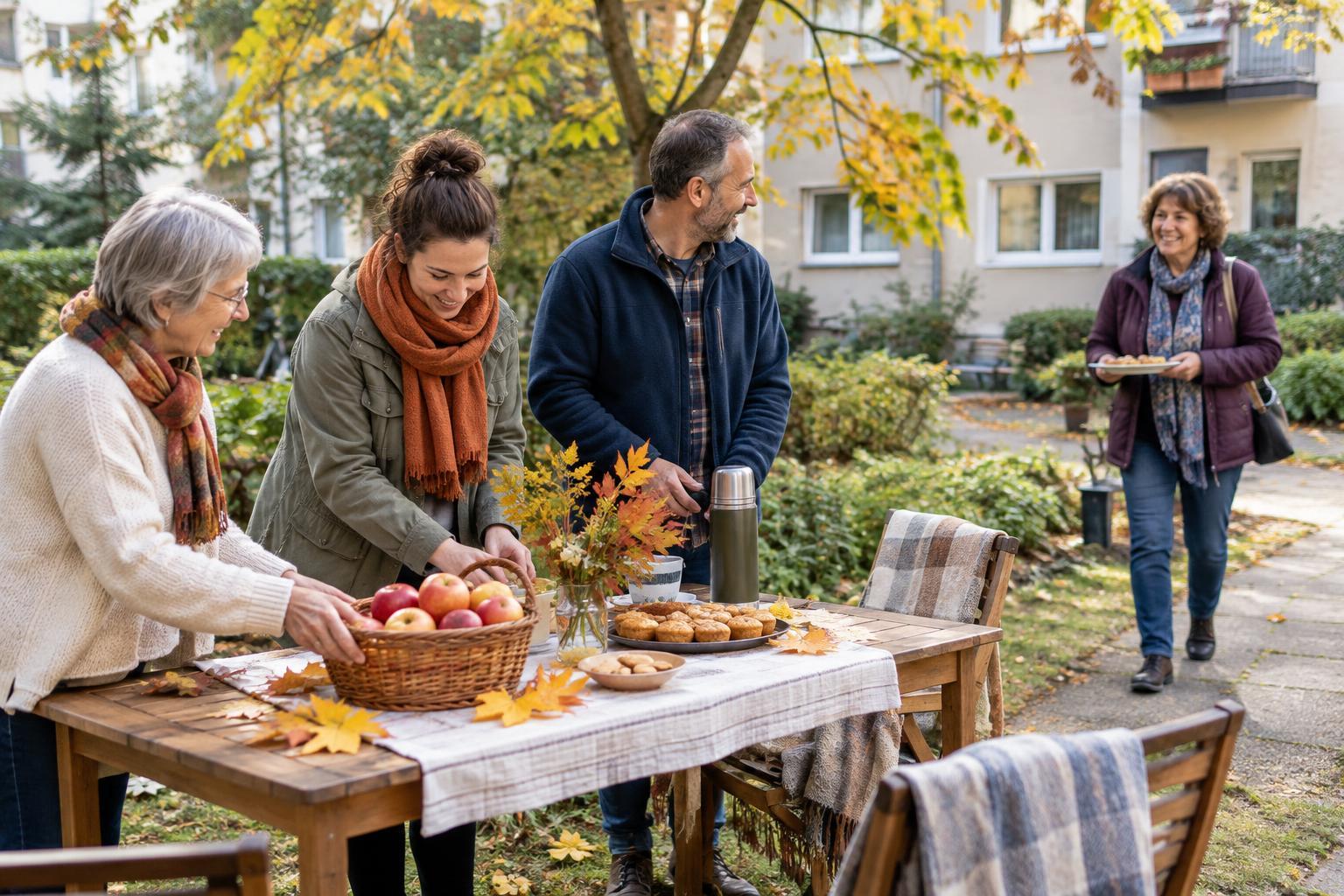
Once people have begun noticing, offer a low-key chance to share what they found. A pot of tea, a jug of water and a place to sit may be enough. Invite neighbors to describe one sign of spring or bring a drawing they made. No one needs to prepare a presentation, and listening is a form of participation too.
You could pair the conversation with a small shared task, such as tidying an existing community planter or sorting supplies for a future neighborhood project. Check who cares for the space before making changes, and keep the task optional. A gathering feels more hospitable when people can simply come to talk, rest or meet someone new without being assigned a job.
If food is part of the occasion, simple choices and clear ingredient labels help guests decide what works for them. An invitation that says when the gathering will end can also make it easier for people to drop by without committing an entire afternoon.
Let the tradition stay small
A tradition does not need matching decorations or a large turnout to matter. It can be the neighbor who asks, “What have you noticed lately?” or the annual habit of looking again at the same tree. If a walk is rained out or only two people come to a gathering, the tradition has not failed. It has simply taken a smaller shape that day.
At the end of the season, ask what people would enjoy repeating. Keep the parts that invited curiosity and connection, and let the rest go. Spring will look a little different next time. Having an easy way to notice it together gives everyone a reason to look up, slow down and share what they see.