Start with the place, not the paperwork
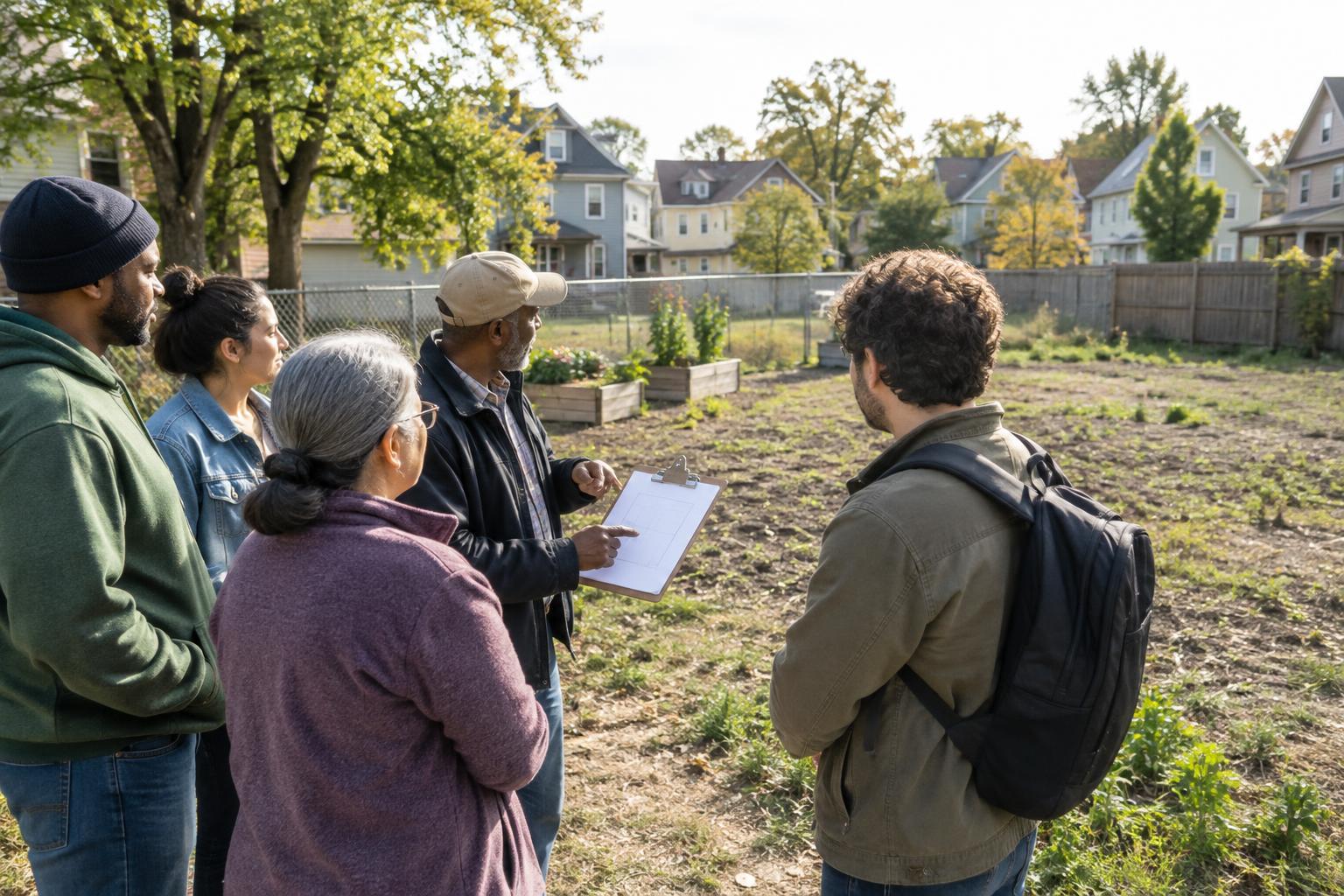
Community projects often start with a simple invitation: plant flowers beside a path, paint a welcoming mural or hold a gathering in a shared space. Before buying supplies or announcing a workday, pin down exactly where the project will happen. A few feet can make a difference if a plan crosses from a privately owned yard onto a sidewalk, park or other public space.
Make a short description of the site and the proposed activity. Note whether volunteers will dig, paint, install anything, use electricity, serve food, put up signs or invite a crowd. Include the planned dates and what will remain afterward. This description gives property owners and local offices something specific to respond to, rather than a broad idea they may interpret differently.
Know whose permission you need
Property permission answers a basic question: has the person or organization responsible for this space agreed to its use? A neighbor may welcome a planting bed on their land; a school, business or community organization may have its own approval process. For public spaces, the relevant office may depend on whether the site is a park, street, sidewalk or other property. If ownership or responsibility is unclear, ask before assuming that an open-looking space is available.
Once you find the right contact, explain the plan and ask for permission in writing. A simple email can record the location, dates, activities and any conditions, such as where supplies may be stored or when the site must be cleaned. Also ask who can approve changes if the project grows. Verbal encouragement is useful, but a written record helps everyone remember what was agreed.
Permission to use a site is not necessarily permission to alter it. A gathering on a lawn and a permanent bench on that lawn may need different approvals. If volunteers will work near buried lines, trees, drainage features or buildings, pause until the people responsible for the property have reviewed those details.
Check whether a permit applies
A permit is an approval that a local authority may require for a particular activity. Requirements vary by location and by project. Temporary events, work in streets or sidewalks, structures, electrical work, signs and food service are examples of activities worth asking about. A property owner's consent does not automatically replace a required permit, and a permit does not replace the owner's consent.
Start with the local government's general contact point or the department that oversees the space or activity. Describe the project plainly and ask which office handles it, what information is needed and how much lead time to allow. If the first person cannot answer, ask for the appropriate contact rather than guessing. Keep notes on what you were told and check any application instructions before setting a public date.
This is a planning step, not a reason to abandon a modest idea. If the original plan is too complicated, consider a smaller version: portable decorations instead of a permanent installation, for example, or a gathering at a venue already set up to host groups. Confirm that the revised plan is acceptable rather than assuming the change removes every requirement.
Make the agreement useful to volunteers
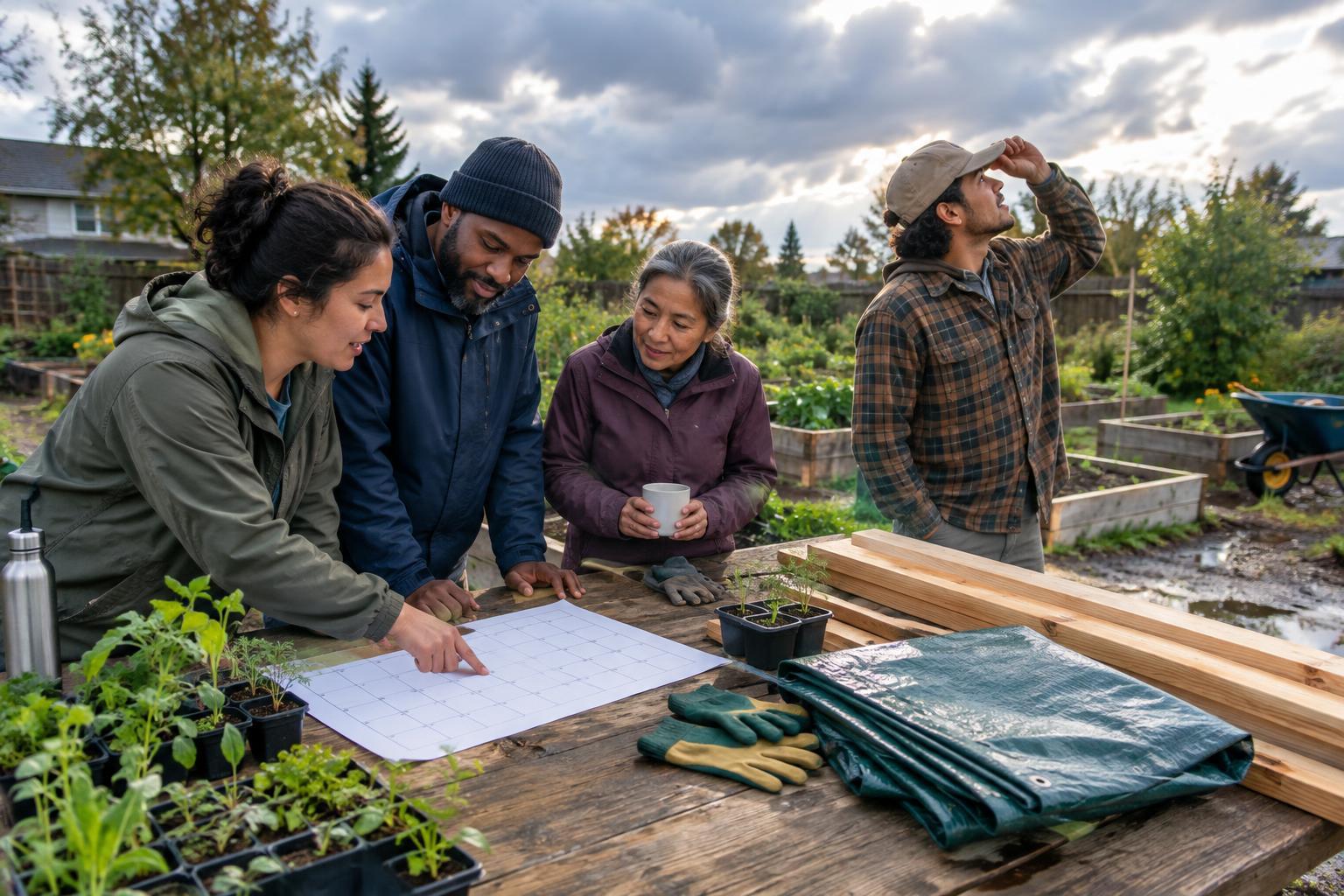
Clear permission should lead to a clear work plan. Decide who will be the main contact for the property owner, who will submit any applications and who will tell volunteers what they may and may not do. Share practical boundaries: the approved work area, hours, access points, cleanup expectations and any limits on tools or materials. A simple sketch can be more helpful than a long email when a project involves several nearby spaces.
Think beyond the workday, too. Who will water a garden, remove temporary signs, repair a painted surface or take down an installation if it wears out? If no one can maintain a feature, a short-lived project may be the kinder choice for both the site and its caretakers. Agreeing on an end date or review point can prevent a cheerful project from becoming an unexpected obligation.
Leave room for a good conversation
Questions about permission can feel like obstacles when volunteers are eager to help. They can also reveal useful concerns early: access for neighbors, noise, visibility, regular maintenance or other plans for the space. Listen without treating every question as a rejection. A revised location, schedule or design may serve the same community goal while working better for the people who use the area every day.
Before announcing the project, keep a brief folder with the site description, written permission, any required approvals and contact names. Then volunteers can arrive knowing what is planned and whom to ask if something unexpected comes up. Taking time to confirm the basics protects the welcoming spirit of a community project: people can contribute with confidence, and the shared space receives the care it deserves.