Begin with a decision people can influence
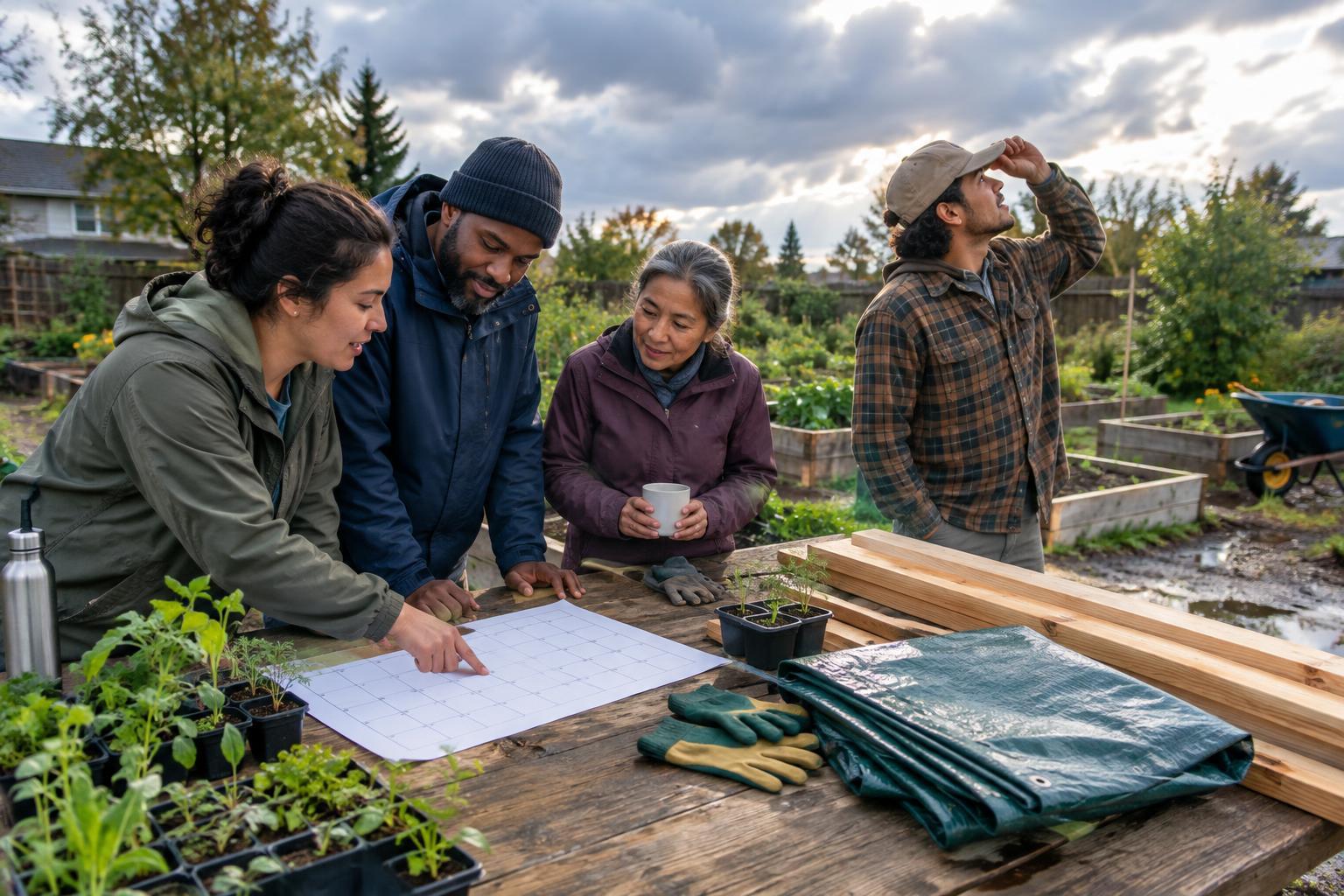
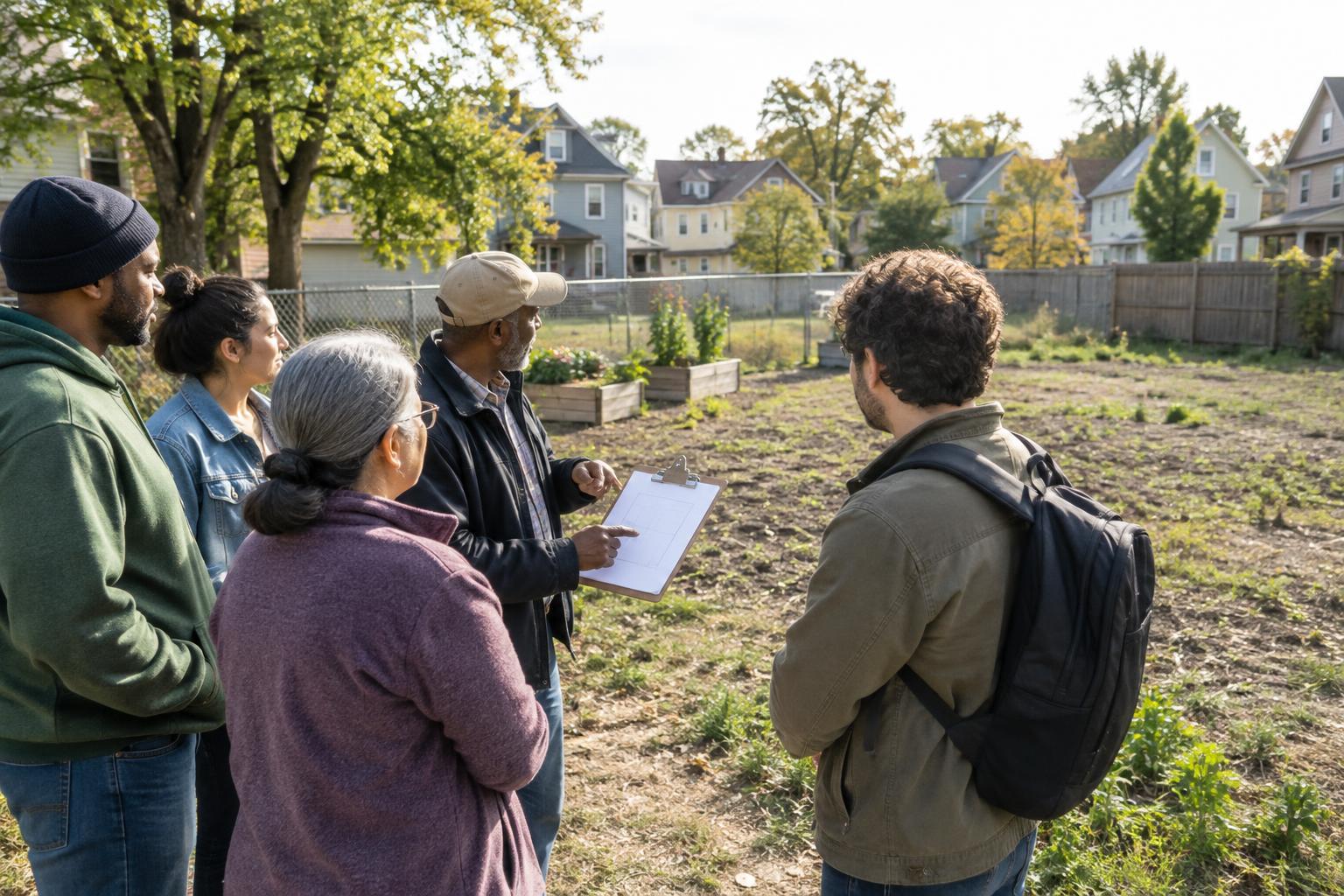
A general request for “community input” can produce a long list of wishes without helping anyone decide what to do next. Before asking for feedback, name the project, the choice at hand, and any real limits. A group planning a shared garden, for example, might be able to choose its opening hours and first planting beds but not move the site. Saying so gives residents a fair chance to spend their attention on decisions that are still open.
Keep the first questions simple and specific. Ask what people would use, what might prevent them from participating, and what concerns they want planners to consider. Include an open question for ideas you did not anticipate. Avoid asking residents to rank polished proposals so early that they can no longer raise a different need.
Offer more than one way to respond
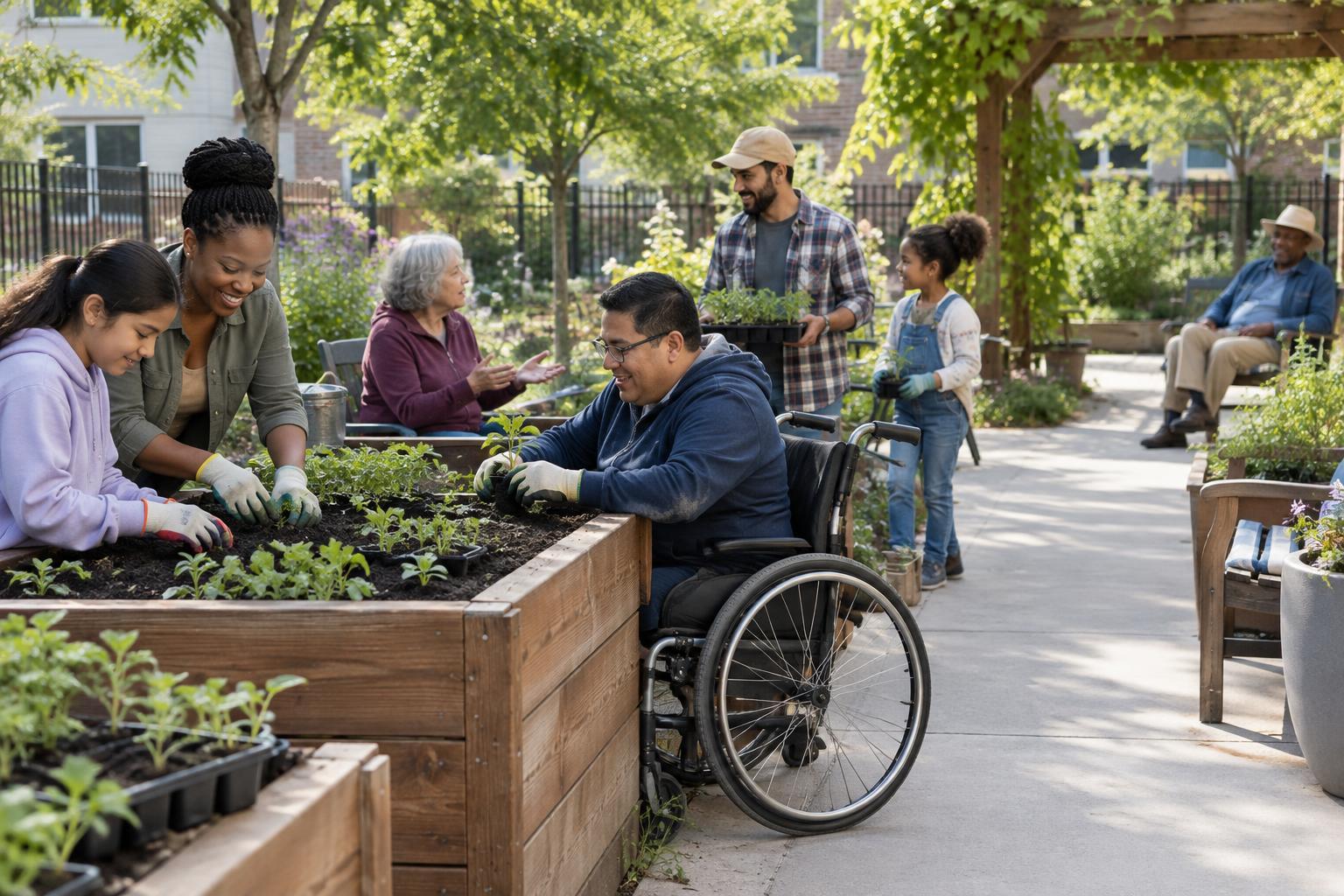
A public meeting is useful for discussion, but it should not be the only doorway into a project. Work schedules, transportation, caregiving, language, mobility, and comfort speaking in a group can all affect who attends. Pair a meeting with a short paper form, a phone contact, or a simple online option if the group can manage them. Give people enough time to respond without stretching the process so long that the project stalls.
Bring the invitation to places residents already visit, with permission from those who run them. A notice at a community gathering, a conversation at a project workday, or a paper form available at a local meeting place may reach people who would never see an online post. Use plain language, explain how to participate, and say when feedback is due. If translations or other accommodations are feasible, ask what would make participation easier rather than guessing.
Make meetings safe for quieter contributions
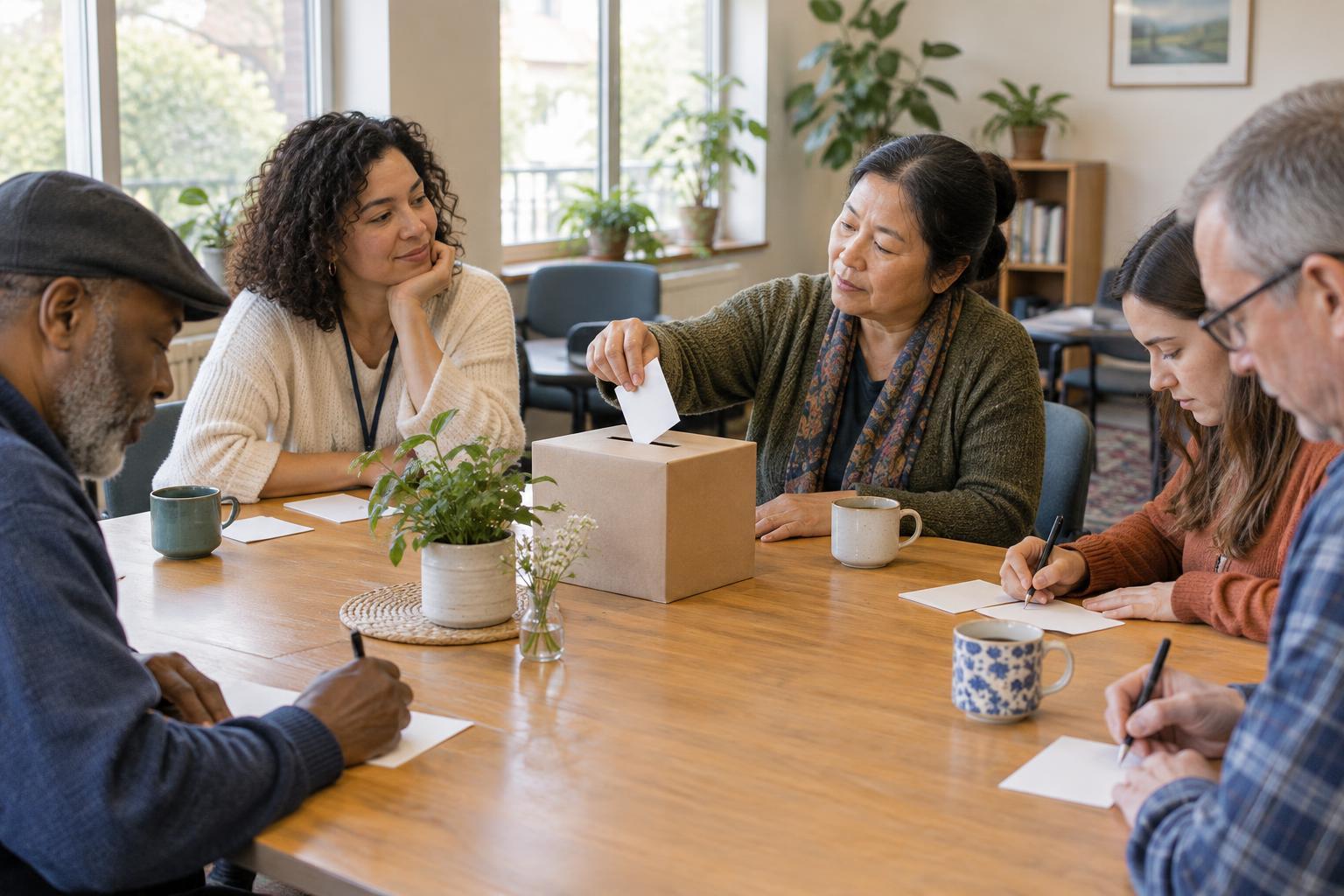
At an in-person discussion, a few confident speakers can unintentionally set the whole agenda. A facilitator can begin with a brief explanation of the decision, then give everyone a minute to write down thoughts before open discussion. Going around the room once, with the option to pass, helps prevent the first comments from defining what everyone else feels able to say. Smaller groups can make it easier to share an unfinished idea.
Set a respectful time limit for comments and apply it consistently. Rather than allowing a back-and-forth between the same two people, the facilitator can ask who has not spoken yet. Do not put someone on the spot or treat silence as agreement. Provide a way to submit a note afterward; people sometimes think of their most useful question on the way home.
Read responses for patterns, not volume
When feedback comes in, separate the number of times an idea appears from the force with which it was expressed. One lengthy comment may identify an important barrier; several similar comments may show a common preference. Neither should automatically settle the issue. Look for recurring needs, practical concerns, and differences between people likely to use the project in different ways.
Be careful about what the responses can tell you. A handful of forms or a well-attended meeting does not necessarily represent the whole neighborhood. If a group seems missing, consider a modest follow-up invitation before deciding. Keep personal details out of public summaries unless people have clearly agreed to share them, and avoid publishing comments in a way that makes a resident easy to identify.
Close the loop with a clear next step
Residents are more likely to trust a feedback process when they can see what happened after they spoke. Share a short summary of the main themes, the choice the project group made, and the reasons for it. Name at least one concern the group could not address yet. If the plan changed because of feedback, say how; if it did not, explain the constraint without dismissing the people who raised the issue.
Finally, tell residents what happens next and where they can continue to ask questions. Feedback is not a promise that every suggestion will be adopted. It is a commitment to listen carefully, make decisions transparently, and leave room to adjust as the project becomes part of everyday neighborhood life.