Begin with a passage, not a destination
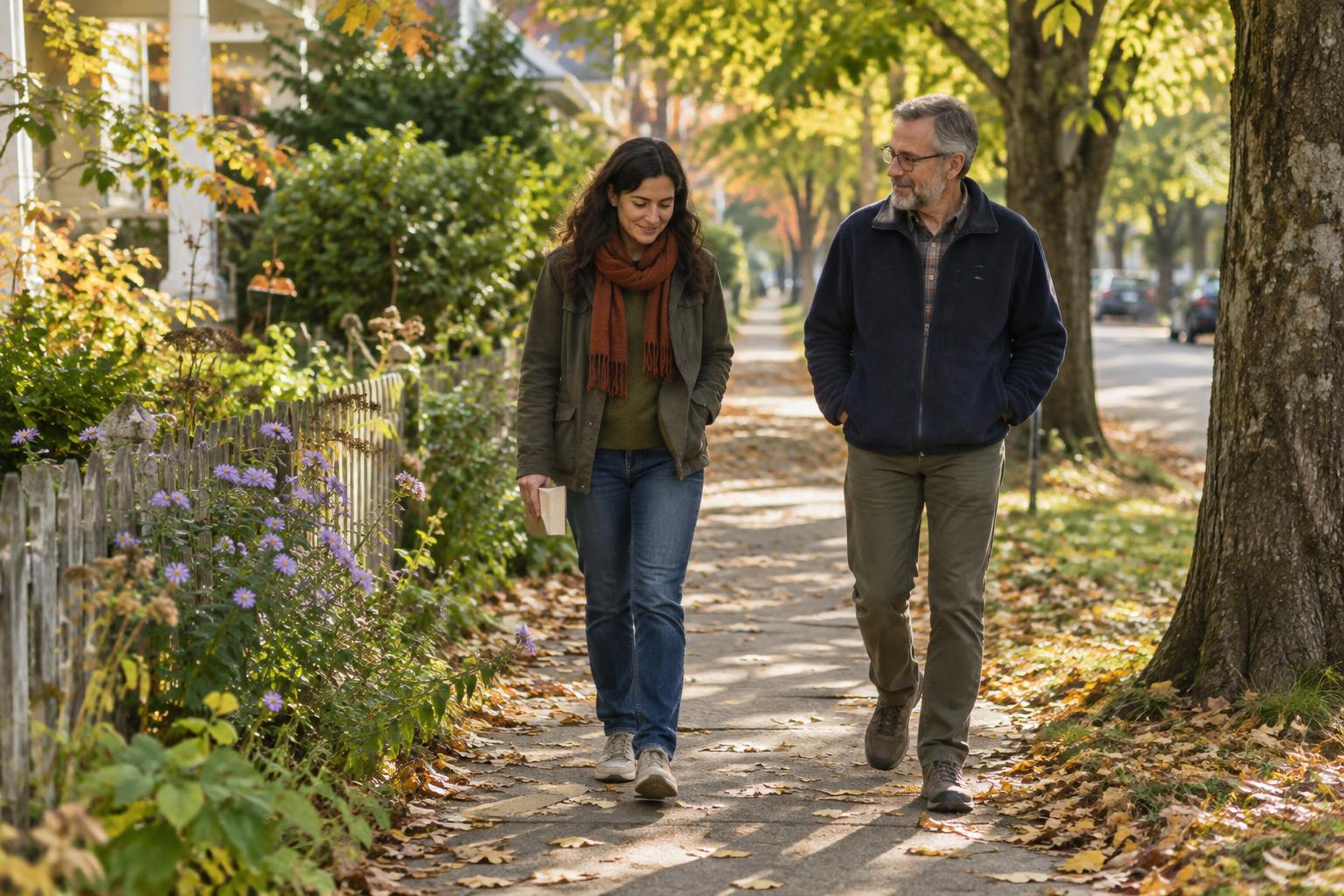
A reflective walk does not require a scenic trail. A familiar block, a public garden, or a route to the library can offer plenty to notice. Nature writing helps by lending you a way to look: a writer may linger over a patch of shade, a change in the air, or the way plants find room beside a path. The aim is not to find the same details outside your door. It is to become curious about the details that are there.
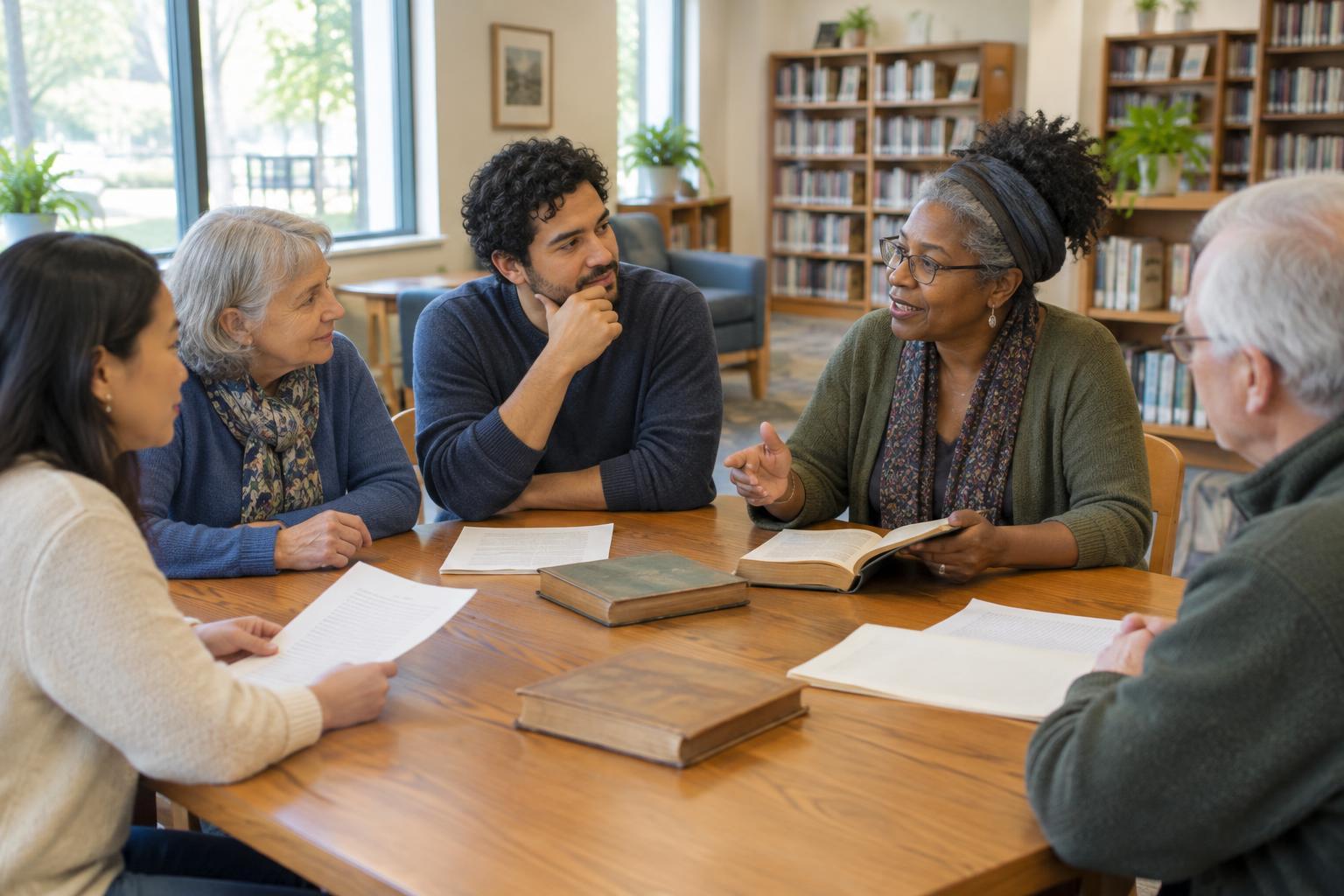
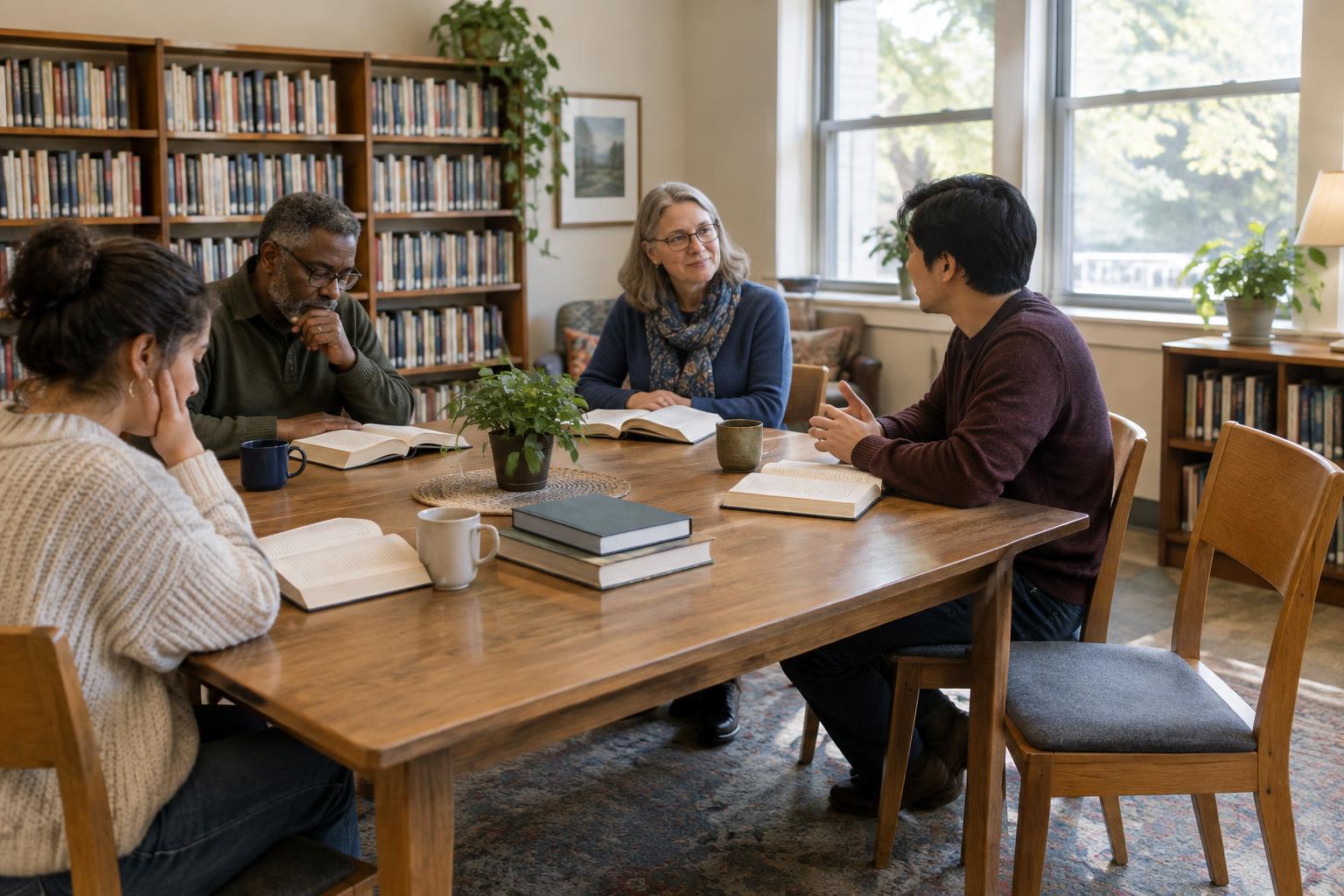
Before you go, choose a short passage you can read in a few minutes. An essay excerpt, a poem, or a page from a book you already own is enough. Look for language that invites observation rather than a checklist of sights to find. Read it once for pleasure, then carry one question into the walk: What did the writer pay attention to that I usually pass by?
Choose a route that leaves room to pause
Pick a route that suits your time, energy, and comfort. A short loop can be more useful for reflection than a long walk you feel pressed to finish. Think about places where you can stop without blocking anyone’s way, such as a bench or a wide stretch of public path. If you are walking with others, agree on a meeting point and a pace that allows everyone to participate comfortably.
The same practice can take different forms. You might use a mobility aid, sit outdoors and observe from one spot, or look through a window when going out is not practical. None of these is a lesser version of the exercise. The essential part is giving sustained attention to a place you can encounter safely and comfortably. Check conditions before setting out, and change your plans if the route does not feel right.
Let small details lead
At the start, take a moment to look without trying to describe anything. Then choose one ordinary feature: a tree along the pavement, light on a wall, or the sound of wind moving through leaves. Notice its shape, texture, movement, or position in relation to other things. You do not need to name a plant or explain what you see. A plain observation, such as where the shade falls, is enough.
As you continue, try carrying the passage’s question rather than its expectations. If the writer noticed a bird, you need not search for birds. You might instead notice how sound travels along your street. If the passage describes a wide landscape, consider what a narrow view reveals. Allow interruptions, too. A delivery vehicle or a conversation nearby is part of the neighborhood, not a failure to find quiet.
Make reflection simple and honest
When you pause, ask yourself one or two gentle questions. What seemed different after I slowed down? What did I assume about this place before I looked closely? Which detail would I like to remember? You can hold the answers in mind, jot down a few words, or speak them into a private recording. There is no need to produce polished writing or reach a particular conclusion.
If you bring a notebook, try writing three observations before adding an interpretation. For example, record what you saw, heard, and felt in the air, then consider why one detail stayed with you. This small separation can help you notice the place on its own terms. If you are with a group, offer everyone the option to be quiet; reflection does not have to become a discussion.
Carry the walk back into community life
Afterward, return to the passage and read it again. You may find a sentence you had overlooked, or you may feel that your walk offered a different view. Either response is useful. Reading and walking can be companions without having to agree. If you want to repeat the practice, revisit the same route at another time of day or in another season, noticing what changes and what remains familiar.
You can also invite a neighbor or friend to try it with you. Share a short reading in advance, leave space for walking quietly, and finish with an easy question such as, “What caught your attention?” Keep the invitation open to people who prefer to observe from a seated spot. When sharing stories or photographs afterward, respect others’ privacy and the spaces you visited. The reward is a more attentive way of being in a place you already share.