Start with a brief, easy introduction
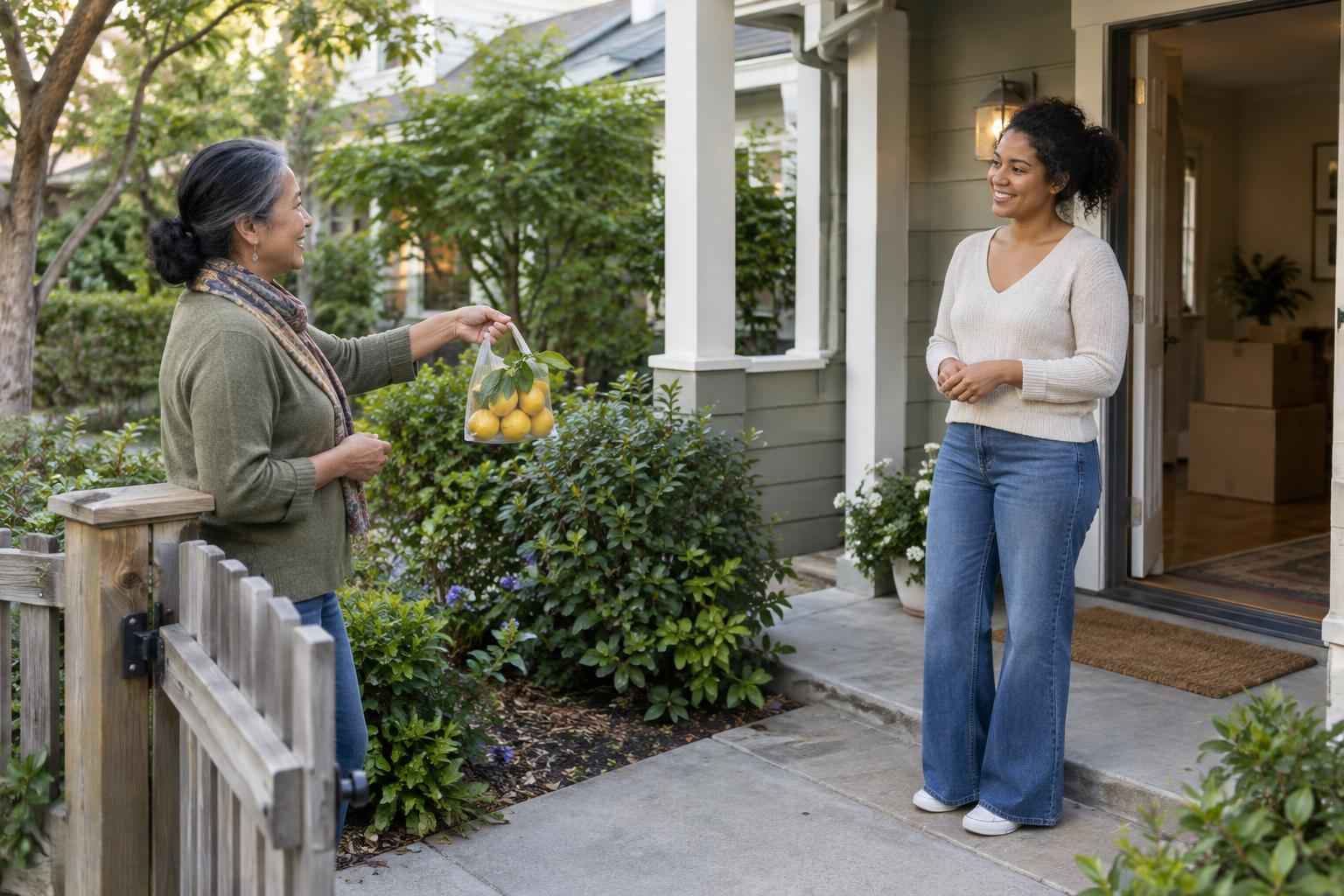
Moving into a new place can mean unpacking boxes, learning unfamiliar routines, and meeting many people at once. A warm greeting can make the street feel friendlier, but it need not become a long visit. If you cross paths outside, introduce yourself, say where you live, and offer a simple welcome. Then give your new neighbor an easy way to return to what they were doing.
A short exchange might be enough for the first day: “I’m Sam from a few doors down. Welcome to the neighborhood. Let me know if you need directions to anything nearby.” There is no need to ask where they moved from, what they do for work, or whether they have family nearby. They can share those details later if they choose.
If you never seem to catch them at a good moment, a brief note can work too. Include your name and a way to reach you only if you are comfortable sharing it. Leave the note without expecting a reply. The invitation matters more than an immediate conversation.
Offer help that is specific and optional
“Let me know if you need anything” is kind, but it can be hard for a newcomer to know what to ask of someone they have just met. A modest, concrete offer is easier to accept or decline. You might mention which day bins are collected, offer to bring a package in from the rain if they are away, or point them toward a nearby library or walking route. Keep suggestions relevant to what they seem to need rather than listing everything you know about the area.
Make the offer without making it a test of friendliness. “I’m going to the hardware store this afternoon; I can pick up an extra box of light bulbs if that would help” gives them a clear choice. If they say no, a cheerful “Of course” is enough. Avoid taking on a task without asking first, even if you mean well. Moving a bin, clearing a path, or organizing other neighbors to visit may be more intrusion than assistance.
Let them set the pace
People settle in differently. One neighbor may enjoy meeting everyone on the block right away; another may want quiet evenings for several weeks. A short conversation, a wave, or no response to a note does not tell you how they feel about the neighborhood. It may simply mean they are busy. Continue to be pleasant when you meet, without repeatedly checking whether they received your welcome.
Pay attention to ordinary cues. If they pause and ask questions, there may be room to chat. If they keep working, give short answers, or turn toward their door, let the exchange end. Respecting those signals helps make future encounters more comfortable. Hospitality works best when the other person is free to choose how much of it they want.
Share invitations without obligations
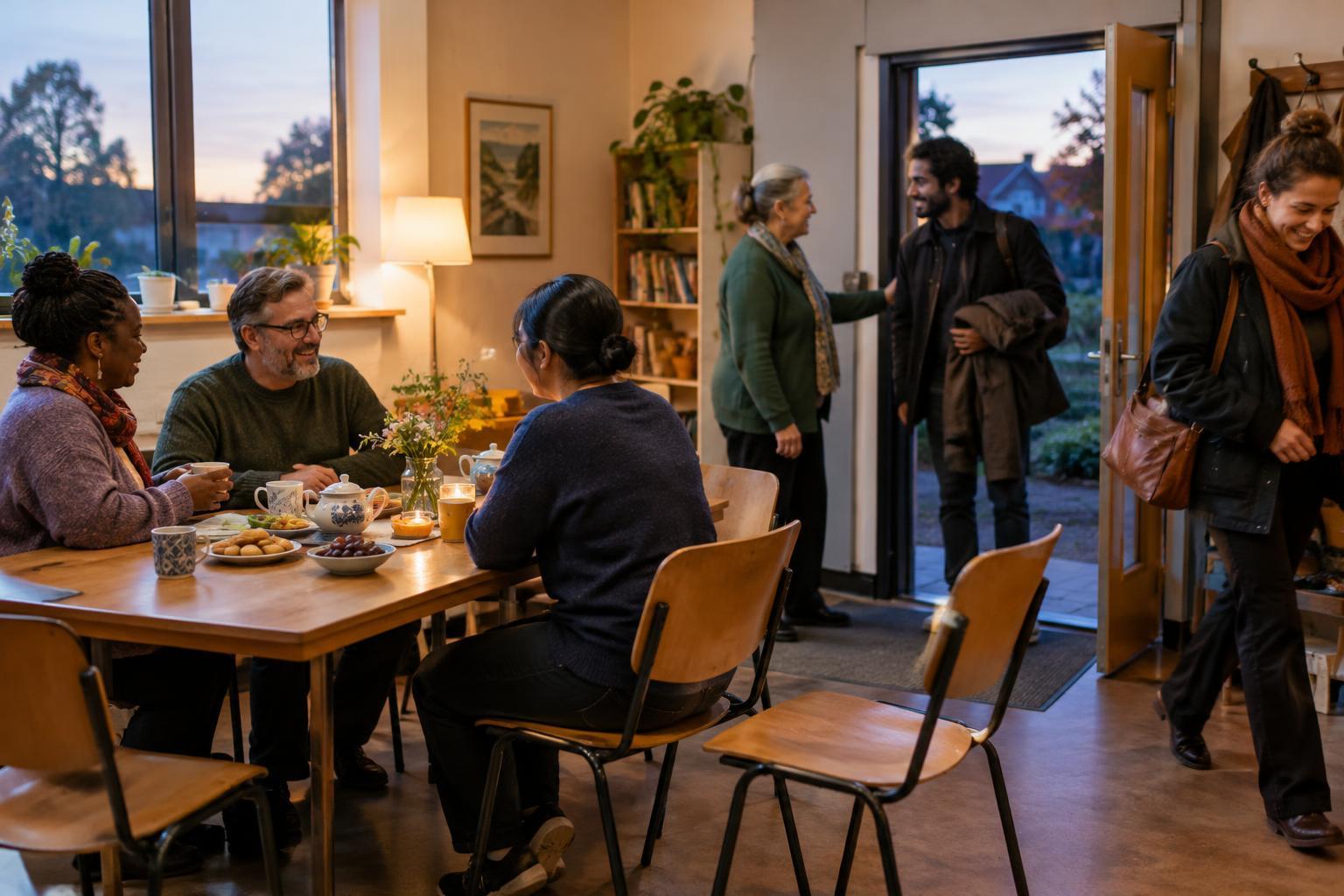
A neighborhood gathering, shared meal, or porch conversation can be a lovely way to connect, especially after a newcomer has had some time to get oriented. Keep the invitation simple: what it is, when it happens, and whether they need to bring anything. Let them know it is fine to drop by briefly or skip it. An invitation should open a door, not add another item to their moving checklist.
Be thoughtful about food and gifts as well. A small packaged treat or a card may be easier to handle than a large homemade dish, but preferences and dietary needs vary. If you would like to bring food, asking first is often the kindest approach. You can also offer information instead: a few favorite local places, with the understanding that your favorites may not become theirs.
Build familiarity through small, steady gestures
The most reassuring welcome is often what happens after the first hello. Remembering a name, giving a wave, or making room for a quick chat can gradually turn unfamiliar faces into familiar ones. You do not need to become close friends for the connection to matter. Knowing that someone nearby will be courteous and approachable can make everyday life easier.
Let the relationship develop on both sides. If your neighbor begins a longer conversation or accepts an invitation, enjoy it without assuming every future encounter must look the same. If they prefer a friendly nod, that is a good outcome too. A thoughtful welcome makes room for privacy as well as connection, giving a new neighbor the chance to feel at home in their own way.