Start with a need, not a solution
Community projects often begin with a simple observation: a shared space needs attention, neighbors would welcome a place to meet, or useful items are going to waste. Before choosing an activity, describe the need in one or two sentences. “People on this block have few easy ways to meet one another” leaves more room for good ideas than “We need a monthly potluck.” The potluck might be a fine answer, but it is only one possible answer.
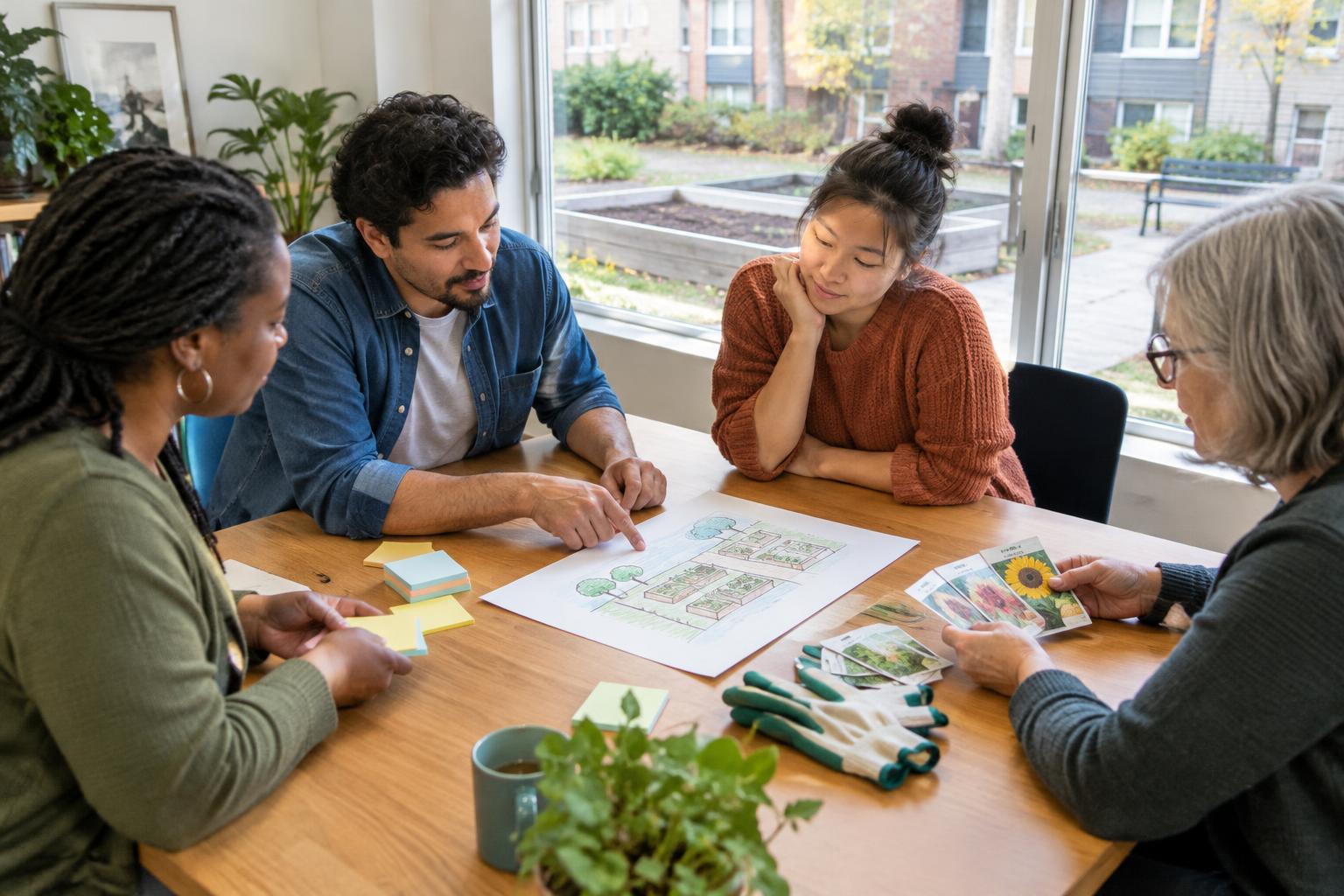
Talk with a few people who are close to the issue, including those who might use or be affected by the project. Ask what they have noticed, what would help and what might make participation difficult. Listen for differences rather than trying to win immediate agreement. A project shaped by several perspectives is more likely to fit the place where it will happen.
Choose one achievable first result
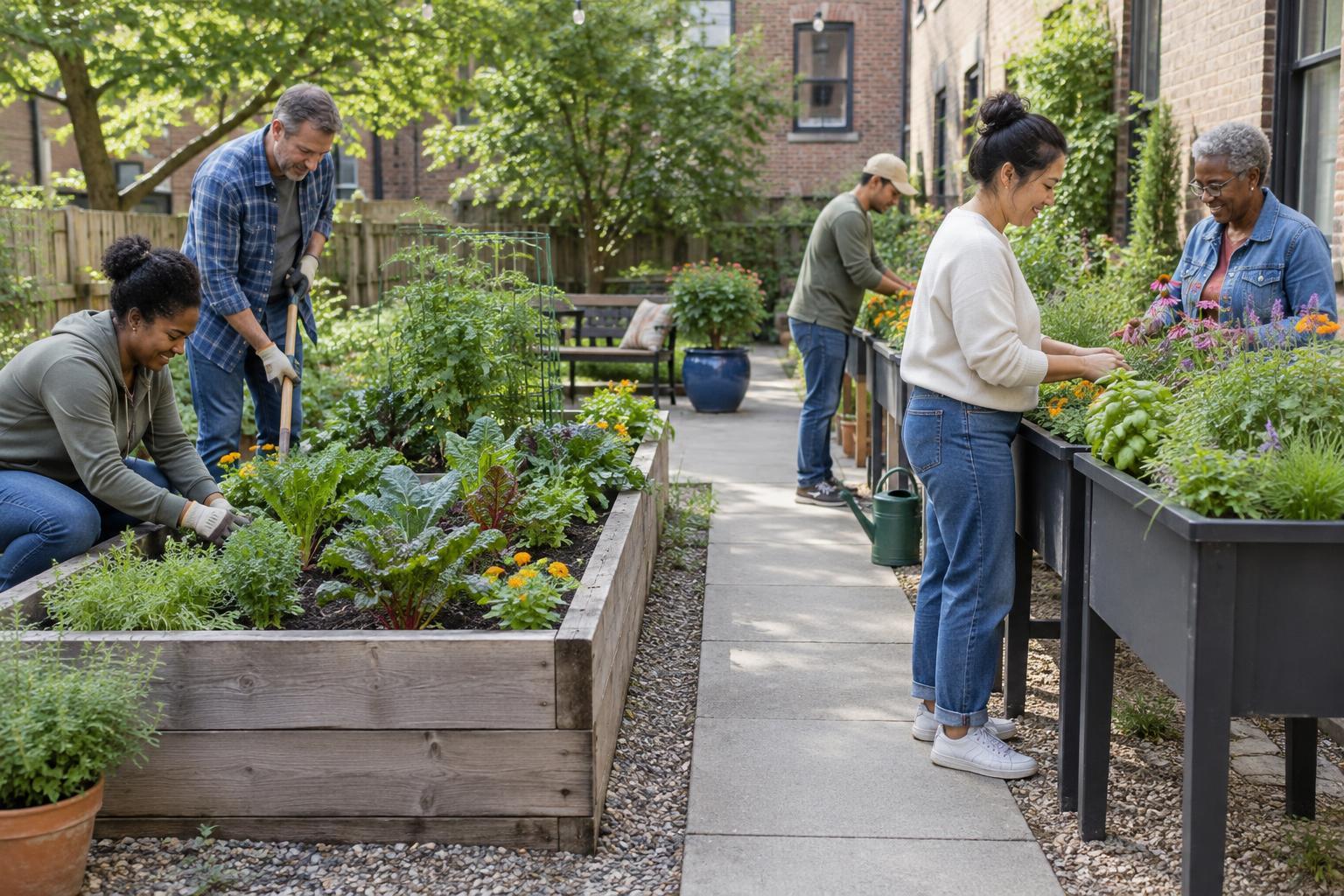
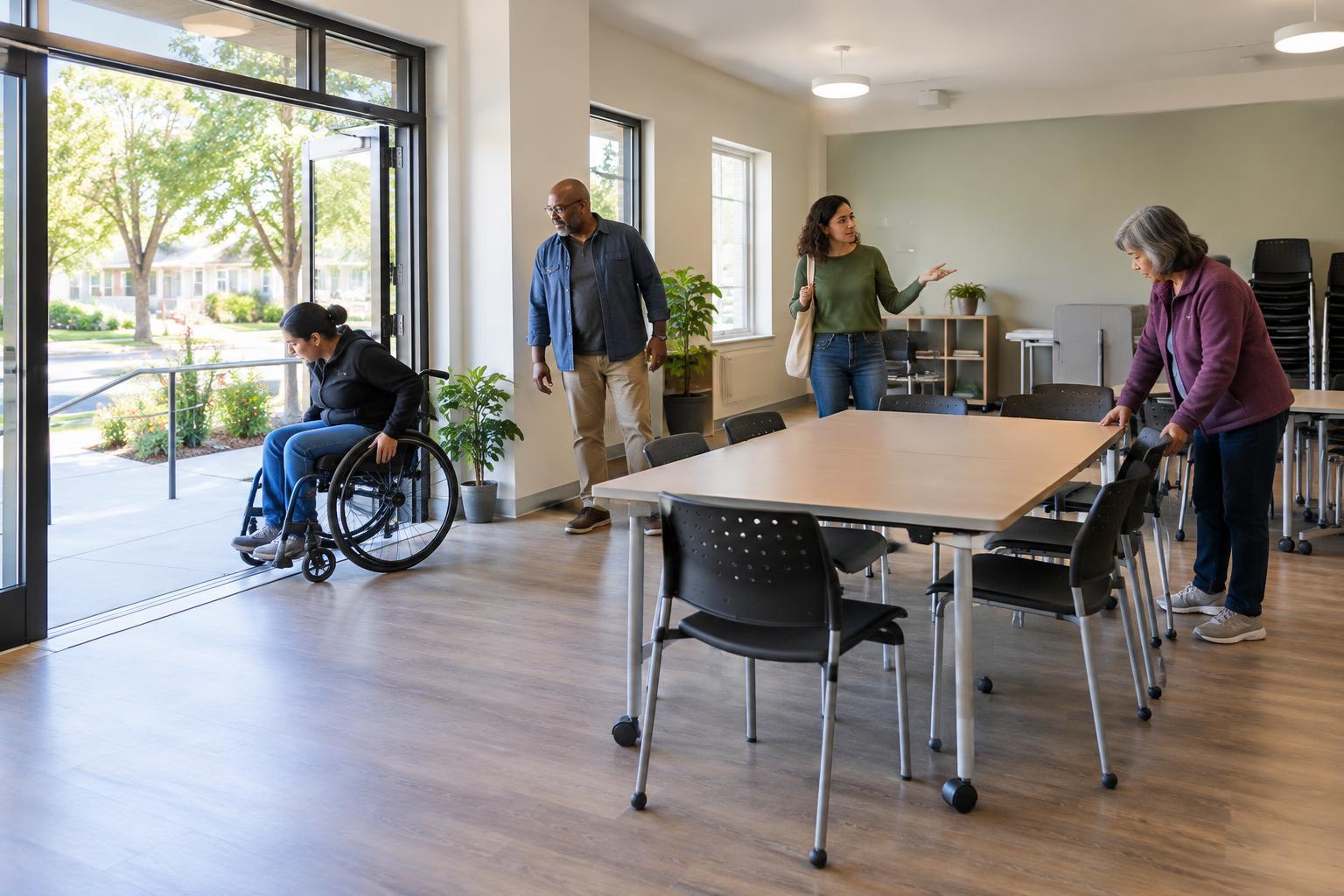
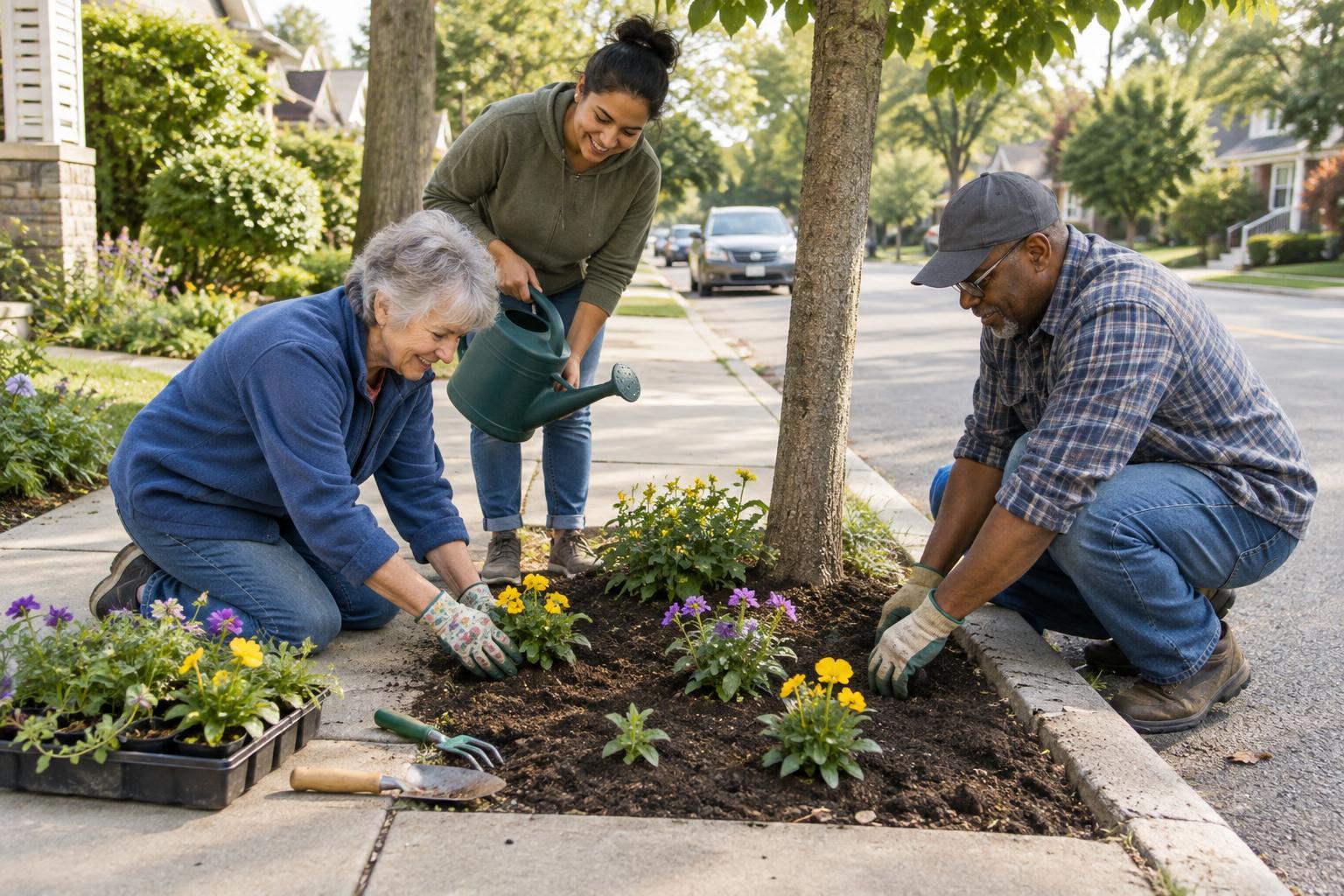
A workable plan says what you will do first, for whom and where. Rather than trying to “bring the whole neighborhood together,” you might plan one welcoming afternoon in an accessible shared space. Rather than promising to improve every public planting area, you might care for one agreed-upon bed. A small first effort is not a lesser project; it is a way to test an idea without asking people to commit more time or resources than they have.
Write a brief goal that someone outside the planning group could understand. Then name what is outside the first effort’s scope. This protects the group from adding tasks each time a new suggestion appears. Keep a separate list of ideas worth revisiting later, so people feel heard without expanding the initial plan beyond what volunteers can manage.
Map the tasks, resources and permissions
Work backward from the proposed activity. What must happen before anyone can take part? A gathering may need a suitable location, invitations, seating and a way to welcome newcomers. A cleanup may need supplies, a plan for collecting waste and clarity about who maintains the space. Put each task on a short list, with an approximate sequence. This will reveal gaps more quickly than a broad statement such as “organize the event.”
Make a second list of what the group already has and what it still needs. Include people’s time, borrowed equipment, materials, storage and any likely costs. Check with the person or organization responsible for a space before planning work there. If the project involves food, children, tools or access to a shared site, think through practical safety and supervision needs early. When a requirement is unclear, find out before asking volunteers to proceed.
Give people clear, flexible ways to help
Projects are easier to join when requests are specific. “Can someone bring two folding tables?” gives a potential volunteer a clearer choice than “We need more help.” Divide larger responsibilities into smaller jobs where possible: making invitations, setting up, greeting participants, taking supplies home or checking in afterward. Some people can offer an hour; others may be able to help from home. Both can be useful.
Choose one person to keep the task list up to date, but do not make that person responsible for doing everything. Agree on how the group will share changes and whom volunteers should contact with questions. A simple written outline can prevent confusion: the goal, the activity, the location, the task owners and the decisions still open. Share it in a form the group can actually use, and invite corrections.
Try it, then make the next plan better
Set a modest timeline with a few checkpoints: when to confirm the location, when to invite people and when to check that essential tasks are covered. Leave some room for plans to change. If a key resource is unavailable, a smaller version of the project may be better than a rushed substitute. Decide in advance who can make day-of decisions so minor problems do not bring everything to a halt.
After the first effort, gather the people involved for a short, honest review. What worked well? Who was missing or faced barriers to joining? Which tasks took more energy than expected? Thank contributors, including those whose work happened behind the scenes. Then decide whether to repeat, revise, pause or hand the idea to another group. A good project plan does more than get one activity done: it helps neighbors learn how to work together again.