Start with one change people can see
A small neighborhood project often begins with a generous impulse: tidy a shared space, welcome new residents, or make a gathering easier for everyone to enjoy. The challenge is turning that impulse into a task people can complete. Before choosing activities, describe the change you hope to make in one sentence. “Clear the litter from the walking path” gives a group a clearer starting point than “improve the park.”
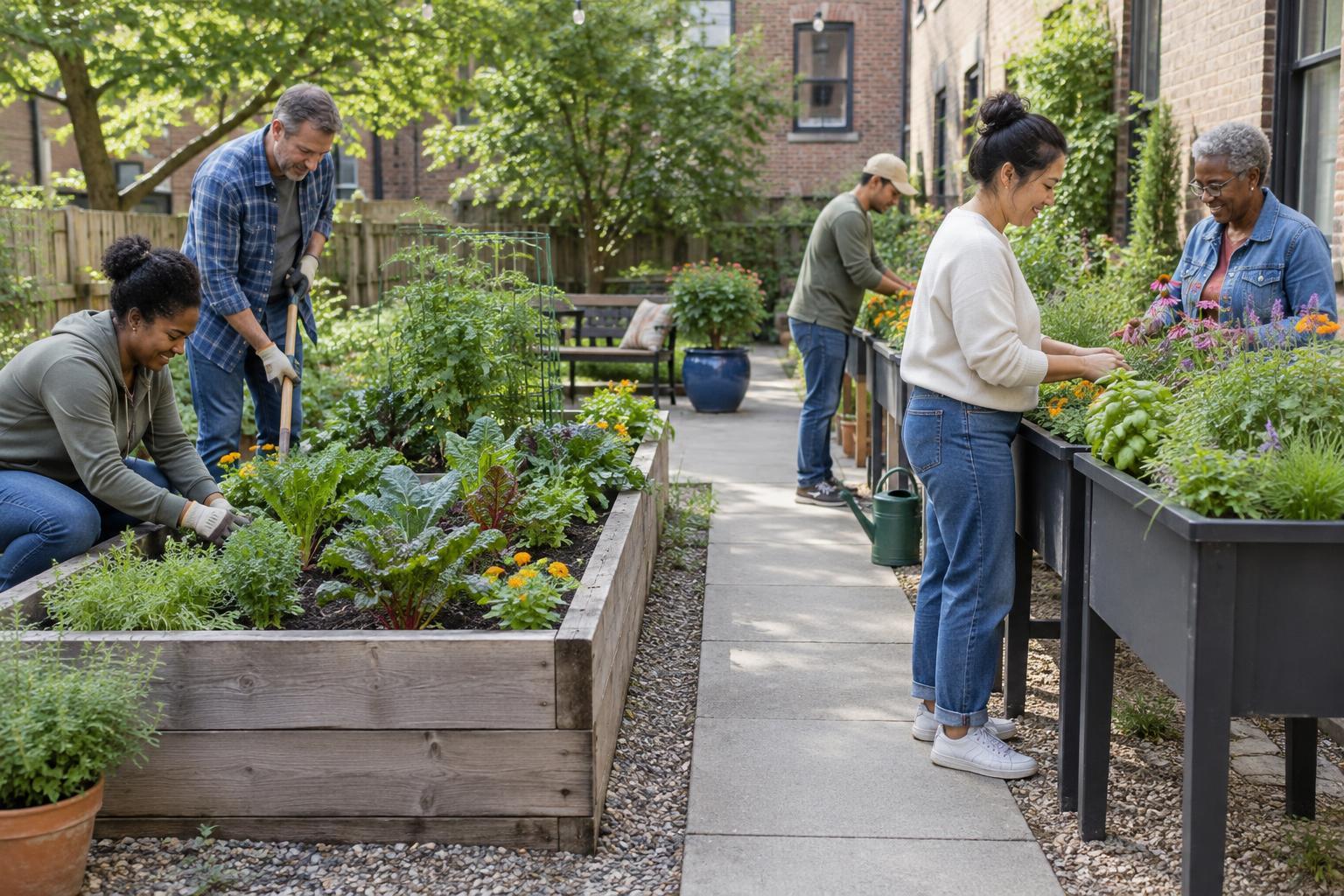
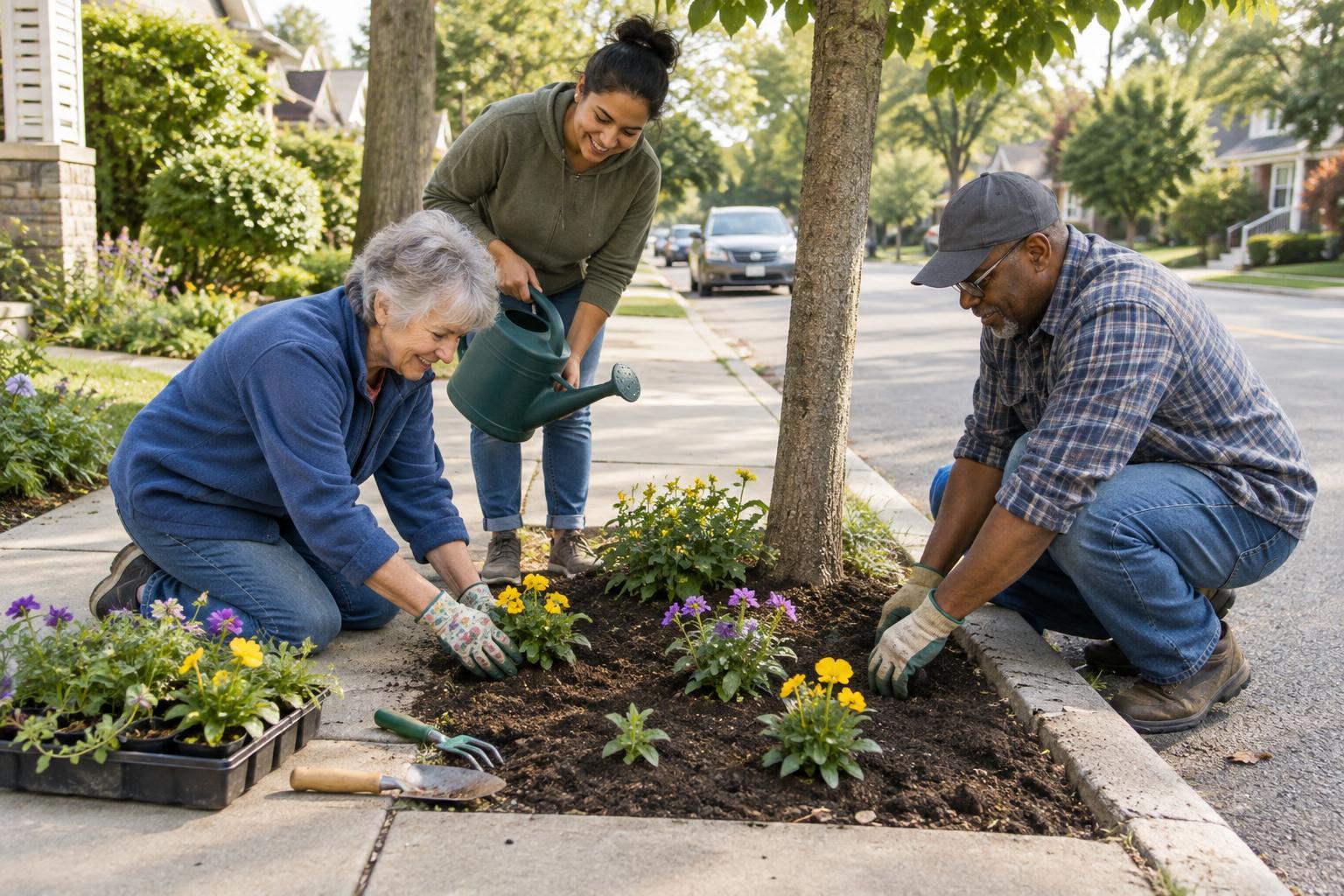
Ask who the project is for and what would make it useful to them. A welcome table might serve people arriving at one seasonal event rather than every event this year. A planting day might focus on two existing beds rather than an entire streetscape. A narrow goal is not a lack of ambition; it is a way to make a promise that volunteers can keep.
Check the work against the people and resources available
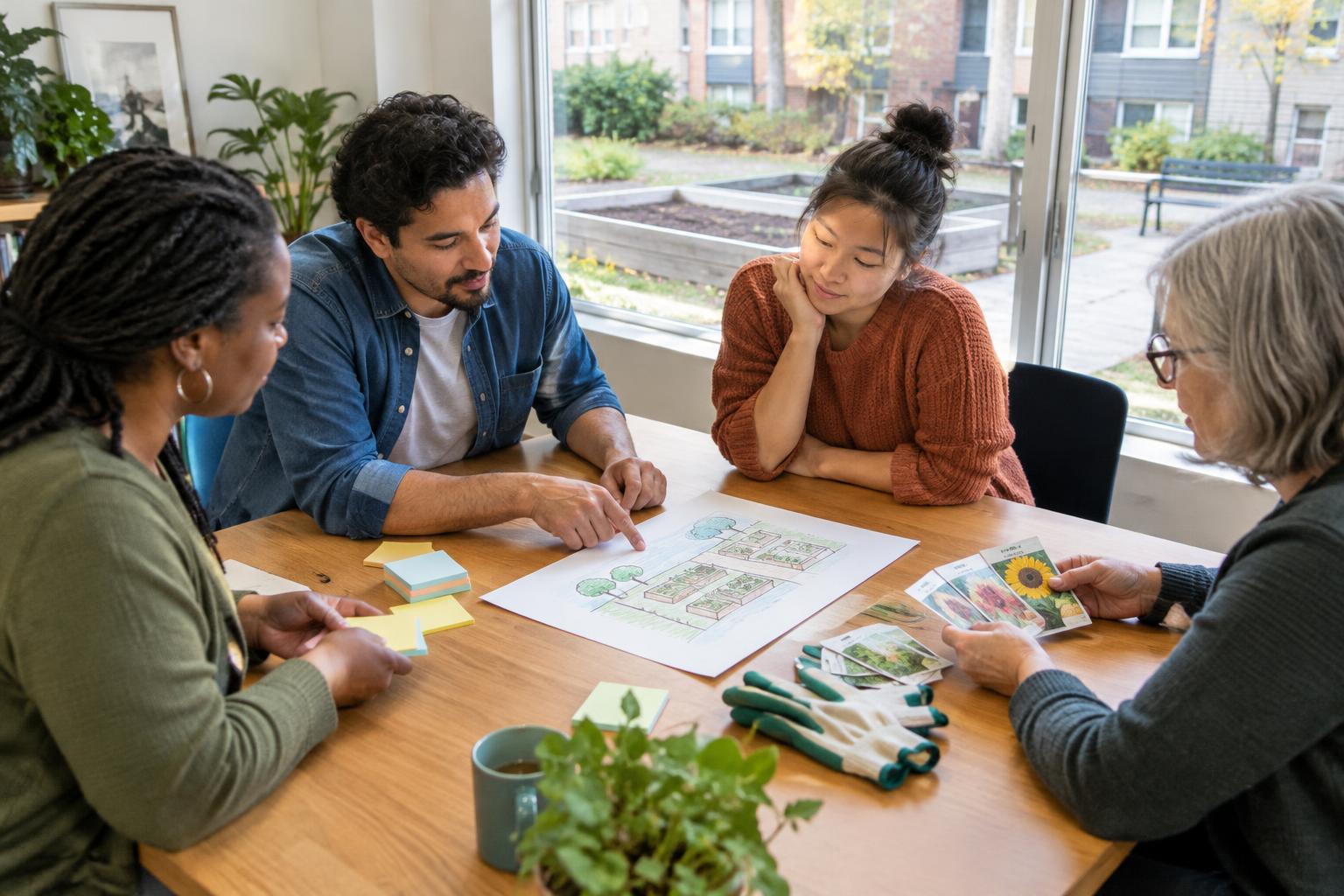
Make a simple list of the tasks between the idea and the finished result. Include preparation, supplies, communication, the work itself, cleanup, and any follow-up. Then consider who has actually offered to help, how much time they can give, and which tasks need a particular skill. An enthusiastic conversation is encouraging, but it is not the same as a confirmed team.
Look for costs and dependencies that are easy to miss. Will you need tools, storage, transport, printing, or a way to remove collected waste? Does the space belong to someone who needs to approve the work? If an answer is uncertain, treat it as something to resolve before expanding the plan. It may be better to complete a modest project with materials already on hand than to build the schedule around donations that have not been promised.
Draw a clear line around the first version
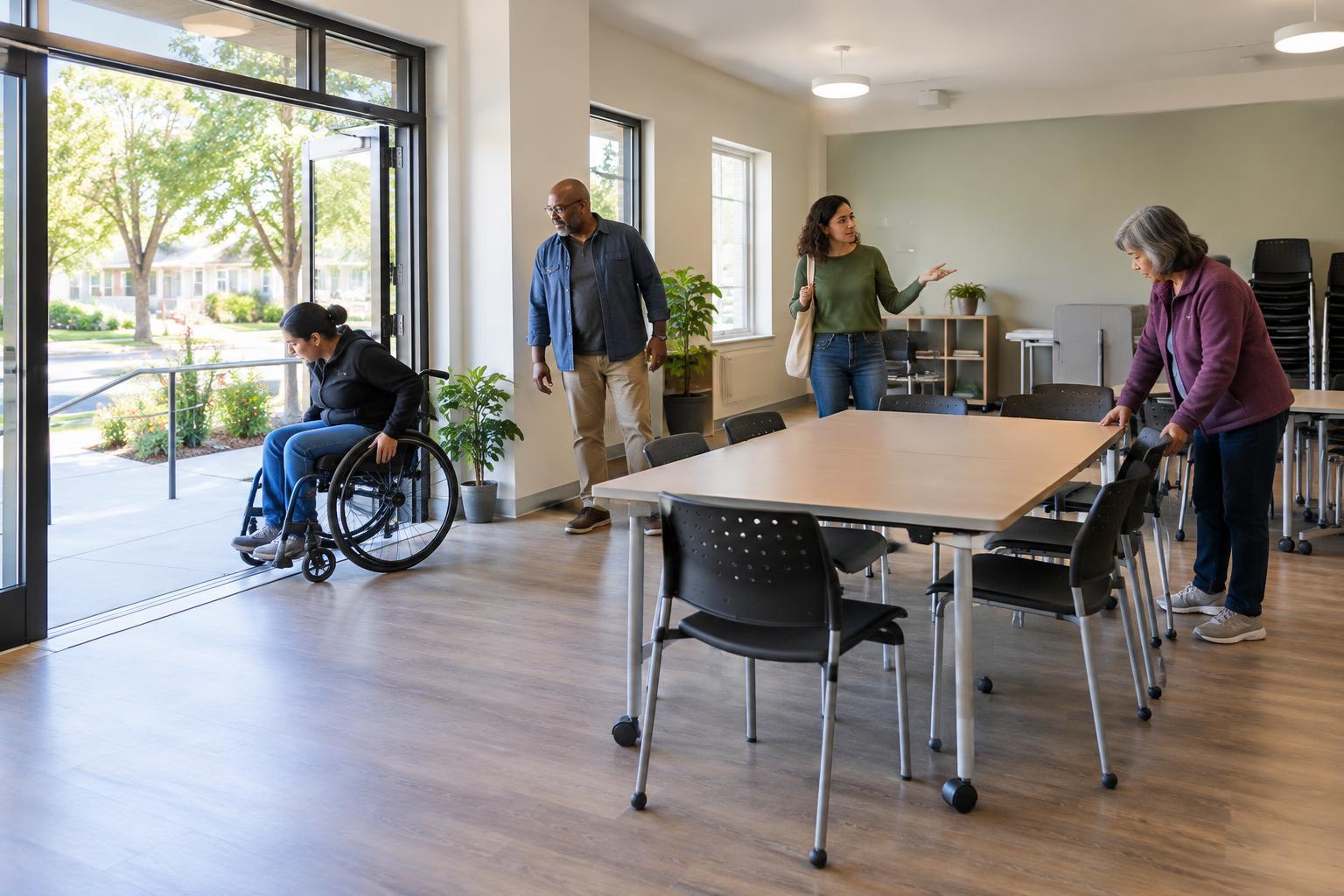
Write down what the project will do and, just as importantly, what it will not do. For a path cleanup, the first version might cover one route on one morning, with volunteers collecting ordinary litter and leaving hazardous items for the appropriate property contact. For a neighborhood meal, it might mean a simple potluck in an accessible shared room rather than a catered event with a full program.
These boundaries help when new ideas appear. If someone suggests adding signs, music, or another location, thank them and ask whether the addition is necessary for the original goal. If it brings new costs or coordination, save it for a future effort. Keep a short “later” list so useful ideas are not lost, while the current group stays focused on the work it agreed to finish.
Plan for an ordinary day, not a perfect one
A realistic scope leaves room for late arrivals, changing weather, missing supplies, and people who need to leave early. Divide the work into a few independent tasks so progress does not depend on everyone being present at once. Choose a stopping point in advance: a set time, a defined area, or a limited number of items to prepare. Also decide what the group will do if conditions make the original plan impractical.
Make participation easy to understand. Share the meeting place, expected time commitment, what to bring, and whom to contact with questions. Offer tasks of different sizes when possible, such as setting out supplies, doing the main activity, taking notes, or helping with cleanup. No single volunteer should have to quietly carry every unfinished piece after everyone else goes home.
Finish well and make the next step optional
At the end, leave time to put tools away, return borrowed items, and tell participants what was completed. Note anything still open, including who has agreed to handle it. A brief thank-you and a clear account of the result help people see the value of their effort without implying that they have signed up for an ongoing commitment.
Afterward, ask what felt manageable and what took more work than expected. Those observations can shape a second project, but they do not require one. A neighborhood effort can be successful because it addressed one need respectfully, ended as promised, and gave people a good experience of working together. Starting small makes it easier to build trust—and leaves the community free to decide what is worth doing next.