Start with the people and the purpose
A shared space might host a reading circle, a repair afternoon, a neighborhood meal or a small volunteer project. Before looking at addresses, write down what people will actually do there. A quiet discussion needs different surroundings from an activity involving tools, food or frequent deliveries. Estimate the size of a typical gathering, the supplies it needs and whether people will arrive and leave at the same time.
Think beyond the regular organizers. Who might want to join but find the trip difficult? Consider people who walk, use mobility aids, rely on a ride, bring children or come straight from work. An inexpensive room that only a few neighbors can reach may not serve the project as well as a smaller, simpler place along familiar routes. Ask prospective participants what would make attendance easier, rather than guessing on their behalf.
Test access as an everyday journey
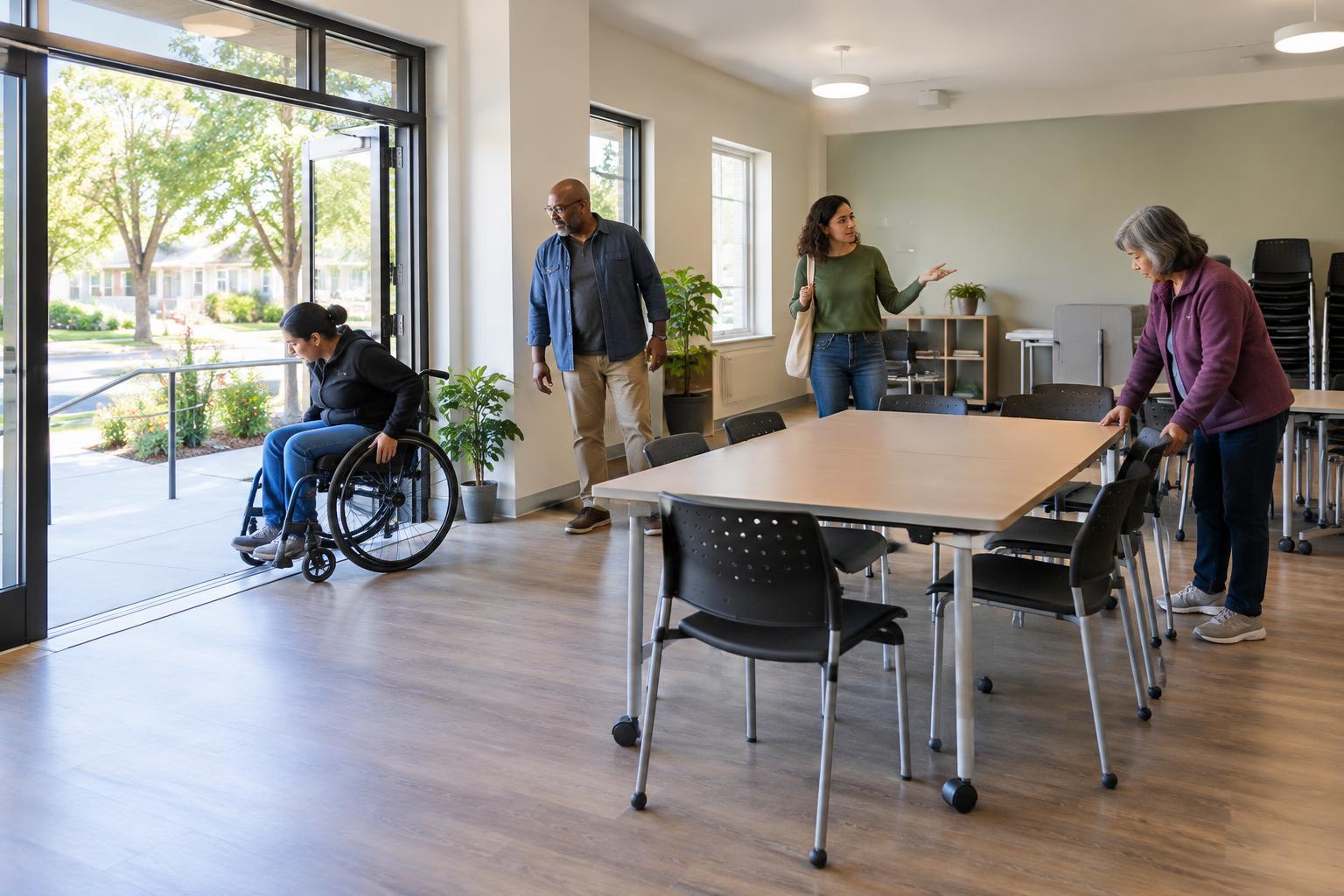
Visit each possible location at the times you expect to use it. Walk the route from nearby sidewalks, parking areas and drop-off points to the entrance. Notice steps, uneven surfaces, heavy doors, lighting and places where someone may have to wait outside. Check whether the entrance is easy to identify and whether directions would make sense to a first-time visitor.
Access continues inside. Look for a clear route to the meeting area and restroom, enough room to move around furniture, and a place to set coats or supplies without blocking a path. Consider sound as well: a room that echoes or sits beside a noisy activity can make conversation tiring. If a space works for some gatherings but not others, describe that limitation plainly instead of treating it as a minor detail.
Convenience also includes timing. A location may seem ideal until its available hours conflict with the people the project hopes to welcome. Compare opening and closing times, travel options and the process for getting in. The best choice is often the place people can use reliably, not the most impressive place to show them once.
Look for safety you can sustain
During a visit, note obvious hazards such as poor lighting, loose flooring, cluttered exits or furniture that cannot be arranged safely for the planned activity. Ask the space contact about occupancy limits, emergency exits, restroom access and any rules for food, tools or storage. If concerns arise, find out who can address them before making plans. A friendly welcome does not replace a clear understanding of how the space operates.
Consider how people will arrive and depart, particularly if events end after dark. Is the path to the exit well lit? Can volunteers close the space without being left alone with a complicated set of tasks? Plan a simple routine for checking the room before and after each gathering, and make sure more than one organizer knows whom to contact when something needs attention.
Count the work that comes with the room
An available space is not necessarily an easy space to maintain. Ask who handles cleaning, trash, keys, repairs, heating or cooling, and moving furniture. Clarify whether supplies may be stored on site or must be carried in each time. Even a free room can become burdensome if every gathering requires a long setup and cleanup.
Put the recurring tasks on one page and assign realistic owners before committing. Include any agreed costs, access arrangements and expectations for leaving the room ready for its next users. If volunteers will rotate, write instructions that a new person can follow. A dependable shared space should not rely on one neighbor remembering every detail or quietly doing all the work.
Choose deliberately, then learn from use
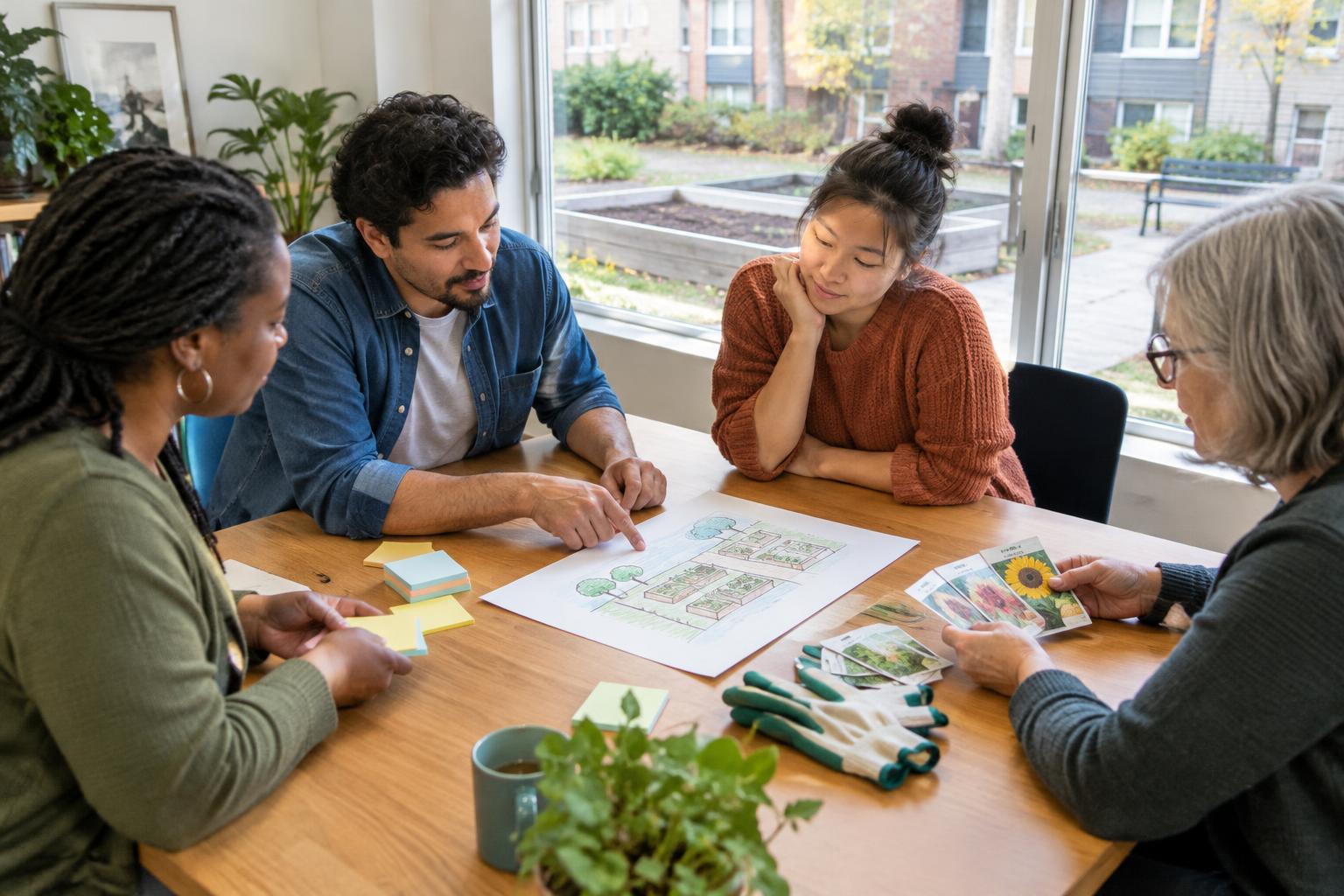
A short comparison can keep enthusiasm from hiding tradeoffs. For each candidate, record what works, what needs a fix and what remains unknown under three headings: access, safety and upkeep. Share the notes with the people likely to use and care for the space. Their questions may reveal a practical issue that was easy to miss on the first visit.
If possible, begin with a limited trial rather than filling the calendar immediately. After a few gatherings, ask whether people could find the entrance, participate comfortably and complete cleanup within the time available. A location does not have to be perfect to bring neighbors together. It does need to be usable, understandable and manageable enough that people will want to return.