Start with the experience you want to create
A community garden and a planter project can both make a place feel more cared for. They ask different things of the people involved, though. A garden usually gives neighbors room to grow vegetables, herbs, or flowers over a season. A planter project might place a few containers near a shared entrance, along a walkway, or outside a community space. One offers more growing room; the other can offer a smaller, easier place to begin.
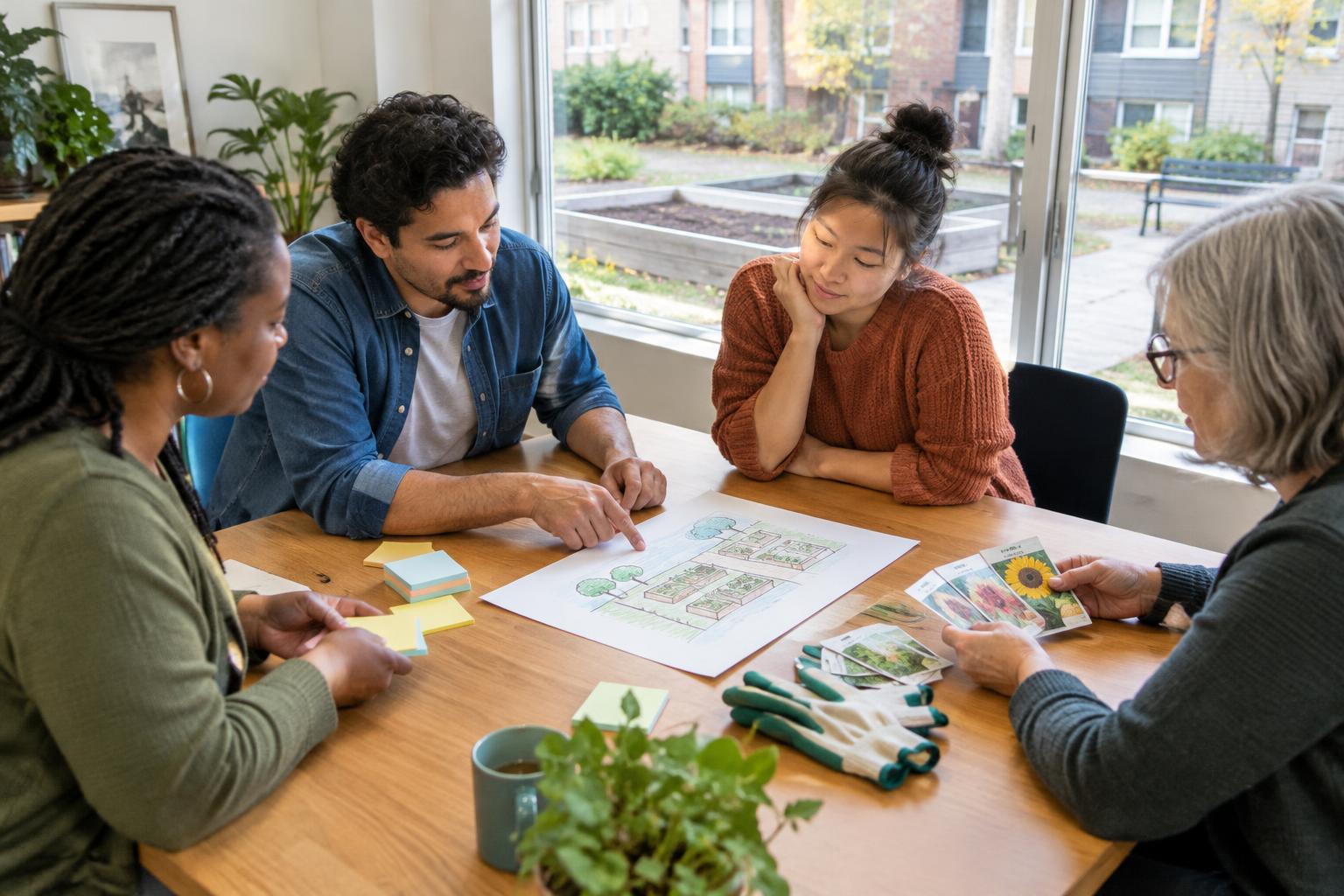
Before choosing, ask what neighbors hope to do together. Do people want to grow food, learn gardening skills, and spend regular time outdoors? Or is the main goal to brighten a familiar spot and give more residents a simple way to contribute? The best project is not necessarily the largest one. It is the one that fits the people who will care for it.
Compare the space each project needs
A shared garden needs a suitable site and permission to use it. It also needs a workable way to reach water, store or bring tools, and move around the growing area. Think about sunlight, drainage, paths, and whether neighbors can reach the space comfortably. If people plan to grow food, it is worth learning about the site's previous uses and choosing an appropriate growing setup before planting.
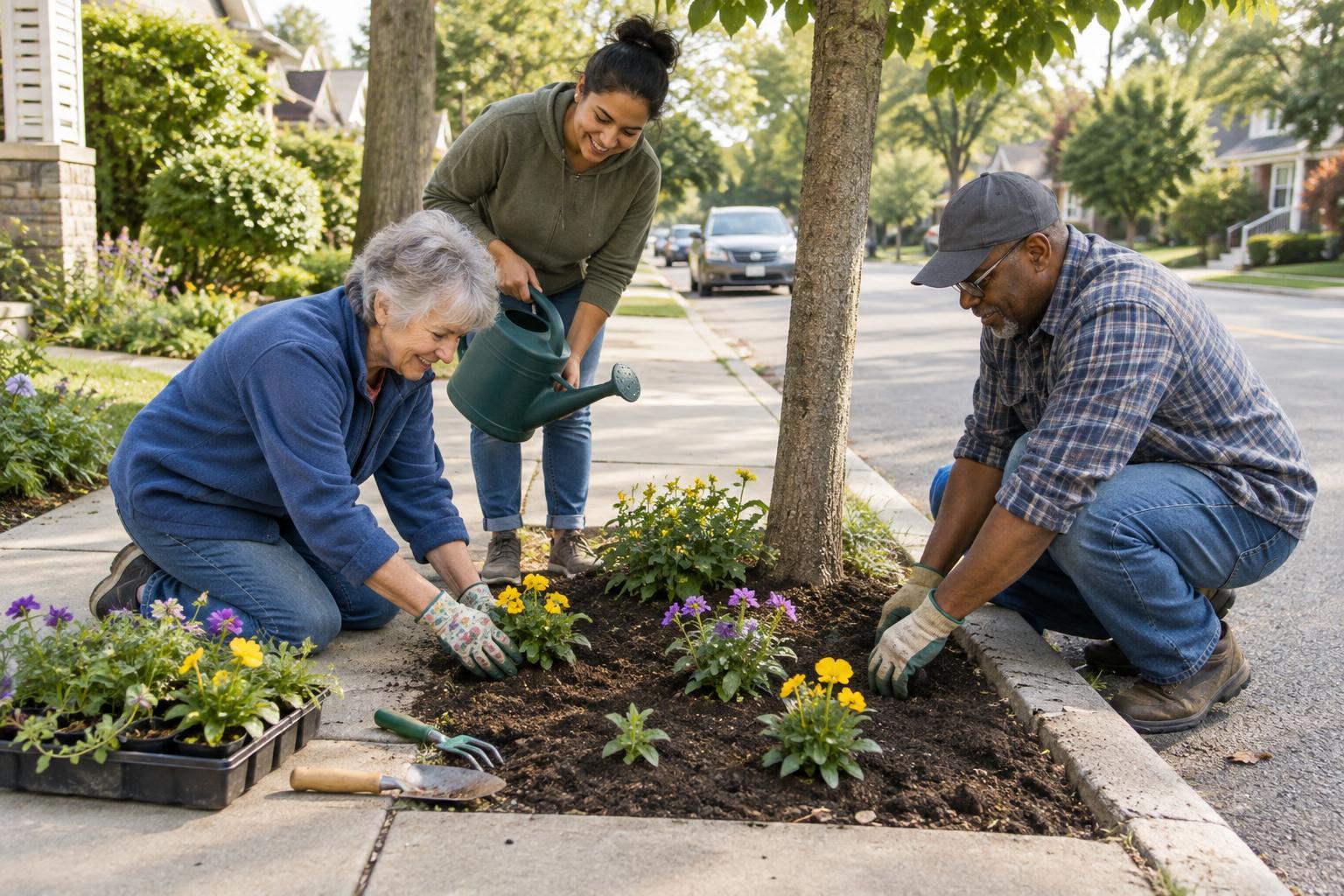
Planters can work where an in-ground garden is not possible. Containers allow a group to start with a courtyard, doorstep, or other modest space, provided the property owner agrees and the placement does not block access. They still need enough light for the chosen plants and a practical watering plan. Containers can dry out quickly, so a small footprint does not always mean little attention.
Be honest about upkeep
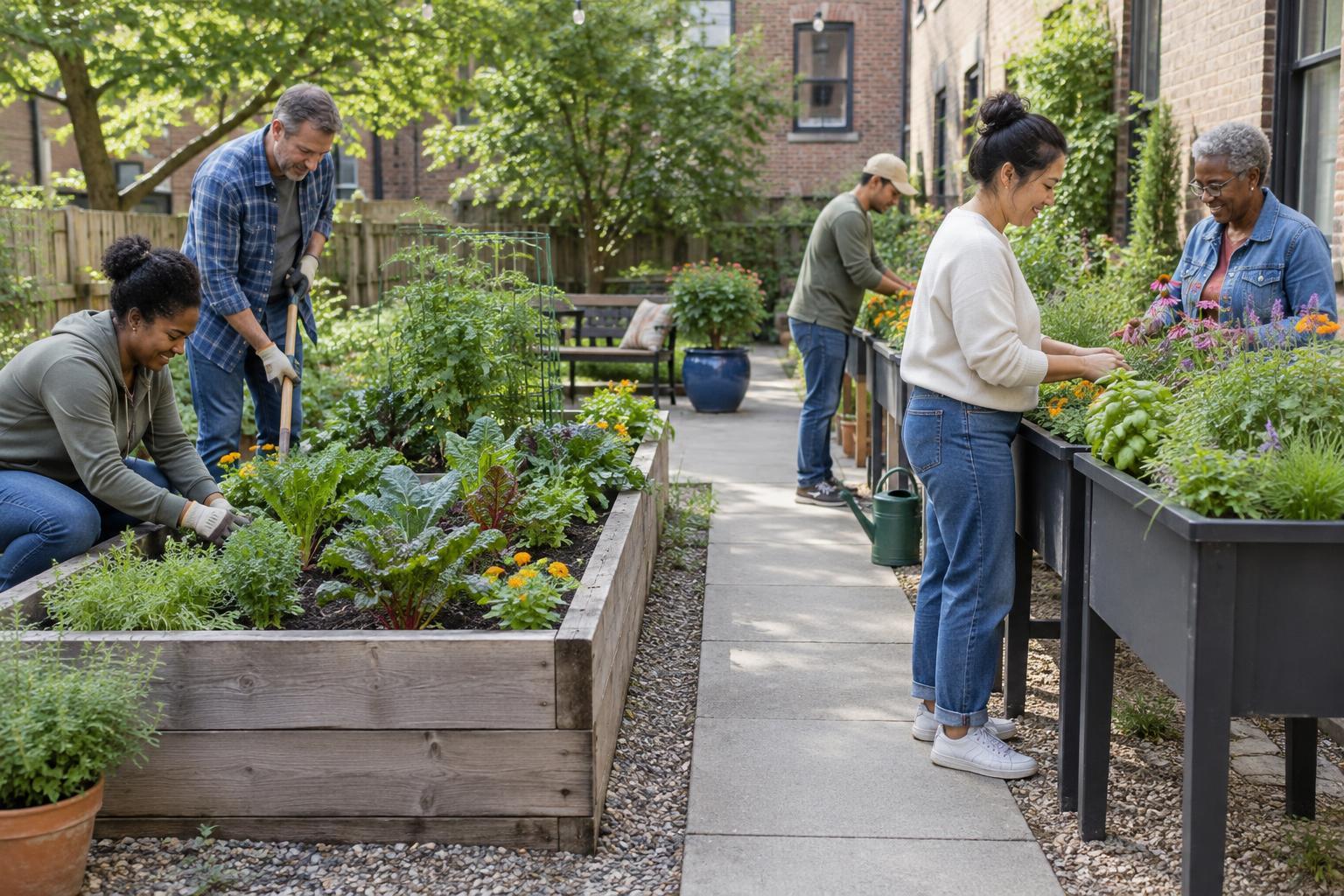
A garden can support many kinds of participation: planting, watering, weeding, tending paths, and welcoming new helpers. It can also become discouraging if a few people inherit all the work. Before breaking ground, agree on who will handle routine tasks, how supplies will be shared, and what will happen when volunteers are away. Clear, modest expectations help keep the project welcoming.
Planters generally require fewer tools and less setup, but someone still has to water them, replace struggling plants, and tidy the surrounding area. A rotation works best when each task is specific and manageable. Instead of asking for a vague promise to “help with the planters,” invite someone to water two containers on a particular day or check them during a weekly walk.
For either option, plan for the quieter months as well as the exciting first planting day. Decide who can adjust the project if the original schedule proves too demanding. A well-kept small project can bring more enjoyment than a larger one that volunteers cannot maintain.
Make room for different neighbors
Consider who can take part and how. A garden may appeal to people who want a regular place to work side by side, but not everyone can commit to a weekly shift. Planters can offer short tasks, such as planting a few flowers or helping choose colors. Both projects can include neighbors who prefer planning, sharing information, or simply stopping to appreciate the space.
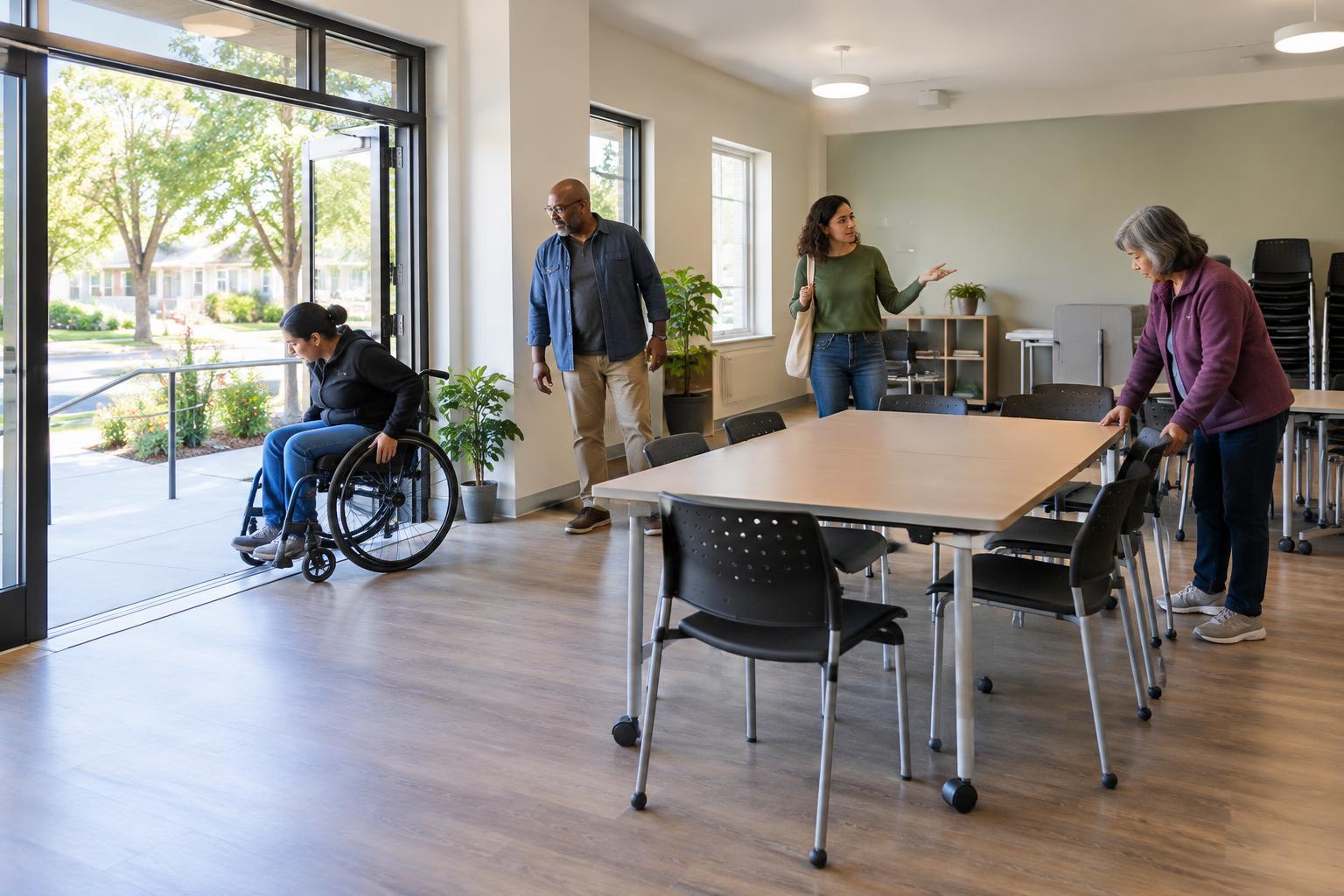
Access matters, too. Think about path width, seating, the height of planting areas, and whether tools and water are easy to manage. Ask nearby residents what they would welcome before settling on a location, particularly if a project will change a shared space. Simple signs explaining who maintains the plants and how to join in can make a project feel like an invitation rather than a private undertaking.
Choose a first step you can sustain
If your group has a suitable site, reliable volunteers, and enthusiasm for regular gardening, a shared garden may be worth building toward. If permission, time, or space is uncertain, a few planters can help neighbors learn what works together. You do not have to treat the choice as permanent: a planter project may grow into a garden, while a garden group may keep a few planters in easier-to-reach spots.
Begin with a short conversation about purpose, place, and upkeep. Then choose a project small enough to care for well and set a time to revisit the plan. The most valuable outcome is not the number of plants. It is a shared place that neighbors feel able to tend, enjoy, and make their own.