Start with a shared reason to gather
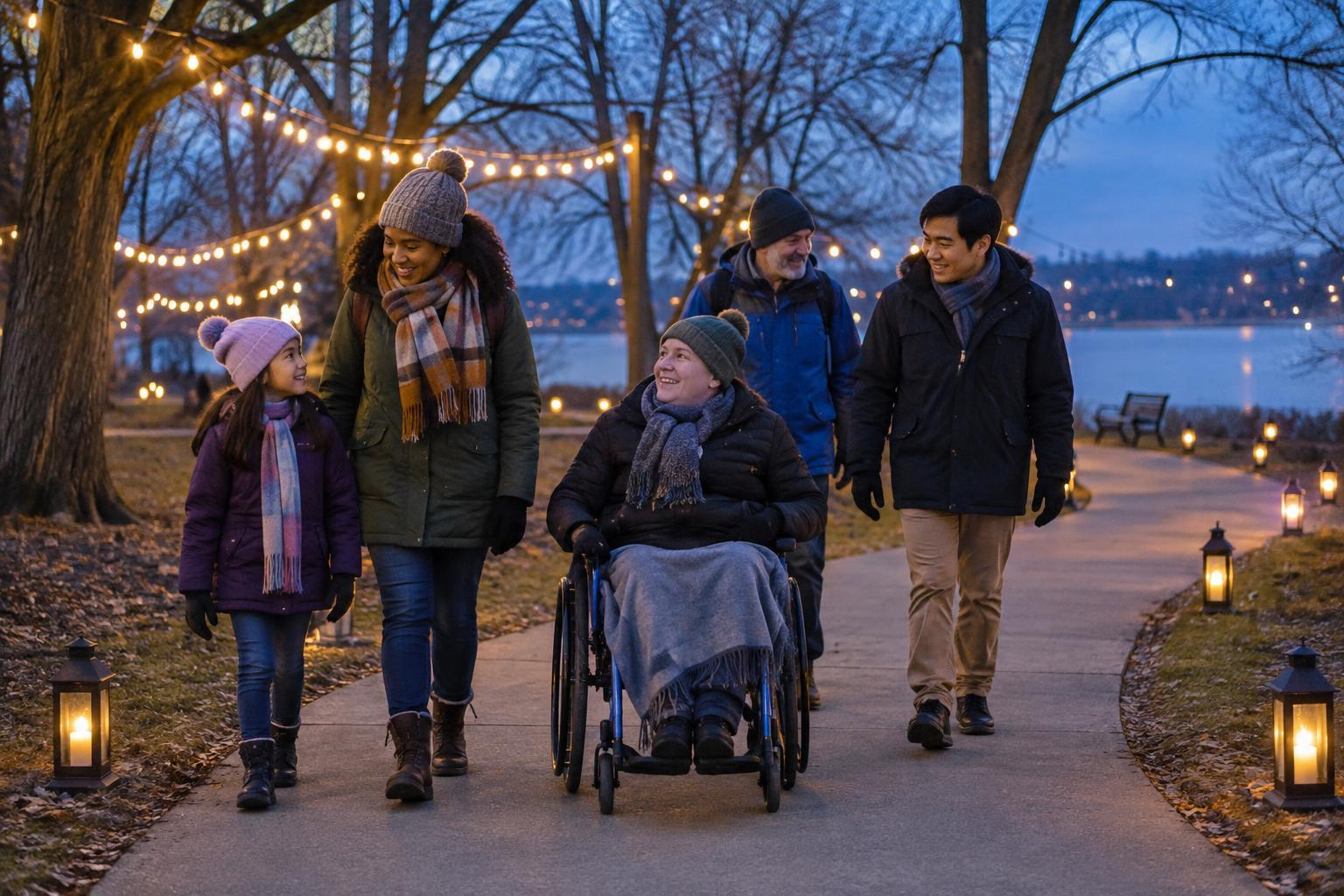
A winter lights walk can be as simple as neighbors taking an easy stroll past decorated windows, lanterns or softly lit gardens. Its purpose need not be tied to a particular holiday. You might frame it as a chance to enjoy a dark-season evening, meet someone nearby and notice the care people put into their streets. That leaves room for neighbors who celebrate religious holidays, those who celebrate other traditions and those who do not observe a holiday at all.
Choose a name that describes the activity rather than implying a shared belief. In the invitation, explain plainly what will happen: where the group will meet, how long the walk should take and whether decorations, songs or refreshments are part of the plan. People can then decide whether it feels right for them. An invitation that says “Come as you are; no celebration or participation beyond walking is expected” makes the tone clear without drawing attention to anyone’s beliefs.
Build a route people can choose for themselves
Walk the proposed route before inviting others. Look for reliable sidewalks, safe crossings, places to pause and a clear way back to the starting point. If the route has steps, steep slopes or rough surfaces, say so in advance. Where possible, offer a shorter loop and a longer one, and identify a stationary gathering spot for people who would rather enjoy the lights without walking. A route description is more useful than a promise that an outing will be accessible to everyone.
Keep the group on public paths unless a property owner has explicitly welcomed visitors. Ask before featuring a home or garden in a printed route, and avoid directing a crowd toward a doorway. Choose a meeting place with enough room to gather without blocking a sidewalk. Since winter conditions can change, set a simple weather plan and let people know how a postponement or cancellation will be communicated.
Let the lights create the atmosphere
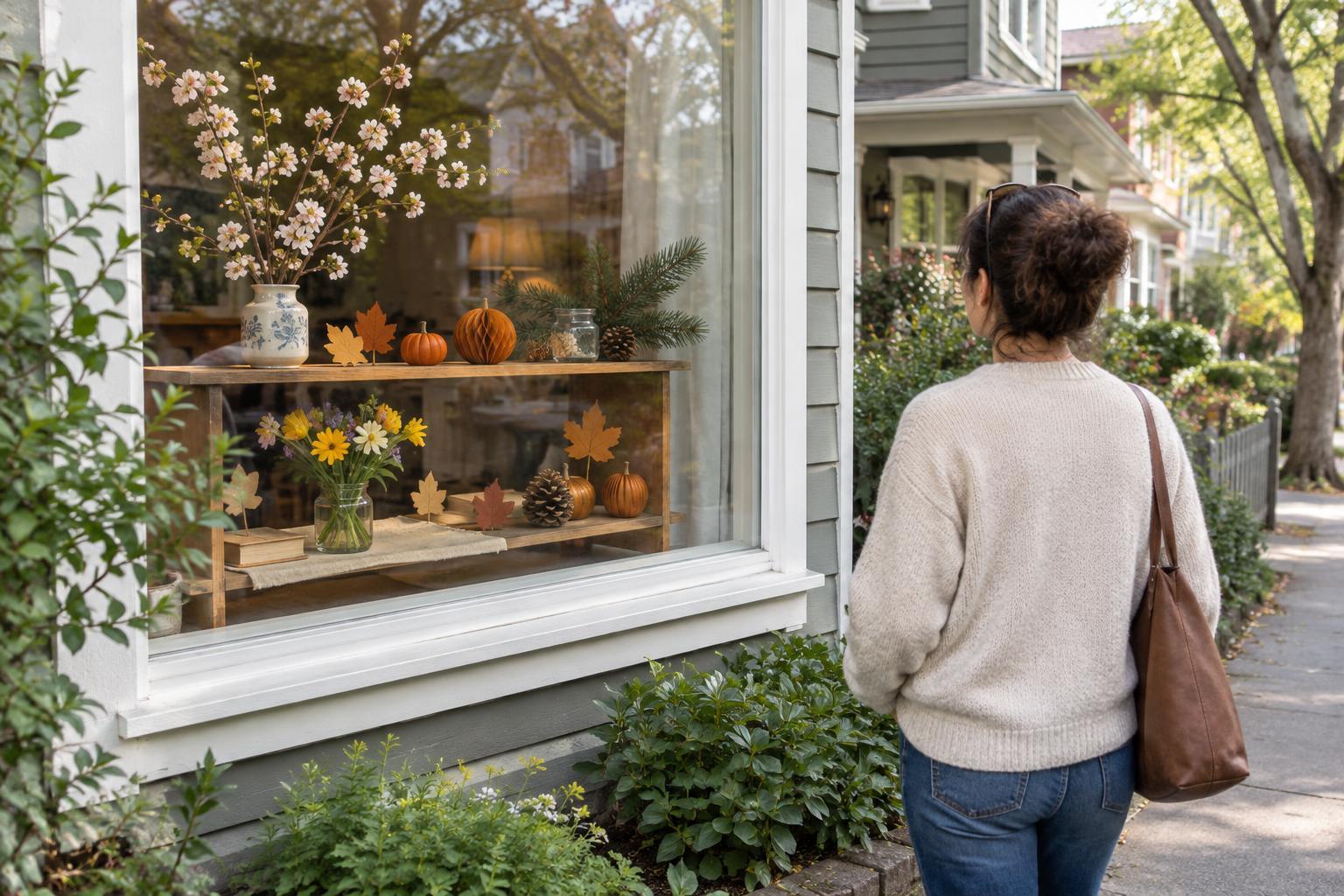
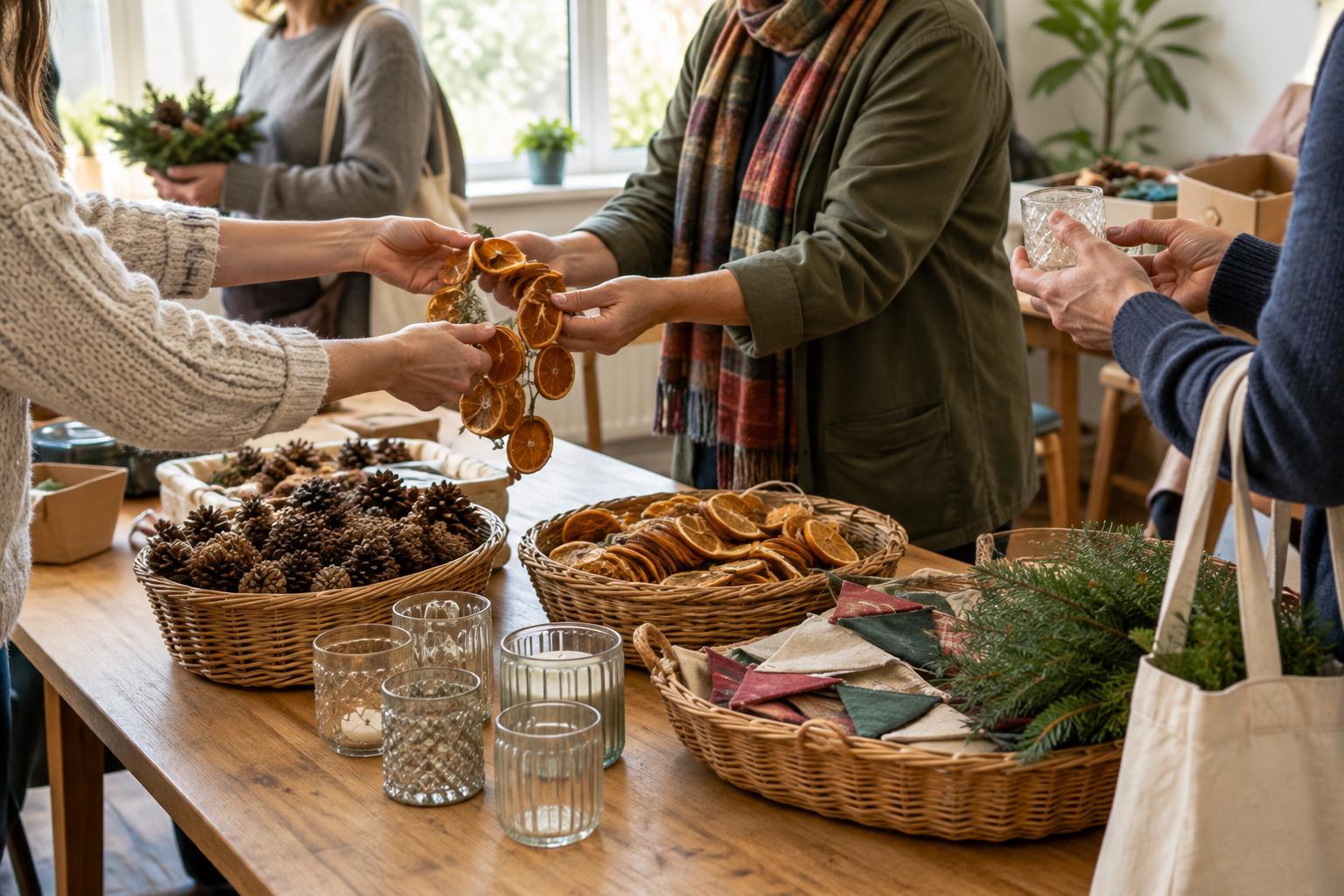
A welcoming display does not need a theme or a competition. Battery-powered lanterns, window silhouettes and warm strings of lights can make the route inviting while giving hosts freedom to decorate in their own way. If neighbors contribute displays, invite a variety of winter images rather than asking everyone to match a single holiday style. Participation should be optional; an unlit porch is not a missing contribution.
Think about how the light feels to people nearby as well as to walkers. Point portable lights toward the path, not into windows or drivers’ eyes. Avoid flashing effects if a steady light will do. Keep cables, stakes and decorations out of walking areas, and check local rules before placing anything in a shared space. Turning temporary lights off after the walk is a considerate choice for households and neighbors.
Make participation easy, not performative
A few volunteers can greet arrivals, walk near the back of the group and help with directions. Give them simple roles rather than asking them to lead a program. At the start, share the route, approximate pace and return point. Then allow conversation and quiet observation to happen naturally. Some people will come with friends; others may prefer to walk alone within sight of the group.
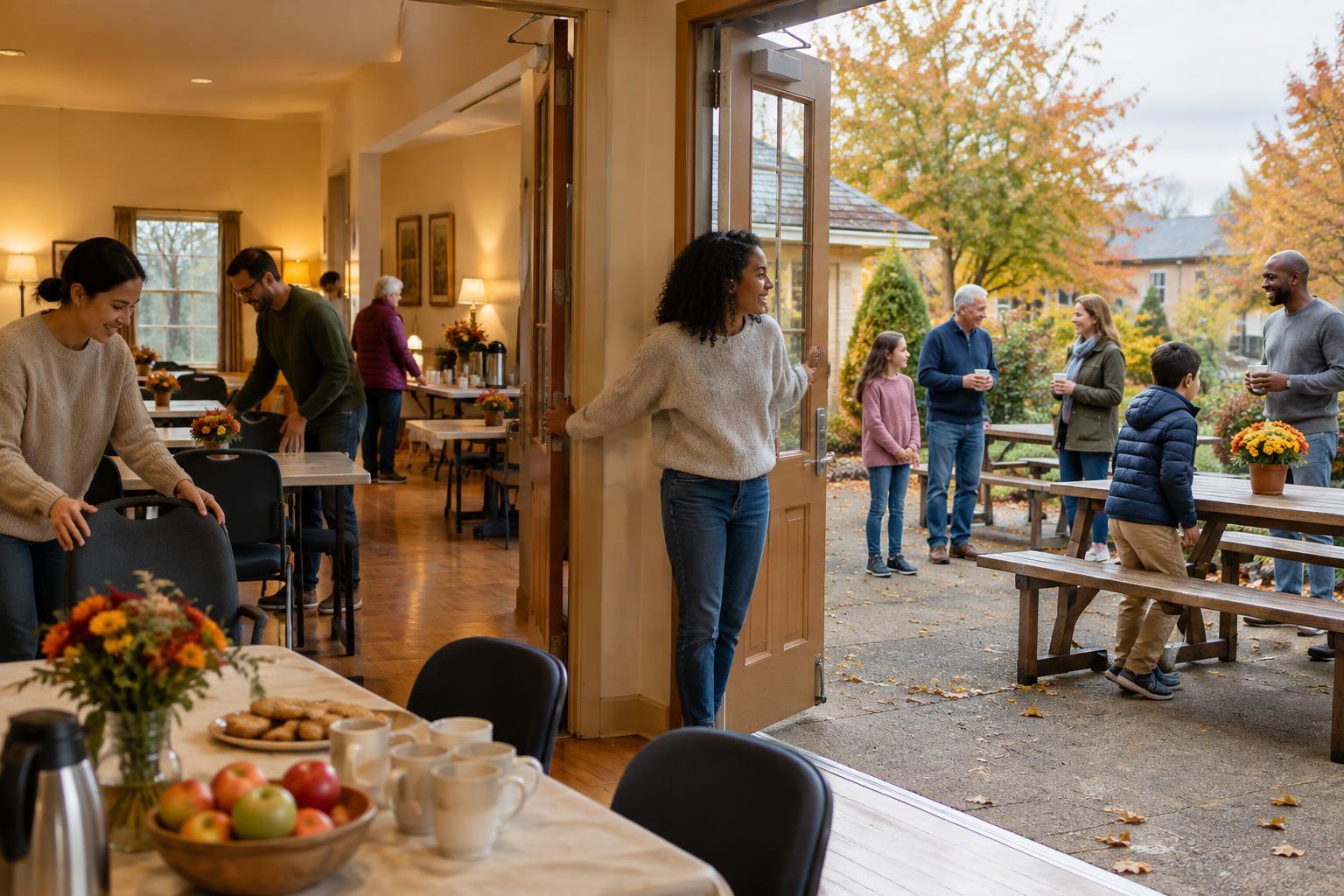
If you offer a gathering afterward, keep it low-pressure. Water, a warm nonalcoholic drink or a place to sit can be enough. Label refreshments clearly, and make it comfortable to decline them. Likewise, avoid assuming everyone wants a photo taken or shared. Ask permission before photographing people, especially children. These small choices help guests take part without feeling they must explain their preferences.
Close with gratitude and leave room for next time
At the end, thank walkers, volunteers and neighbors who welcomed the group past their displays. There is no need for a closing ceremony: a clear reminder of the way home may be the most helpful farewell. If the walk prompted new conversations, consider inviting neighbors to suggest a future outing, such as a daylight nature walk or a spring window display.
Afterward, note what worked and what could be easier next time. Was the pace comfortable? Were the directions clear? Could someone join without walking the full route? A winter lights walk succeeds when people can enjoy it on their own terms. The shared tradition is not a particular decoration or belief; it is the simple act of making room for one another on a winter evening.