Start with one window and a simple purpose
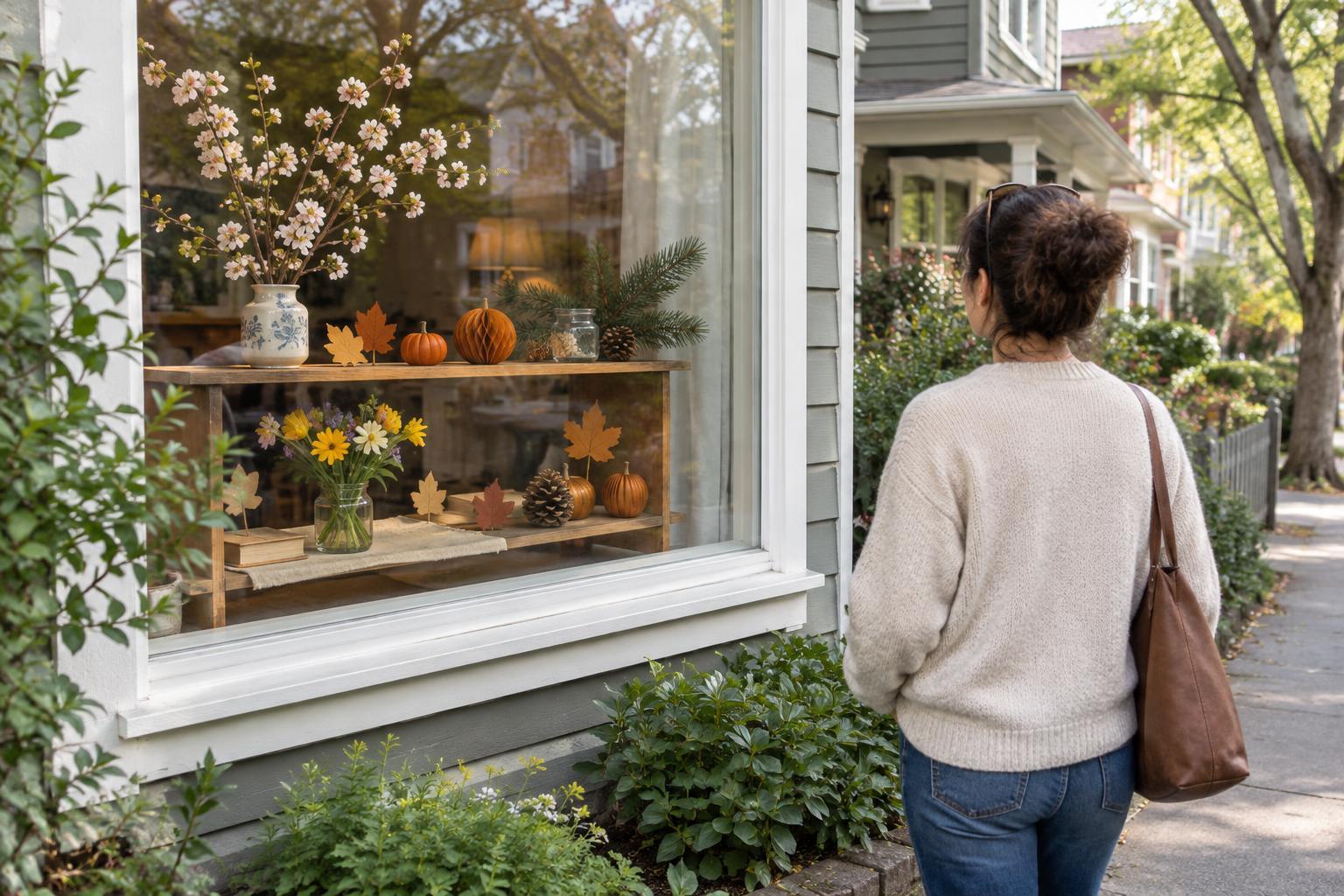
A neighborhood window display does not need a storefront or a large budget. A front window, a shared-room window, or a window at a participating local space can become a small point of interest along an everyday walk. The best place is one that people can see without stepping onto private property or blocking a path. If the window belongs to someone else, ask permission before planning around it.
Decide what you want the display to offer. It might mark the changing seasons, celebrate ordinary neighborhood kindness, or give children and adults something cheerful to notice on the way home. A clear purpose makes choices easier: a display meant to be seen from the sidewalk needs bold shapes and few words, while a display viewed up close can include smaller details.
Build a reusable foundation
Begin with a background and a few pieces that can stay in place all year. A length of fabric, a paper skyline, or a row of cardboard houses provides a familiar setting. Then leave an open area for seasonal items. Choosing two or three colors for each change helps the window look intentional without requiring matching supplies.
Reusable materials keep the project manageable. Cut shapes from cardboard, make double-sided paper decorations, or hang lightweight objects from removable hooks suited to the surface. Store pieces flat in labeled envelopes or a box so the next change is easier. Before attaching anything, check that tape or hooks will not damage the window frame and that decorations will not interfere with opening the window, using blinds, or seeing outside.
Think about the view at different times of day. A piece of dark paper may stand out against a bright room but disappear after sunset; a pale shape may do the opposite. Test the arrangement from the public viewing spot before making it permanent. If you add lights, use them only where they can be used safely, and keep cords out of walkways.
Give each season its own small scene
A seasonal display works well when it changes one recognizable part of the scene rather than starting over each time. In spring, paper shoots might appear beneath the same row of houses. Summer could bring bright kites or garden shapes. Autumn might add leaves gathered from colored paper, and winter could turn the background into a quiet scene of stars, mittens, or snowflakes. These are starting points, not a required calendar.
Local details can make the window feel like it belongs to its street. A drawing of a familiar footbridge, a shared garden bed, or a bus stop can sit alongside the seasonal shapes. Avoid representing a neighbor’s home, name, or personal story without asking. You can also keep the display broadly welcoming by choosing images that do not assume everyone observes the same holidays.
Invite participation without creating a chore
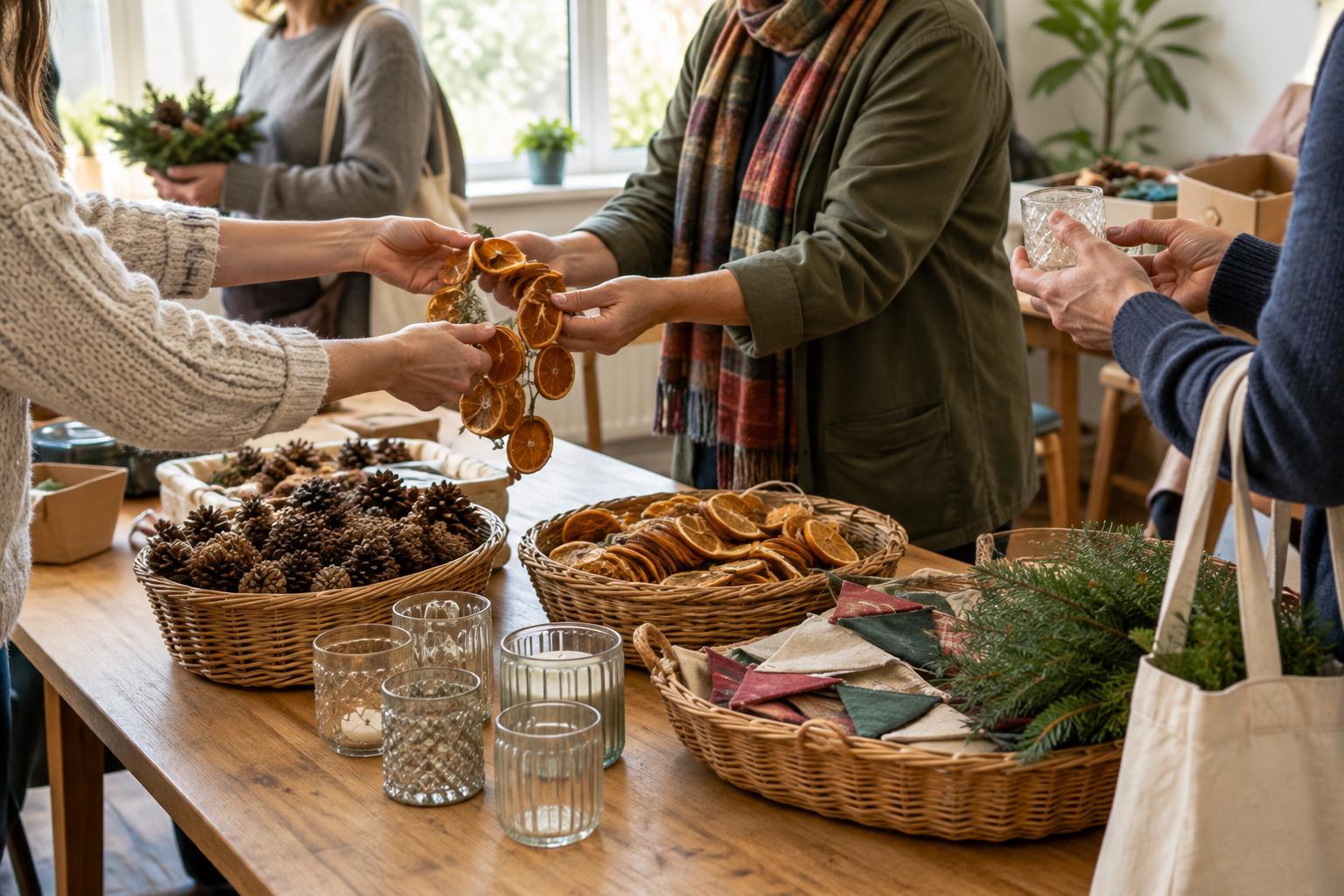
If neighbors would enjoy contributing, offer one small, specific task at a time: cut out a leaf, suggest a color, or draw a favorite sign of the season. Tell people where to leave contributions and when they need to arrive. Participation should be optional, and the window should still work if only a few people join in.
For a display in a shared space, agree in advance on who will put items up, take them down, and store them. Keep any invitation to contribute short enough to read easily from the intended viewing spot. If children are helping, choose age-appropriate materials and have an adult handle tasks that involve sharp tools, ladders, or electrical items.
Make changing it part of the tradition
A modest schedule is easier to sustain than a perfect one. You might refresh the window near the start of each season, or simply when the previous display begins to feel tired. Take a quick photo before removing anything; it can help you remember what worked, though you need not share the photo. Set aside time to clean the glass and check that stored pieces are still usable.
The pleasure of a neighborhood window often lies in its familiarity. People can notice that a new leaf, kite, or star has appeared in a place they pass regularly. Leave room for that quiet discovery. A display that is cared for, easy to see, and pleasant to change can become a shared tradition without asking much of anyone.