Start with the gathering, not the setting
A spring picnic, autumn craft afternoon or winter potluck may seem to suggest an obvious location. Yet the best venue depends less on the season than on what people will do together. A short walk and warm drinks call for different arrangements than a shared meal, a children’s activity or a quiet hour of conversation. Before choosing, write down the gathering’s main purpose and the parts that matter most: space to move, a place to sit, a table for supplies or enough quiet to talk.
Ask who is likely to attend and what would help them participate comfortably. Guests may need seating, nearby restrooms, a step-free route, shade or a predictable place to meet. You do not need to anticipate every individual need, but you can avoid treating access and comfort as last-minute extras. A simple invitation to contact the organizer about practical needs can also make planning easier.
Weigh the pleasures and limits of being outdoors
Outdoor spaces bring fresh air, room to spread out and a natural connection to the season. A familiar park or shared yard can make a casual gathering feel relaxed, especially when the activity does not require much equipment. But an open-air plan also depends on conditions that are hard to control. Rain, wind, heat, cold, fading daylight and damp ground can affect a gathering even when no single condition seems severe.
Consider the site as guests will experience it, not just as it looks during a planning visit. Is there a clear route from the entrance to the meeting spot? Can people sit without bringing their own chairs? Is there shelter from sun or a passing shower? Will food, paper crafts or decorations stay put in a breeze? If the answers require several complicated fixes, an indoor location may be the simpler and more welcoming choice.
Give the indoor option its own appeal
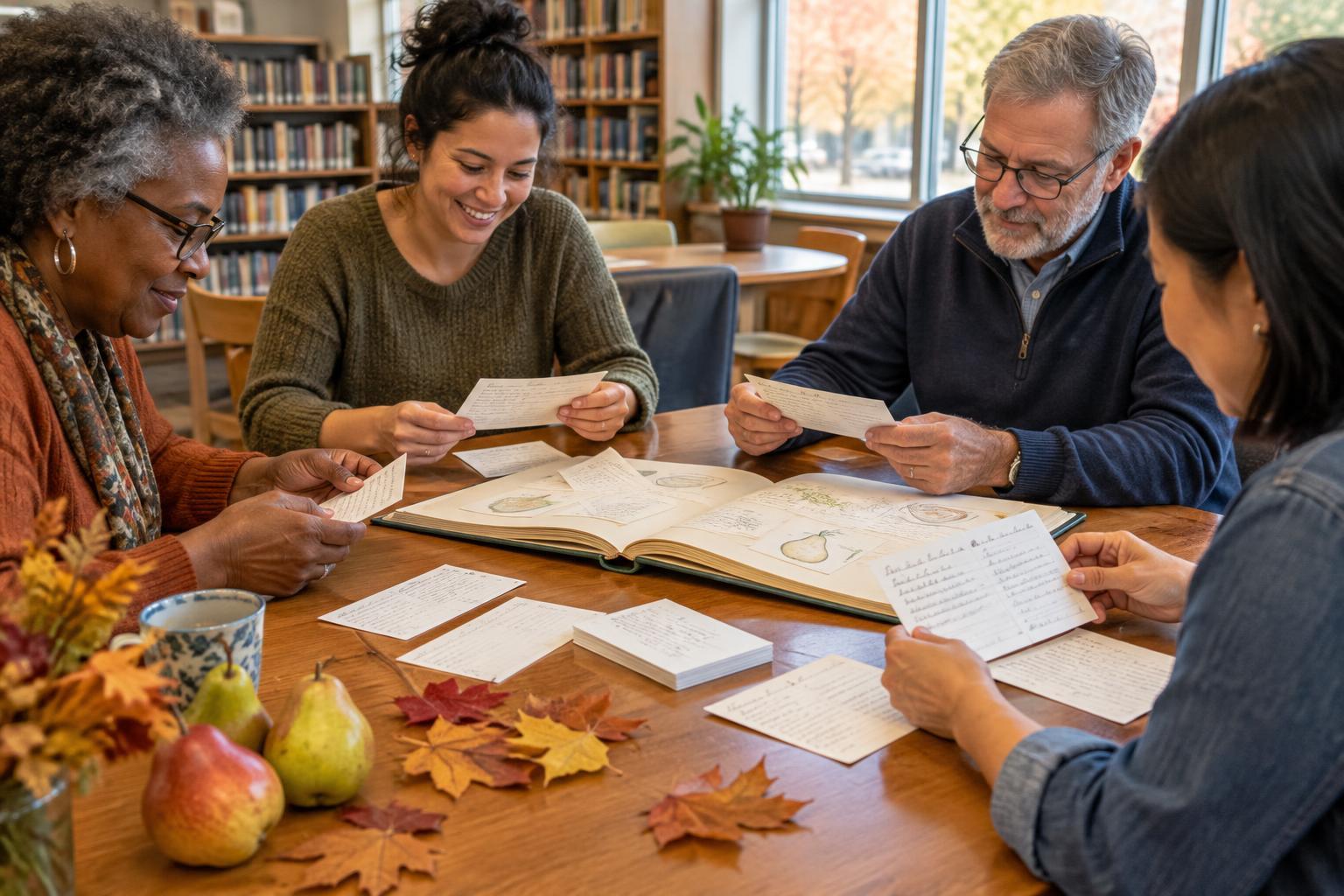
An indoor gathering is more than a fallback. It can offer steady lighting, tables, restrooms and a clearer plan for serving food or running an activity. It may also be easier for guests to find one another and settle in. If the event centers on storytelling, reading, making something together or sharing a meal, those advantages may matter more than a seasonal view.
Indoor spaces have limits of their own. Check whether the room fits the expected group without crowding, whether people can move through it easily and whether the noise level suits the activity. Ask about any rules for food, decorations, setup and cleanup before sending invitations. To bring the season inside, keep it simple: use a few branches or flowers, choose a seasonal snack, or open the gathering with a brief observation about what is changing outdoors.
Make a backup plan people can follow
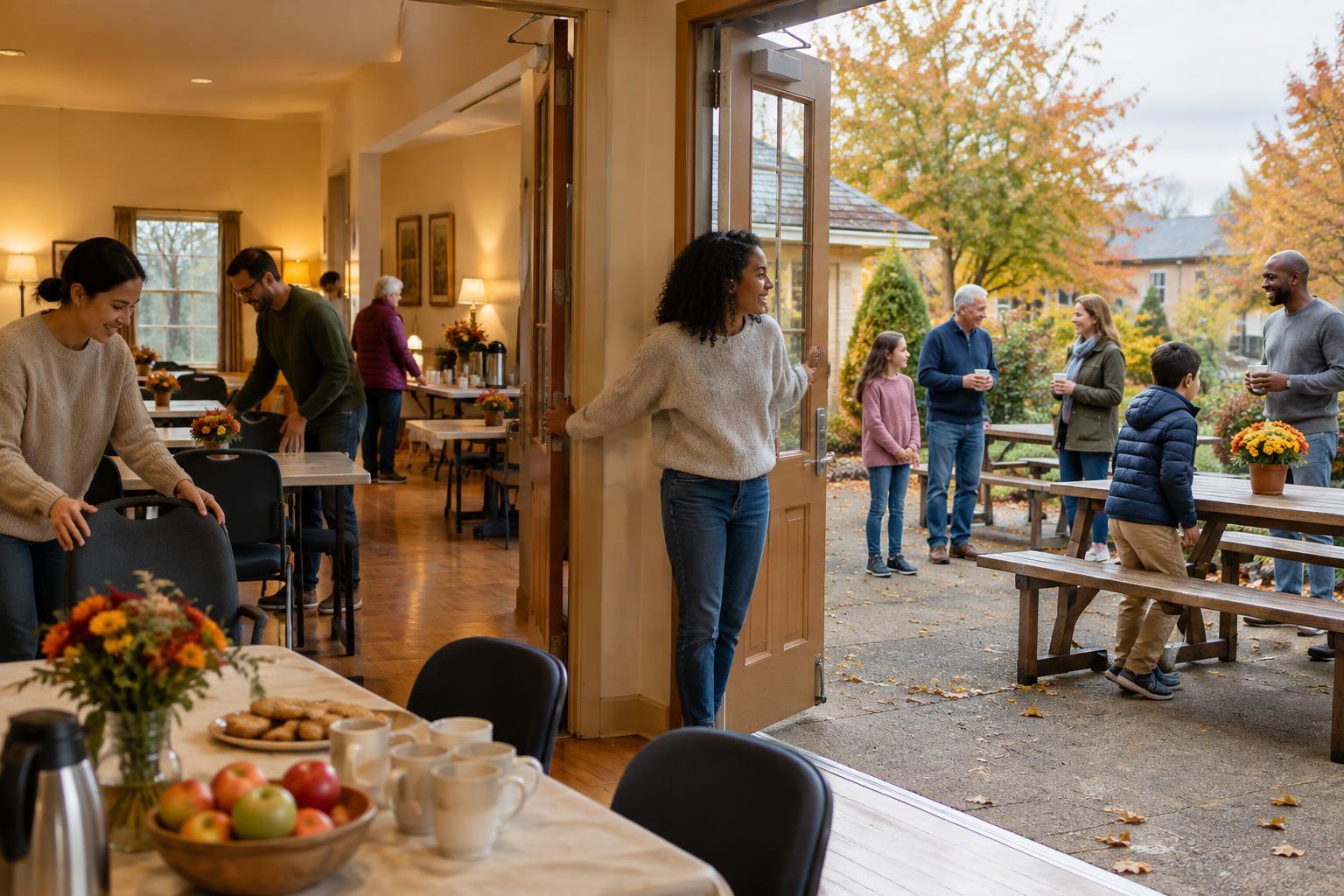
If you prefer an outdoor gathering, decide in advance what would prompt a move indoors. The trigger might be an uncomfortable forecast, wet ground, poor visibility or a condition that makes travel or participation difficult. Choose when the decision will be made and who will make it. A plan is most useful when the indoor space is actually available, large enough and reasonably easy for the same guests to reach.
Tell invitees about both locations from the start, along with when and how you will confirm the final one. Use the same communication method you used for the invitation, and make the update easy to spot. Avoid asking guests to guess whether the gathering is still on. If a venue change would disrupt an essential activity, prepare a smaller indoor version rather than trying to reproduce every outdoor detail.
Choose the option that supports the welcome
When both locations are workable, picture a guest arriving alone or for the first time. Which place has the easier entrance, the clearer meeting point and the better chance for a comfortable conversation? Those details often matter more than a picturesque setting. An outdoor gathering can be memorable when it is simple to navigate; an indoor one can feel just as seasonal when people have room to connect.
There is no need to prove that one setting is always better. Pick the place that best serves this particular gathering, name its limitations honestly and plan around them. A thoughtful choice—and a clear message if that choice changes—gives guests more freedom to enjoy the tradition you are building together.