Start with stories, not a potluck
A seasonal recipe collection does not need to begin in a kitchen. It can begin with a question: What food, drink or table tradition tells you a season has arrived? Someone might remember the first soup made when evenings turn cool, a fruit shared on a warm afternoon or a snack packed for an annual outing. Those memories give a collection its character, even when nobody makes the dish.
Set a modest scope so the project feels easy to join. You might gather favorites associated with one season, or invite one entry for each season of the year. Let contributors know that a recipe can be a detailed set of instructions, a rough family method or simply a memory of a dish they would like to learn more about. The aim is to make room for connection, not to test anyone’s cooking skills.
Offer many ways to contribute
Some neighbors enjoy writing recipes from memory. Others may prefer to describe the person who made a dish, the occasion when it appeared or the way a table was set. A contributor could draw a picture, suggest a title for the collection, help sort entries or read a draft for clarity. These are meaningful contributions, not substitutes for cooking.
Keep the invitation simple and specific: “Share a seasonal recipe or food memory, whether or not you cook.” Offer a few prompts for anyone facing a blank page. What did you look forward to eating at a particular time of year? Who taught you about it? Was it served at home, outdoors or at a gathering? What part of the tradition would you like others to remember?
Make it possible to respond in more than one format. A short handwritten note, an email, a phone conversation with a volunteer who can take notes, or a spoken story at a small gathering could all work. Ask before recording anyone’s words, and let them review a written version if it will be shared.
Make each entry useful and respectful
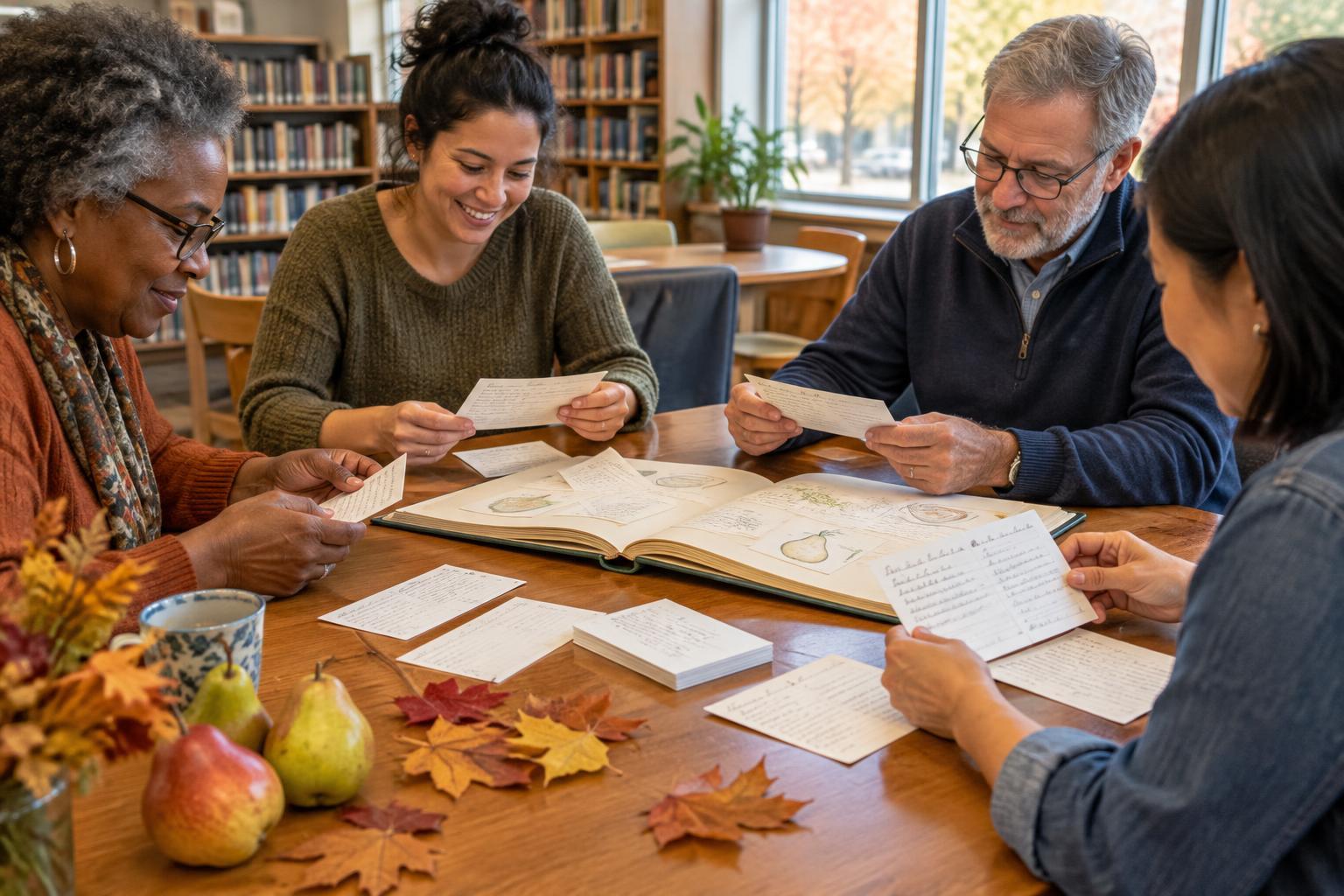
A simple entry template can help different contributions sit comfortably together. Leave space for a title, the season it brings to mind, ingredients and steps if known, and a short note about why it matters. Include a way to mark details as uncertain. “My grandmother added spices by taste” is more honest than inventing measurements, and it still tells readers something valuable.
Ask contributors how they want to be credited: by full name, first name, initials or not at all. If a story describes another living person, check that the person is comfortable being named. Recipes often carry family history, and contributors should be free to keep parts of that history private. Before publishing an entry, show its contributor the edited version and welcome corrections.
Consider adding a brief note that entries are shared as personal traditions, not tested instructions. Where ingredients are listed, encourage clear labels for common allergens and avoid suggesting that a dish is suitable for everyone. Readers can then make their own choices about what to prepare or adapt.
Gather and share without a cooking event
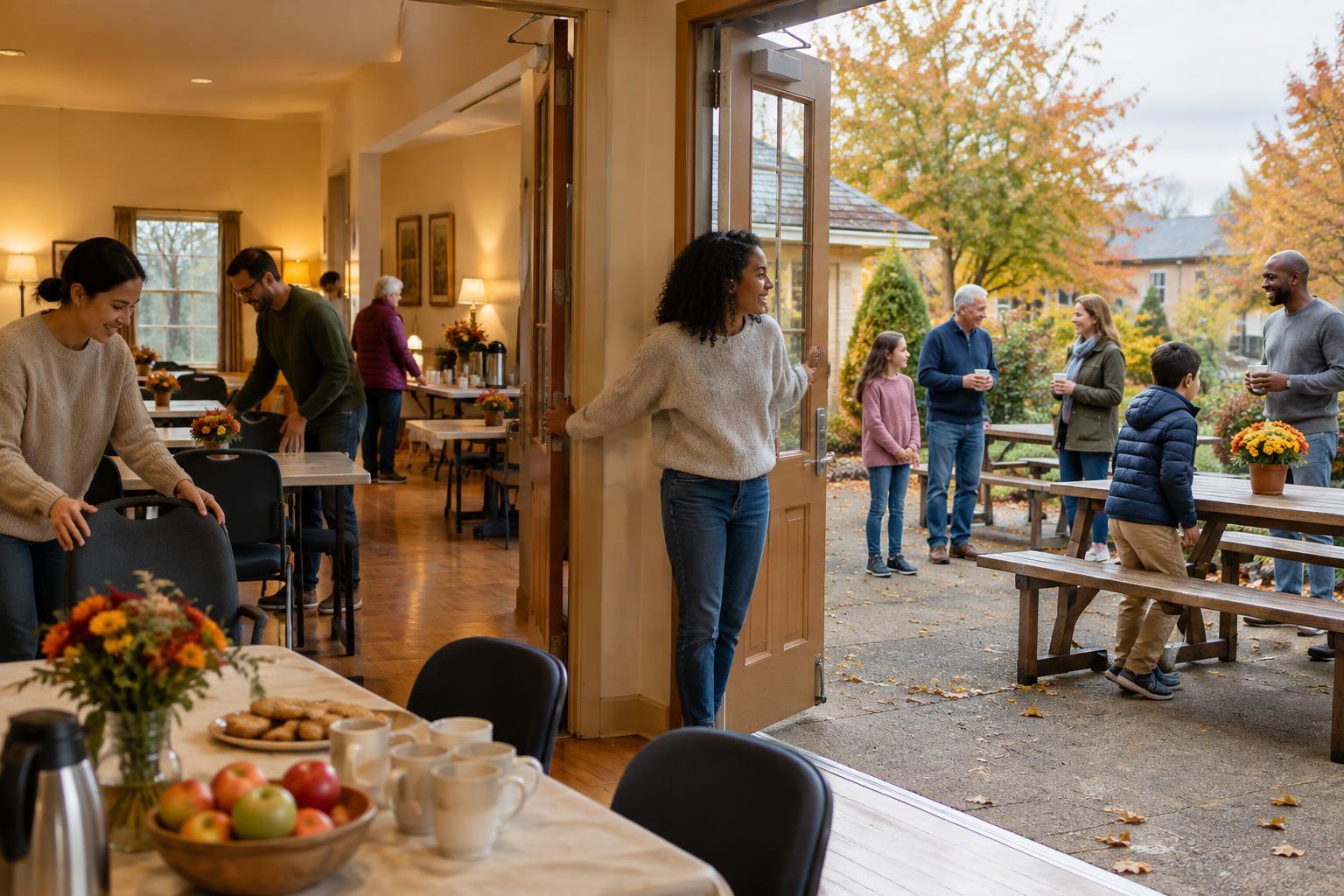
A collection can grow through a relaxed story circle, a display board with response cards or a folder passed among willing neighbors. At a gathering, read a few entries aloud and invite people to talk about the seasons they evoke. No food has to be served. This keeps participation open to people who lack kitchen access, have limited time, cannot comfortably cook or simply would rather tell a story.
Once you have a manageable set of entries, group them by season or by themes such as celebrations, ordinary weeknights and outdoor days. A small printed booklet is one option; a stack of pages in a shared space is another. If you make a digital version, offer an alternative for people who prefer paper. Use a format the group can maintain rather than aiming for a polished publication on the first try.
Leave room for the collection to change
Seasonal traditions are not fixed. New households arrive, familiar routines shift and people discover different ways to mark the year. Leave blank pages in a printed copy or keep a clearly labeled place for later additions. Invite corrections as readily as new entries; a missing ingredient or misspelled name is easier to fix when contributors know they can speak up.
You can also revisit the collection with a question that requires no cooking: Which entry reminds you of a place? Which story would you like to hear more about? In that way, the finished pages become a starting point for conversation. The collection succeeds not because every recipe is made, but because more people can see their memories and traditions welcomed.