Start with curiosity, not a résumé
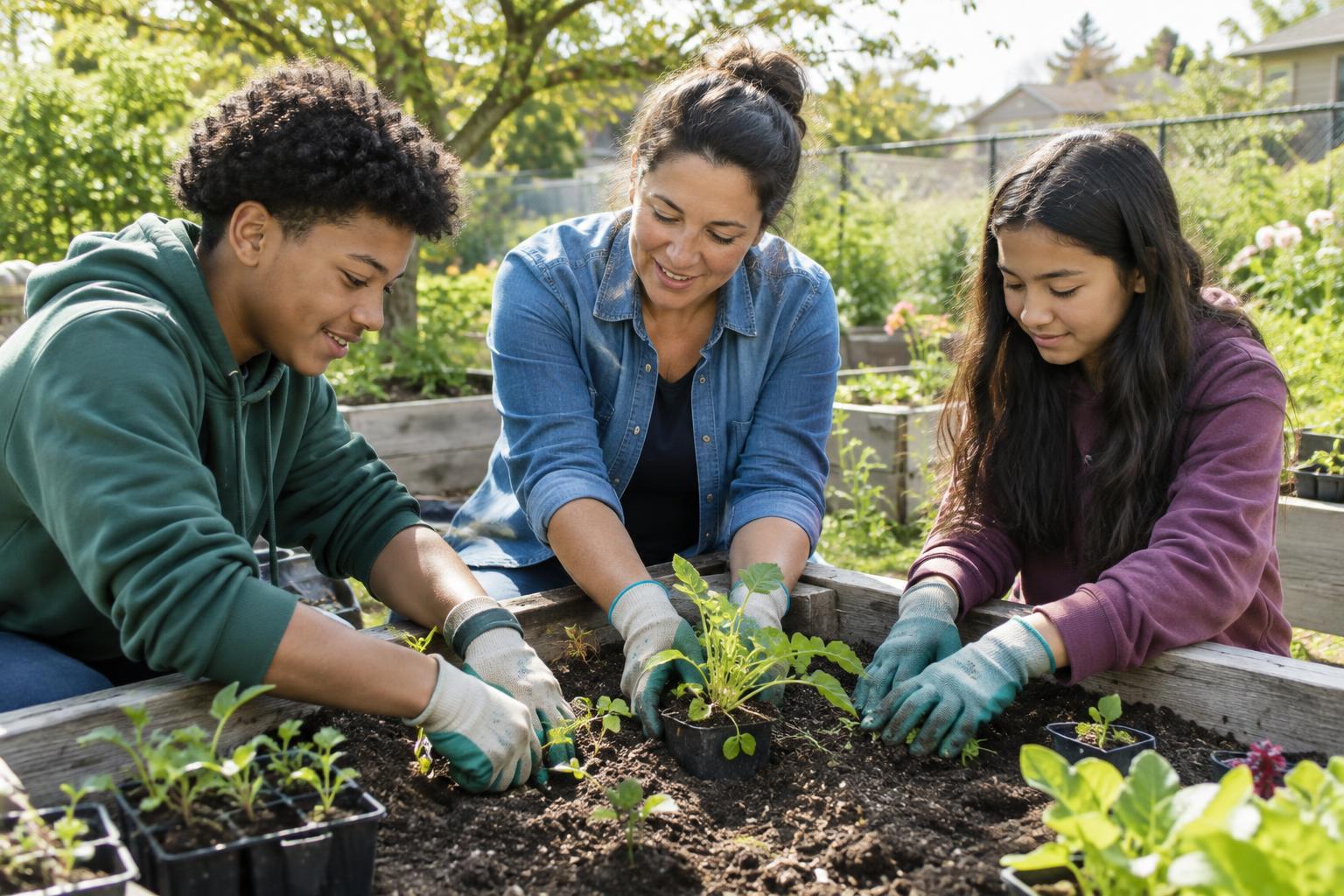
A teenager’s first volunteer experience does not need to be impressive to be worthwhile. Helping arrange chairs for a neighborhood gathering, sorting donated supplies or tending a shared garden can offer a real chance to contribute. Begin by asking what they enjoy doing, what they would like to learn and which community needs they have noticed. Someone who likes conversation may prefer welcoming visitors; someone who enjoys practical tasks may be happier preparing materials behind the scenes.
Keep the first commitment small enough to fit around school, rest and other responsibilities. A single event or a short trial period gives a teenager a way to discover whether the work feels like a good fit. It also leaves room to change direction. Volunteering should invite growing responsibility, not make a young person feel they must accept every request to prove they care.
Look closely at the opportunity
Before signing up, a teenager and a trusted adult can review what the organization actually asks volunteers to do. Useful questions include where the work happens, who supervises it, how long a shift lasts, what training is provided and whom to contact if plans change. Ask whether there are age requirements or tasks reserved for adults. A clear role description helps everyone understand what a successful day might look like.
It is also reasonable to ask how the group works with young volunteers. Will an adult be present and available? Are instructions given before tasks begin? Is there a straightforward way to report a problem or ask for a different assignment? An opportunity does not have to be elaborate to be well organized. If the answers remain vague or a teenager feels pressured to commit before understanding the role, they can pause and look elsewhere.
Make a simple safety plan together
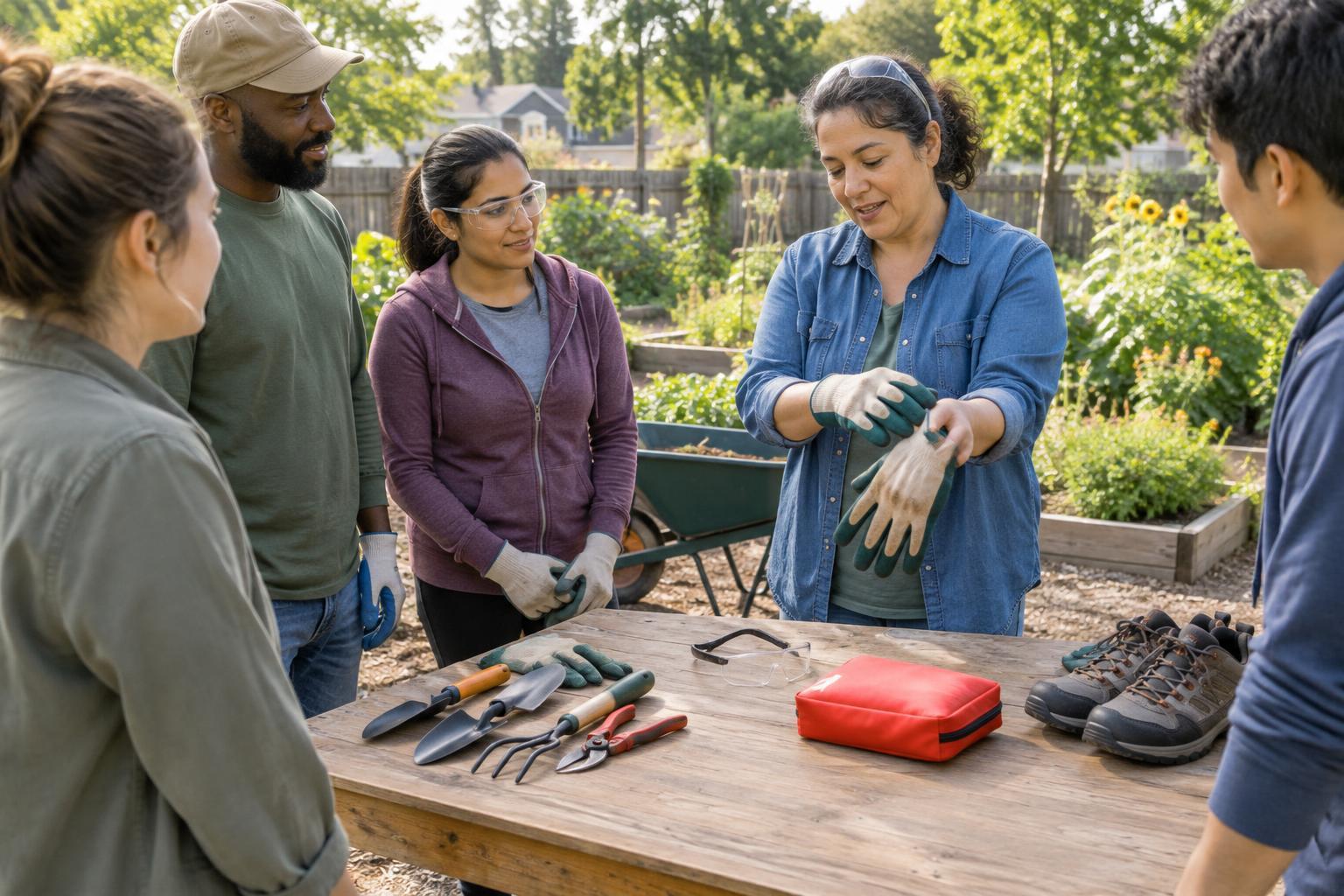
Practical planning can make a first shift less daunting. Agree on how the teenager will get there and home, where they will check in, when they expect to finish and what they should do if a ride is late. Make sure they know how to reach a trusted adult and the volunteer coordinator. For tasks involving tools, food preparation, outdoor work or lifting, they should receive instructions suited to the task and feel free to say when something is beyond their ability.
Talk about boundaries before they are needed. Teenagers can be friendly and helpful without sharing personal contact details, posting photos of other people or agreeing to meet someone outside the planned activity. They should know that they may step away and tell a trusted adult if an interaction or task feels uncomfortable. Families and organizers can check any applicable consent requirements and the organization’s own policies rather than assuming every opportunity follows the same rules.
Help them contribute without carrying too much
Meaningful work is work a teenager can understand and participate in, even if the task is modest. Organizers can explain how folding flyers, packing supplies or greeting arrivals supports the larger project. Whenever possible, offer a choice between suitable tasks and give clear instructions without hovering. A young volunteer should have room to ask questions, make ordinary mistakes and learn alongside others.
Some projects bring volunteers into contact with people facing difficulties. In those settings, teenagers benefit from guidance about listening respectfully, protecting privacy and leaving sensitive decisions to experienced adults. They are there to help, not to solve someone else’s life. Adults can also watch for signs that a commitment is becoming stressful and remind teenagers that contributing at a sustainable pace is enough.
Reflect, appreciate and choose what comes next
After a shift, an open-ended conversation often teaches more than a quick question about whether it was fun. Ask what surprised them, which task felt useful, who helped them feel welcome and what they might do differently next time. Listen if they say a role was boring, confusing or uncomfortable. That feedback can guide a conversation with the organizer or point toward a better opportunity.
Thank the teenager for showing up and paying attention, rather than measuring the experience only in hours completed. They may decide to return, try another kind of project or take a break. Each choice can be thoughtful. The aim is not to build a perfect record of service; it is to help a young person practice care for neighbors while learning to recognize their own interests, limits and strengths.