Start with the neighbor, not the story
Volunteering often brings people into one another’s everyday lives. A ride may reveal a medical appointment. A meal delivery may show who lives at an address. A conversation during a cleanup may turn personal. Protecting privacy means treating these details as belonging to the neighbor, not as material for a project update or a story to tell friends.
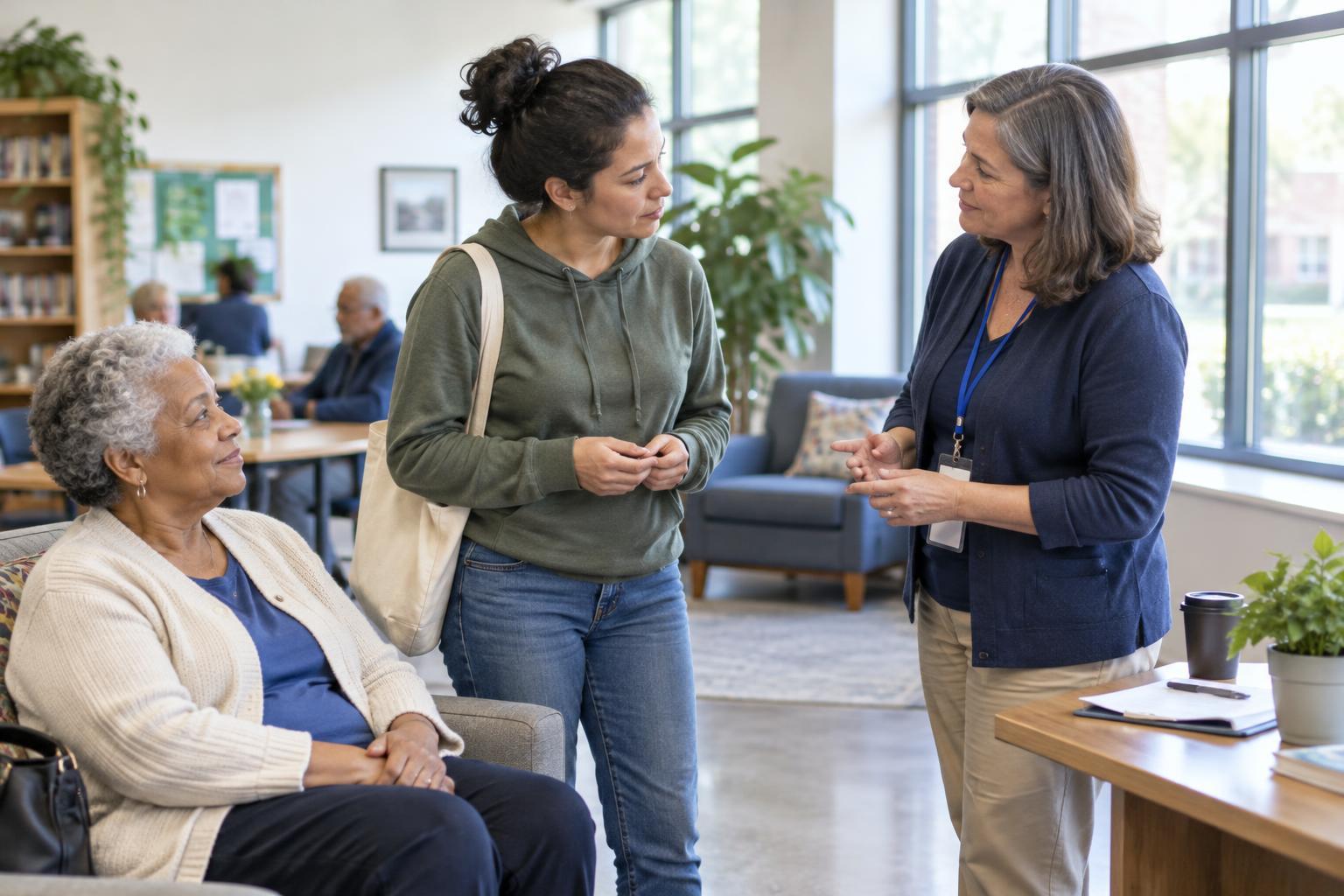
Before arranging help, ask what the person would find useful and how they prefer to communicate. Explain who needs to know the plan. A neighbor might welcome a volunteer at the door but not want their name in a group message, or might prefer a phone call to a public sign-up sheet. Do not assume that accepting help means agreeing to be identified.
Share only what the task requires
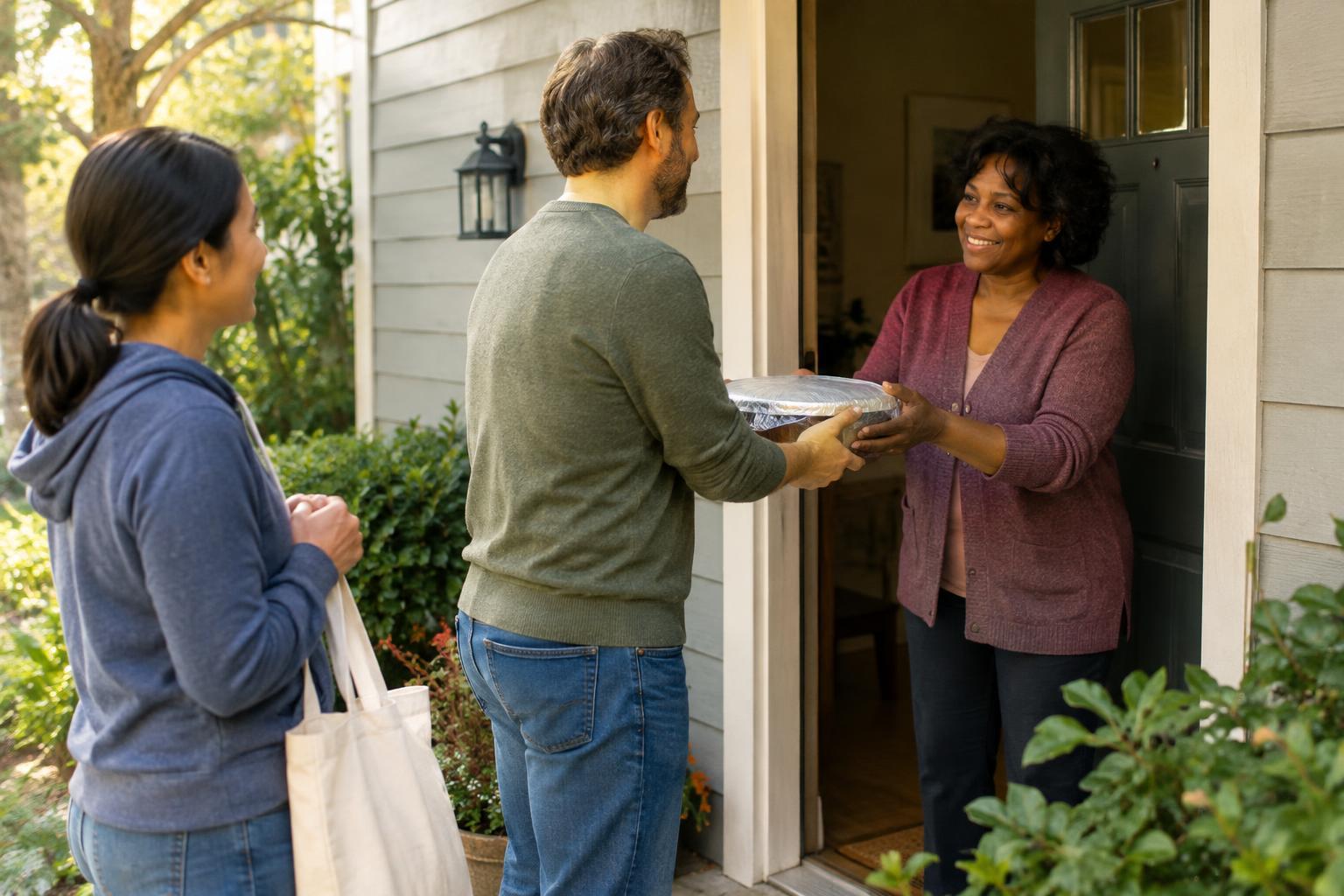
A volunteer making a delivery may need an address, a time and instructions for finding the right entrance. They usually do not need to know why the delivery was requested. When coordinating a project, separate practical details from personal background. Instead of explaining someone’s circumstances to the whole team, share a simple instruction such as “Please leave the bag at the side door.”
Keep contact lists limited to people doing the work, and use them only for the purpose neighbors agreed to. Avoid adding someone to a group chat without asking; group chats can reveal phone numbers to other members. If a project needs a sign-up form, collect only the details needed to coordinate it. Review who can see those details before sending a link or leaving a paper sheet where others might read it.
Pause before taking or posting a photo
Photos can celebrate a volunteer effort, but they can also reveal faces, homes, license plates or identifying details on a package. Ask before taking a recognizable photo, and ask separately before sharing it in a newsletter or online. Describe where it might appear so the person can make a meaningful choice. Give them an easy way to say no without losing access to help or feeling they have disappointed the team.
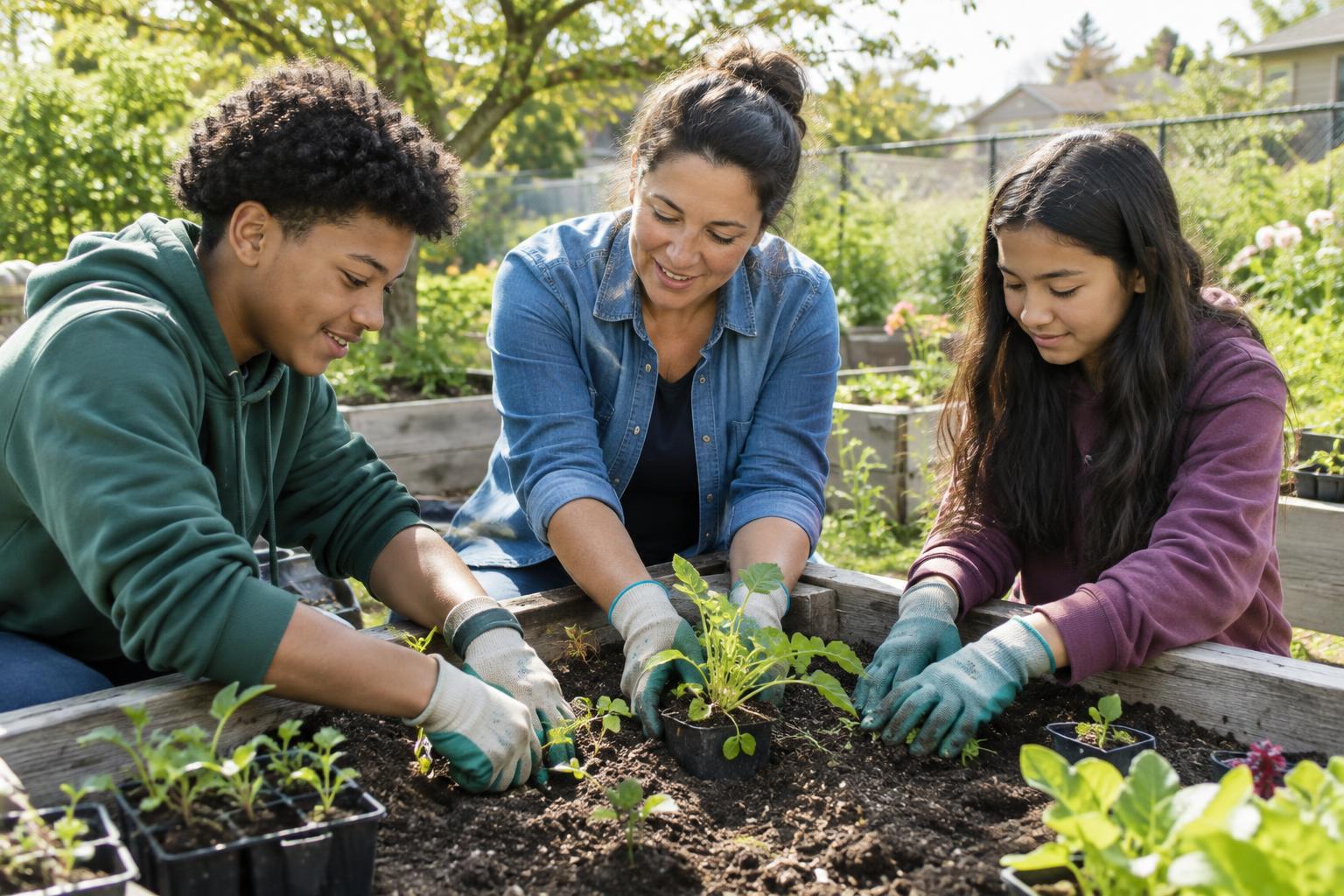
Be especially careful when children are present: check with a parent or guardian before photographing or identifying a child. When permission is uncertain, photograph the project rather than the people—a cleared path, a planted bed or volunteers’ hands at work. Before posting, look at the background as carefully as the main subject.
Handle notes and messages with care
Volunteer projects sometimes need records so the next shift knows what has been done. Keep notes brief and task-focused: a delivery was completed, a tool was returned or a follow-up call was requested. Avoid recording impressions about a neighbor’s health, finances, family or home. If a sensitive detail is needed to carry out a task, share it through the smallest practical circle rather than repeating it in every update.
Use reasonable care with paper lists and digital messages. Put sign-in sheets away after an event, check recipients before sending an email and avoid forwarding a neighbor’s message without permission. At the end of a project, decide which contact details are still needed and remove copies that no longer serve a purpose. If your volunteer group has privacy guidelines, make sure everyone knows where to find them.
Make discretion part of the culture
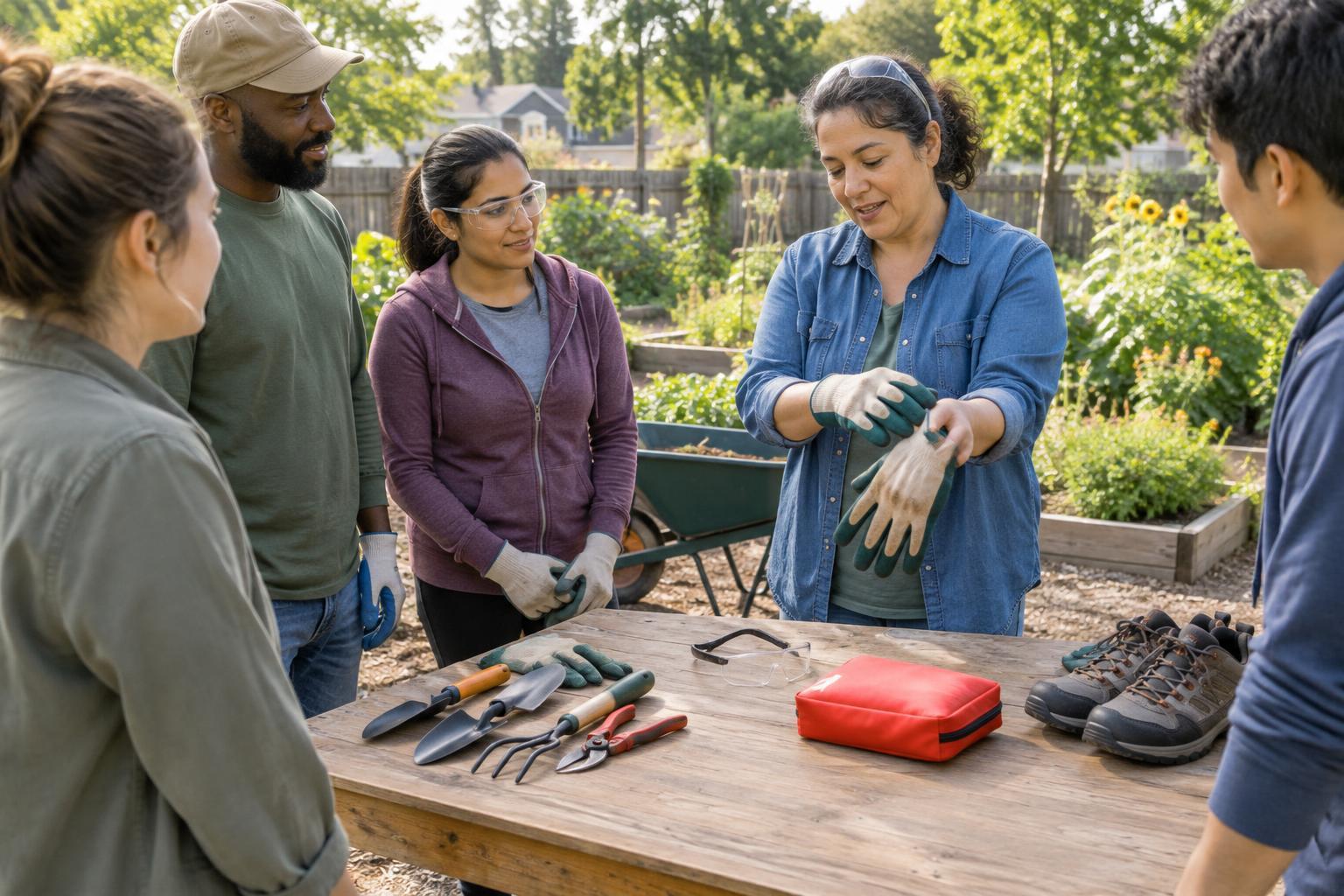
Privacy is easier to protect when a team treats it as a normal part of hospitality rather than an awkward exception. At the start of a project, agree on a few shared practices: ask before sharing names or photos, keep conversations about neighbors respectful, and direct questions to the person coordinating the task. A gentle reminder can help when someone begins telling a personal story that is not theirs to share.
Good intentions do not require a perfect script. If you share something by mistake, stop it from spreading where you can, let the appropriate person know and ask how to make things right. Above all, give neighbors control over their own participation. A volunteer effort can be warm, visible and welcoming while allowing the people it serves to remain as private as they choose.