Start with a clear picture of the work
Volunteering can feel informal: neighbors arrive, someone points to a task, and everyone gets started. That warmth is valuable, but it should not replace a basic orientation. Before beginning, ask what the project involves, who is coordinating it, where supplies are kept and whom to tell if something goes wrong. A few minutes of preparation can help people contribute with more confidence.
Training should fit the task. Sorting donated books may call for a brief explanation of lifting and storage. Using a ladder, handling cleaning products or operating powered equipment calls for more specific instruction and supervision. If no one can explain how to do a task safely, it is reasonable to wait, request help or choose a different job. Experience with a similar task does not always mean the equipment or setting will be familiar.
Match protective equipment to the task
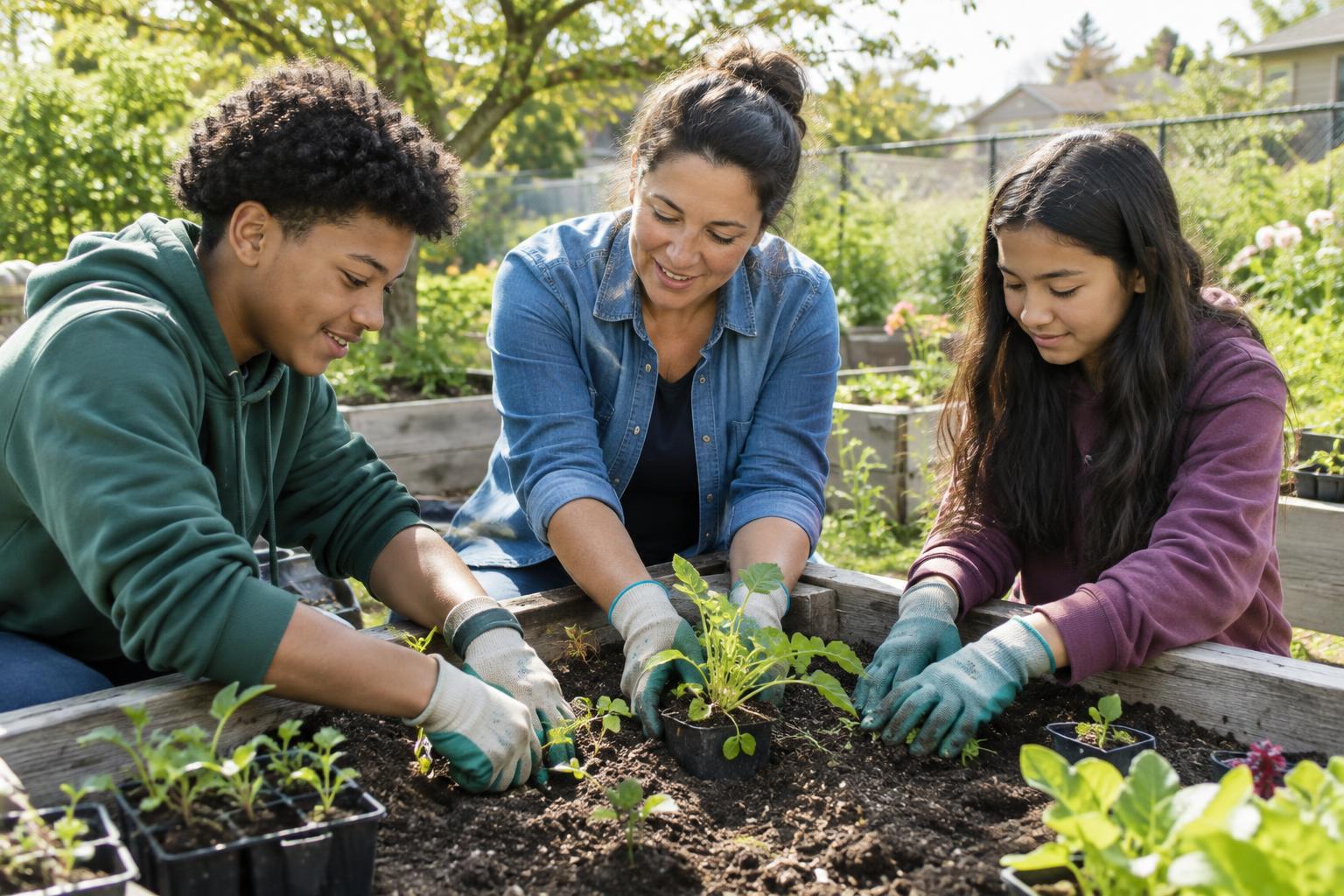
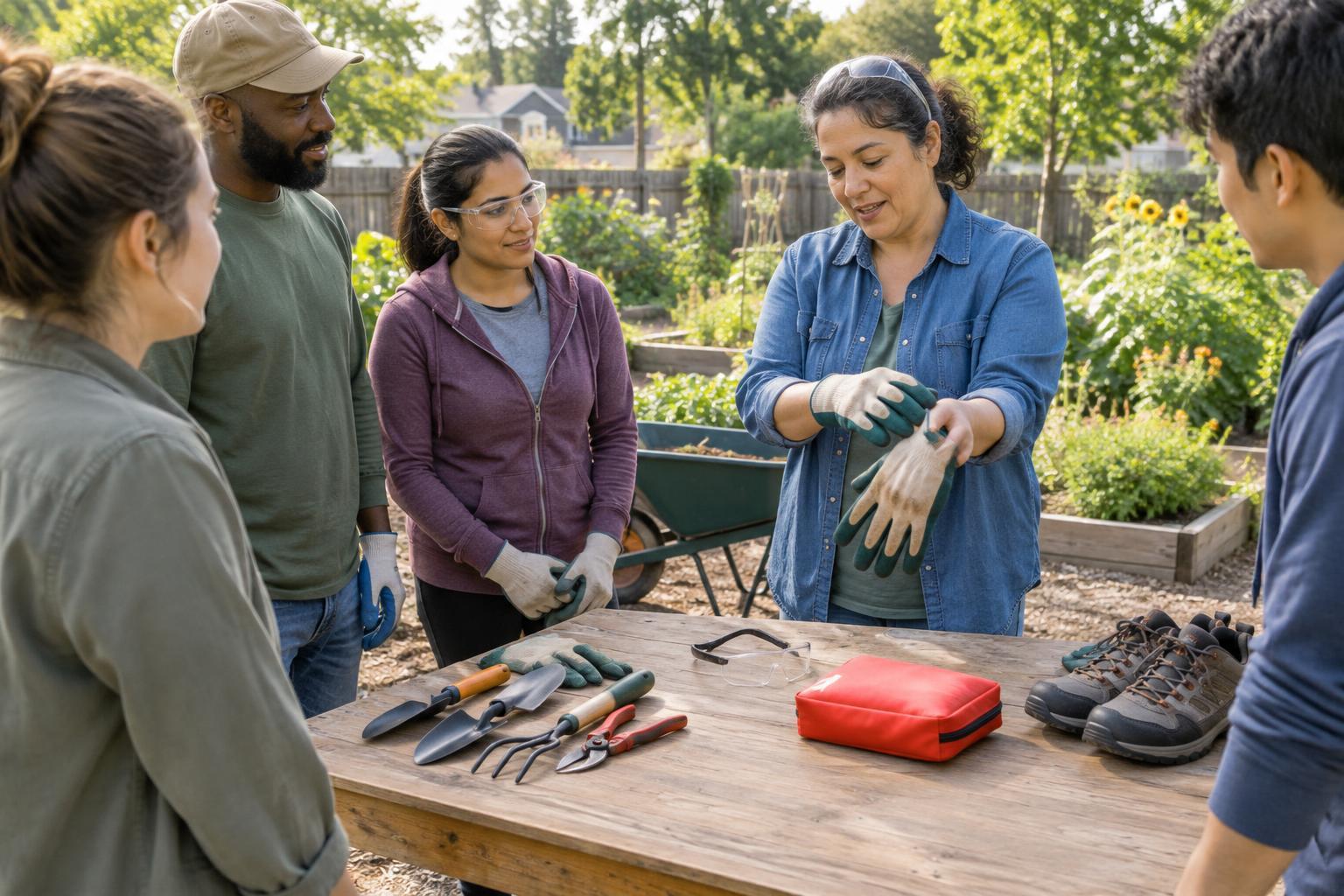
Protective equipment is most useful when it addresses a known hazard and fits the person wearing it. Depending on the project, that might mean sturdy closed-toe shoes, work gloves, eye protection, a high-visibility vest or hearing protection. Ask the coordinator what is needed before bringing your own gear. Check shared items for damage, and speak up if a glove, vest or other item does not fit properly.
Equipment is not a substitute for a safer way to work. Gloves do not make an unknown substance safe to handle, and eye protection does not remove the need to keep bystanders clear of flying debris. Read product labels and follow the project's instructions when using cleaning supplies. Do not mix products or use a tool you have not been shown how to operate. If the right equipment is unavailable, pause the task rather than improvising.
Work at a pace people can sustain
A community project often includes volunteers with different abilities, experience and energy levels. Divide large jobs into manageable parts, keep walkways clear and use a cart or a team lift when an item is awkward. Give people room to ask for a lighter task without explaining why. Breaks, drinking water and checking in with one another are ordinary parts of a well-run work session, not signs that someone is falling behind.
Pay attention when conditions change. A room may become crowded, a path may grow slippery, or a delivery may contain items heavier than expected. Outdoor work brings its own changes in footing, visibility and weather. When the original plan no longer fits the situation, tell the coordinator and agree on a new approach before continuing. A task can be postponed; a volunteer should not feel pressured to push through a concern to meet a schedule.
Know when to pause or stop
Stopping is appropriate when you are unsure how to do the work, notice damaged equipment, see an unstable stack or feel unable to complete a task safely. It is also appropriate when you are tired, distracted or asked to work beyond the role you accepted. Step back, let others know what you noticed and keep people away from an immediate hazard if you can do so without putting yourself at risk.
Project coordinators can make this easier by saying at the start that anyone may raise a safety concern. They can identify who makes decisions about changing or ending a task and how to report an incident or near miss. If someone is hurt or there is an urgent danger, follow the project's emergency plan and contact local emergency services when appropriate. Volunteers should not be expected to diagnose an injury or handle an emergency alone.
Make safety part of the welcome
A short closing check-in can improve the next workday. Ask what instructions were unclear, which supplies ran short and whether any task should be organized differently. Write down useful observations for the coordinator so the next group does not have to rediscover the same problems. Thanking someone for speaking up helps establish that safety concerns are contributions to the project, not interruptions.
The goal is not to make every neighborhood effort complicated. It is to give volunteers enough information, suitable equipment and permission to use good judgment. When people know their role and their limits, they are better able to offer their time generously—and return for another day.