Choose a date that gives people time to plant
A seed swap works best when neighbors still have time to plan what they want to grow. For a spring gathering, choose a date before most people in your area begin their outdoor planting. An earlier date also gives anyone starting seeds indoors time to use what they find. If your neighborhood has a mix of gardeners, ask a few of them what timing would be useful before settling on a day.
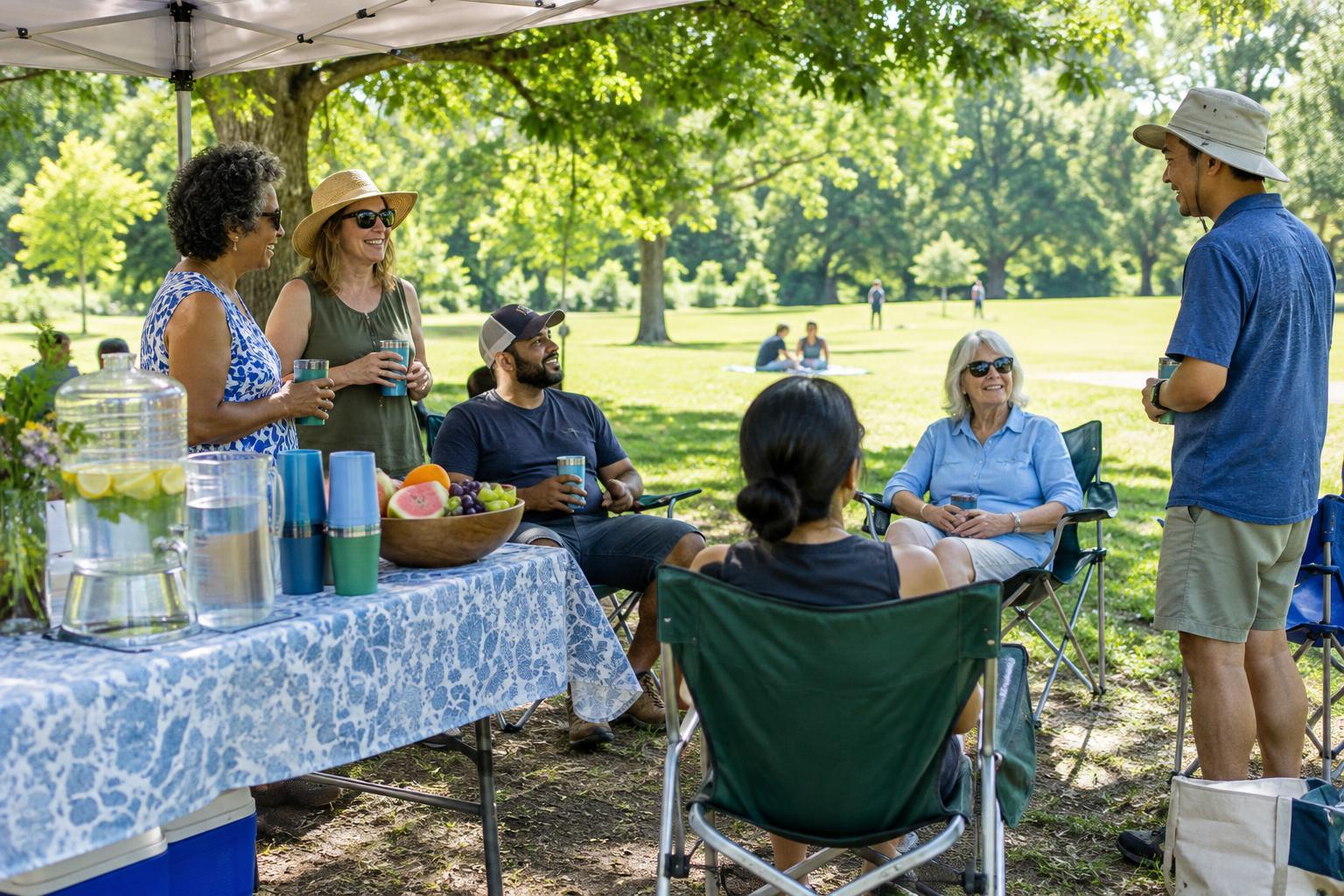
Keep the event simple to attend. A library meeting room, community space, or sheltered outdoor table may be enough, depending on the weather and what is available to you. Set a clear start and end time, and allow a little extra time for sorting before people arrive. On the invitation, say whether visitors may come without bringing seeds. That small detail can make the swap feel open to curious beginners as well as experienced growers.
Ask for seeds people can identify
Invite neighbors to bring unopened packets they will not use or seeds they have saved and can describe. Ask them to check that packets are in good condition and that saved seeds are dry and clean. A swap is more useful when everyone knows what is on the table, so encourage contributors to skip mystery seeds. It is also worth asking people not to bring plants that local rules restrict or species known to spread aggressively in the area.
Simple labels matter more than elaborate packaging. Each container should name the plant and, when known, the variety. Add the year the seeds were packed or collected, whether they were purchased or saved, and any helpful growing notes. If someone saved seeds from a garden where related varieties grew close together, they can note that the resulting plants may differ from the parent plant. No one needs to guarantee germination; an honest description lets the next gardener decide what to try.
Set up a table that is easy to browse
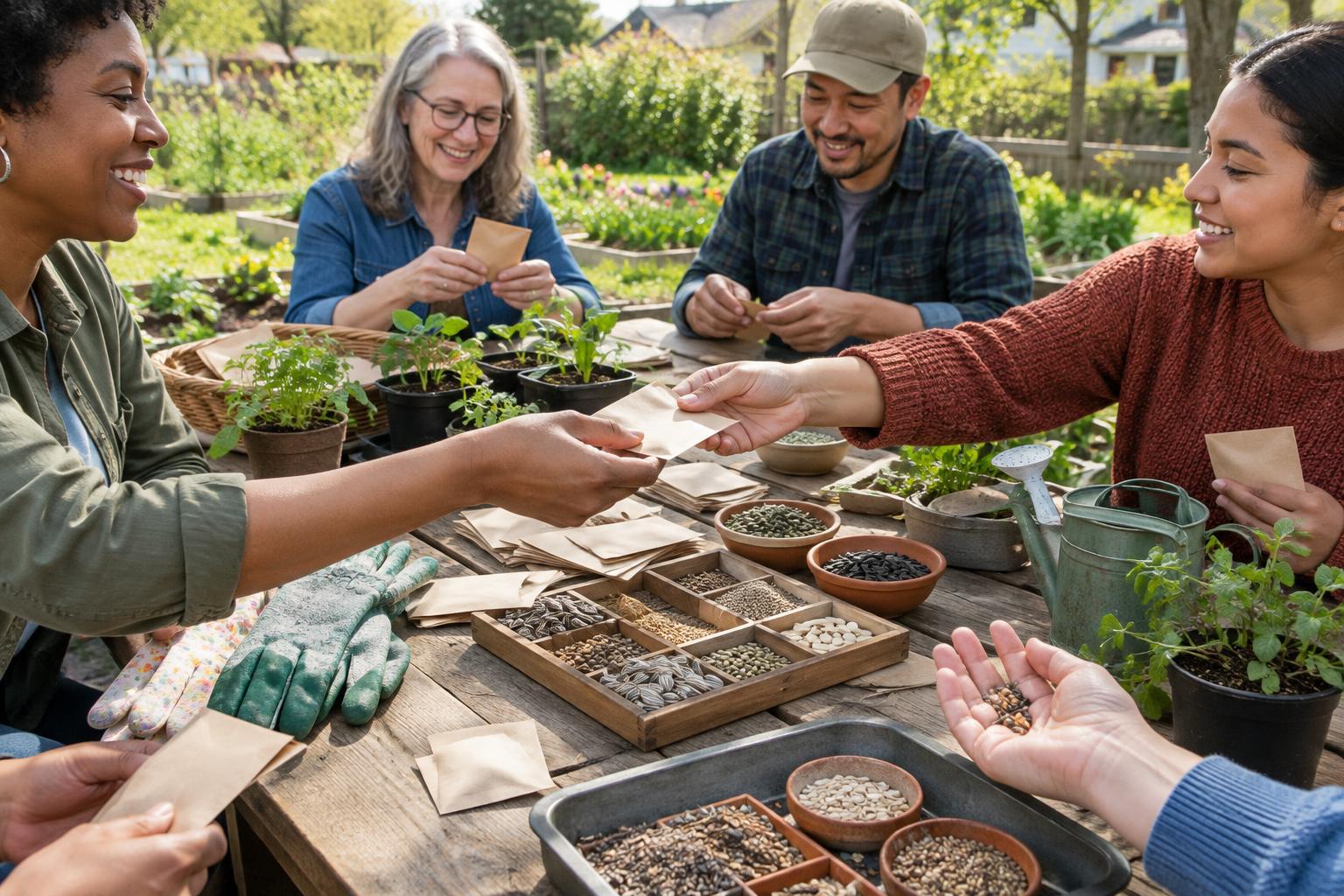
Arrange seeds in broad groups such as vegetables, herbs, flowers, and other suitable plants. Within each group, leave room for labels to face forward. Small bowls or boxes can keep packets from blowing away, while blank envelopes and pens help people divide larger quantities. Provide a separate spot for seeds that need more information, so a volunteer can help clarify a label before those seeds join the main table.
Post a short, friendly explanation of how the swap works. You might invite each person to take a few varieties on their first pass, then return later for more. This gives newcomers and late arrivals a chance to look around without turning the gathering into a strict trade. If space allows, add a table where neighbors can share growing experiences and ask questions. Conversation is often as valuable as the packets themselves.
Make sharing extras straightforward
Many gardeners have more of one seed than any single household needs. Instead of putting out a large packet for one person to take, divide it into smaller labeled portions. Keep the original packet nearby or copy its useful details onto each envelope. For saved seeds, offer modest amounts so more people can experiment. The goal is not to send everyone home with a full garden plan; it is to help neighbors discover a few things they are excited to grow.
Decide in advance what will happen to leftovers. Contributors may want their seeds returned, while others may be happy for them to go to a future gathering or a shared seed box, if someone has agreed to look after it. Ask before making that choice for them. Any seeds kept for later should remain labeled and be stored somewhere dry and appropriate for the type of seed.
Leave room for a welcoming tradition
A seed swap does not need expert speakers or a complicated schedule. A host can greet arrivals, explain the tables, and introduce people who want to compare notes. Invite experienced gardeners to share what has worked for them without making beginners feel they must already know the right questions. A few spare envelopes, clear signs, and a willingness to help are often enough to make the afternoon comfortable.
Before everyone leaves, invite them to write down one thing they hope to grow or one question they want to explore this season. Those notes can spark future conversations without creating an obligation to report back. Whether the seeds become a balcony herb pot or a garden bed, the swap offers a simple seasonal tradition: sharing what we have and making space for someone else to begin.