Begin with the people who will use it
A little free library can make sharing books feel like a natural part of a walk around the neighborhood. Before building a box or collecting donations, spend time thinking about who might use it. Is the hoped-for audience nearby families, people walking to a bus stop, or neighbors passing a shared garden? The answer can guide the location, the height of the shelves and the kinds of books you offer.
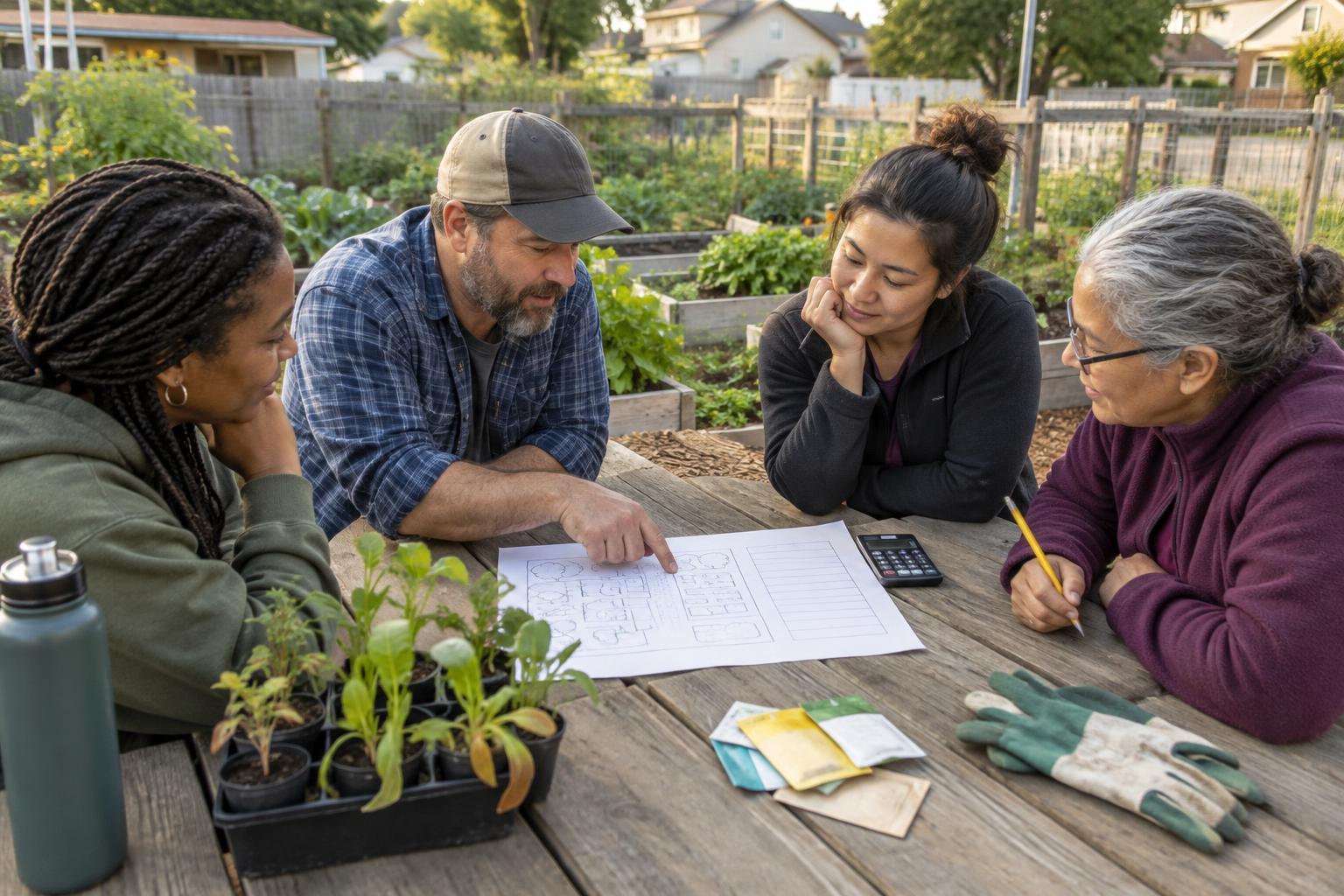
Talk with a few neighbors before settling on a plan. Ask whether they would use the exchange, what books they might enjoy and whether anyone would help care for it. You do not need a committee, but an interested neighbor can notice a loose door or an empty shelf when you cannot. A small, shared project is often easier to sustain than one person’s ambitious installation.
Choose a visible, accessible place
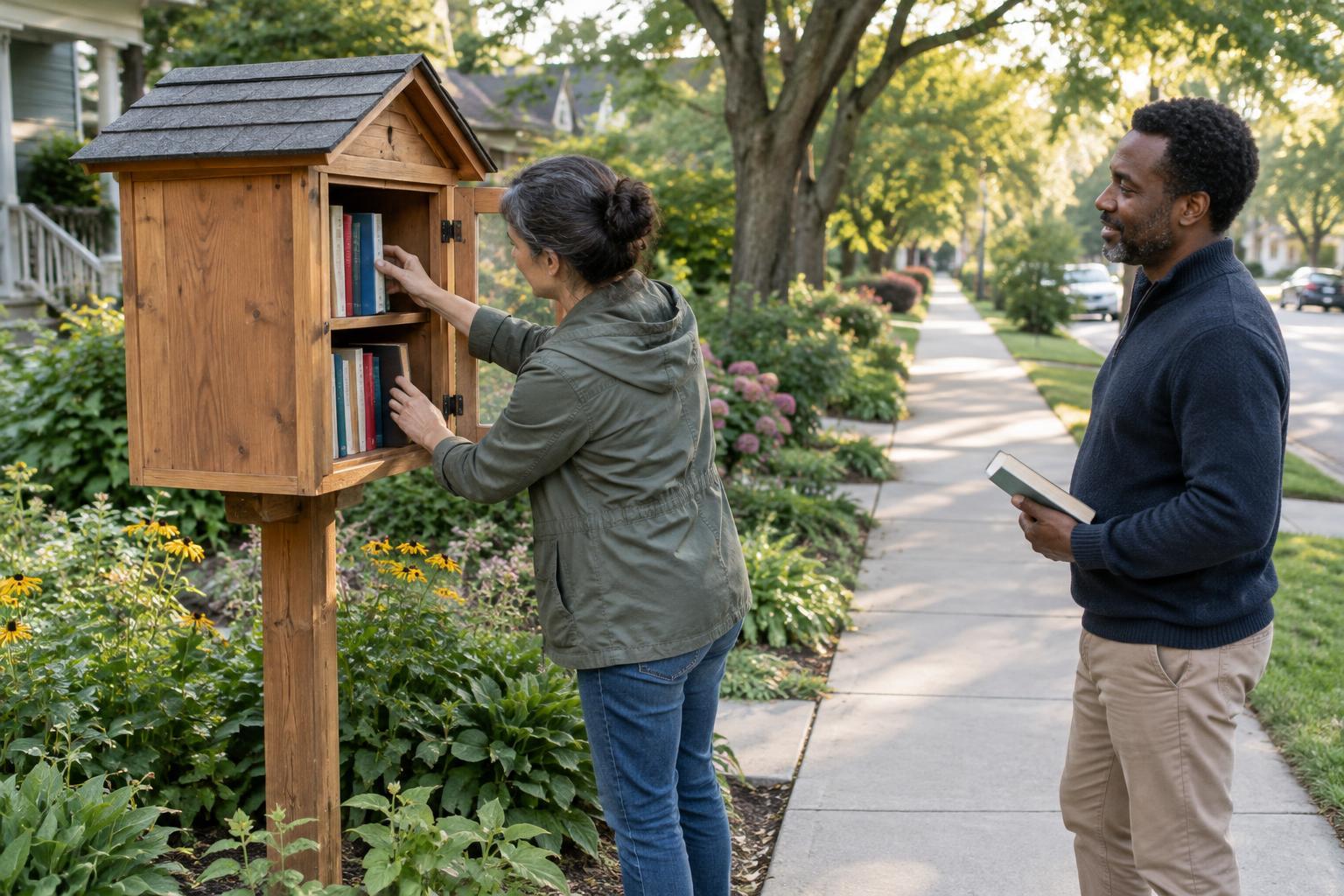
Look for a spot that people can find without entering a private yard or wondering whether they are welcome. A location along a commonly used walking route may serve more readers than a box tucked out of sight. Consider whether someone can approach it without blocking a sidewalk, driveway, doorway or path. Leave room for people to browse safely, including those using mobility aids or accompanying children.
Pay attention to ordinary conditions at the site. Will rain run toward the base? Will afternoon sun heat the books behind a clear door? Can the box be opened easily without stepping into traffic or standing in a muddy patch? A sturdy, weather-resistant box with a door that closes securely will protect books better than an elaborate design that is hard to repair. If the spot is exposed, plan for drainage and a level place to stand.
Get permission before installing anything
Even a small book box needs a clear agreement about where it can stand. If it will be on someone else’s land, ask the property owner first and discuss access, installation and who may remove or relocate it later. For a shared garden, apartment property or community space, find out who makes decisions for that site rather than relying on an informal yes from a visitor.
Do not assume the strip beside a sidewalk is yours to use. Property boundaries and local requirements can vary, and a box may affect pedestrian access or maintenance work. Check with the appropriate local office before placing a post near a public walkway, street or utility area. If digging is part of the plan, confirm where underground services are located through the process used in your area. When permission is uncertain, a box on clearly authorized private property is a simpler starting point.
Agree on responsibilities before the first book goes in. Decide who owns the box, who will repair it and what happens if the host moves or the location stops working. These conversations may feel less exciting than painting a door, but they help keep a friendly project from becoming an unexpected burden.
Stock the shelves with care
Start with a modest selection in good, readable condition, leaving enough space for visitors to add a book. A crowded box can make browsing difficult and may keep the door from closing. A mix of subjects and reading levels can invite more people in, but there is no need to predict every reader’s taste. Let the collection change as neighbors use it.
A short, friendly sign can explain the exchange: take a book, leave one if you can, and help keep the space tidy. Make it clear that no one has to donate in order to borrow. Check books before adding them, and set aside items with mold, water damage or missing pages. If donations begin to exceed the space available, keep a small reserve indoors or ask donors to bring only what fits.
Make ongoing care part of the plan
Visit regularly enough to notice problems while they are small. Straighten the shelves, remove damaged books, wipe away moisture and check the door, hinges and post. After heavy weather, a quick look can catch a leak before it spoils the whole collection. Keep a few basic supplies available so routine care does not require organizing a workday.
It also helps to decide how neighbors can reach the person caring for the box. A simple contact note inside the door can give people a way to report damage without posting anyone’s home address or personal phone number. If several volunteers are involved, share a light schedule and agree on what to do with excess books.
A little free library does not have to stay perfect or full at all times to be worthwhile. Watch how people use it and adjust: move a shelf, add more children’s titles or simplify the sign. With a good location, clear permission and steady attention, a small box can become a familiar place where neighbors share something they enjoyed.