Begin with the place, not the paint
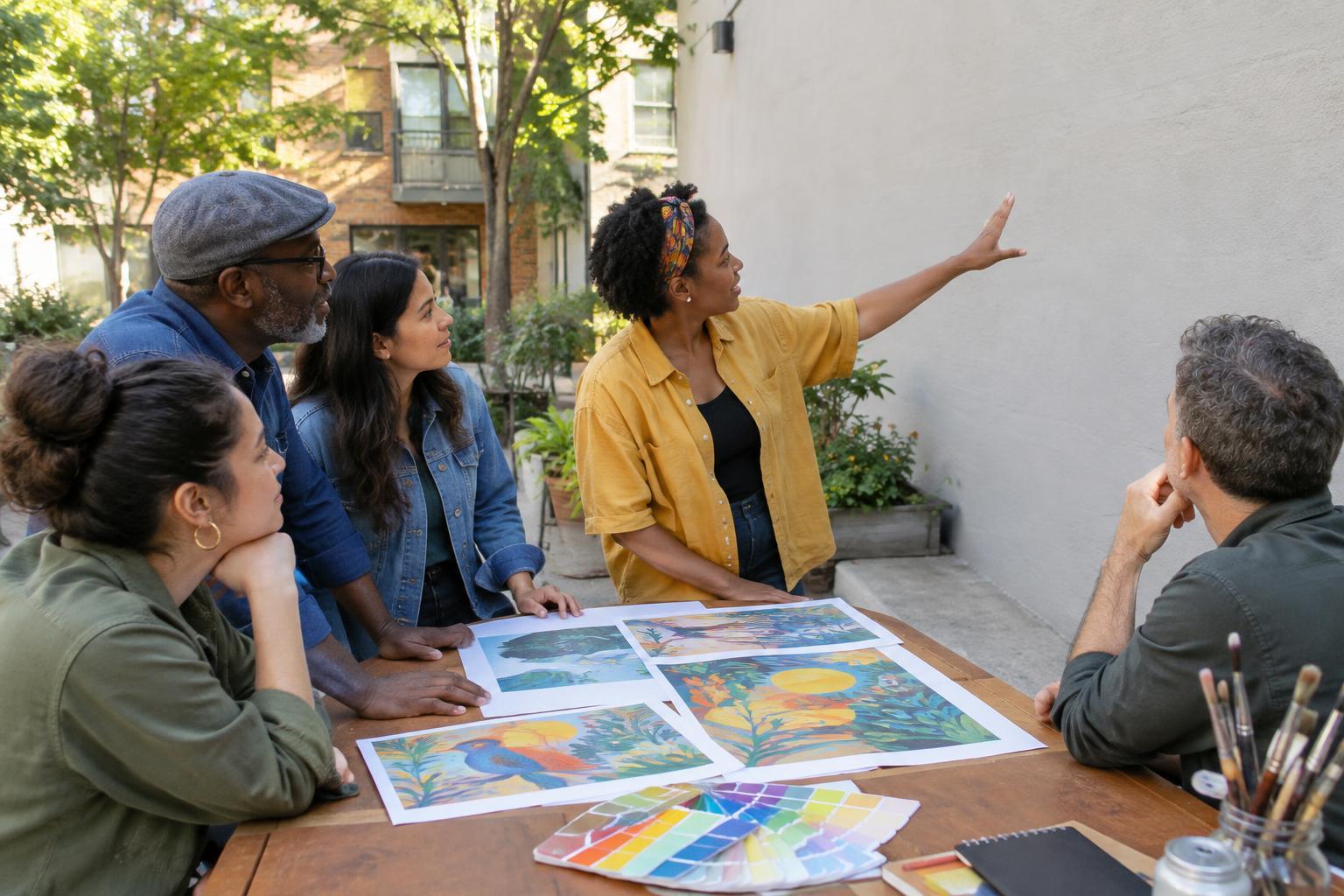
A mural is most likely to feel like a community project when the people who pass it every day have a chance to shape it. Before choosing colors or recruiting painters, spend time looking at the proposed wall. Who can see it? Is it near homes, shops, a walking route, or a gathering spot? Notice whether people might need room to pass while work is underway and whether the finished image would affect nearby windows, signs, or entrances.
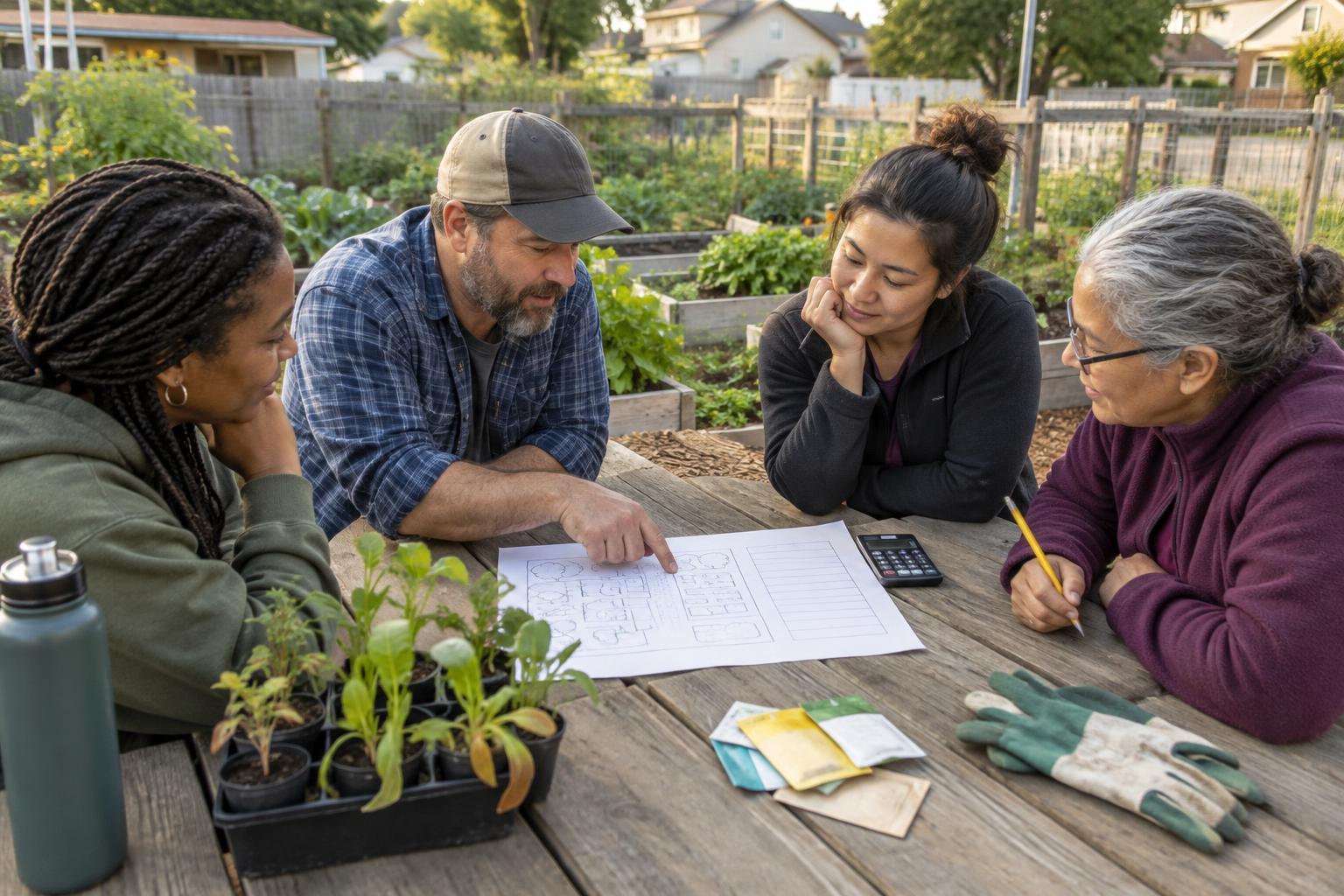
Start with an open question rather than a finished design: What would residents like this space to express? A short conversation at a neighborhood gathering, a paper suggestion box, and an easy-to-share survey can reach different people. Invite those closest to the wall directly, including people who may not attend public meetings. Make clear what is still open for discussion and what constraints, such as the wall’s size or the available budget, are already known.
Secure permission before making promises
Find out who owns the wall and who is authorized to approve changes to it. An enthusiastic tenant or business operator may be a helpful partner without being the person who can grant permission. Ask the property owner for written approval before announcing the wall as a confirmed mural site, buying supplies, or asking an artist to develop a final design.
Put the practical details in writing so everyone has the same expectations. These may include the wall area that can be painted, who approves the final design, when work can happen, how the site will be protected during painting, and who will handle cleaning or repairs afterward. Discuss what happens if the building changes hands or the mural needs to be removed. Local requirements can vary, so check with the appropriate local offices or property contacts about any permissions that may apply. If approval is uncertain, keep a second location in mind rather than pressuring anyone to agree.
Turn many ideas into a shared design
Resident input works best when people can see how it will be used. A small planning group can gather recurring themes, then share a brief summary of what it heard before an artist begins sketching. If an artist is involved, agree on their role, compensation if applicable, and how revisions will be handled. Avoid asking people to submit elaborate work without explaining whether or how it might appear in the mural.
Offer a limited number of draft concepts and invite specific feedback: What feels welcoming? What might be hard to read from across the street? Is anything missing or likely to make a neighbor feel excluded? Not every suggestion can appear on one wall. A transparent explanation of the final choices is more respectful than calling a design a consensus when opinions differ. Before painting, return to the property owner with the agreed design for final approval.
Make painting day workable and welcoming
A mural needs more than volunteers with brushes. Assess the wall’s condition, choose materials suited to the surface, and plan for preparation, drying time, cleanup, and safe storage of supplies. If the work requires ladders, traffic control, or specialized surface repairs, consider whether experienced help is needed. Set a budget that includes those less-visible tasks as well as paint.
Give volunteers roles that match their comfort and ability. Some may want to paint a marked section; others can welcome participants, distribute water, organize supplies, or help record the project’s story. Explain which parts require the artist’s direction and which are open to community painting. Keep walkways usable, share the schedule with nearby neighbors, and have a plan to pause if weather or site conditions make the work unsuitable.
Plan for the mural’s life after unveiling
A finished mural will face sun, rain, dirt, and ordinary wear. Before the first brushstroke, decide who will check on it periodically, how concerns can be reported, and who can approve touch-ups. Keep a record of the design, paint colors, and any care instructions in a place future volunteers and the property owner can find.
When the work is complete, thank contributors without suggesting that everyone participated or agreed. A small gathering can celebrate the mural and give neighbors a chance to hear how their input influenced it. The most lasting result may be more than the image itself: a useful example of how residents, an artist, volunteers, and a property owner can make something together while respecting one another’s roles.