Start with a project small enough to describe
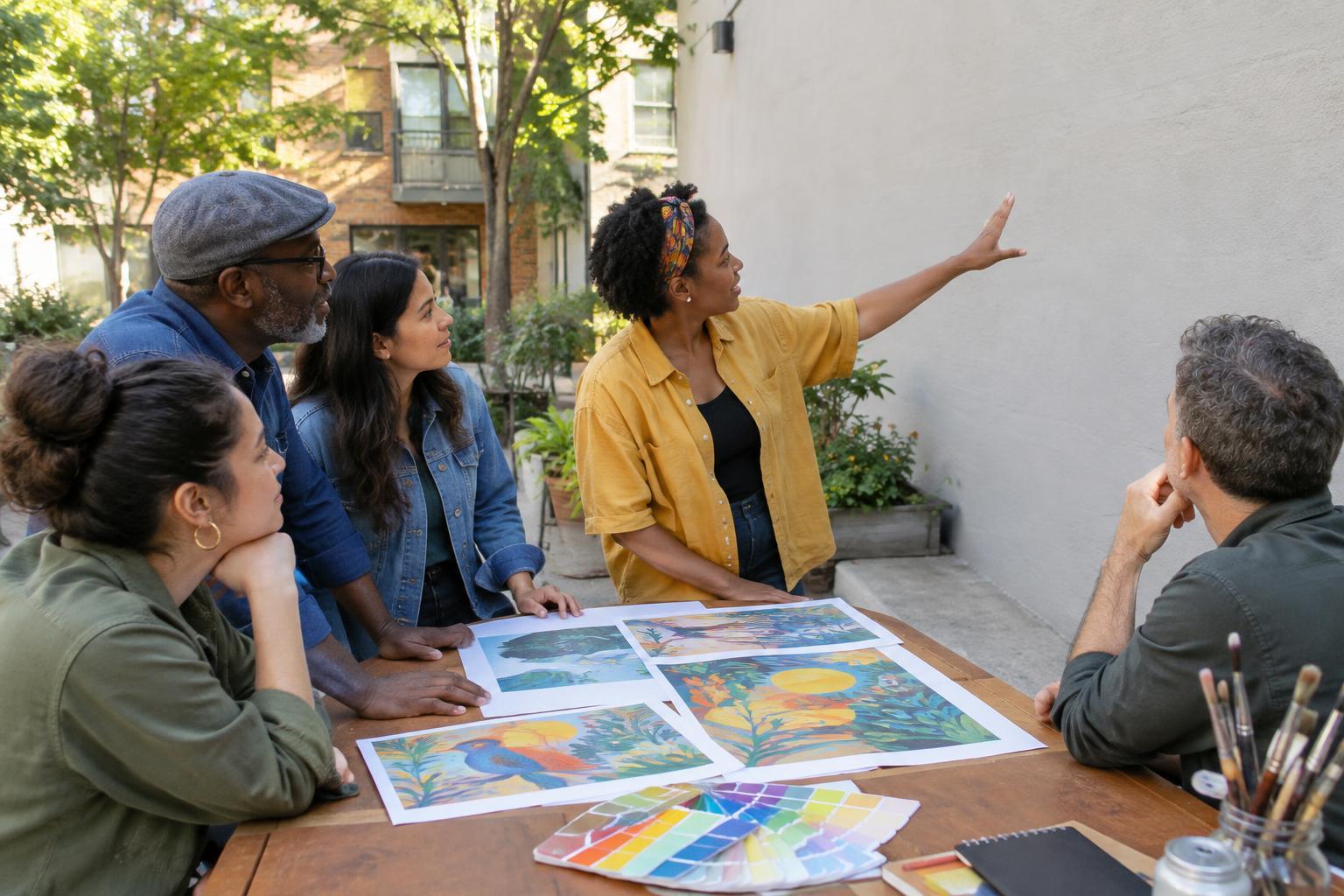
A useful budget begins before anyone prices supplies. Write down what the group hopes to improve, where the work will happen, and what a finished project would look like. “Make the corner welcoming” is a good conversation starter, but it is hard to price. “Clear the existing planting bed, add mulch, and install two benches” gives volunteers a more workable starting point.
Separate essential work from additions that would be pleasant but are not required. For a garden, soil preparation and plants may be essential, while decorative signs can wait. This distinction helps the group scale the project if costs rise. It also makes it easier to explain the plan to neighbors who may contribute time, materials, or money.
Before committing to purchases, identify who owns or manages the space and whether permission is needed. A project on a shared lot, sidewalk, or other public-facing area may involve rules that affect the design, timing, or materials. Checking early can prevent the budget from being built around work that cannot go ahead as planned.
List the full cost, not just the visible materials
Make a simple list of everything the project will need from preparation through cleanup. Include materials, tools, delivery, equipment rental, protective supplies, printing, waste removal, and any required fees. Think about what happens after installation, too. A planter that needs watering or a painted structure that needs touch-ups creates ongoing responsibilities, even if the first day of work is inexpensive.
For each item, note the quantity, estimated price, and basis for the estimate. A quick guess is fine for an early discussion, but check prices before asking people to approve a final plan. If several volunteers are gathering estimates, agree on the same quantities and specifications so their figures can be compared. Mark uncertain prices clearly rather than presenting them as settled costs.
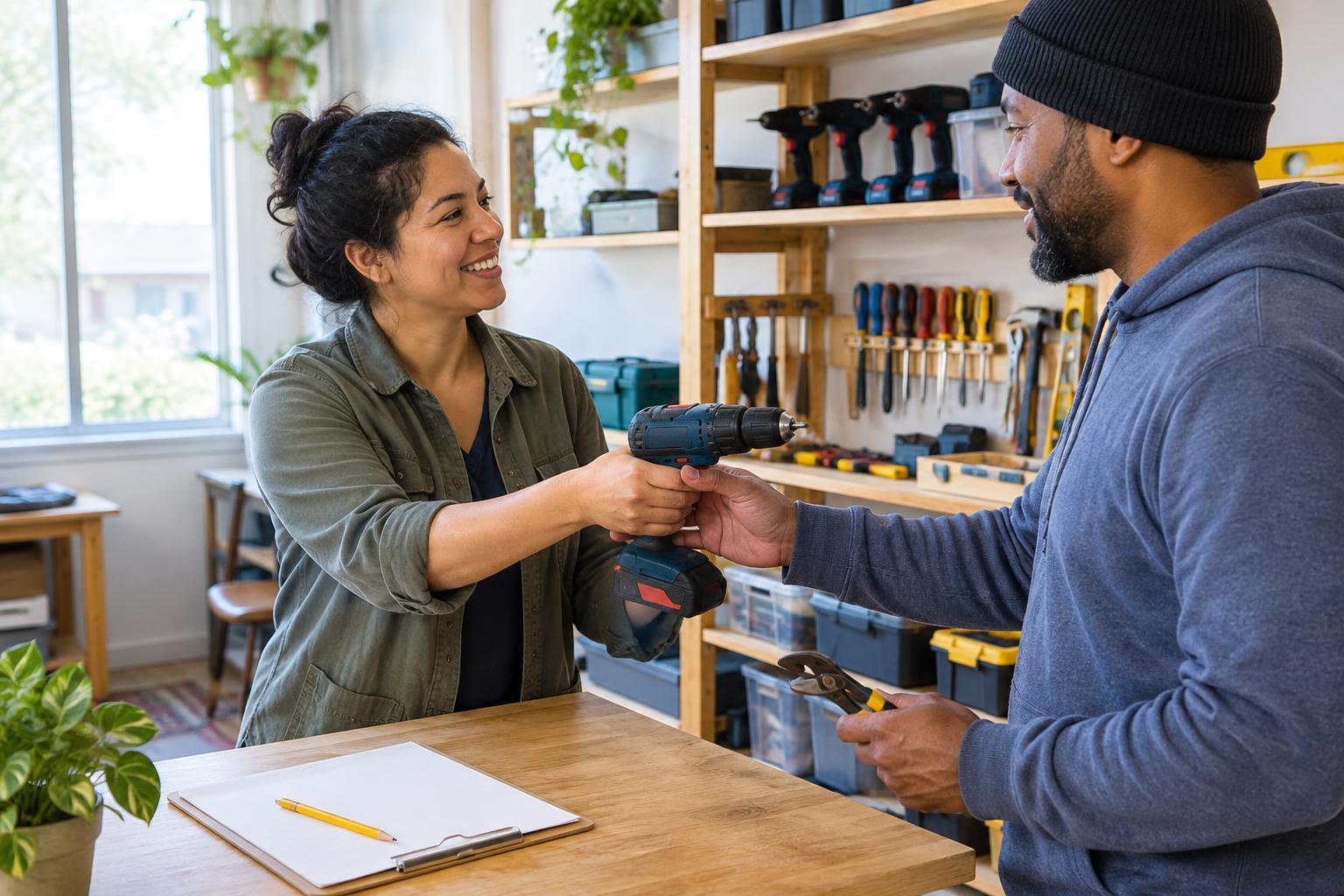
Donated goods and borrowed tools can reduce spending, but record them separately from cash expenses. Confirm that an offered item is suitable, available when needed, and safe to use. If a donation falls through, the group should know whether it can buy a replacement or adjust the project.
Leave room for the unexpected
Add a modest contingency line to the budget instead of allocating every available dollar at the outset. A project may need an extra load of mulch, a replacement tool, or a different material once volunteers see the site up close. The amount to set aside depends on how well the work is defined and how many prices remain uncertain.
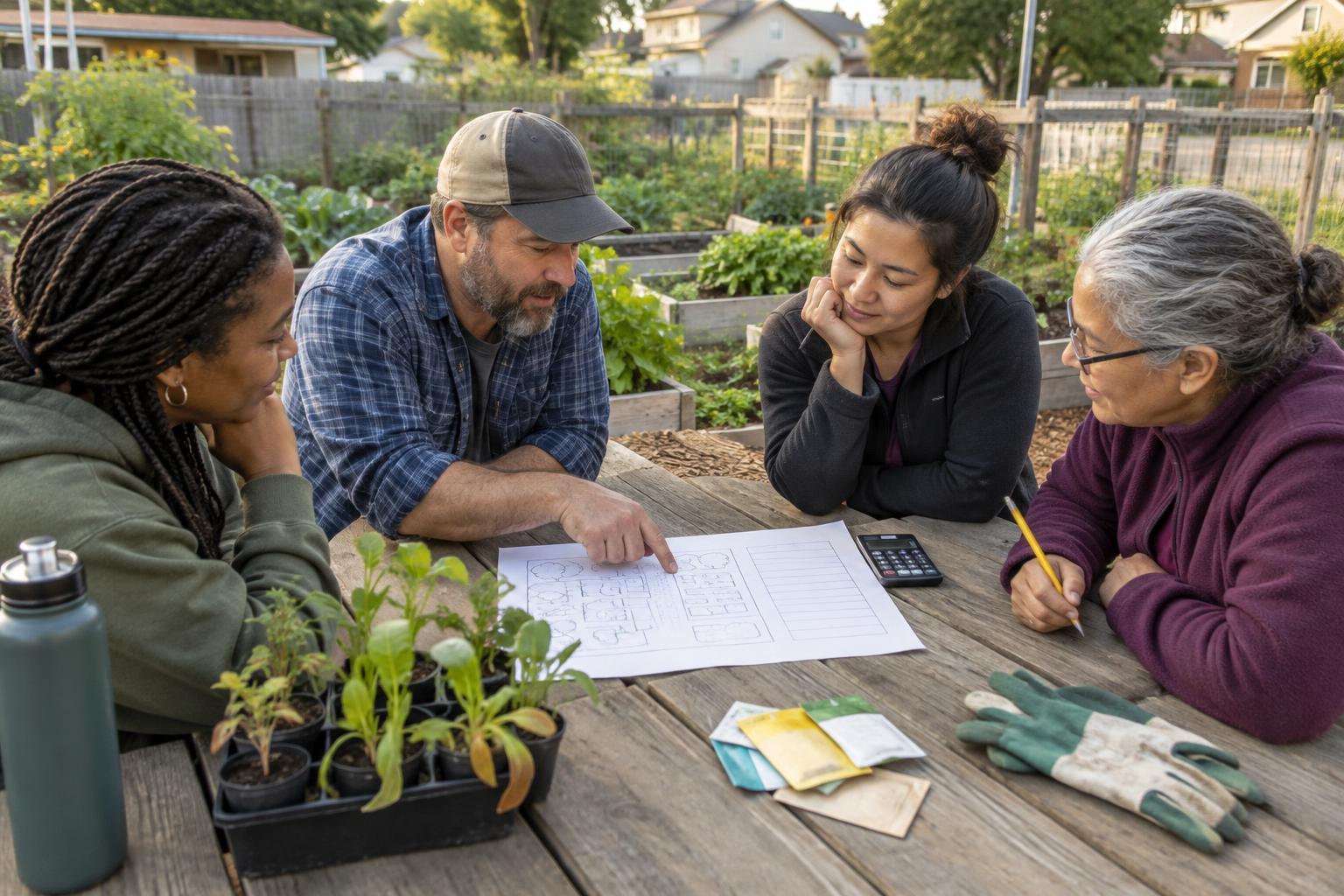
It helps to make three figures visible: the estimated cost of essentials, the cost of optional additions, and the total if the contingency is used. That gives the group choices rather than a single number that feels fixed. If the project is more expensive than expected, reduce its scope, divide it into phases, or seek additional support before making commitments.
Agree on how money decisions will be made
A neighborhood budget is easier to trust when its rules are simple and shared. Decide who may make purchases, whether spending over a certain amount needs group approval, and how receipts will be collected. Choose one person or a small team to keep an expense record that shows the date, item, amount, and person who paid. Share brief updates in a place participants can access.
Discuss contributions with care. Not everyone can give money, and a volunteer’s time should be welcome without a financial expectation attached. If the group collects contributions, explain what they will pay for and what will happen if there is money left over or the project does not proceed. Avoid promising reimbursement unless the group has agreed on a clear process and has funds available.
A simple spreadsheet or paper ledger is enough for many small projects. The important habit is to record expenses as they happen, not to reconstruct them weeks later.
Keep the budget useful after work begins
Before each work session, compare planned spending with actual spending and check what still needs to be bought. When a cost changes, update the list and tell the group what it means for the remaining work. Small, timely adjustments are usually easier to discuss than a surprise at the end.
Once the project is complete, close out the budget with a short summary of what was spent, what was donated, and what remains to be maintained. Keep the expense record for anyone who helped oversee the project. Then ask a practical question: what would the group estimate differently next time? A clear budget does more than protect a single project. It helps neighbors turn a good idea into shared work they can understand and support.