Notice the difference between growth and strain
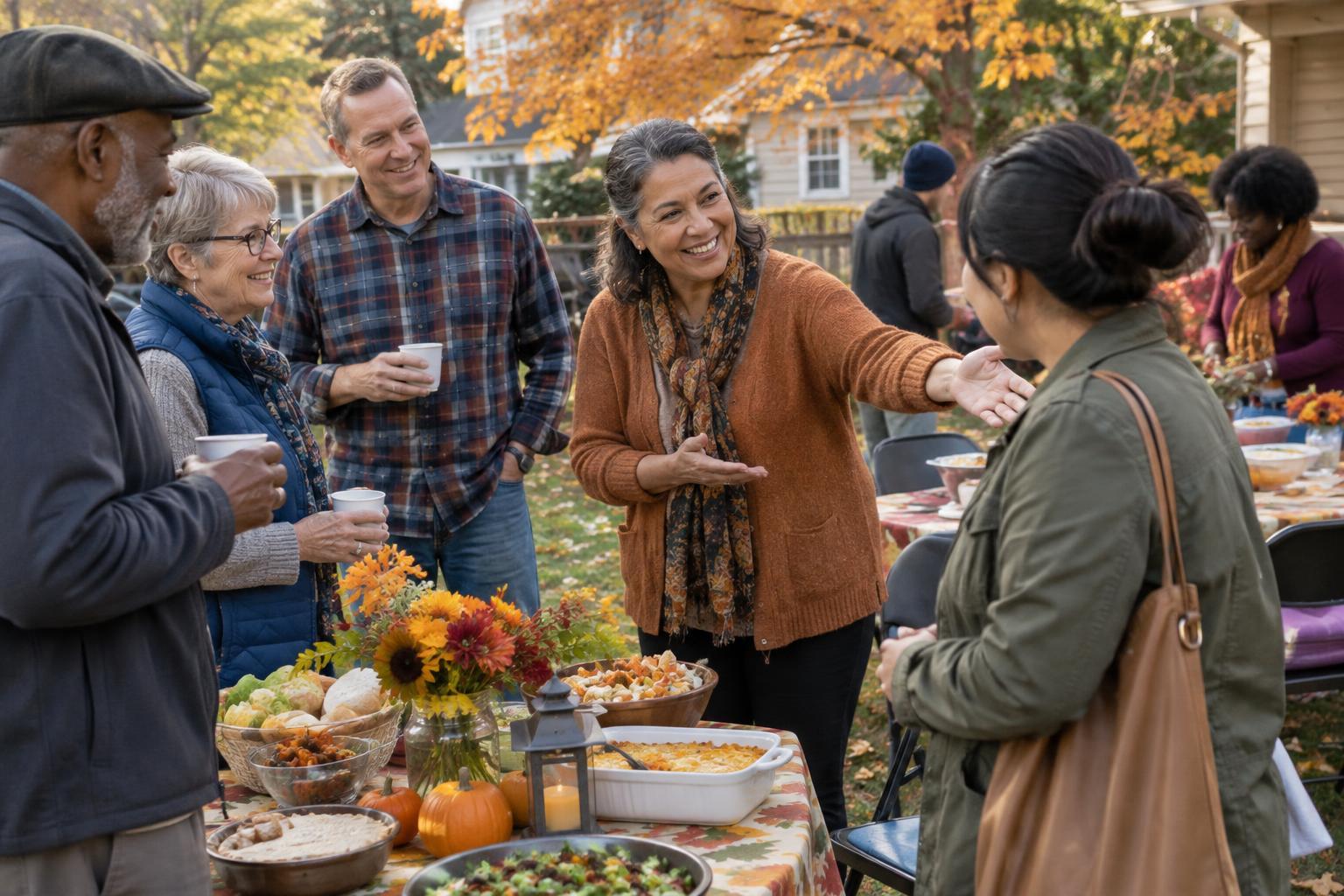
A seasonal tradition often begins with a simple plan: a few neighbors share a meal, decorate a common space or meet for an annual walk. Over time, more people may join, the organizers may change and the original space or schedule may become harder to use. That does not mean the tradition has failed. It may mean the format that once made it easy to gather now needs attention.
Look for patterns rather than judging one difficult year. Are the same volunteers doing most of the work? Do people regularly struggle to find a place to sit, hear one another or take part? Are setup and cleanup becoming so demanding that organizers cannot enjoy the gathering? A full room can feel encouraging, but if participation depends on crowding, long waits or exhausted helpers, it is worth asking what should change before the next season.
Find the purpose beneath the familiar details
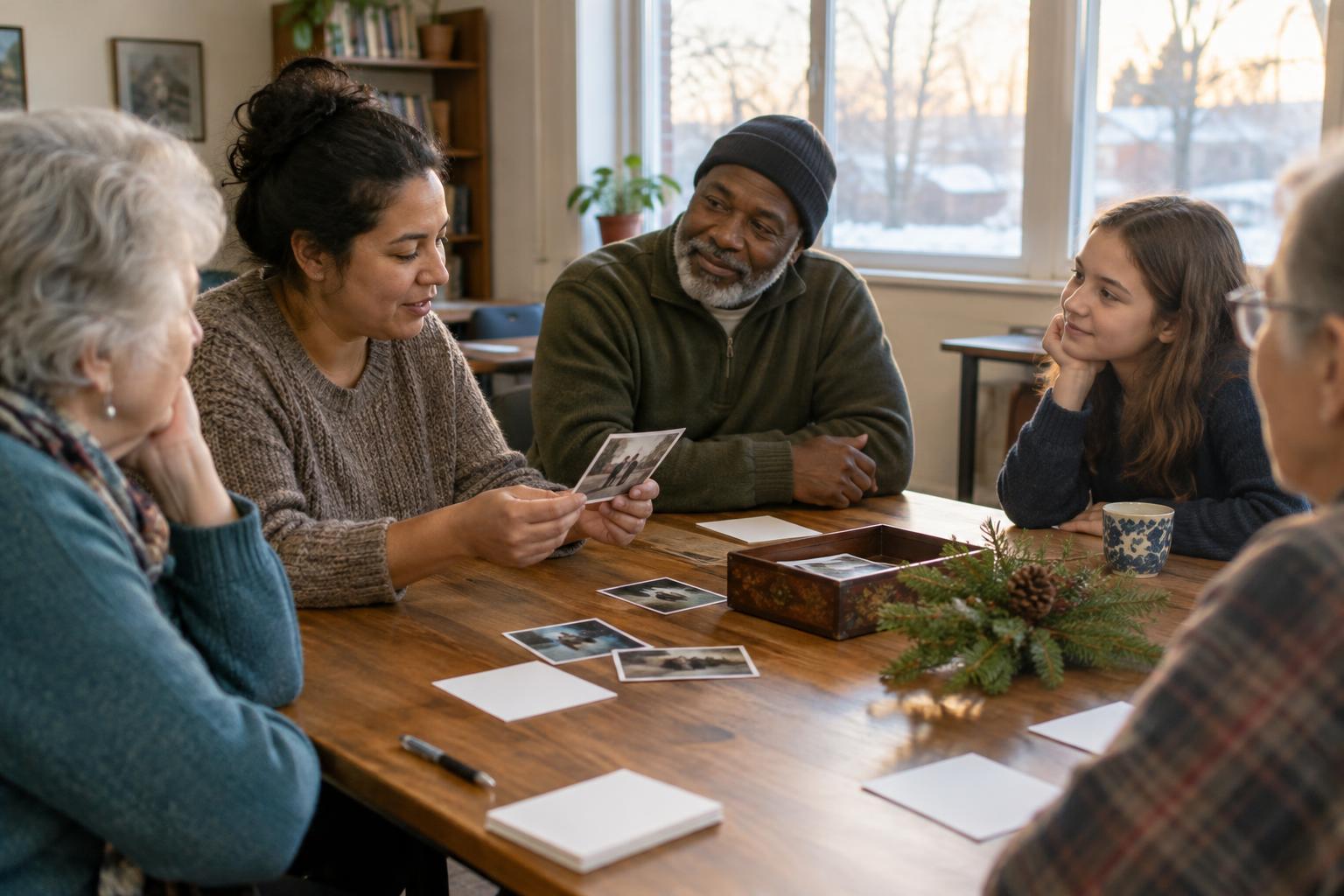
Before changing a tradition, name what people hope to carry forward. The heart of a winter potluck might be unhurried conversation, not a particular menu. A spring planting day might be about caring for a shared place, not finishing every task in a single morning. Once that purpose is clear, it becomes easier to consider a different location, time or activity without treating every detail as essential.
Ask participants what they value, including people who have stopped attending or rarely speak up during planning. Someone may miss the gathering because the time conflicts with work, the space is difficult to navigate or a noisy activity leaves little room for conversation. Brief, open questions can help: What would you miss if this changed? What makes it hard to take part? What would you like to help with? Listen for needs you can address, while being honest about what the group can reasonably provide.
Choose a change that fits the people doing the work
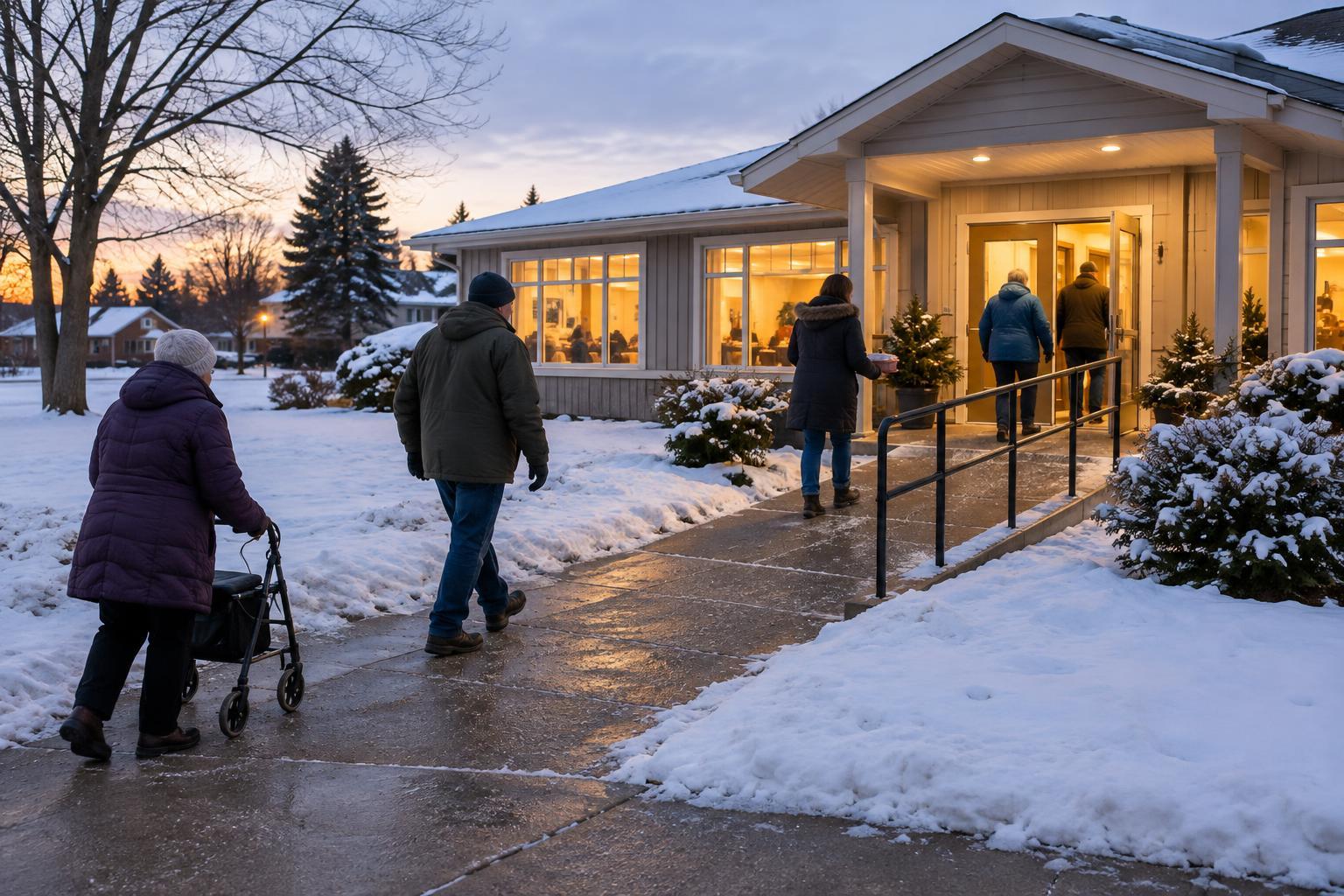
A new format does not have to be bigger. If attendance has grown, two smaller gatherings may allow better conversation than one crowded event. A shorter program, a simpler meal or a shared list of setup tasks may make the day more manageable. If the original location no longer works well, consider what a different space would need: enough seating, clear directions, a comfortable way to arrive and a plan for weather when relevant.
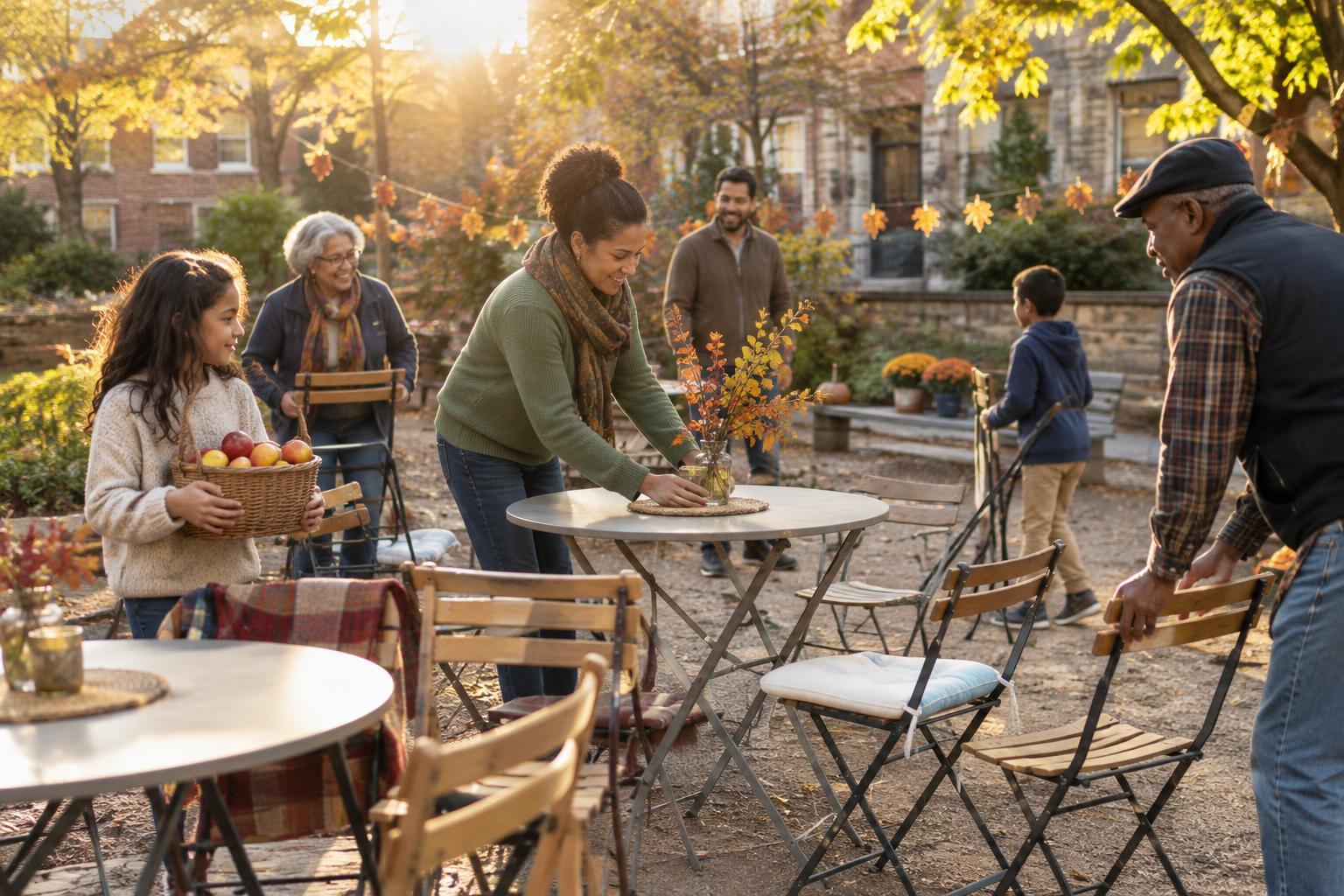
Consider the workload from beginning to end, not just the visible celebration. Who will invite people, prepare materials, welcome newcomers, clean up and put things away? If the plan only works when a few people give more time than they can comfortably spare, it is not yet a workable plan. Reducing an activity can be an act of care for both volunteers and guests.
Invite people into a small, clear experiment
Change can feel personal when a tradition holds memories. Explain the reason for an adjustment without suggesting that the old way was wrong. You might say that the gathering has become crowded, that volunteers need a lighter schedule or that more people have asked for a chance to participate. Then describe what will remain familiar alongside what you are trying differently.
A trial can make the decision feel less final. For one season, you might move the meal to an earlier hour, offer a quieter activity alongside a lively one or divide a project into two sessions. Let people know how they can share feedback afterward. Keep the questions practical: Could you take part? Did you feel welcome? Was the work manageable? What should we keep, change or leave out next time?
Let continuity come from shared care
After the gathering, make room for both appreciation and honest review. Thank the people who made it possible, including those whose work happened out of sight. Notice moments that reflected the tradition’s purpose, as well as tasks that proved too heavy. If a change helped some people but created a new difficulty for others, treat that as useful information rather than a reason to abandon the effort.
A tradition stays meaningful because people continue to make space for one another, not because its format never changes. Keeping a favorite song, recipe, welcome or closing ritual may offer a sense of continuity while the larger plan evolves. When a seasonal gathering has outgrown its original shape, the aim is not to preserve every detail. It is to make the next gathering possible, hospitable and worth sharing.