Mistake 1: Assuming everyone knows how the celebration works
An annual gathering can feel effortless to people who have attended for years. They know where to park, whether food is shared, when the main activity begins and which parts of the evening are informal. A new neighbor may know none of that. An invitation that says only “Come to our usual celebration” asks them to take a chance without enough information.
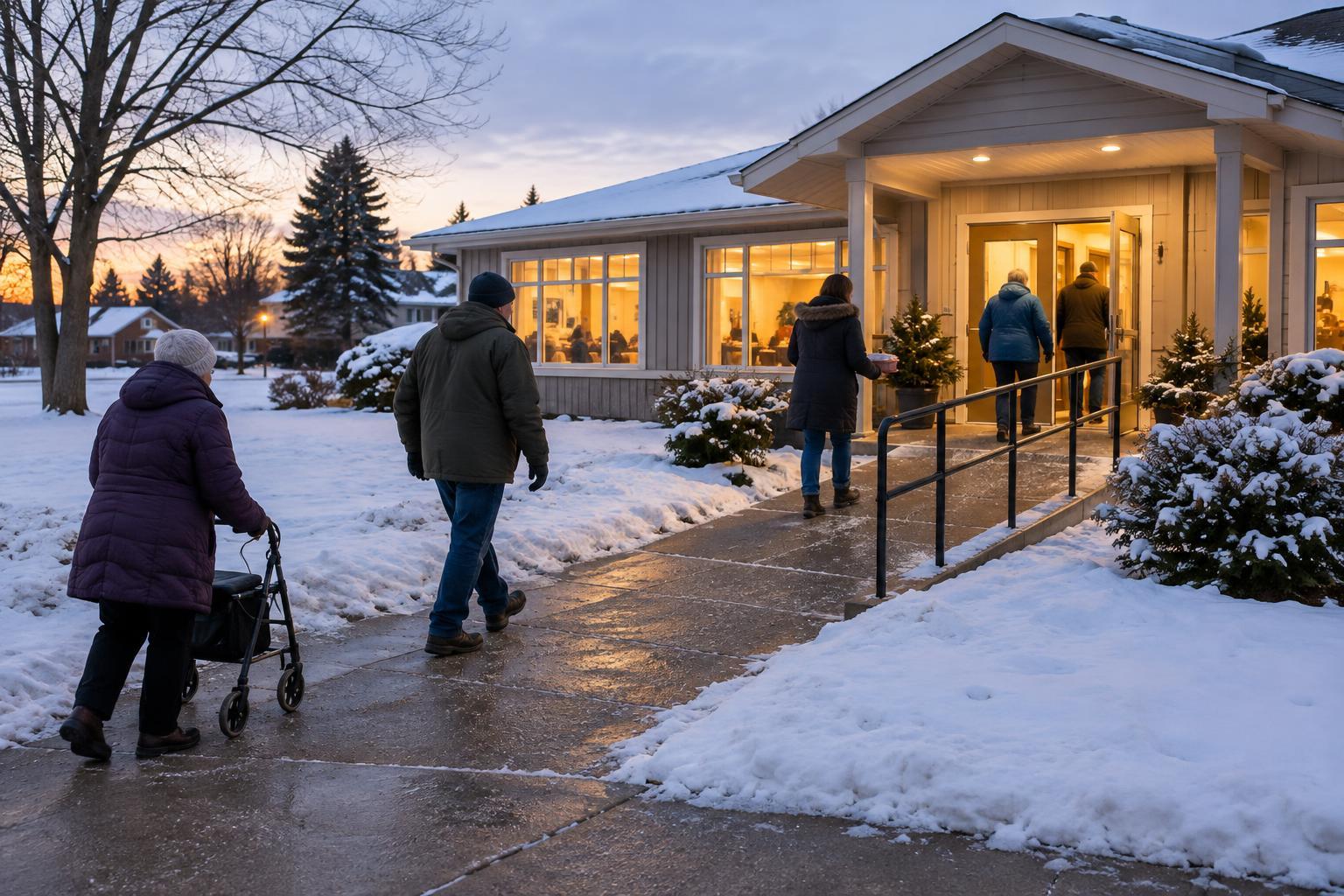
Give the invitation a few useful details: the location, start and end times, what happens first, whether guests should bring anything and whether it is fine to arrive late or leave early. If the event includes a custom that might be unfamiliar, describe it in ordinary language. Clear information does not make a tradition less special; it lets more people relax enough to enjoy it.
Mistake 2: Letting old friendships do all the organizing
At recurring events, longtime participants often fall into familiar groups. They set up together, sit together and refer to shared memories. None of this is unkind, but it can leave a newcomer unsure where to stand or whether a conversation is open to them. A quick welcome at the door helps, yet it may not carry someone through the rest of the gathering.
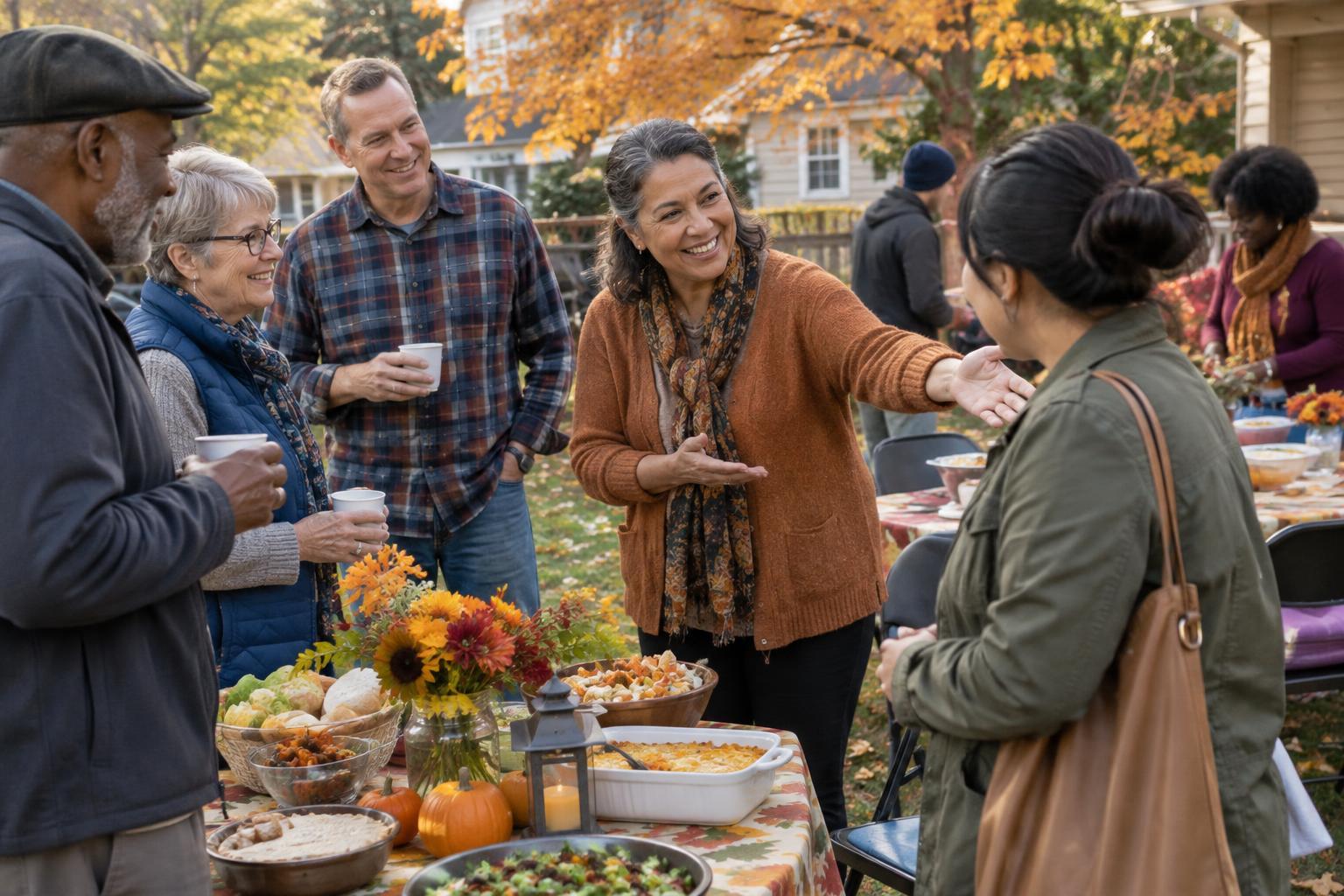
Before the event, ask a few regulars to help guests find their way without treating them as a project. They can point out the food table, introduce people by name and offer a simple opening such as “Is this your first time here?” Leave room for the answer to be no, or for someone to prefer a quiet arrival. Welcoming works best when it offers company without demanding it.
Mistake 3: Making participation an all-or-nothing choice
Some celebrations assume that everyone can contribute a dish, join a game, stay for the full program or take part in every custom. Those expectations may be difficult for someone managing a work schedule, a tight budget, children, limited mobility or simple uncertainty about what is expected. Even a cheerful instruction to “bring your favorite family recipe” can make a person without that tradition wonder whether they belong.
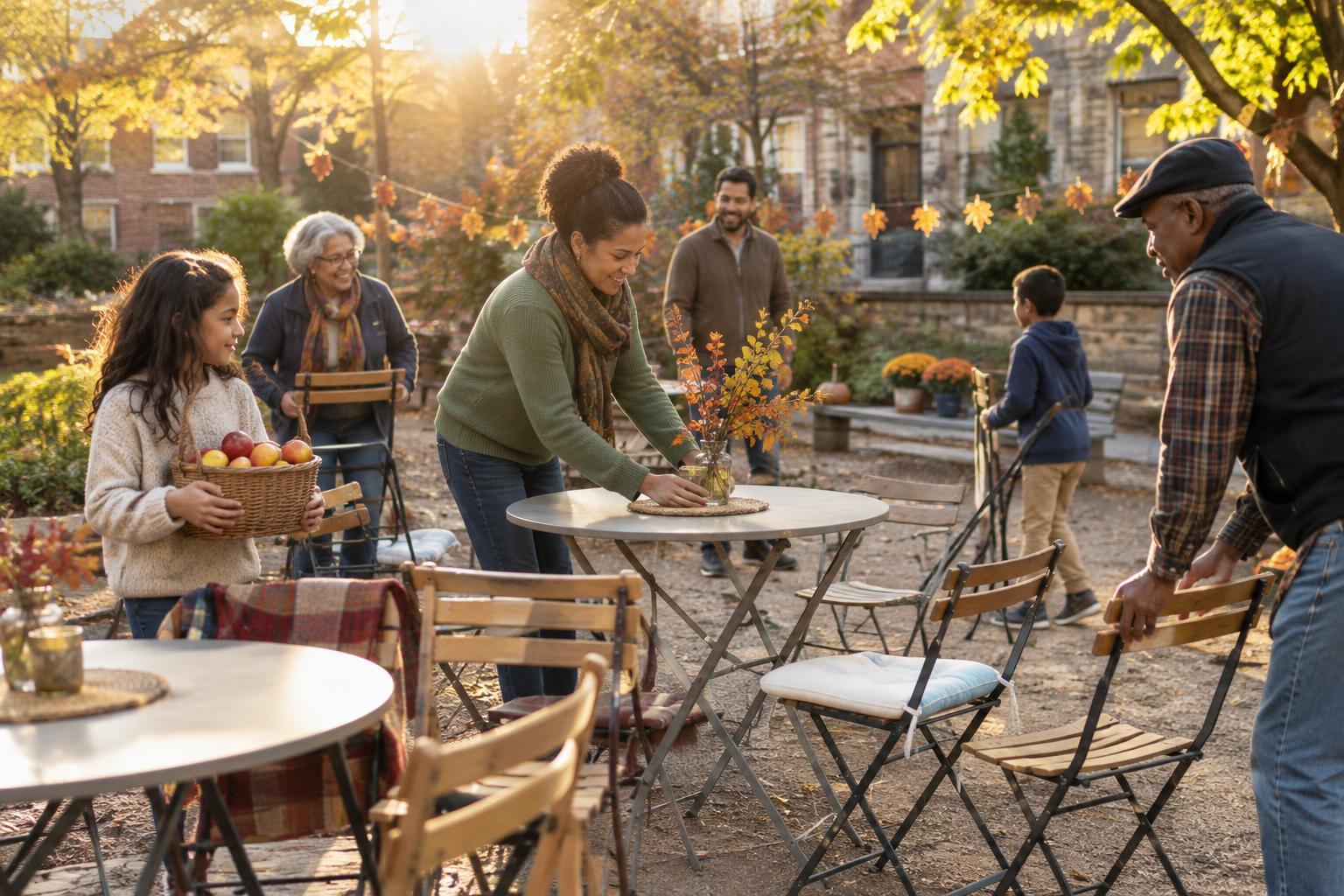
Offer several ways to participate. Make bringing food optional if the gathering can support that choice. Set out chairs near activities for people who would rather watch, and explain which parts of a program are optional. If volunteers are needed, offer small, specific jobs alongside larger commitments. Someone who can help put out cups for ten minutes is participating just as surely as someone who planned the event.
Mistake 4: Protecting traditions by leaving them unexplained
A familiar song, craft, meal or storytelling ritual can be the heart of a seasonal celebration. Organizers may worry that explaining it will interrupt the mood. In practice, a short introduction can help a newcomer understand why people care about it. Without context, they may be left watching others follow rules they cannot see.
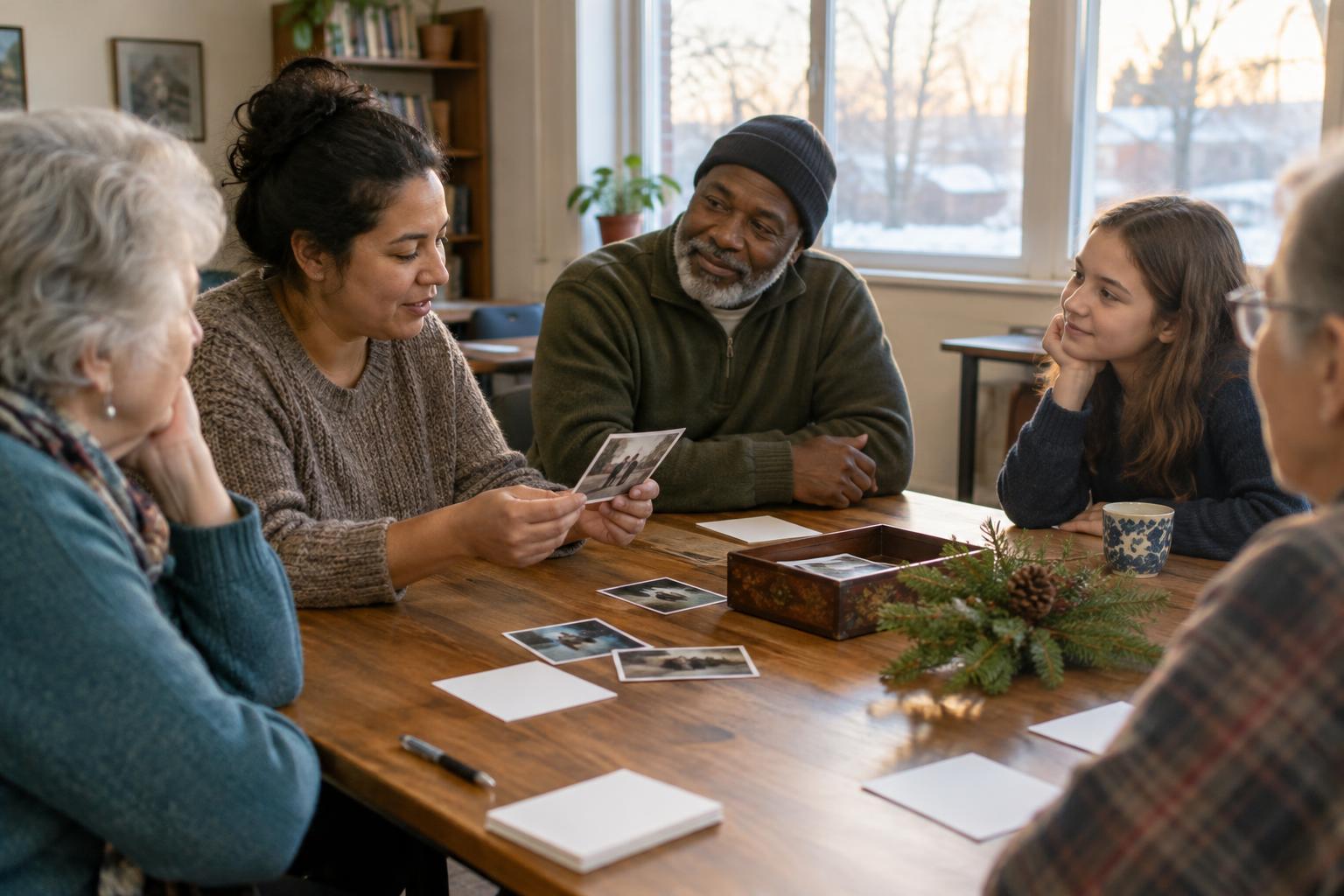
Consider a sentence or two that explains how a custom began in the group and what people usually do next. Avoid suggesting that every household celebrates the season in the same way. Invite neighbors to share their own practices if they wish, without putting anyone on the spot to represent a culture or background. Traditions can remain recognizable while making space for different experiences and for people who simply want to listen.
Mistake 5: Treating the event as the whole welcome
A newcomer might enjoy a celebration and still not know whether they are welcome at the next one. They may have spoken to several people but learned no names, or helped clean up without knowing whom to contact afterward. A good closing does not need to be formal. It needs to make a future connection possible.
Thank people for coming, including those who attended for the first time, without singling anyone out unexpectedly. If there is another open neighborhood activity, say how people can hear about it. Make contact information easy to find and allow guests to choose whether to stay in touch. Afterward, organizers can ask what felt easy to join and what needed more explanation. Annual celebrations improve when those observations shape the next invitation, not just the next day’s cleanup.