Start with the person, not the gesture
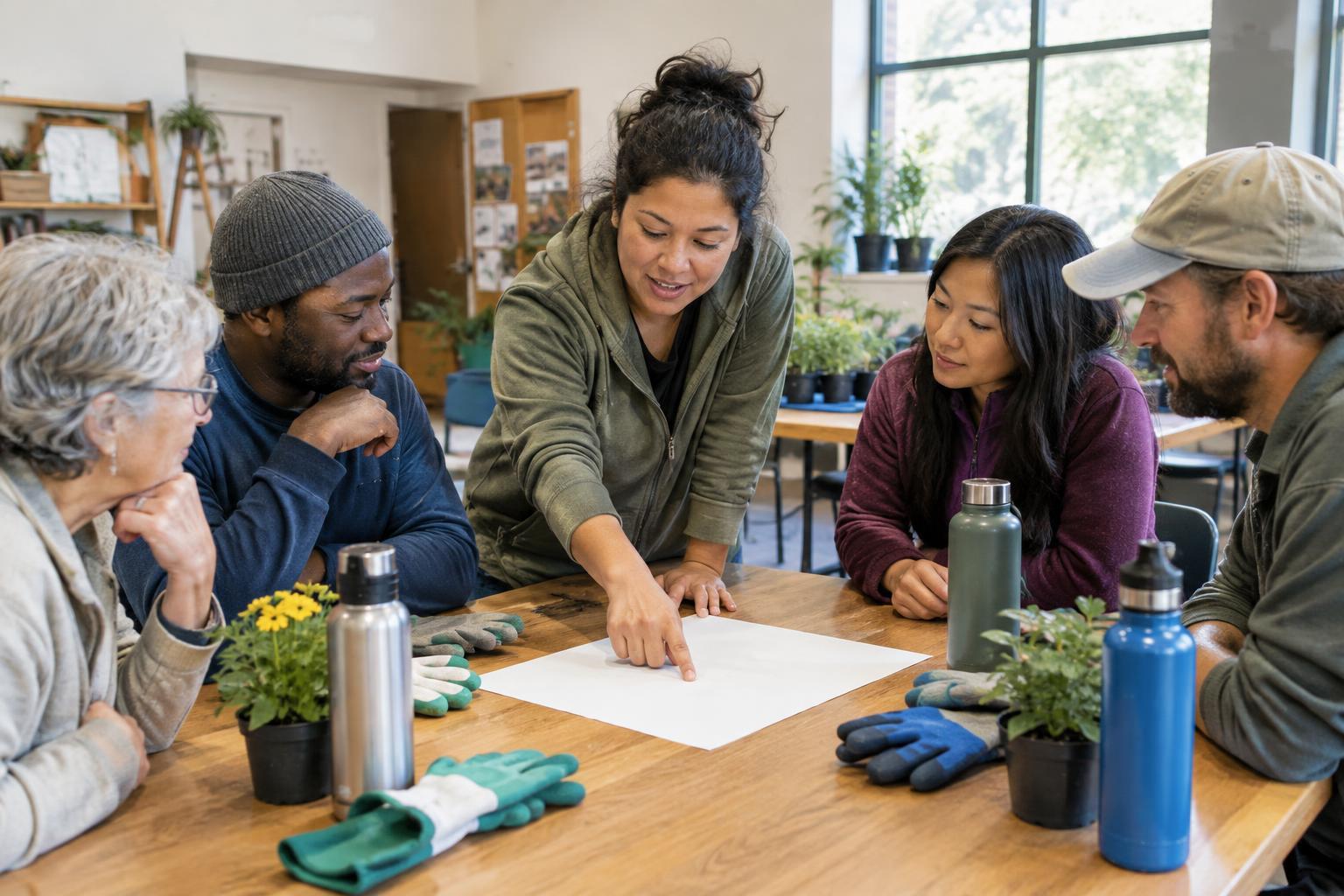
Volunteers help make neighborhood projects, gatherings and everyday acts of care possible. Thanking them matters, but a gesture that delights one person may make another uncomfortable. Some people enjoy a round of applause. Others would rather receive a quiet note, share a conversation or simply know that their work helped. The aim is not to find one perfect way to thank everyone. It is to make appreciation sincere without asking volunteers to accept attention they did not seek.
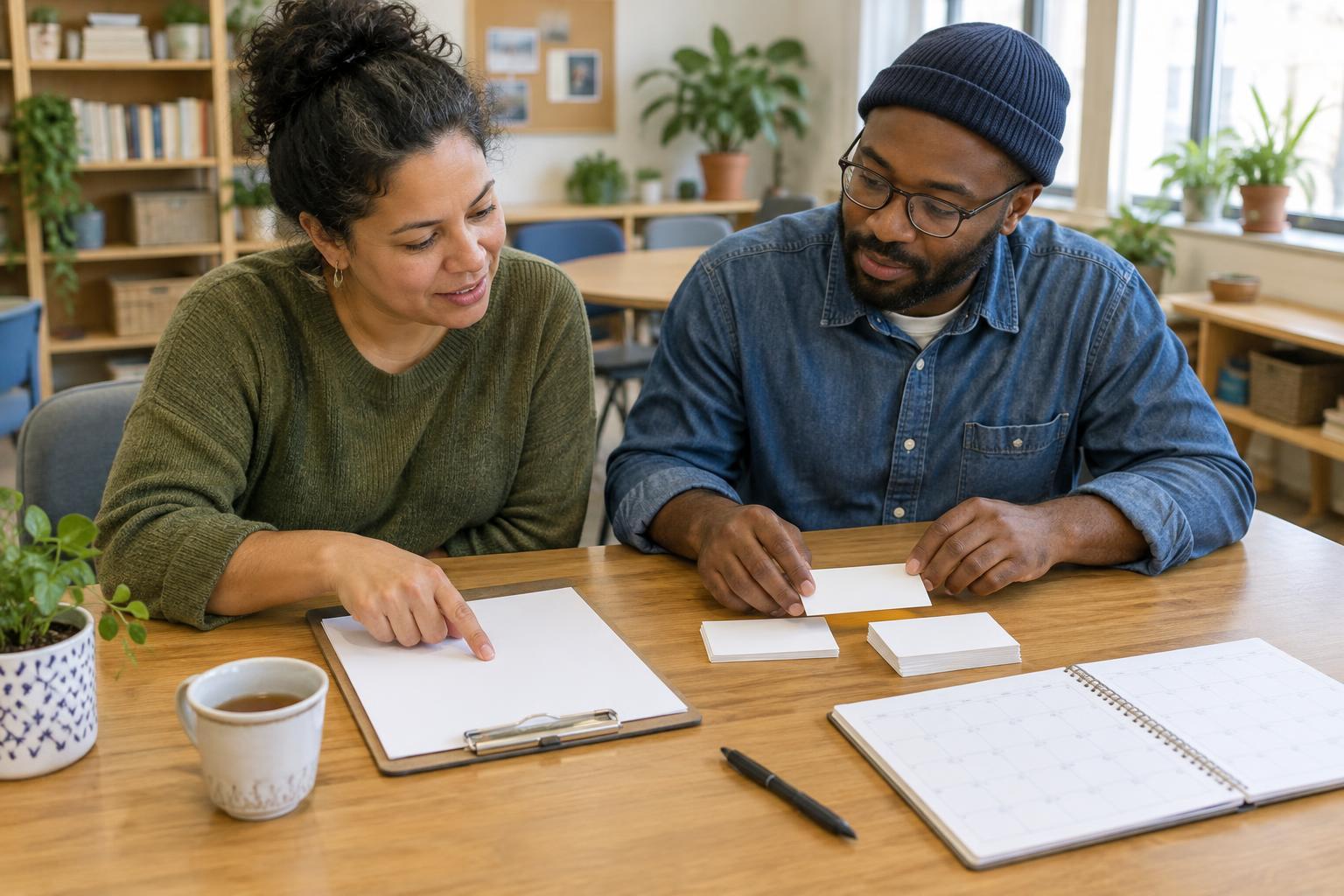
A little curiosity helps. When someone begins volunteering, ask how they prefer to be thanked and whether they are comfortable being named in a newsletter, photographed or recognized at a gathering. Keep the question easy to answer, and let people change their minds later. If asking beforehand is not possible, choose a private thank-you first. A personal message leaves room for the volunteer to decide whether they want anything more public.
Make thanks specific and proportionate
Specific appreciation tells people that their contribution was noticed. Instead of offering only a general expression of gratitude, mention what the person did and why it mattered to the project. Someone who set out chairs made a gathering easier to enter; someone who organized supplies helped others begin their tasks smoothly. Avoid guessing at a volunteer’s motives or describing their work as a sacrifice. You can acknowledge the effort without assuming how they felt about giving their time.
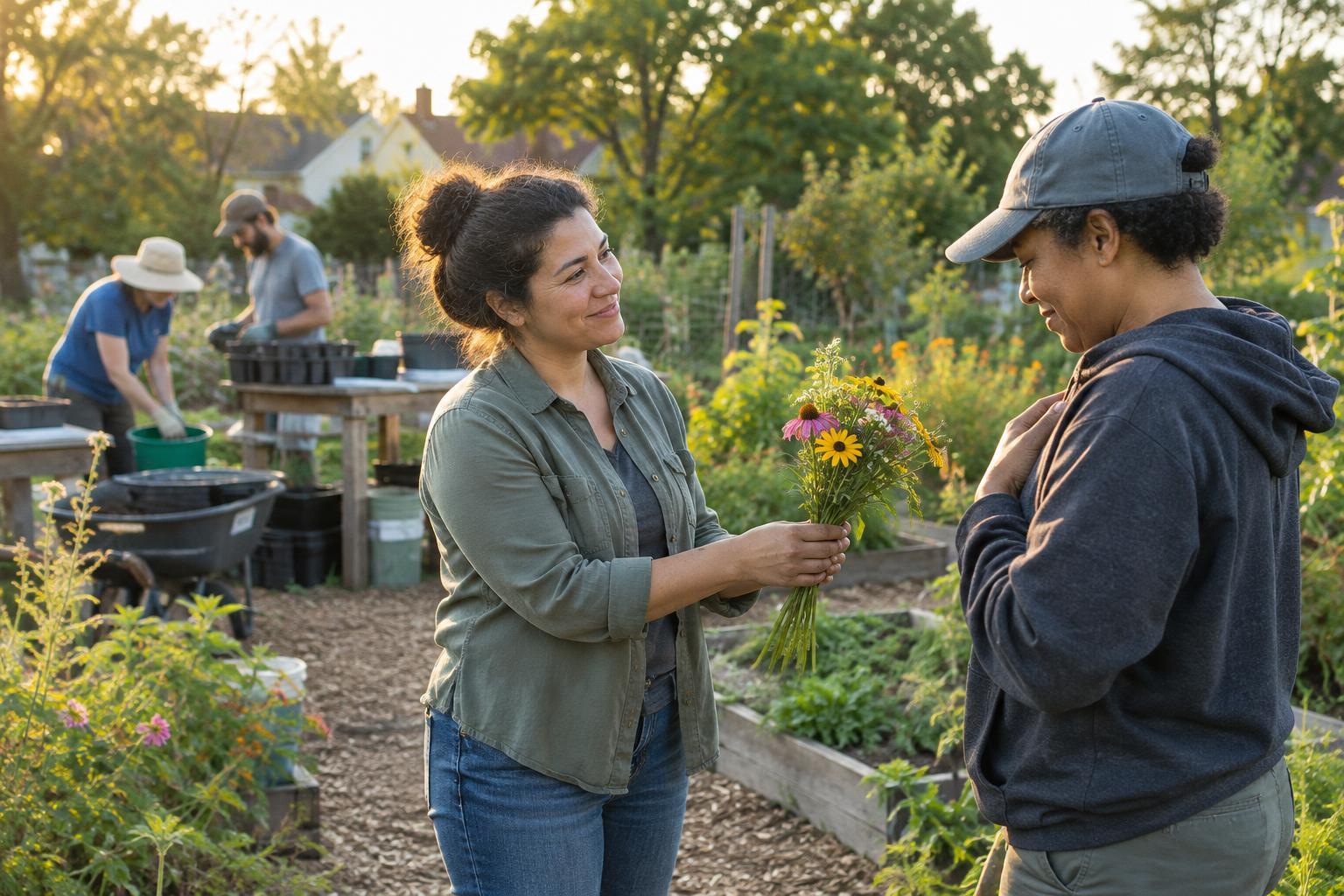
The size of the gesture need not match the number of hours contributed. A handwritten note, a brief conversation or an email can be meaningful when it is attentive. Expensive gifts may feel awkward, particularly if they are not available to everyone. When a group wants to mark a project’s end, a simple gathering can offer connection without turning appreciation into a competition over who did the most.
Offer choices about public recognition
Public thanks can bring a team together, but it should be an invitation rather than a surprise. Before printing names, sharing photos or telling a volunteer’s story, ask permission. Check how the person wants their name used and what details they are comfortable sharing. Someone may be happy to appear in a group photo but not want their workplace, family circumstances or reasons for volunteering mentioned. If they decline, thank them privately and move on without pressing for an explanation.
Consider offering several ways to take part in a closing celebration. A volunteer might choose to attend without being called forward, contribute a reflection anonymously or skip the event altogether. You can also recognize the team’s collective work without singling anyone out. These choices help make appreciation welcoming to people who are shy, busy, private or simply not fond of ceremonies.
Remember the work that is easy to miss
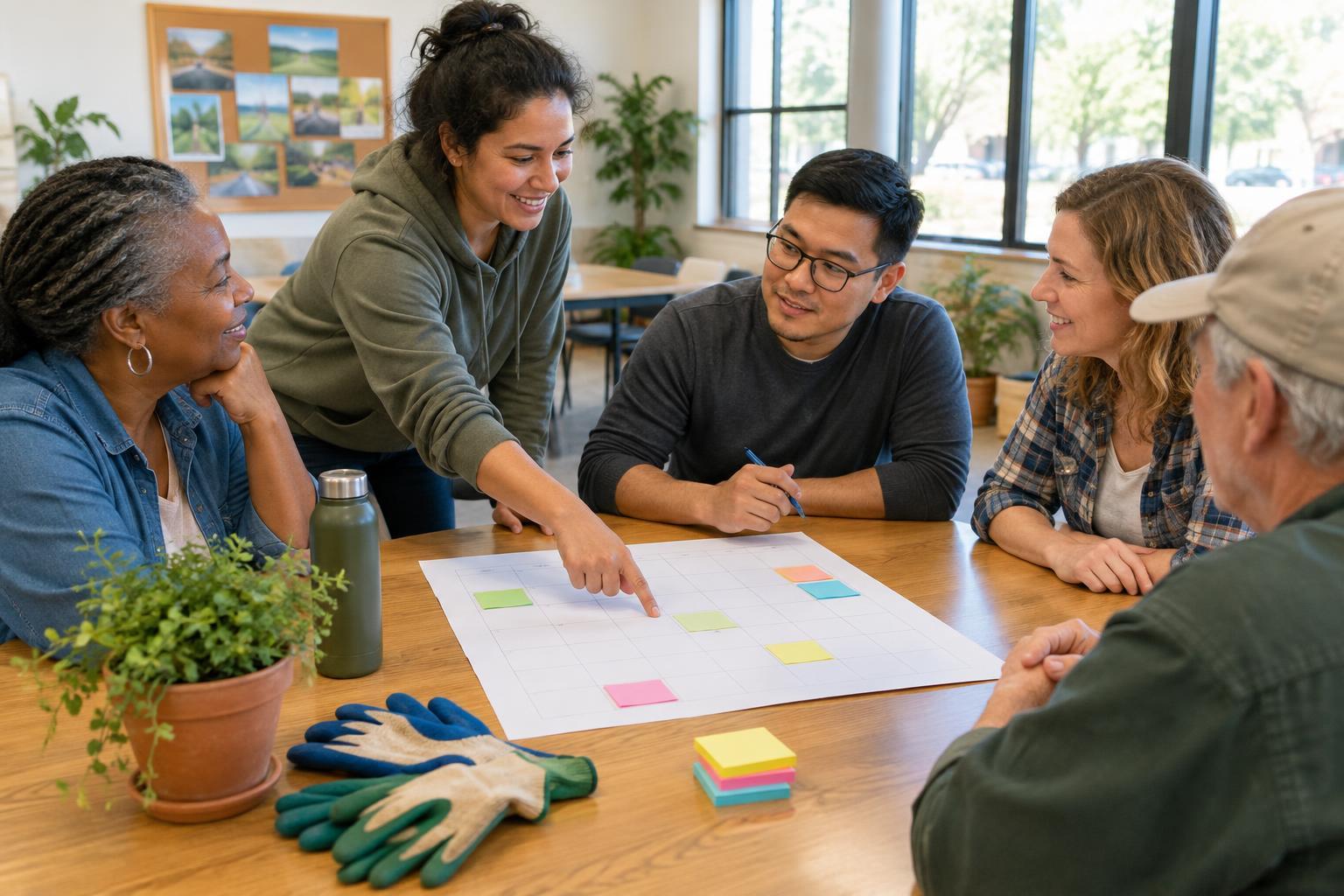
Visible roles often receive thanks first. The person welcoming guests at the door may be noticed more readily than the one who checked supplies beforehand, cleaned up afterward or handled a small problem quietly. When planning appreciation, look back over the whole project. Who prepared the space, answered questions, carried materials, kept records or made it easier for a newcomer to join? Noticing these contributions can help prevent a few familiar faces from receiving all the recognition.
Fairness does not require identical messages. It does call for consistent care. A coordinator can keep a simple list of roles and follow up with each volunteer in a way that suits them. Thank people who helped once as well as those who return regularly. Avoid treating continued availability as the measure of commitment: a person who cannot volunteer next time still deserves a warm, unqualified thank-you for what they have already done.
Let appreciation shape what happens next
Gratitude is more credible when it includes respect for volunteers’ time. Give clear information about tasks, provide the supplies people need and make it easy to step away when a shift ends. After a project, ask whether anything would make the experience better next time, while making clear that feedback is optional. If someone raises a concern, listen without turning the conversation into a request for more work.
A thoughtful thank-you can leave the door open without creating pressure. You might tell a volunteer that they would be welcome at a future project, then let them decide whether to return. Over time, the strongest message of appreciation may be a pattern: people are noticed, their preferences are respected and their boundaries remain intact. That kind of thanks helps make volunteering feel like a shared community effort rather than a debt anyone has to repay.