Starting with enthusiasm but no shared plan
A neighborhood project often begins with a simple offer: “I can help.” Trouble starts when no one has agreed on what that help involves. People may arrive ready to work but find that supplies are missing, decisions are unresolved or several volunteers have taken on the same task. Good intentions cannot fill in every gap in a plan.
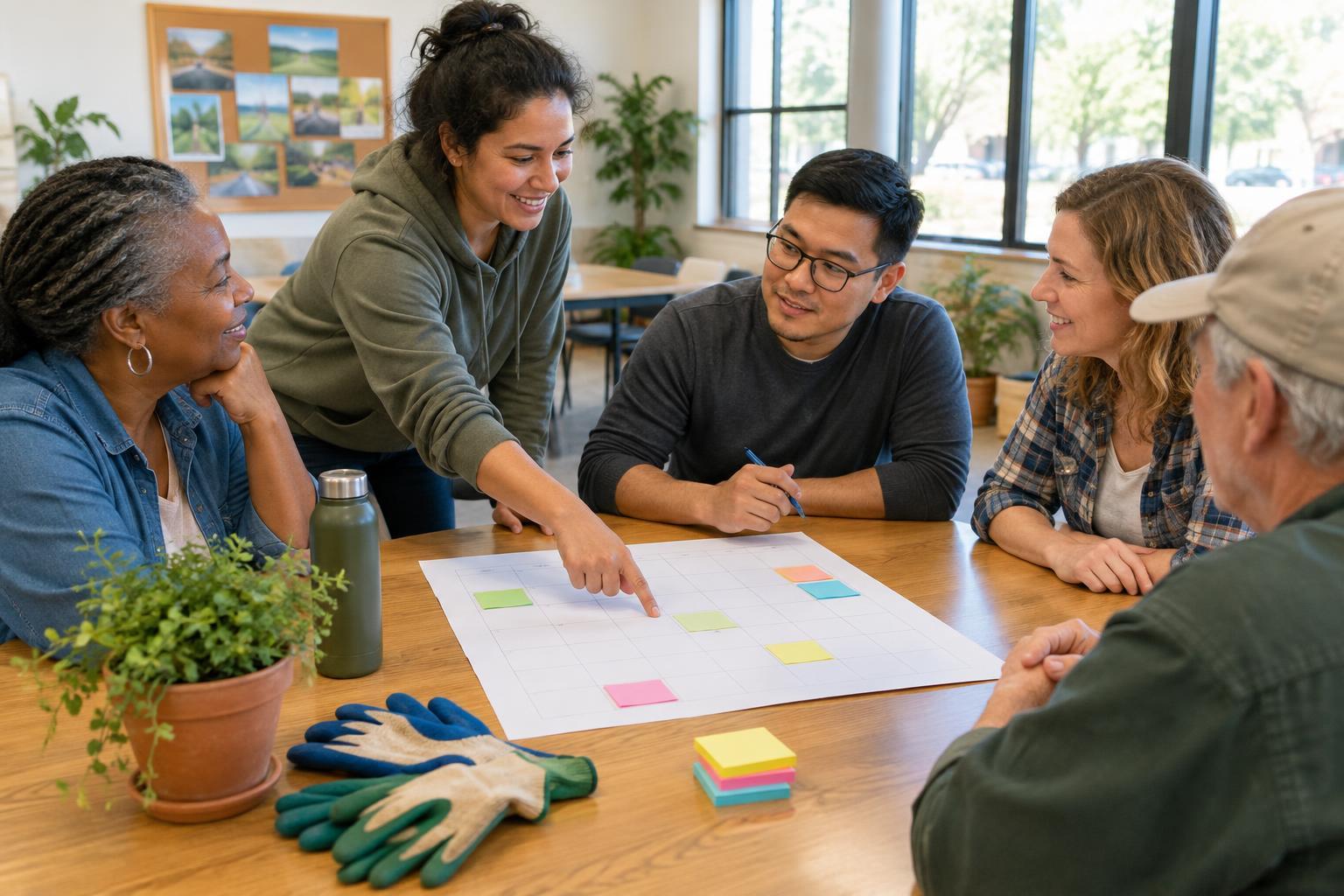
Before inviting volunteers, write a short description of the project’s purpose and the work that needs doing. Name one person who can answer questions and make day-of decisions. List the tasks, materials, location and expected time commitment in ordinary language. For a community garden cleanup, for example, “sort donated tools from 9 to 10” is easier to act on than “help with setup.” A modest plan can change, but it gives everyone a useful starting point.
Treating every volunteer role as interchangeable
A common coordination mistake is assuming that anyone who offers help can take any open role. Volunteers bring different interests, abilities, schedules and comfort levels. Someone who enjoys greeting neighbors may not want to manage an inventory sheet; someone who can give an hour may not be able to commit to a recurring shift. Assignments made without asking can leave people feeling awkward or unable to contribute well.
Offer a few clearly defined choices instead of a general request for help. Include tasks that can be done alone or with others, seated or moving around, on site or in advance when the project allows it. Ask about preferences without pressing people to explain personal circumstances. A brief check-in—“Does this task and time still work for you?”—makes it easier to adjust before the event. When a role requires instruction or special care, explain that upfront rather than leaving a volunteer to guess.
Sharing information everywhere except where people need it
Coordination becomes frustrating when details are scattered across conversations, messages and last-minute reminders. One volunteer has an old start time, another cannot find the meeting place, and a third does not know whom to contact if plans change. Sending more messages is not always the answer; people need one dependable version of the essentials.
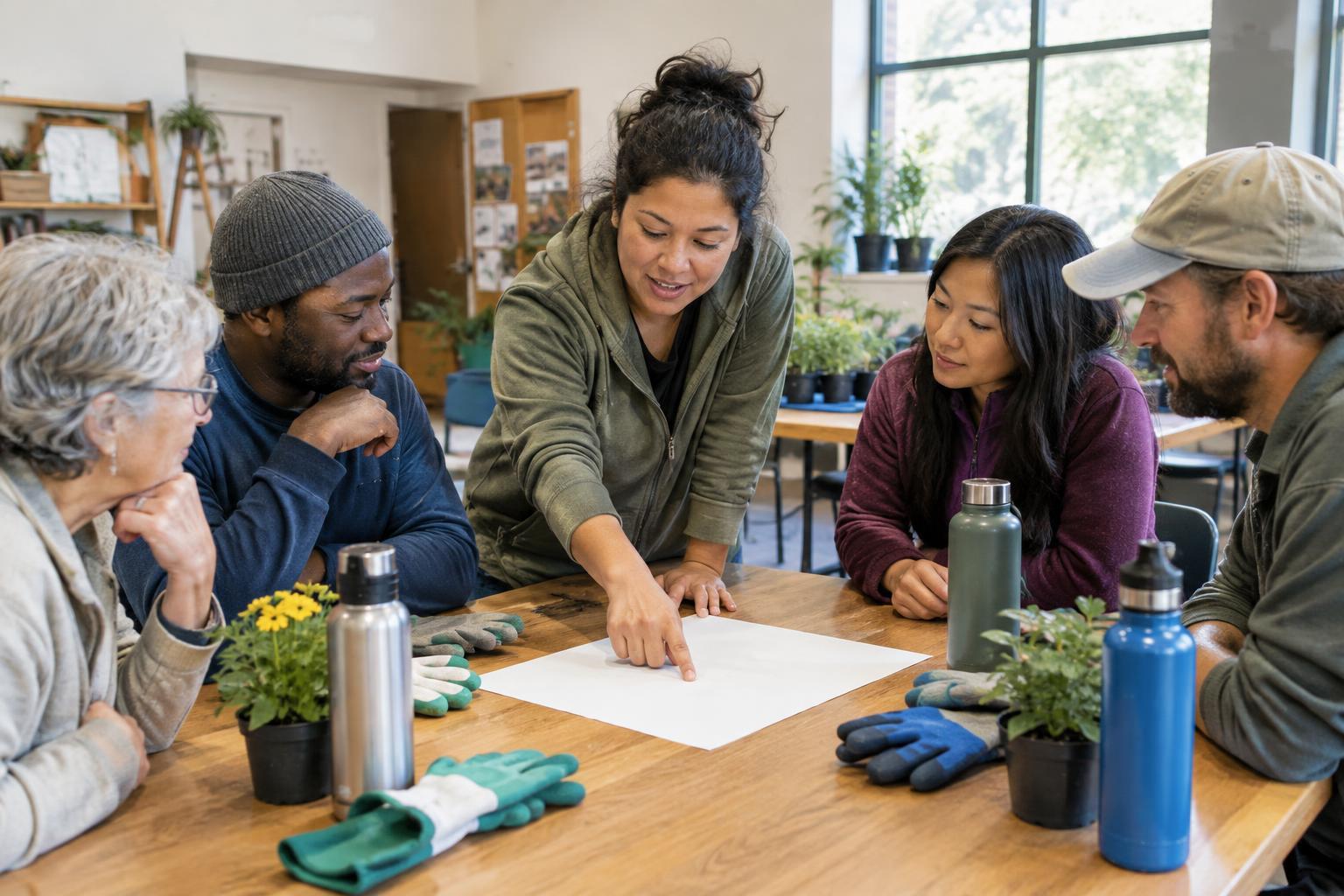
Choose a simple way to share confirmed details and tell volunteers where to find them. A short message or printable handout can cover the date, arrival point, task, supplies to bring, accessibility notes where known and the coordinator’s contact information. Send changes through the same channel when possible, and mark what has changed. At the start of a shift, give a quick orientation rather than assuming everyone saw every update. Clear information helps new volunteers feel welcome, not behind.
Overlooking the small barriers to showing up
A schedule can look complete on paper while still being difficult to use. Volunteers may be unsure where to park, whether children are welcome, whom to tell if they must leave early or what happens if the weather changes. These questions can feel minor to an organizer who knows the setting, but they shape whether a neighbor feels able to participate.
Review the project from a first-time volunteer’s point of view. State the arrival instructions, likely conditions and any useful items to bring. Build in time for breaks and explain whom to ask for assistance. If a task has physical demands or cannot accommodate a particular need, describe that honestly and offer another way to help when possible. For outdoor or shared-space projects, prepare a straightforward backup plan. Removing uncertainty does not require a perfect event; it requires noticing what newcomers cannot be expected to know.
Relying on the same people without checking in
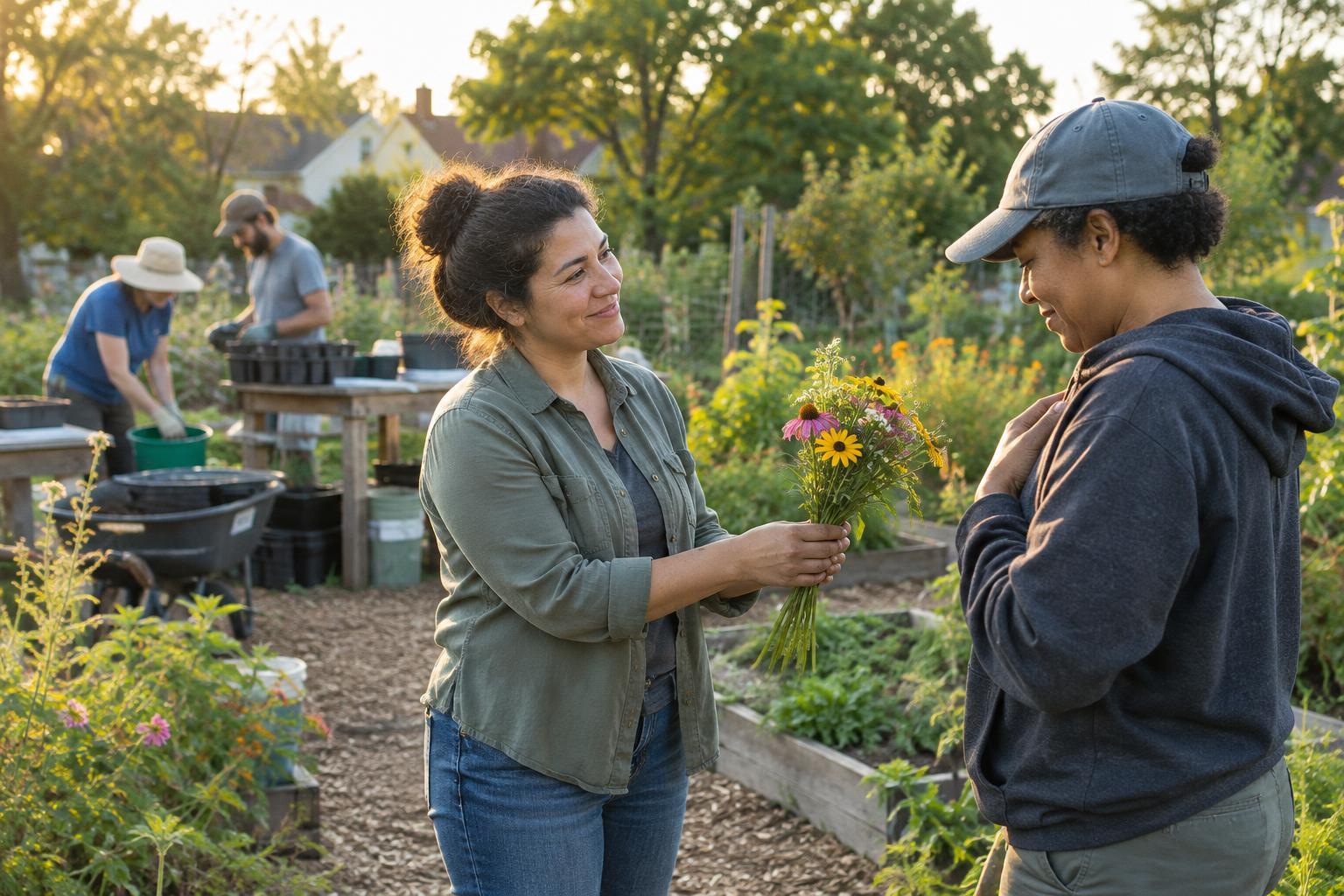
Reliable volunteers are often asked first and thanked last. Over time, a small group may take on planning, reminders, cleanup and the unexpected tasks that appear between them. Even people who care deeply about a project can become tired when saying yes feels like the only way the work will get done.
Make commitments specific and finite. Rotate responsibilities where practical, invite new people into manageable tasks and leave room for someone to decline without apology. After an event, thank volunteers for what they did and ask one or two useful questions: What was clear? What would make the next shift easier? Then record the answers somewhere the next coordinator can use them. Follow-up turns a single gathering into a learning process—and helps a community project remain welcoming to both longtime helpers and people joining for the first time.