Start with the tasks, not the containers
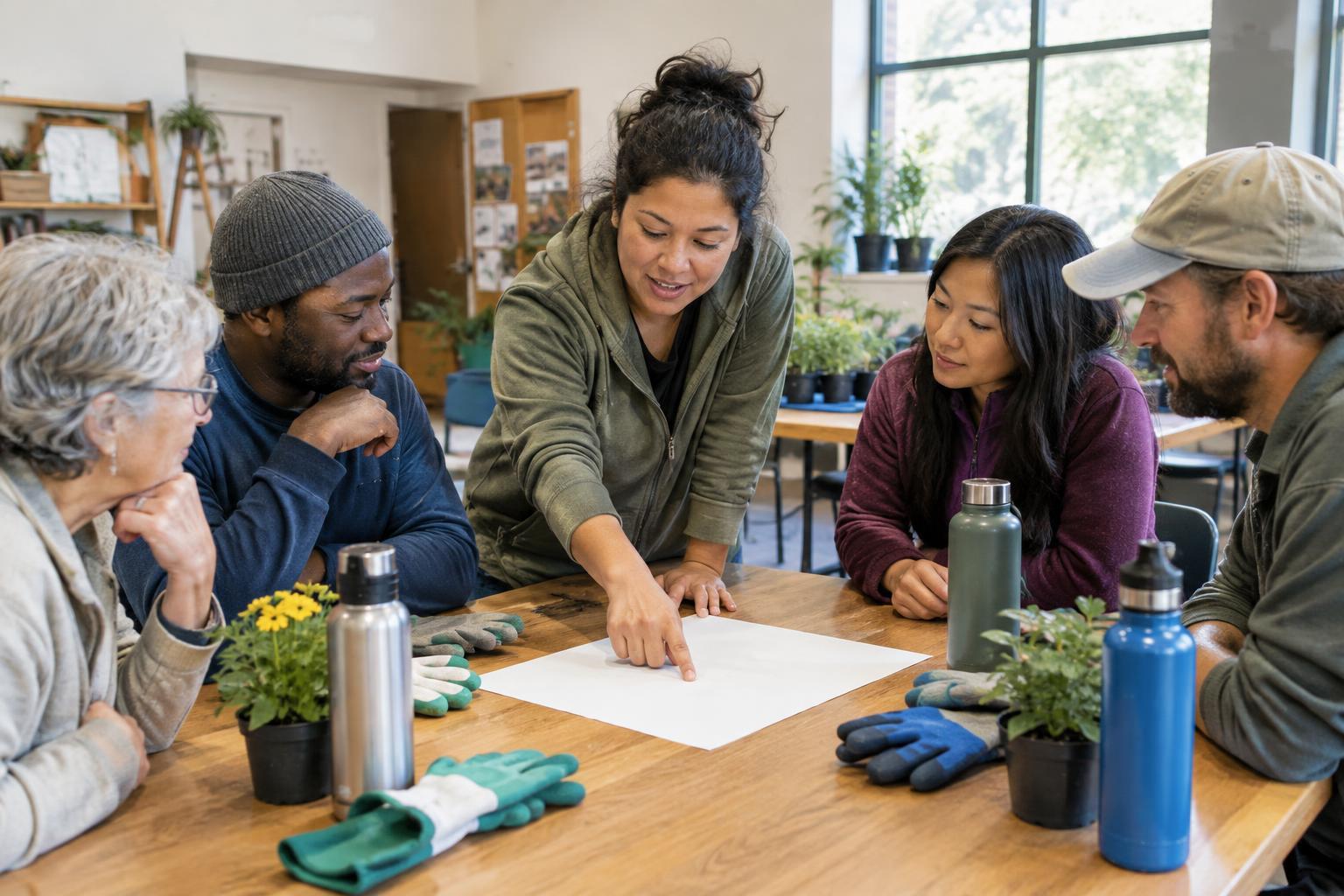
A volunteer team rarely needs a perfect storage room. It needs to find the right gloves, markers or cleanup tools when work begins, then put them back when work ends. Before buying bins or printing labels, walk through a typical shift. What does someone reach for first? Which supplies move between locations? What tends to go missing or get left out? Those answers are a better starting point than an elaborate organizing plan.
Make a short list of supplies the team actually shares. Group them by task, such as event setup, welcome table, garden work or cleanup. Keep frequently used items close to where they are needed, if the space allows. A rarely used decoration need not occupy the same easy-to-reach shelf as the tape and pens used every week. Ask the people who do the work whether the proposed locations make sense; a tidy system that slows everyone down will be hard to maintain.
Give each item an obvious home
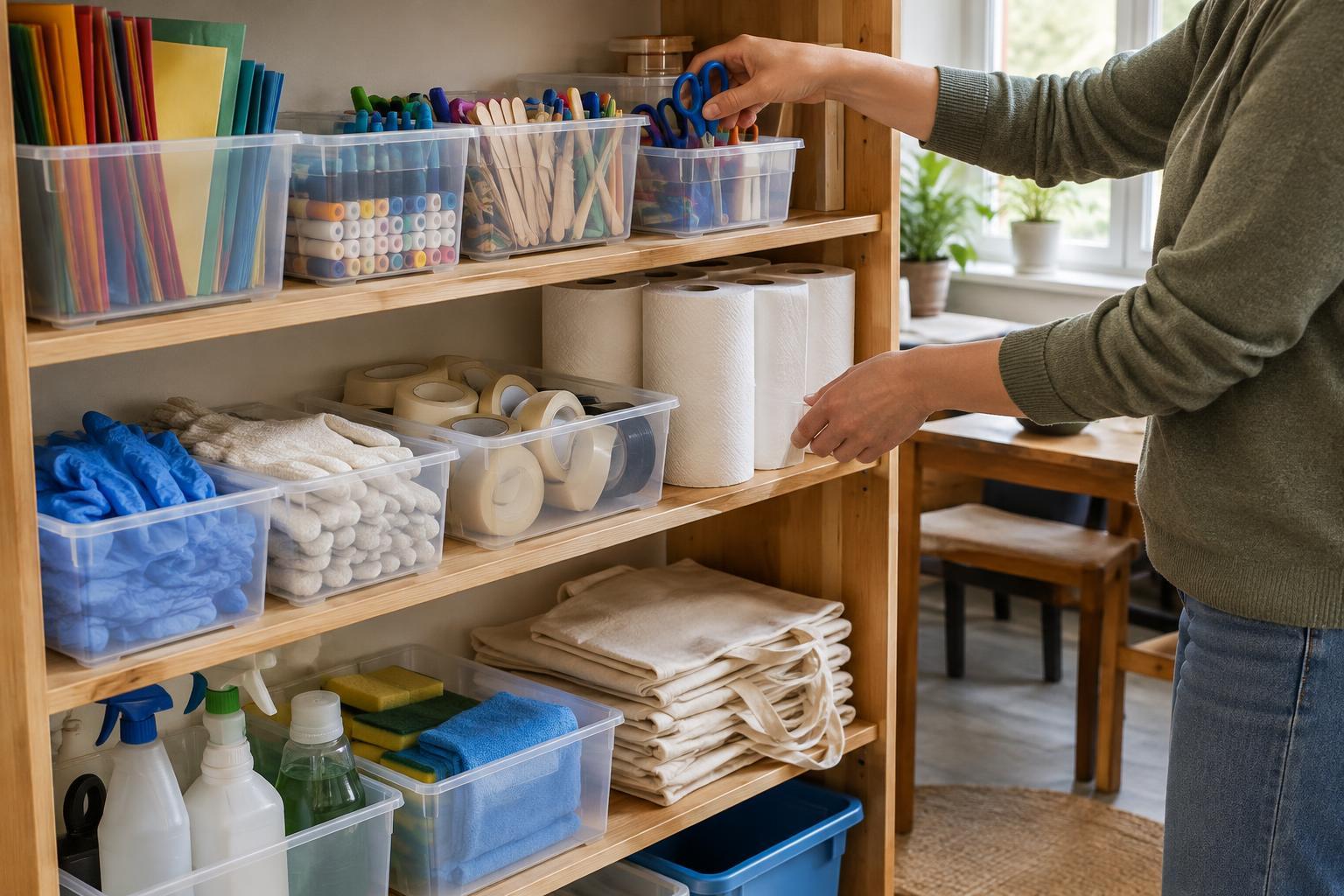
Choose a home for each group of supplies and label it in everyday language. “Welcome table” is more helpful than an unexplained code. Where practical, put the label on both the container and its shelf so an empty space still tells volunteers what belongs there. Clear containers may help people spot contents, but ordinary boxes work well too if their labels are readable and they are not packed too tightly.
Avoid turning every small item into its own category. One container for pens, tape and name tags may be easier to use than several carefully divided drawers. At the same time, keep items with different handling needs separate. Cleaning products, sharp tools and supplies intended for food service should be stored according to the directions that apply to them, not tucked into a convenient mixed box. If a storage area is shared with another group, agree on which shelves the volunteers may use before rearranging anything.
Make quantities visible without tracking every pencil
Most teams do not need a detailed inventory. They do benefit from knowing when an essential supply is nearly gone. A small card on a shelf or a note in the team’s usual communication channel can list a few things to check before the next activity: enough trash bags for cleanup, working markers for signs or clean gloves for a garden session. Keep the list short enough that someone will use it.
Set a simple way to report a shortage. Volunteers might leave a note in a designated spot or tell the person who coordinates supplies. Make clear who decides whether to replace an item and who can spend money on it. This prevents well-meaning volunteers from feeling they must pay out of pocket. If supplies are donated, check that they are useful before adding them to storage; accepting every extra item can make the essentials harder to find.
Build a reset into the end of each shift
A supply system stays useful when returning items is part of the work, not an optional favor for whoever arrives next. Reserve a few minutes before the shift ends to gather tools, throw away packaging, wipe down reusable work surfaces where appropriate and return supplies to their labeled homes. This is easier when the closing task belongs to a named role or is included in the team’s shared checklist.
Make the reset realistic. A volunteer finishing a busy event may not have time to reorganize an entire closet, but they can return the sign kit and note that the tape has run out. If an item is damaged or its proper location is unclear, give people a place to set it aside and a way to flag the problem. An honest note is more useful than putting an unusable tool back where the next person expects to find one that works.
Adjust the system when the work changes
After a few shifts, ask what people still have trouble finding. A label may be unclear, a container may be too heavy to move comfortably or the most-used supplies may be stored too far from the activity. Change one thing at a time, then see whether it helps. Invite newer volunteers to comment: they often notice instructions that regulars no longer realize they are relying on.
The goal is not a spotless shelf in a photograph. It is a shared space that welcomes the next person into the work. When volunteers can locate what they need, notice what is running low and leave supplies ready for others, a small organizing habit becomes a practical form of teamwork.