Start with the change you hope to see
A garden planted, a bench repaired, or a block gathering held can feel like a clear success. Those accomplishments matter, but they may not tell the whole story. A neighborhood project usually begins with a hope: making a shared space easier to use, helping neighbors meet, or reducing a recurring inconvenience. Measuring progress starts by naming that hope before deciding what to count.
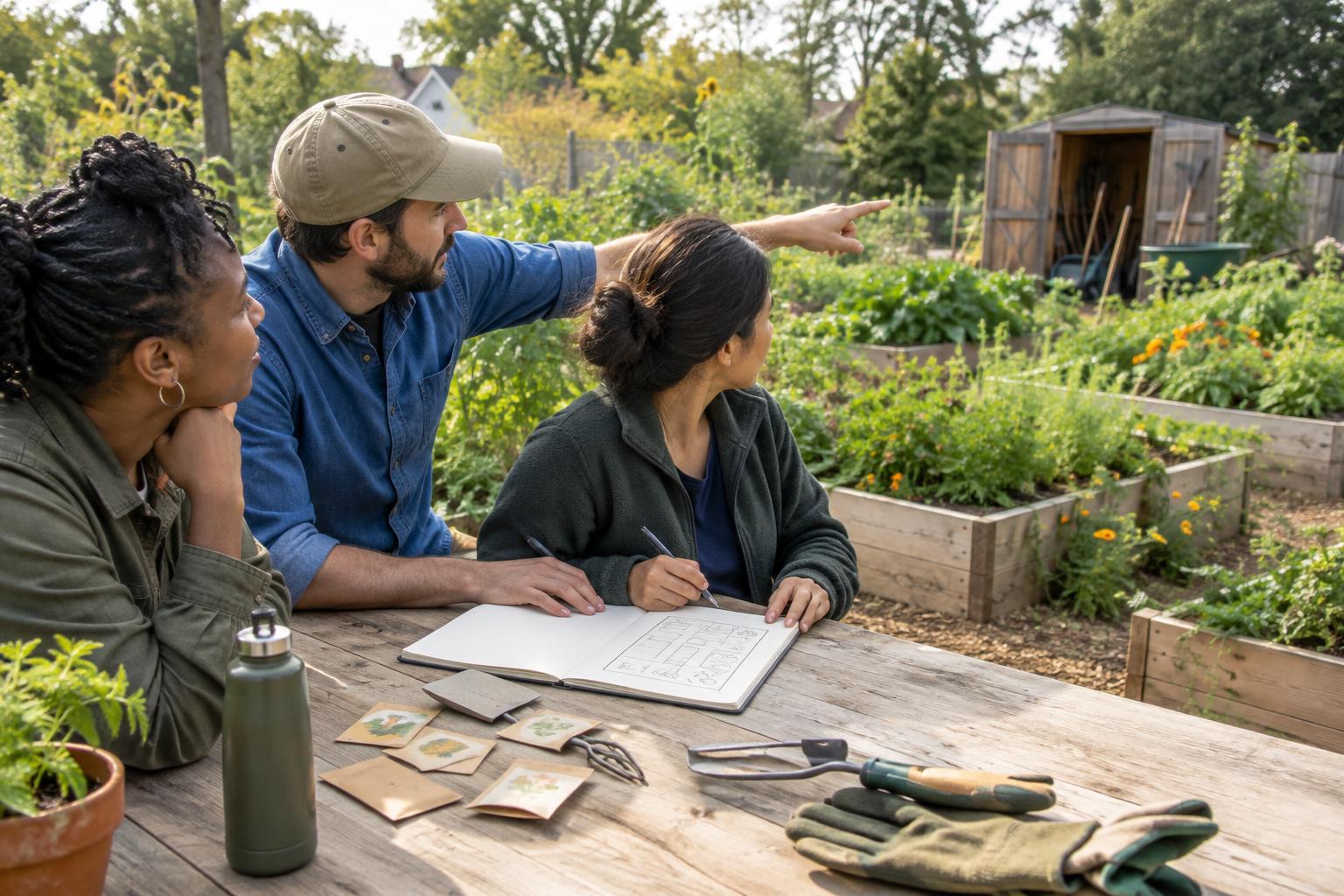
Write the goal in everyday language. Instead of “improve the park,” try “make the park entrance easier for neighbors to find and use.” Then ask who the project is meant to help and what would be different for them. A narrow goal makes it easier to notice progress without expecting one small project to solve every neighborhood concern. If several people are organizing the work, agree on the goal together so that volunteers are not quietly working toward different definitions of success.
Choose a few signs of progress
Useful measures should connect directly to the goal and be reasonable for volunteers to track. For a project to improve a walking route, a team might record which obstacles it identified, which ones it addressed, and whether people using the route say it feels easier to navigate. For a gathering intended to build connections, attendance is one useful sign, but whether newcomers felt welcome may be just as important.
Include both what the group does and what changes as a result. Hours spent painting show effort; a space that neighbors can comfortably use shows a different kind of progress. Neither measure needs to be perfect. Choose two or three signs that the team can check consistently, rather than collecting so much information that recordkeeping takes energy away from the project. If possible, note the starting condition before work begins. A short description or a set of photos taken with appropriate permission can make later comparisons more meaningful.
Make room for neighbors’ experience
Numbers can show that people came to an event or that repairs were finished. They cannot always show whether the project met a real need. Ask neighbors what is working, what remains difficult, and what the organizers may have overlooked. A few brief conversations at a gathering, a simple comment card, or an invitation to speak with a project volunteer may be enough. Make it easy for people to respond without requiring a long form or a public meeting.
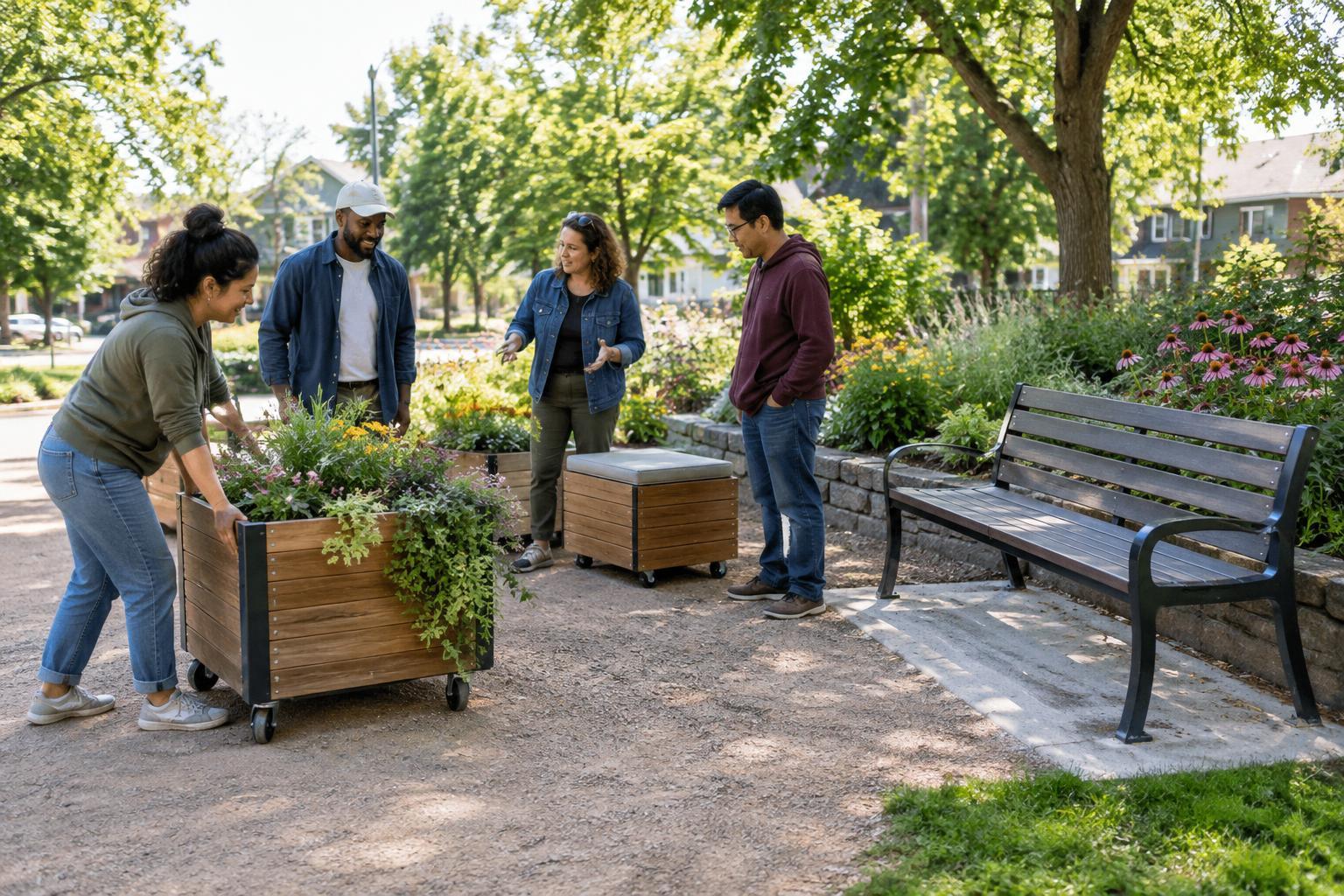
Pay particular attention to people who might find it harder to participate. If a shared activity takes place only at one time of day, feedback from those who attended will not explain why others stayed away. Ask an open question rather than assuming the reason. Listening is also a way to catch unintended effects: a new arrangement may help one group while creating an obstacle for another. Treat a concern as information to investigate, not as a failure to defend against.
Review what the evidence actually says
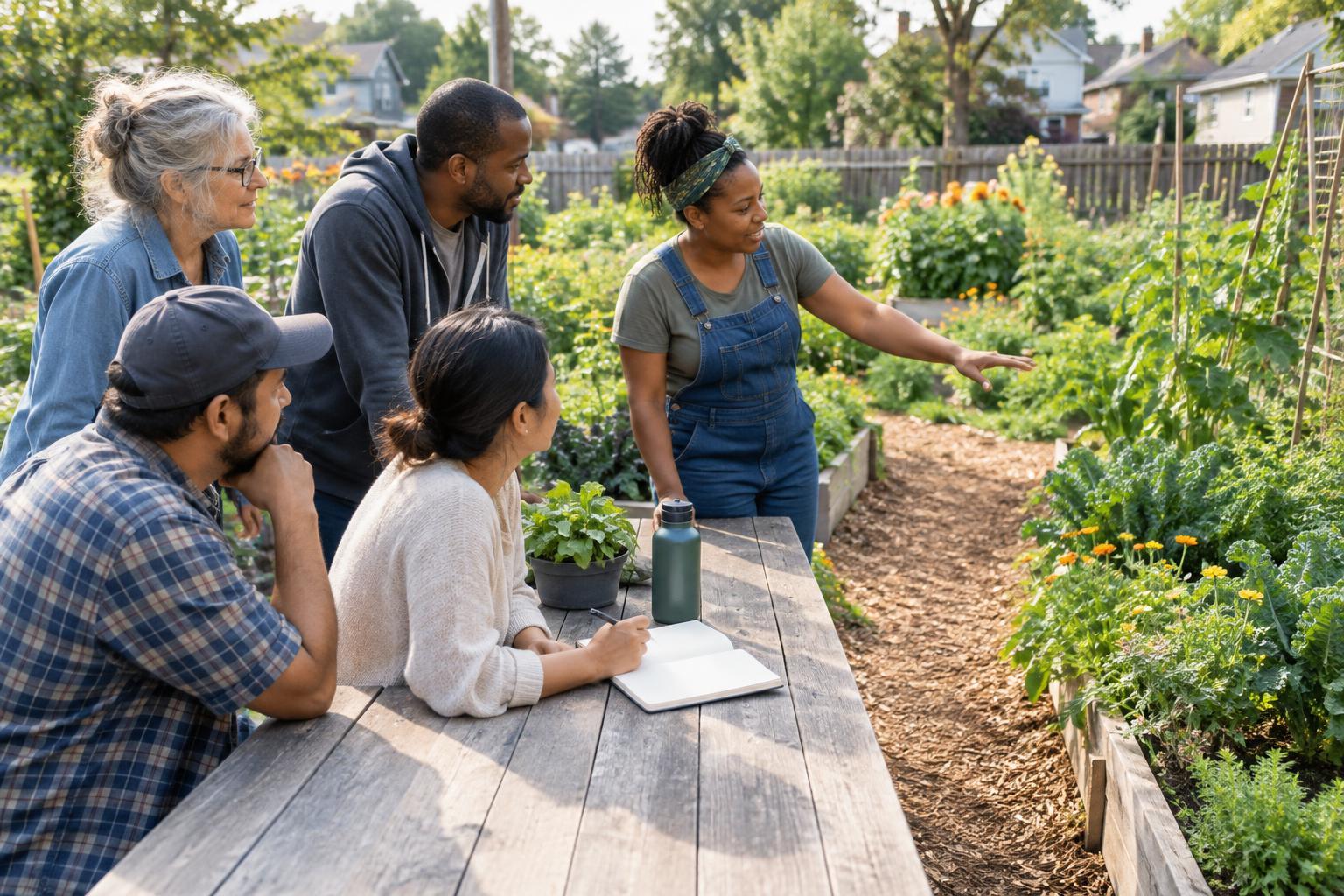
Set a time to look at the measures and feedback with the people doing the work. Compare what happened with the goal you wrote at the beginning. What was completed? What appears to be different for neighbors? Where is the picture still unclear? Keep the discussion honest about limits. A busy event may reflect good weather or a convenient schedule as well as interest in the project; a quiet event does not necessarily mean the idea has no value.
Separate questions the team can answer from those that need more time. It may be clear that volunteers installed a noticeboard, but too early to know whether it helps people find local activities. In that case, decide when to check again and what to look for. If a measure proves unhelpful, replace it and note why. The purpose of measurement is to guide decisions, not to preserve a plan that no longer fits what neighbors are experiencing.
Share what you learned and choose a next step
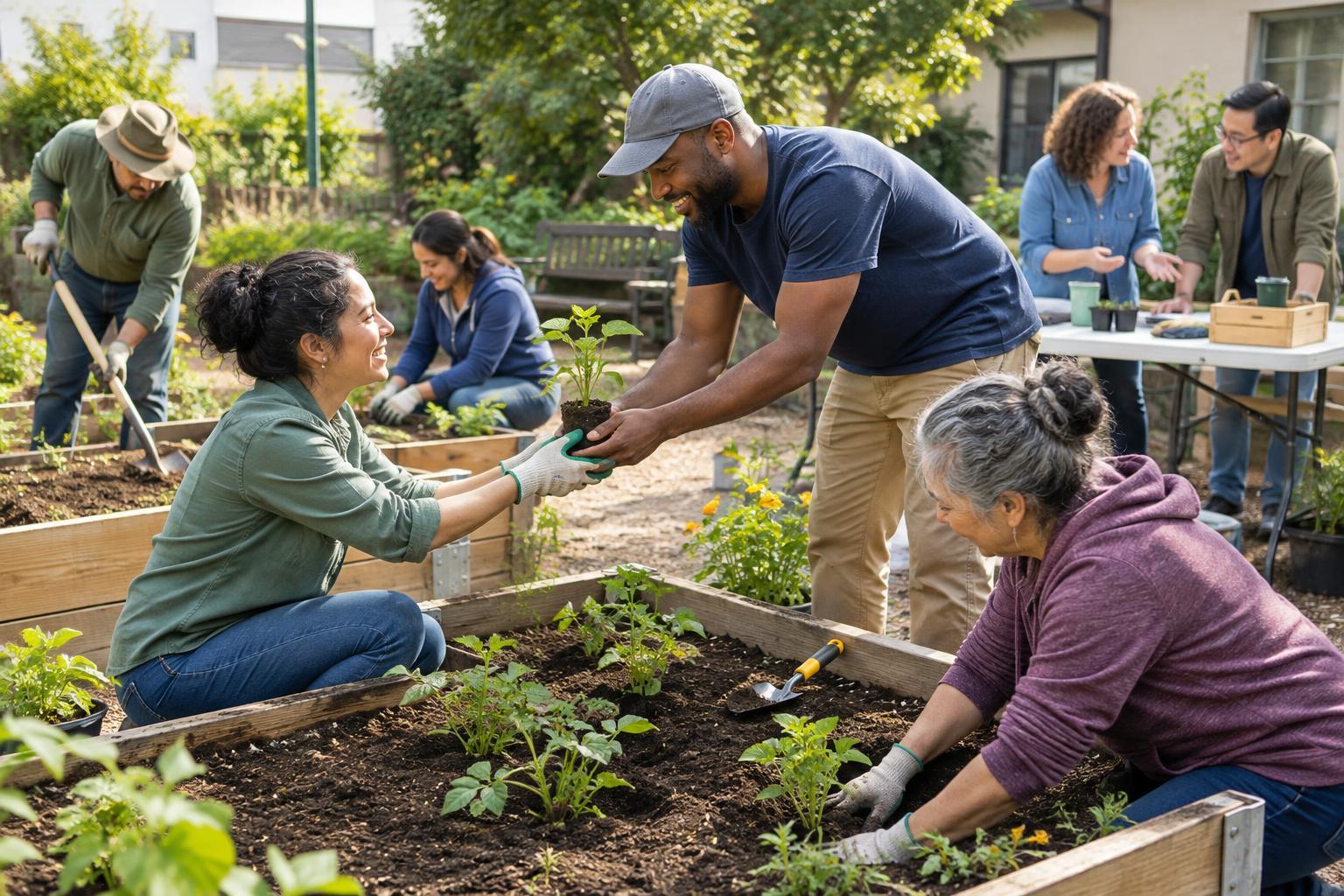
A short update helps neighbors see how their time, ideas, or donated materials contributed. State the original goal, what the group did, what it observed, and what it plans to adjust. Include both achievements and unfinished work. Protect people’s privacy when sharing feedback: summarize themes unless someone has clearly agreed to have their words or name used.
End the review with a manageable decision. The team might continue as planned, change the schedule, invite a partner with different skills, or pause a task that is not helping. Thanking contributors matters, but so does showing that their input can shape the work. A neighborhood project is meeting its goals when its actions produce useful changes for the people it aims to serve—and when its organizers remain willing to listen and adapt.