Start with the question someone will ask later
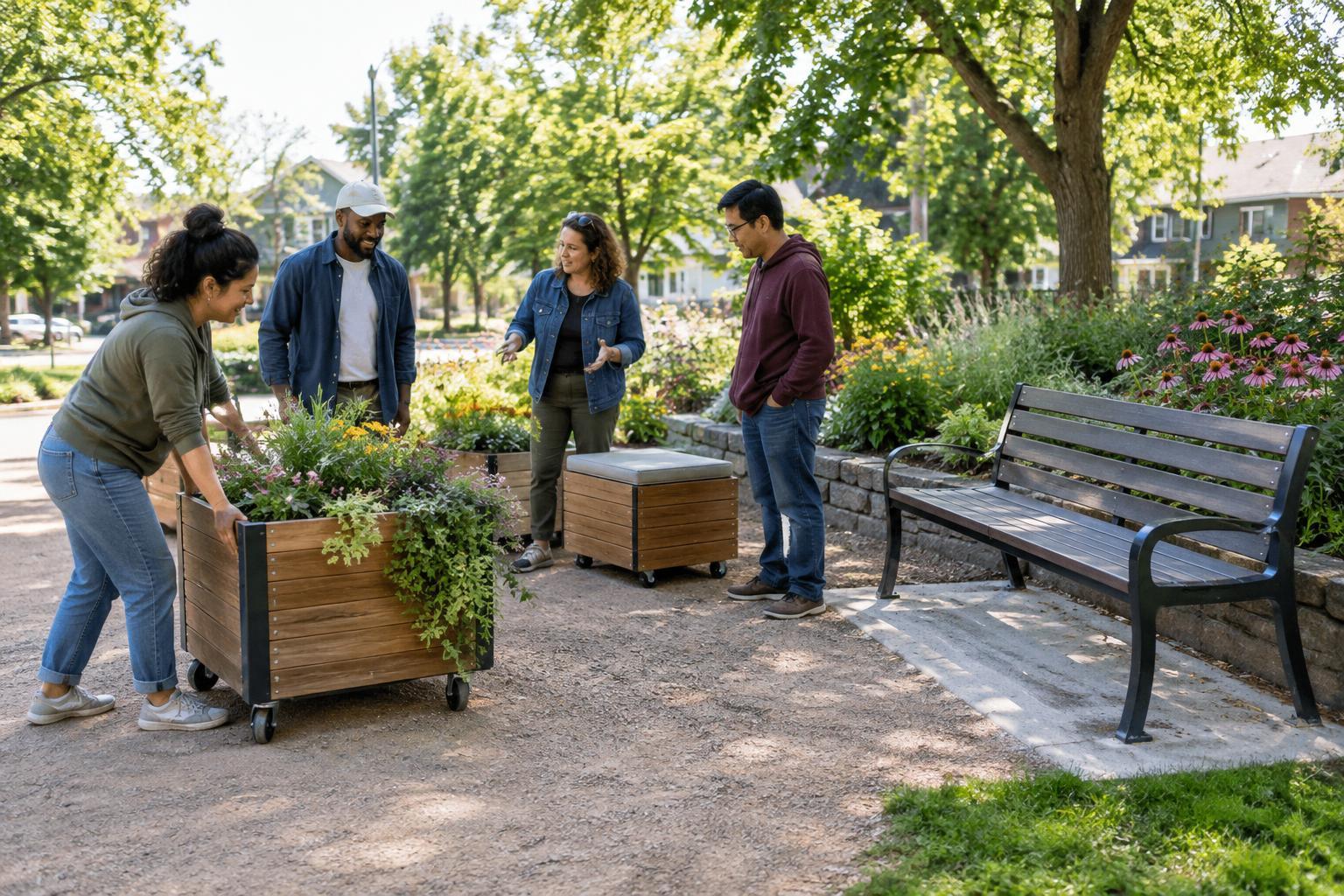
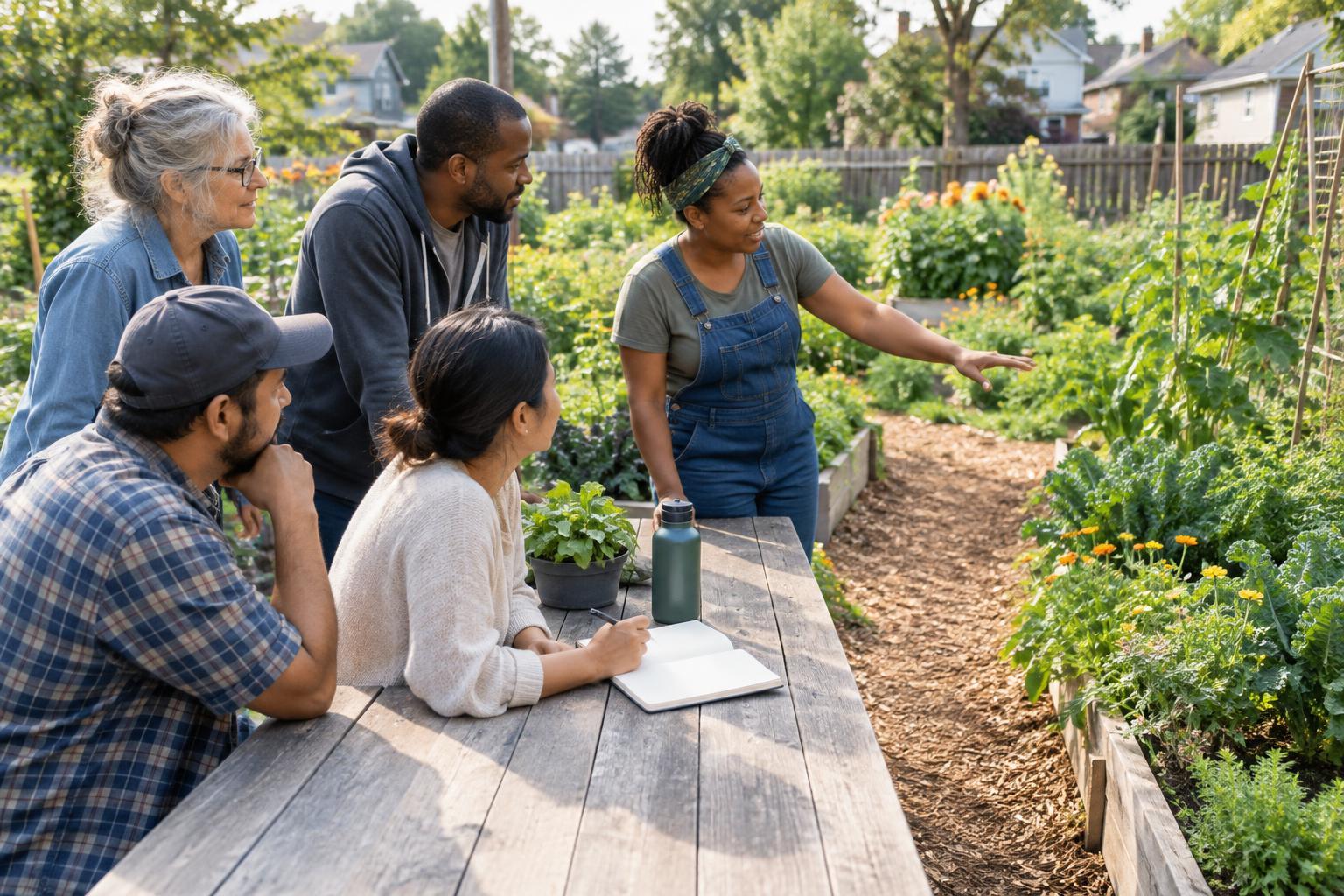
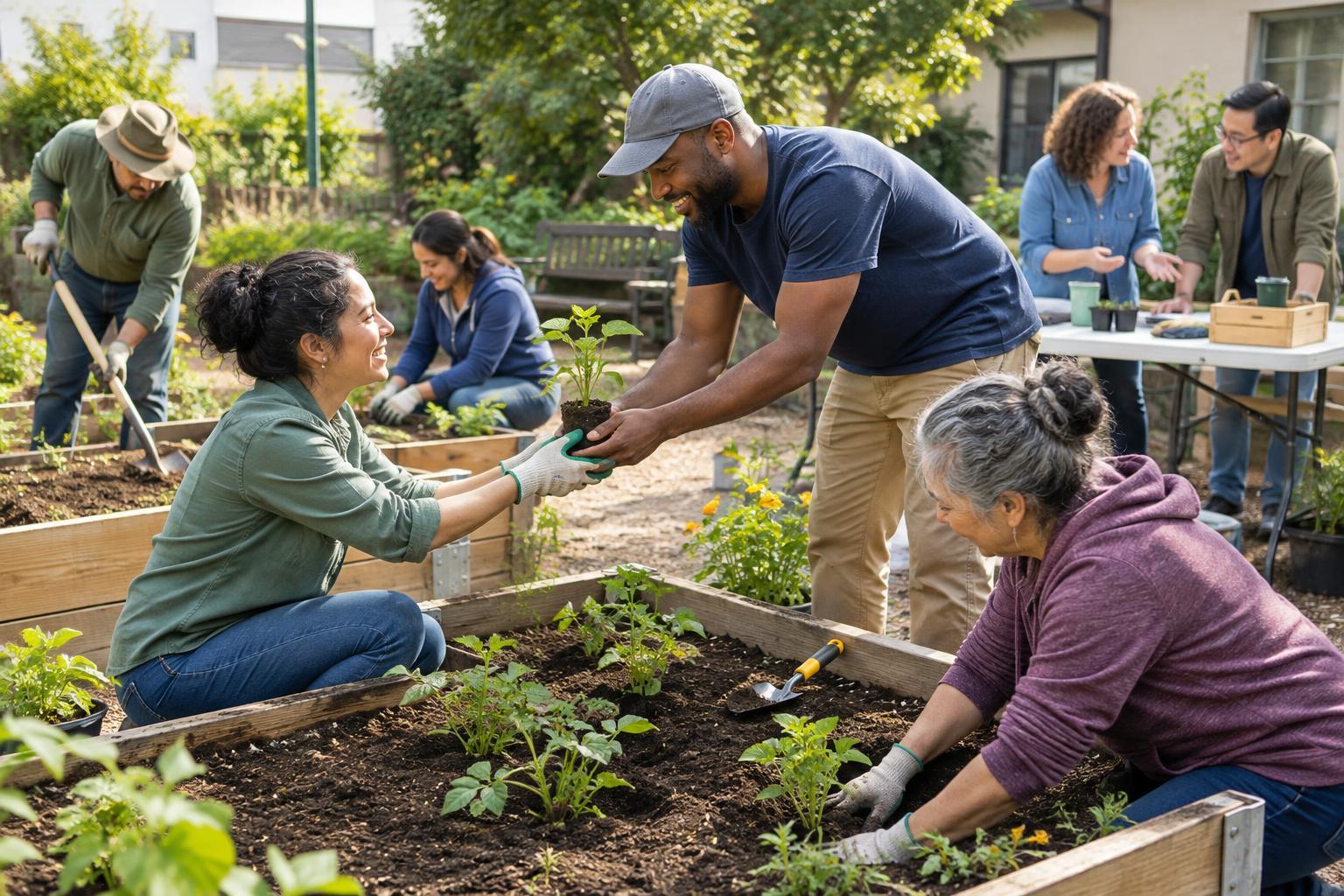
A community project can leave behind a beautiful result and very little guidance. New volunteers may see a planted corner, a repaired bench or a recurring gathering, but not know who tends it, why a particular approach was chosen or what it takes to keep going. Documentation closes that gap. It does not need to be a polished history; it needs to help someone understand the project and take a sensible next step.
Before collecting files, imagine a neighbor arriving a year from now. They may ask: What was the goal? Who agreed to the work? What materials are needed? What should we avoid repeating? Use those questions to shape a short project record. A one-page overview can name the project, its location, its purpose and the date the record was last updated. Add a note explaining where the fuller details live.
Record decisions, not just activities
A timeline of workdays is helpful, but the reasoning behind decisions may be more valuable. Note the options the group considered, what influenced its choice and which questions remain open. For example, if volunteers chose a smaller planting area so it would be easier to maintain, that detail helps a future team decide whether to expand it. Keep the language straightforward, and distinguish between an agreed plan and an idea that was only discussed.
Capture practical details while they are fresh: measurements, supply lists, recurring tasks, storage locations and instructions for any shared equipment. Record who owns a task by role rather than assuming one person will always handle it. If the project depends on permission to use a space, include what permission was given and how future volunteers can confirm that it still applies. Keep any sensitive paperwork in an appropriate private location rather than in a widely shared project folder.
Make the record useful without exposing people
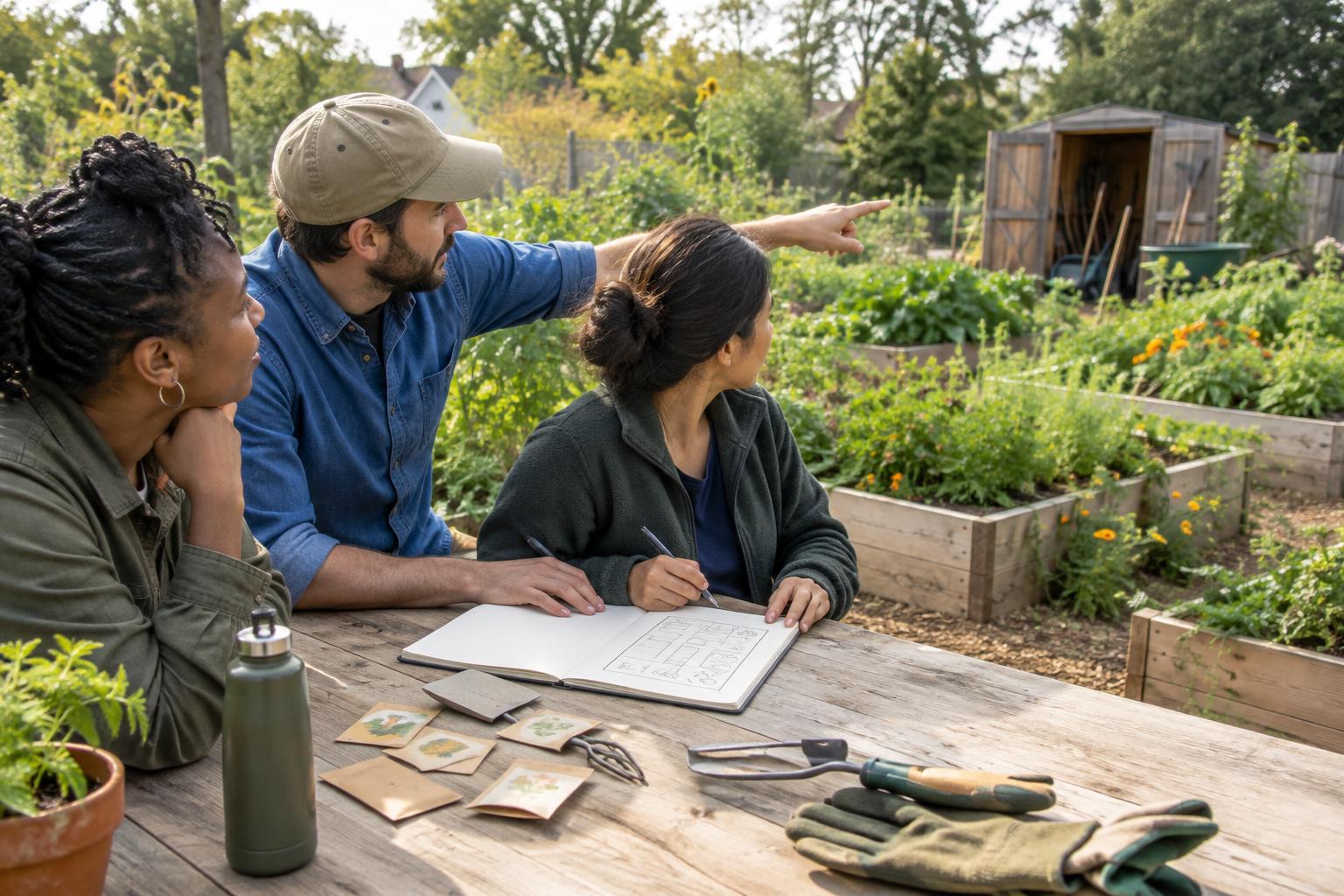
Photographs can show the starting condition, stages of work and finished result more clearly than a long description. Give each image a brief caption explaining what it shows and when it was taken. A simple sketch or map may be useful too, especially if it marks the location of materials or features that are hard to spot. Use clear file names so a newcomer does not have to open every image to find the one they need.
Community records should also respect the people who made the work possible. Ask before sharing recognizable photos, personal stories or contact information. Avoid posting volunteer lists with private details where anyone can access them. A role-based contact, such as a project coordinator reached through an agreed community channel, may serve future neighbors better than a collection of personal phone numbers. When consent is unclear, describe the work without identifying individuals.
Include the costs, care and imperfect parts
A realistic account helps others plan. List materials used, approximate quantities and costs if the group has reliable records. Note donated items separately so the project does not appear cheaper to repeat than it really is. Include routine needs as well as startup needs: who waters, cleans, repairs or opens the space, and how often the group expects to check on it. If those duties have not been assigned, say so plainly.
Leave room for what did not work. Perhaps a workday needed more setup time, a sign was hard to read or a task required skills the group had not anticipated. Describe the problem and the adjustment without assigning blame. Future neighbors do not need a perfect success story. They need to know which parts were easy to repeat, which took extra care and which still need a solution.
Choose a home for the record and plan the handoff
A document is only helpful if someone can find and understand it. Choose one agreed storage place for the current version, whether that is a shared folder, a printed binder or both. Give the files consistent names, put the overview first and avoid making essential information available only in a format some neighbors cannot use. A printed summary can be especially helpful at an in-person handoff.
Set a modest review routine instead of waiting until everyone has forgotten the details. At a project meeting or seasonal check-in, ask what has changed, which tasks need new owners and whether the instructions still match what people actually do. End the record with a short “start here” note for the next group: the first person or role to approach, the first document to read and the next decision that needs attention. That small invitation turns an archive into a bridge between neighbors.