Start with an invitation people can use
A call for volunteers often says that everyone is welcome, but people also need enough detail to decide whether a shift will work for them. Describe the task, location, length of the shift and what the space is like. Will volunteers stand for long periods, lift boxes, work outdoors or speak with visitors? Is seating available? Giving this information up front helps people choose a role without having to disclose personal information.
Offer a clear way to ask questions or request an adjustment before signing up. A simple invitation such as “Tell us what would help you participate” leaves room for different needs without asking anyone to explain a diagnosis. If someone raises a barrier, listen to the practical problem they describe rather than guessing what they can or cannot do.
Design roles with more than one way to help
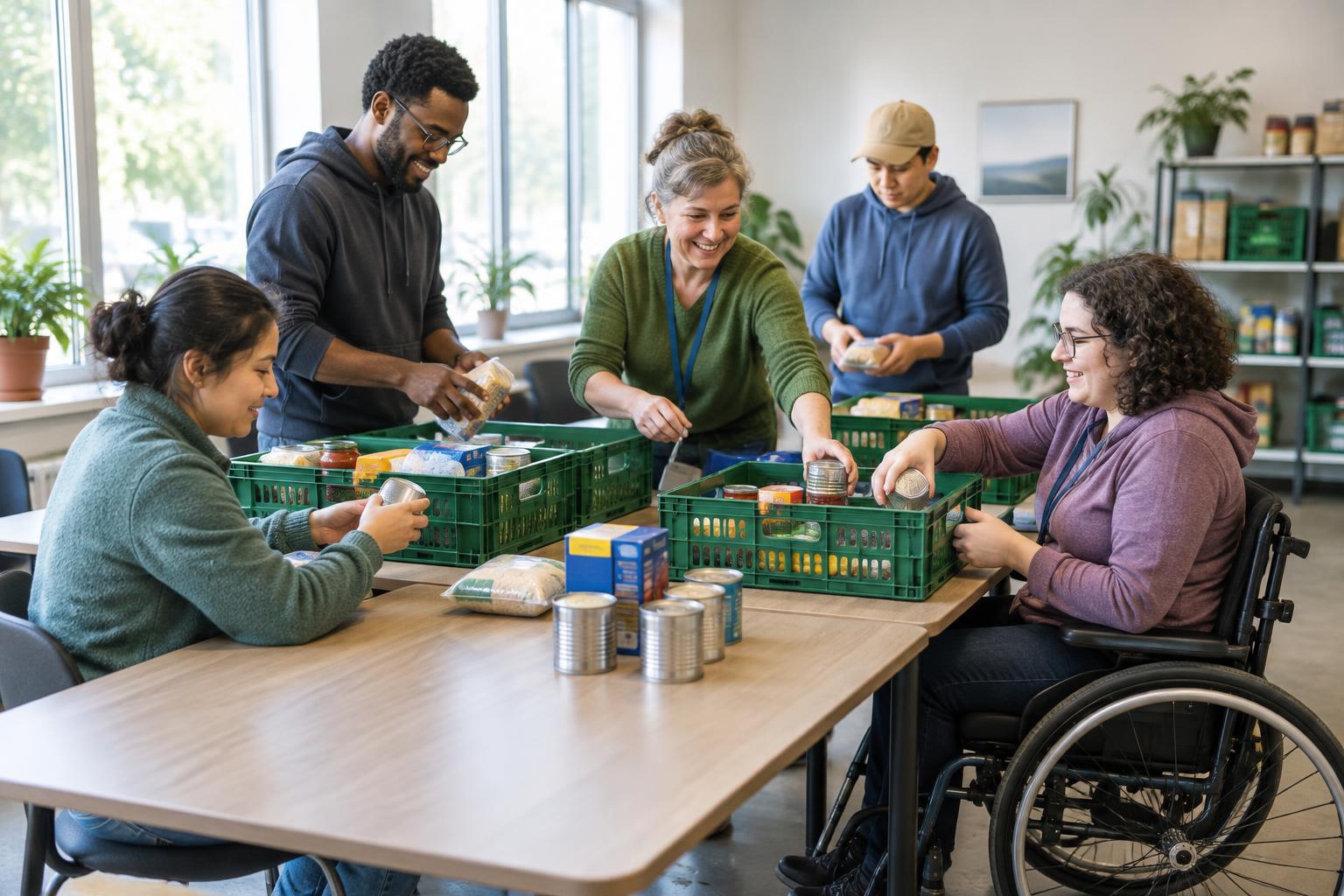
Many community projects contain several kinds of work. A gathering might need people to prepare materials, welcome arrivals, organize supplies, make reminder calls and help tidy afterward. Break large jobs into smaller tasks so volunteers can choose what fits their skills and energy. When possible, include both seated and moving roles, as well as work that can be done away from a busy room.
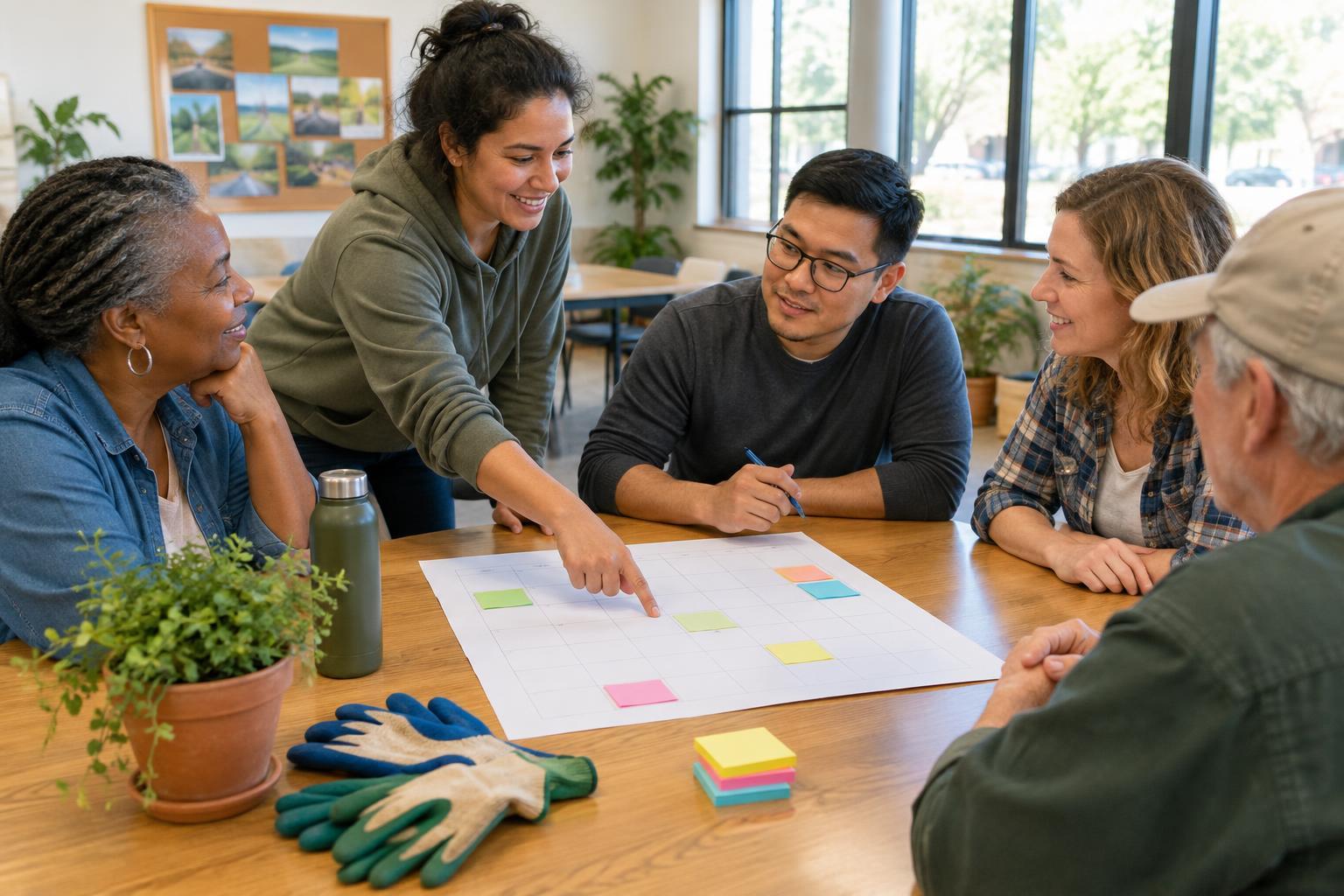
Flexibility can also make a shift easier to join. Consider shorter time blocks, shared roles or a task that can be completed before the event. Let volunteers know which duties are essential and which can be traded. This is not about making assumptions based on someone’s appearance or age; it is about giving everyone a meaningful choice.
Check the space and the schedule
Before posting a shift, walk through it as a volunteer would. Think about the route from arrival to the work area, where people will put their belongings, how supplies are arranged and whether instructions can be heard in a noisy room. Clear walkways, reachable materials and an uncluttered place to sit can make tasks easier for many people. If a location has a barrier you cannot remove, say so plainly and look for another way someone can contribute.
Build breaks into the plan rather than treating them as an exception. Tell people where they can get water, sit down or step away from noise. A predictable start and finish time helps volunteers plan around transportation, caregiving and changing energy levels. If the schedule may shift, explain when and how you will share updates.
Make instructions easy to follow
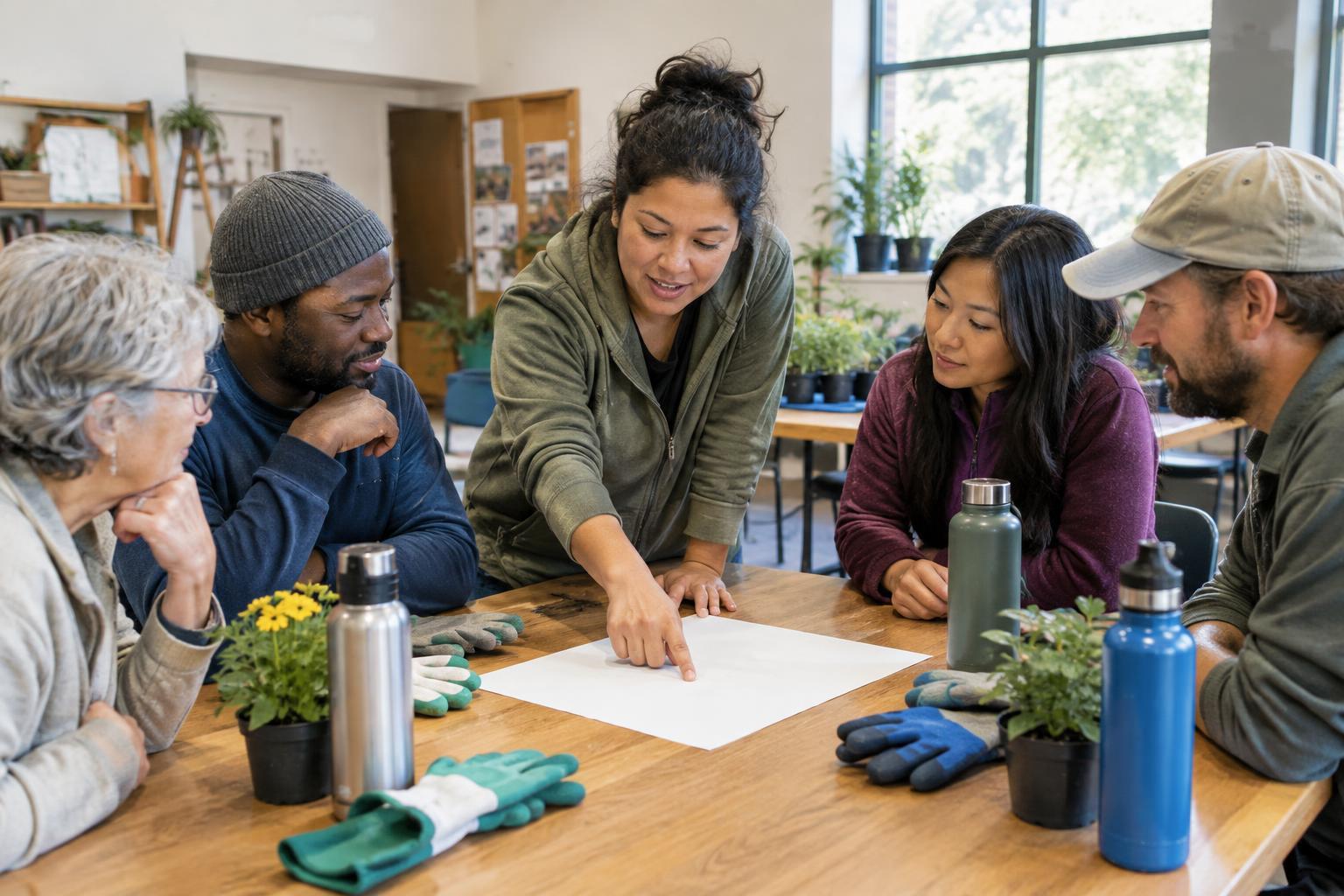
At the start of a shift, give a brief overview of the purpose, the tasks and who can answer questions. Written instructions can support spoken ones, especially when a space is busy. Use straightforward language, keep steps in a sensible order and show an example when that is easier than a long explanation. Ask whether the instructions are working instead of assuming that silence means everything is clear.
Choose one person to welcome volunteers and help with changes during the shift. That gives someone a comfortable point of contact if a task turns out to be difficult or an adjustment is needed. A volunteer should be able to switch duties or take a break without feeling that they have let the group down.
Learn from each shift
Accessibility is an ongoing practice, not a checklist completed once. After a project, ask volunteers what made participation easier and what got in the way. Offer more than one way to respond, such as a quick conversation or a short written note, and make it clear that sharing feedback is optional. Look for patterns in the planning, not faults in individual volunteers.
Small changes can carry forward: a clearer role description, supplies moved within easier reach or a quieter place for orientation. Thank people for the work they chose to do, rather than praising them for overcoming a barrier. The goal is a volunteer culture in which neighbors can contribute without having to prove that they belong.