Start with a project people can picture
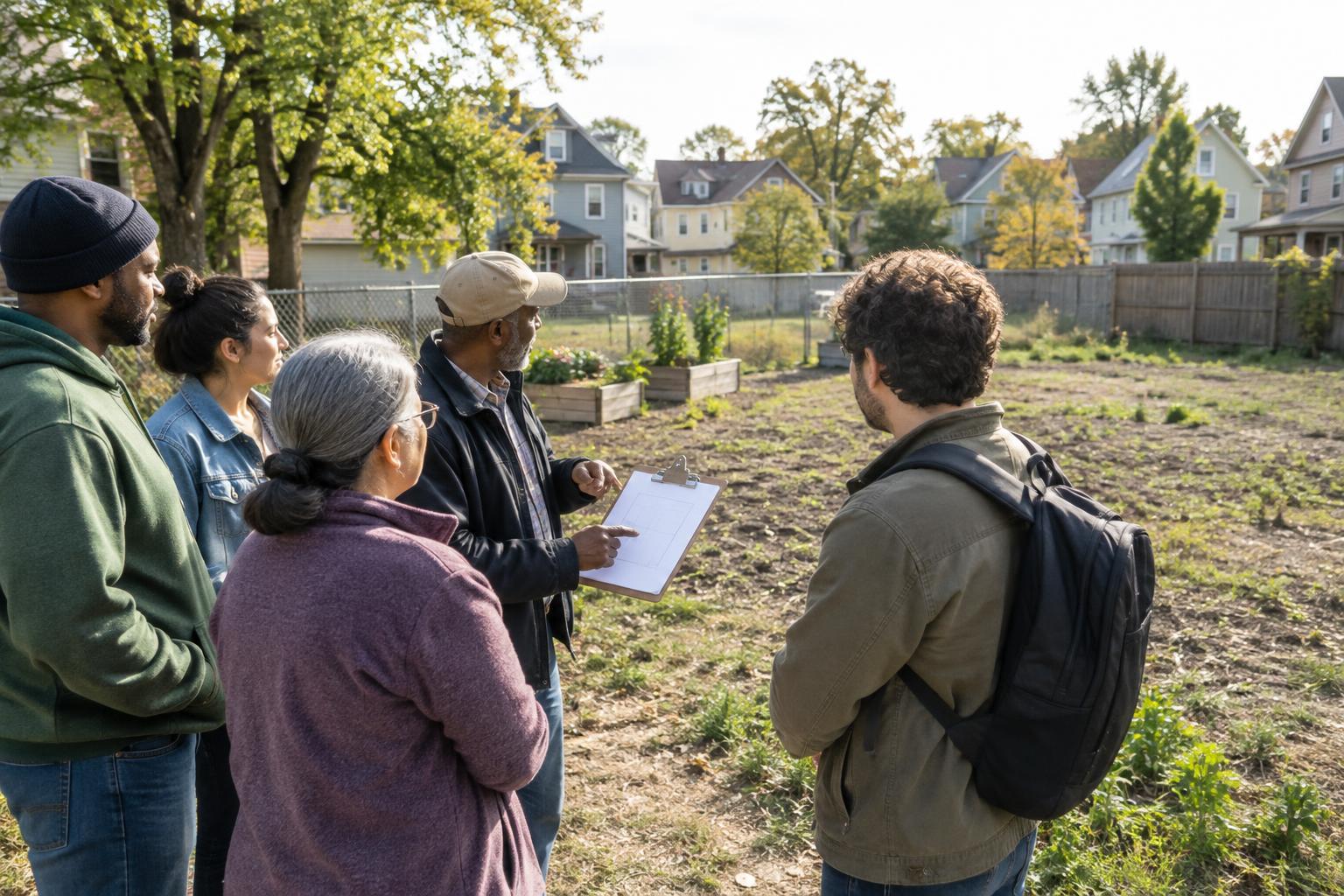
Before looking for support, describe the project in a few plain sentences. Who is it for? What will happen? Where will the work take place, and who will help carry it out? A clear plan makes it easier for a potential supporter to see what a gift would accomplish. “We want to brighten the neighborhood” is a good intention; “We want to plant and tend two shared flower beds beside the walking path” gives people something concrete to consider.
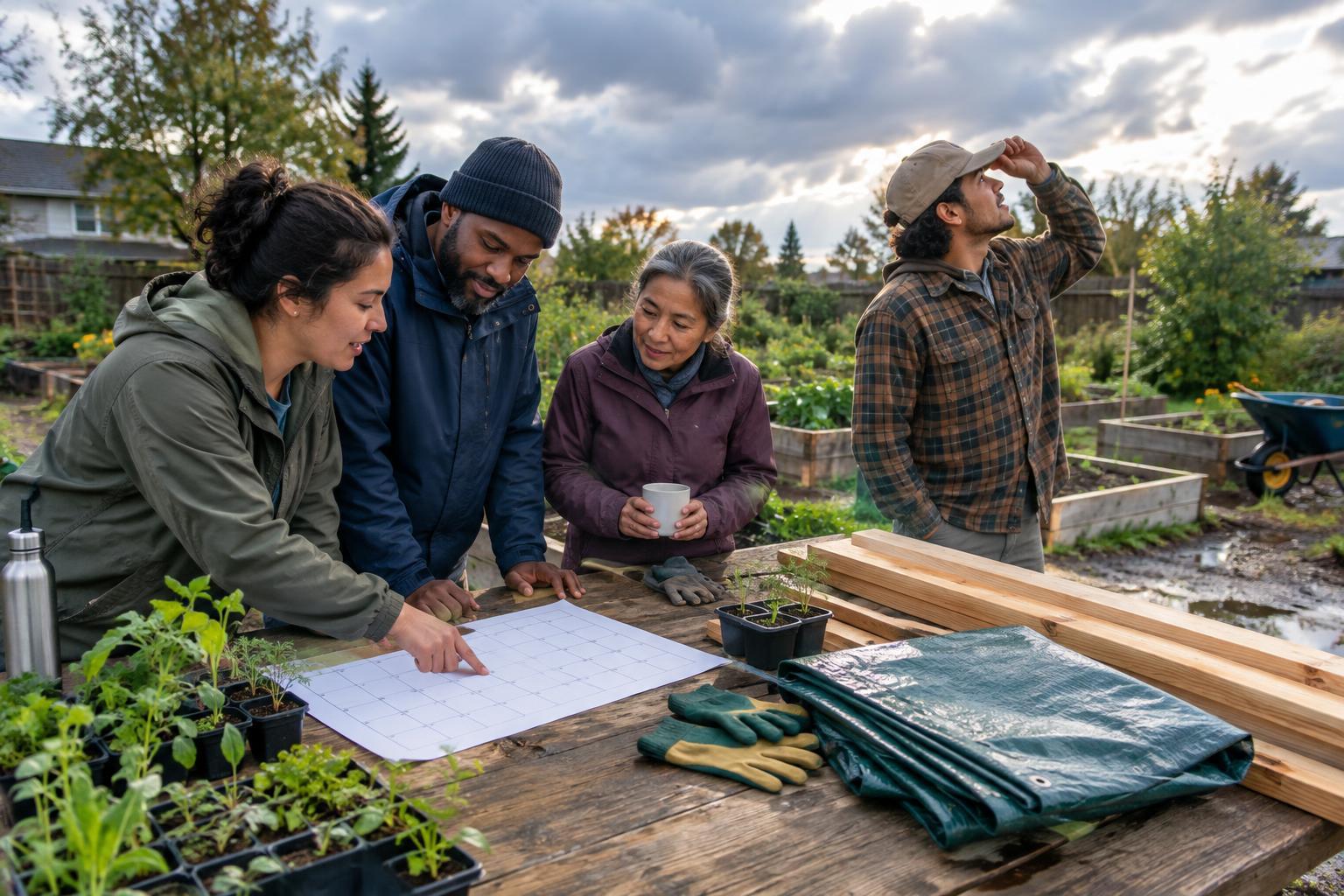
Make a short list of what the project needs, separating essential items from extras. Include supplies, borrowed equipment, accessible space, printing, transportation and volunteer time where relevant. Then note what your group already has. This keeps you from seeking money for something a neighbor could lend, or collecting donated items you have no place to store. If the project uses shared or public space, check who can approve the work before asking anyone to fund it.
Look for support close to the project
Small grants may be offered by local foundations, civic groups, neighborhood associations, businesses or other organizations with a community focus. Community noticeboards, library staff and people who have organized similar projects can be helpful starting points. Read each opportunity carefully: some support only certain places or activities, require a partner organization, or reimburse costs after purchases are made. An appealing grant is not useful if its requirements do not fit your group’s capacity.
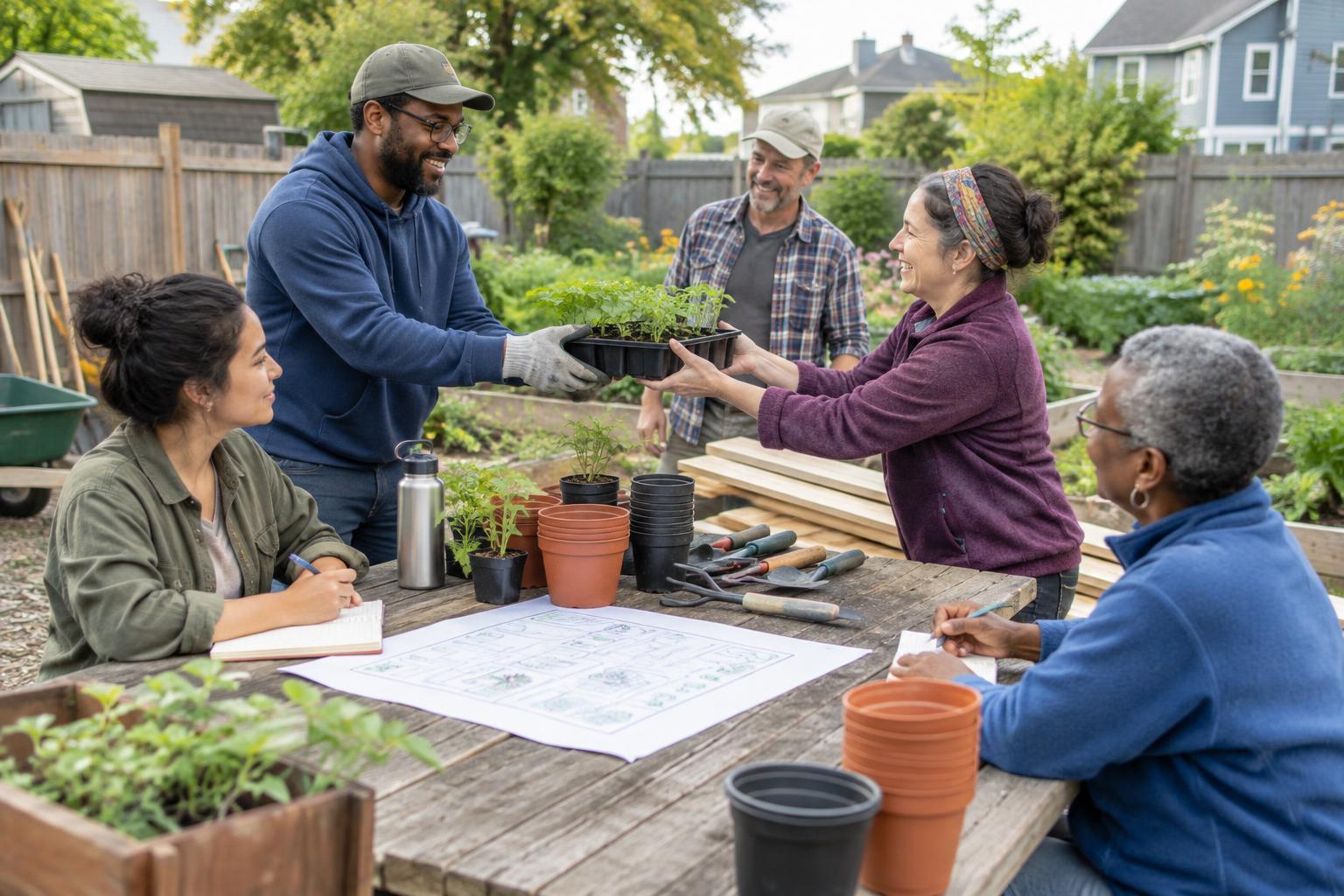
Do not overlook in-kind donations: goods or services given instead of money. A hardware shop might consider donating gloves; a printer might offer a small run of flyers; a neighbor might lend tables for a gathering. Match each request to something the donor can reasonably provide. A specific, modest ask is usually easier to consider than a general appeal for “anything you can spare.” Be prepared to accept a smaller gift, or a polite no, without pressure.
Make a clear, respectful request
Whether you are completing a grant form or speaking with a business owner, use the same basic outline: the need you have noticed, the activity you propose, the people it is meant to welcome, the support you are requesting and how you will put that support to use. Keep the language direct. Explain how volunteers will share the work and what you will do if you receive only part of what you ask for.
For a small grant, a simple budget can show expected costs alongside any supplies or help already pledged. Use realistic estimates rather than a long wish list. For an in-kind request, specify the item, quantity, timing and how it can be delivered or collected. Give the potential donor enough time to decide, and ask before naming them publicly as a supporter. If a grant has reporting or acknowledgment requirements, make sure someone in the group can follow through before applying.
Plan for useful gifts, not just generous offers
A donation helps only if it fits the project. Check the condition, safety and suitability of used items before agreeing to take them. Think about where materials will be kept, who can transport them and whether volunteers know how to use them. If a gift would create extra work or costs, it is reasonable to decline kindly and explain what would be more useful.
Assign one person to keep a simple record of requests, responses, promised items and agreed collection dates. Another volunteer can help check that the list stays current. This prevents duplicate requests and awkward mix-ups. Keep any contact details within the small group that needs them, and confirm the donor’s preferred way to be contacted. Good coordination protects both the project’s time and the goodwill of people offering help.
Close the loop and build trust
When the project is complete, tell supporters what their contribution made possible. A brief thank-you with a concrete detail is often enough: how the donated tools were used, for example, or what volunteers were able to finish together. Share photos only when the people pictured have agreed, and honor any request not to publicize a gift. If plans changed, say so plainly rather than implying that everything happened exactly as proposed.
Save your needs list, budget and notes about what worked. They can help the next group begin without starting from scratch. Small grants and in-kind donations are more than ways to fill a budget: handled thoughtfully, they give neighbors and local organizations a practical way to take part in a shared project. The goal is not to gather the most gifts. It is to gather the right help, use it well and leave people glad they joined in.