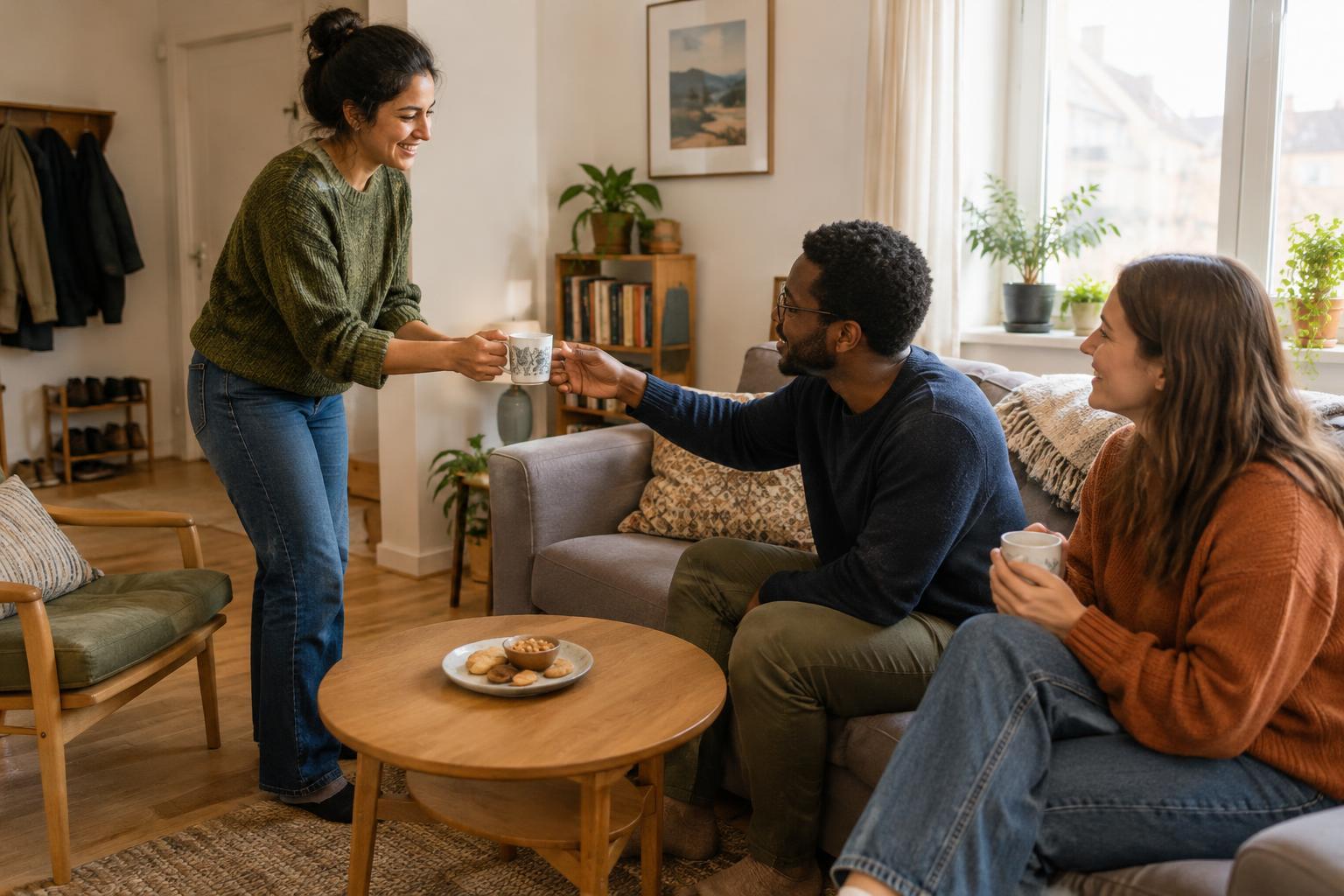
Why an easy no is part of a good invitation
Inviting someone to share a meal, join a neighborhood walk, or help with a small project can be a generous gesture. But even a friendly invitation can feel difficult to answer. The person may be tired, short on time, uncertain about the setting, or simply not interested. They do not need to explain any of that to deserve a comfortable way to decline.
An invitation works best when it offers a choice rather than creates an obligation. That does not mean sounding indifferent. It means being warm about the possibility of seeing someone while making clear that the relationship will be fine either way. A simple “I’d love to see you, and no pressure if this isn’t for you” can say both things at once.
Give the details that make a decision easier
Vague invitations can leave people guessing about what they are agreeing to. Instead of “You should come by sometime,” try naming the occasion, place, approximate length, and what will happen: “A few neighbors are having coffee on the porch Saturday from 10 to 11. You’re welcome to stop in.” For a shared task, say what kind of help is needed and when it ends. Clear details allow someone to check their energy and schedule without asking a series of follow-up questions.
It also helps to mention anything that might affect comfort or access. Will the gathering be outdoors? Is it a drop-in event or a sit-down meal? Can someone bring a child? If you know the answer, share it plainly. You do not need to predict every need; you can add, “If there’s something that would make it easier to join us, feel free to ask.” That opens a door without putting anyone on the spot.
Build the exit into the invitation
A useful invitation includes a low-effort way to say no: “No need to explain if you can’t make it,” or “Feel free to pass.” This is especially kind when inviting someone to volunteer. People often care about their community even when they cannot take on another commitment. Saying “We could use an extra pair of hands for an hour, but please don’t feel obliged” makes the size of the request clear and leaves the decision with them.
Avoid framing a refusal as a personal disappointment. Phrases such as “I’ll be so sad if you don’t come” may be meant playfully, but they can make someone feel responsible for your feelings. If you want a reply for planning purposes, ask for one directly and give a reasonable deadline: “Could you let me know by Thursday so I can plan the food? A no is completely fine.” If you do not need an answer, say so.
Offer flexibility without making it another demand
Sometimes a smaller option helps: “You’re welcome to stay for the whole afternoon or just drop by for a few minutes.” An alternative can be thoughtful, too: “If a group gathering isn’t appealing, I’d be glad to take a walk another day.” Offer these options only when you genuinely mean them. Too many suggestions in one message can turn a simple invitation into another set of decisions someone has to manage.
Be careful with repeated invitations. Someone who declines once may appreciate being asked again in the future; someone who keeps declining may prefer more space. You can make that easy to say: “I’m happy to include you when we do this again, but let me know if you’d rather I didn’t keep asking.” Then respect the answer. Hospitality includes noticing when stepping back is the considerate choice.
Make your response prove that no was safe
The most convincing part of a low-pressure invitation comes afterward. If someone declines, “Thanks for letting me know” is enough. You might add “Hope you have a restful weekend,” if it fits your relationship. Resist asking why or immediately proposing three other dates. Unless they invite another plan, let the exchange end kindly.
If they accept, share any final practical details and make it easy for them to change plans if needed. People may still have to cancel. Responding with grace protects the trust behind future invitations. The aim is not to fill every seat or secure every volunteer; it is to create a community where people can participate freely and know they will be welcomed whether they come this time or not.