Begin with a question, not a project plan
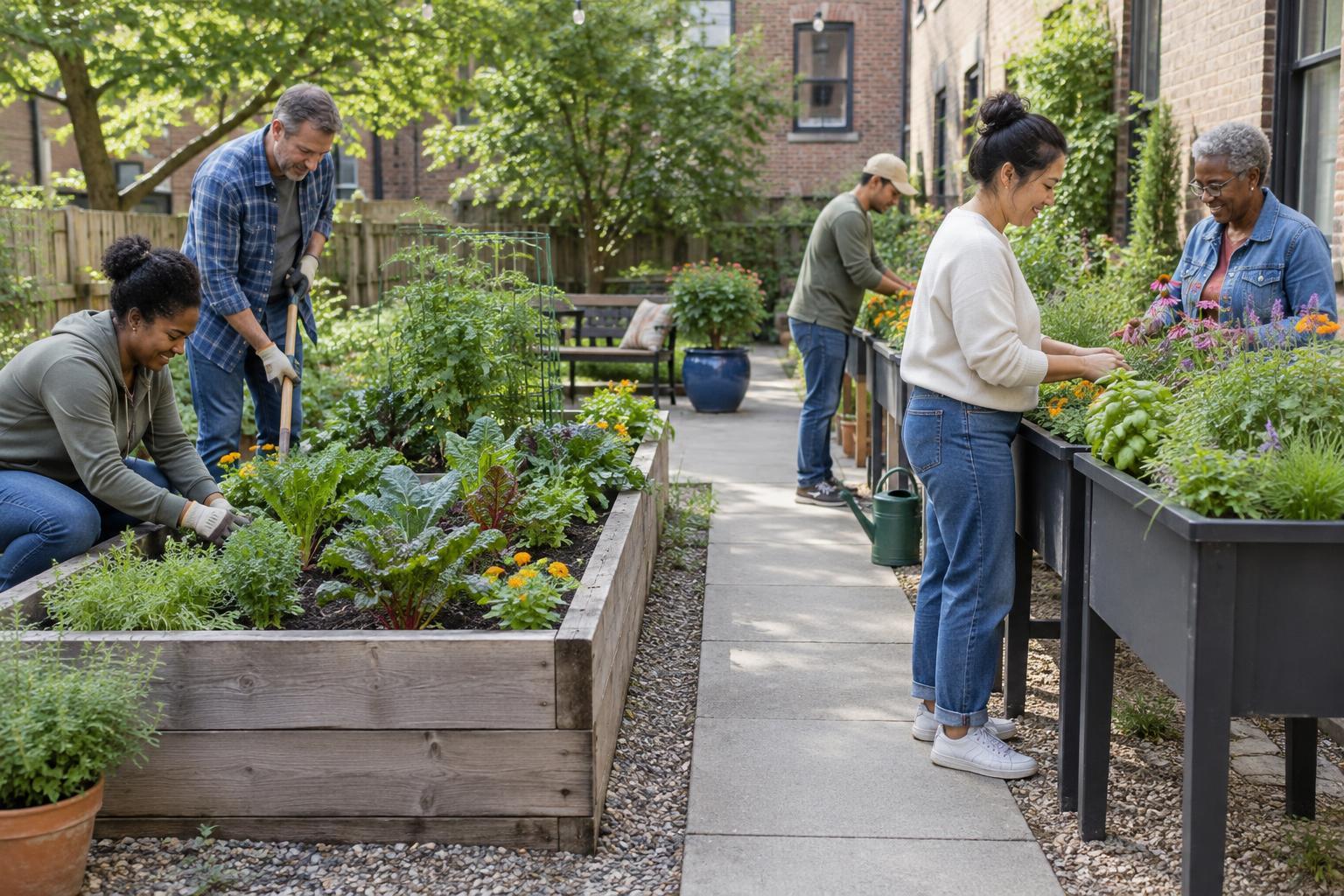
It is easy to start with an appealing idea: a shared garden, a repair day, or a new gathering space. The harder question is whether that idea addresses something neighbors actually want. Before recruiting volunteers or collecting supplies, describe the need you think you have noticed. Instead of “We should build a garden,” try “Some neighbors may want an accessible place to grow food or spend time outdoors.” That wording leaves room for other answers.
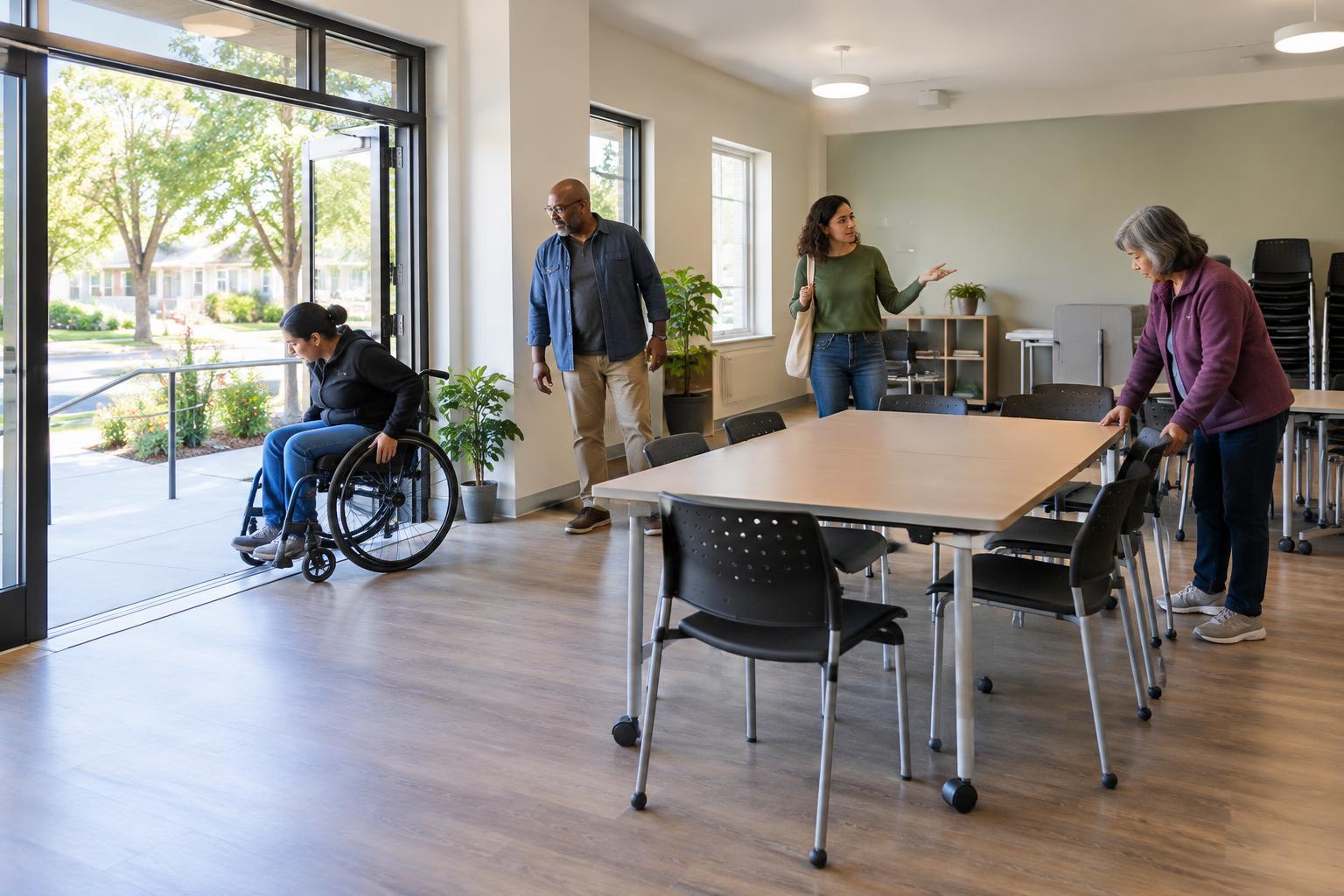
Pay attention to ordinary moments: a meeting that few people can reach, a public space that is difficult to use, or repeated requests for help with a task. These observations are useful starting points, not proof. One person’s inconvenience may be shared widely, while another may have a solution you have not seen. Keep your first description tentative until you have listened.
Listen beyond the people already in the room
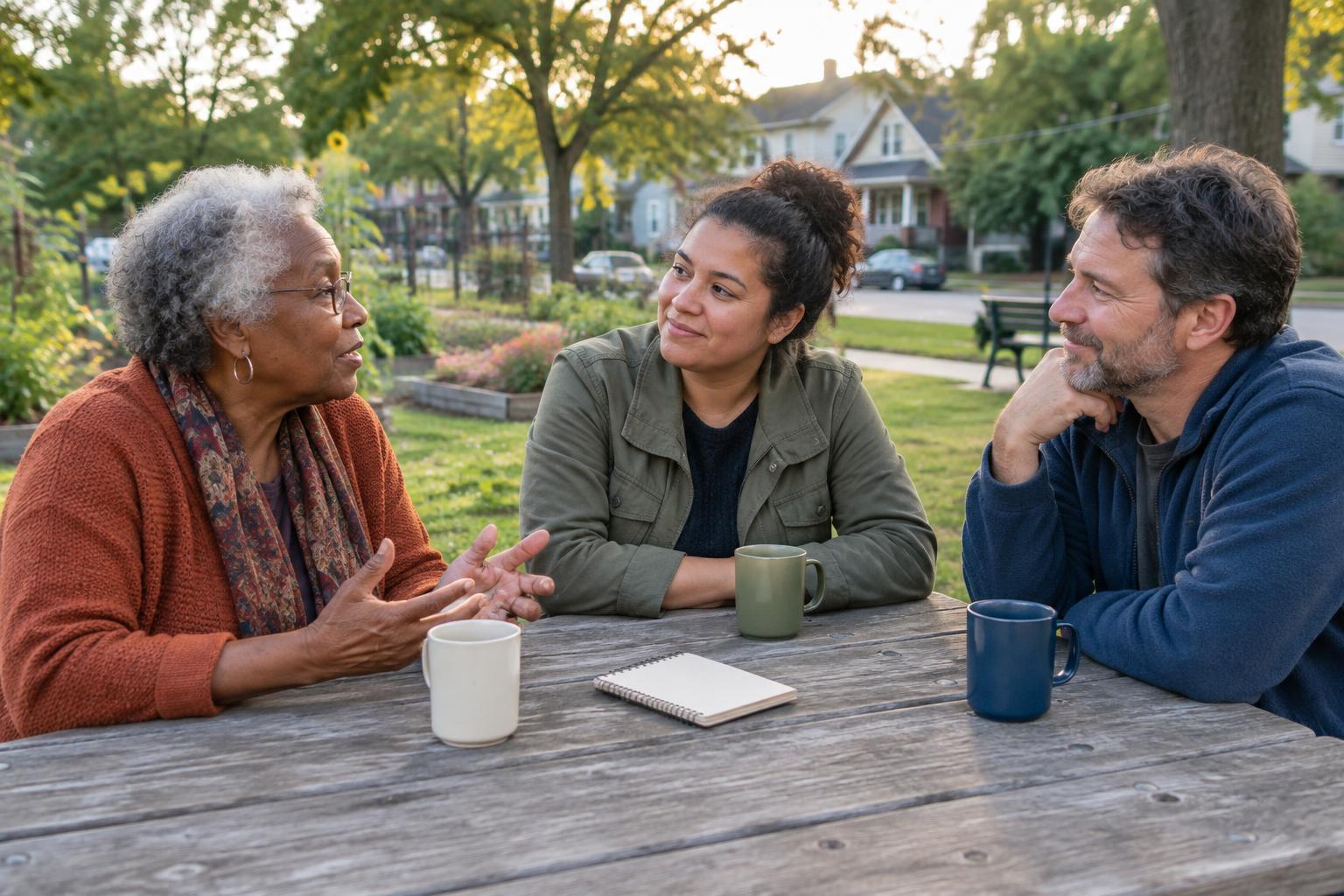
Ask open questions in settings where people feel comfortable speaking. “What makes it harder to take part in neighborhood activities?” may reveal more than “Would you come to our event?” Talk with people at different times and through different channels, rather than relying only on a meeting or online group. Neighbors who work evenings, have limited transportation, care for others, or prefer not to speak in a group may experience the neighborhood differently.
Make it easy to decline a conversation, and avoid collecting personal details you do not need. If someone describes a challenge, ask what would make a difference to them rather than immediately offering your preferred fix. Notice whose voices are missing, but do not ask one person to speak for an entire group. A short, respectful conversation can be more useful than a long survey filled with assumptions.
Check what is already working
Before creating something new, look for existing efforts that address the same concern. A neighbor may already coordinate rides informally; a local group may have supplies, a suitable space, or experience with a similar project. Ask what works well and where support is still needed. Joining or strengthening an existing effort may be kinder to volunteers and more useful to participants than launching a separate one.
Also look for assets, not just problems. A welcoming porch, a skilled organizer, a tool library, or a dependable group of helpers can shape what is possible. Be careful not to treat someone’s time or property as an available resource without asking. A useful project sits where a genuine need meets willing people and practical capacity.
Choose a need you can describe and address
After listening, write a one-sentence statement of the need. Name who encounters the obstacle, what the obstacle is, and when or where it occurs, without identifying anyone who shared a private experience. For example: “Neighbors who do not drive have difficulty getting to weekend community gatherings.” This is more actionable than “Our neighborhood needs more connection,” though connection may be the larger hope behind the work.
Then ask a few grounding questions. Have several people described this need, or is it mainly our impression? Would an existing group welcome help? What time, skills, space, and upkeep would a response require? Who might be unintentionally left out? If you cannot answer these yet, gather more input. A smaller need that a group can address responsibly is a better starting point than an ambitious plan no one can maintain.
Test a small response and keep listening
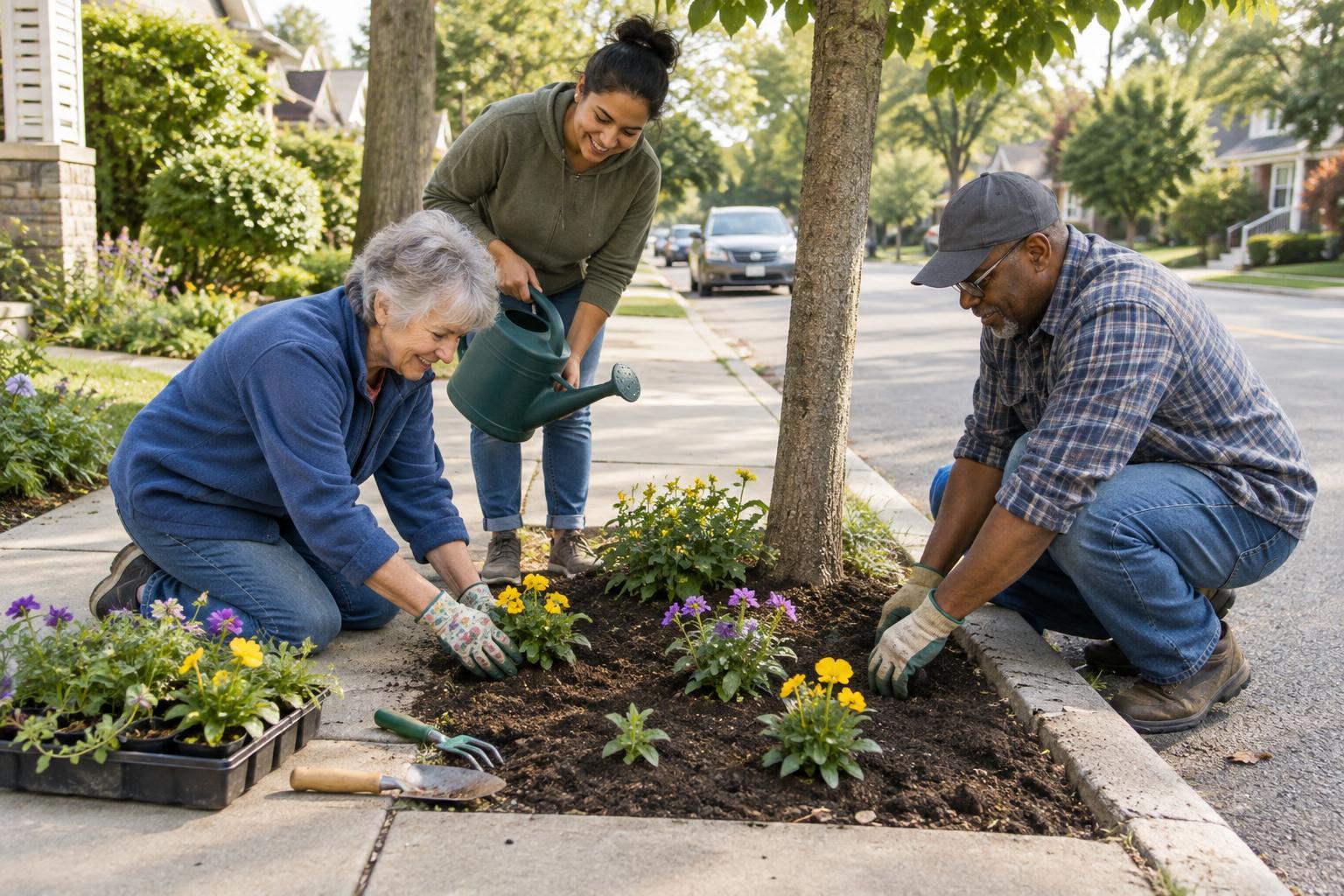
A first step does not have to be a permanent program. If neighbors want more chances to meet, try one accessible gathering before committing to a monthly series. If people need help caring for a shared space, organize one work session with a clear task and a way for people to contribute without heavy lifting. Tell participants that you are testing an idea, and explain what you can and cannot offer.
Afterward, ask what was helpful, what was inconvenient, and what should change. Include people who could not participate: the timing, location, cost, or invitation may have kept them away. Thank volunteers, account for any shared materials, and decide together whether to repeat, revise, partner with another effort, or stop. Identifying a neighborhood need is not a hurdle to clear once. It is an ongoing habit of listening that helps a project remain useful to the people it is meant to serve.