Start with the years after installation
A new bench, planting bed, little free library or community notice board can make a shared place more inviting. Installation day is often easy to imagine: people arrive with tools, finish the work and take a photo. The quieter question is what happens after the first season. Paint may peel, plants may need water, posted information may become outdated, and a damaged part may need replacing.
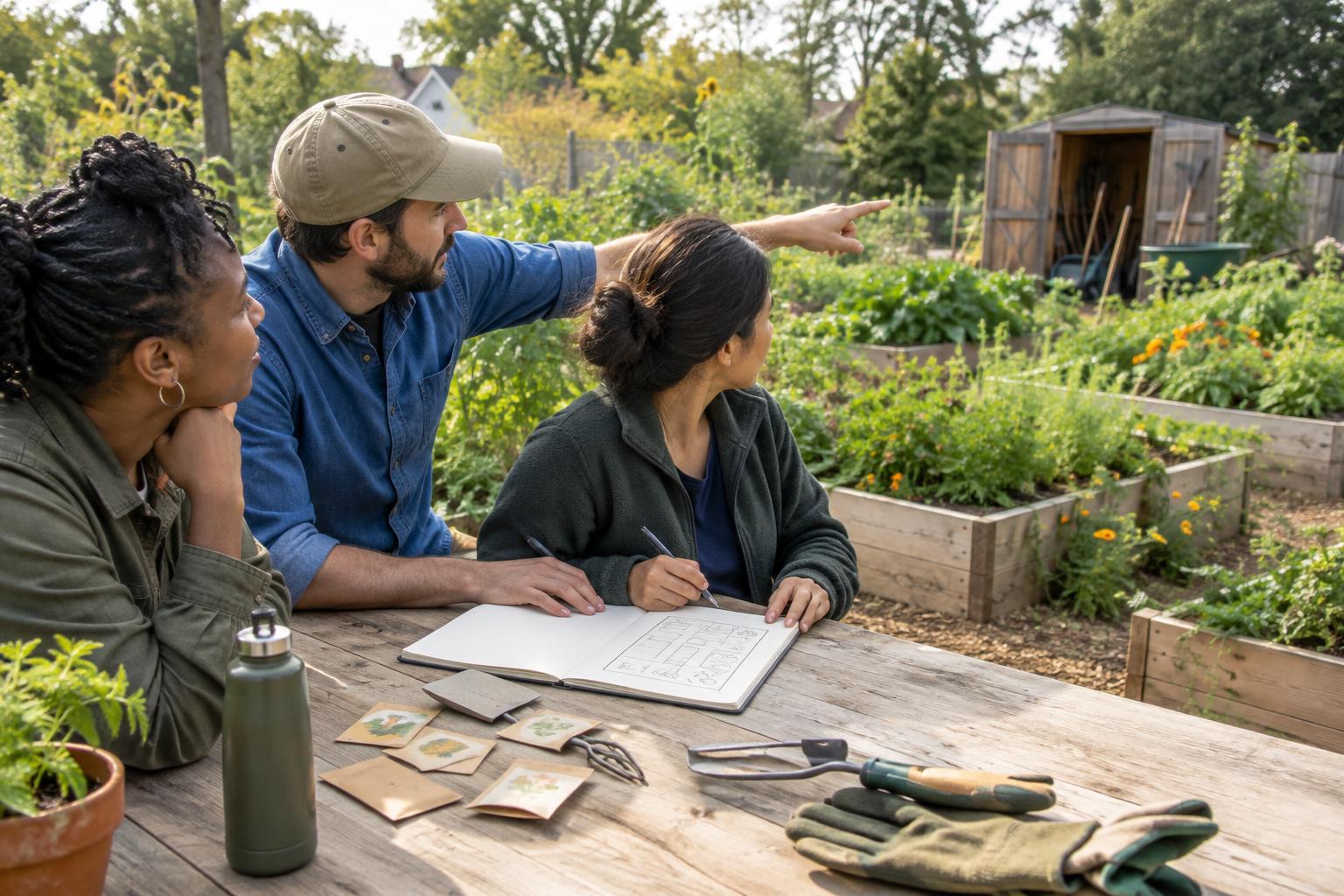
Before choosing a design, write down what the feature is meant to do and how long the group hopes it will last. A temporary display for one season calls for a different plan than a bench intended for years of daily use. Then walk through an ordinary month in its future. Who checks it? What will they look for? How will a neighbor report a problem? Thinking through these small tasks can lead to a simpler, more durable project.
Choose a site the group can care for
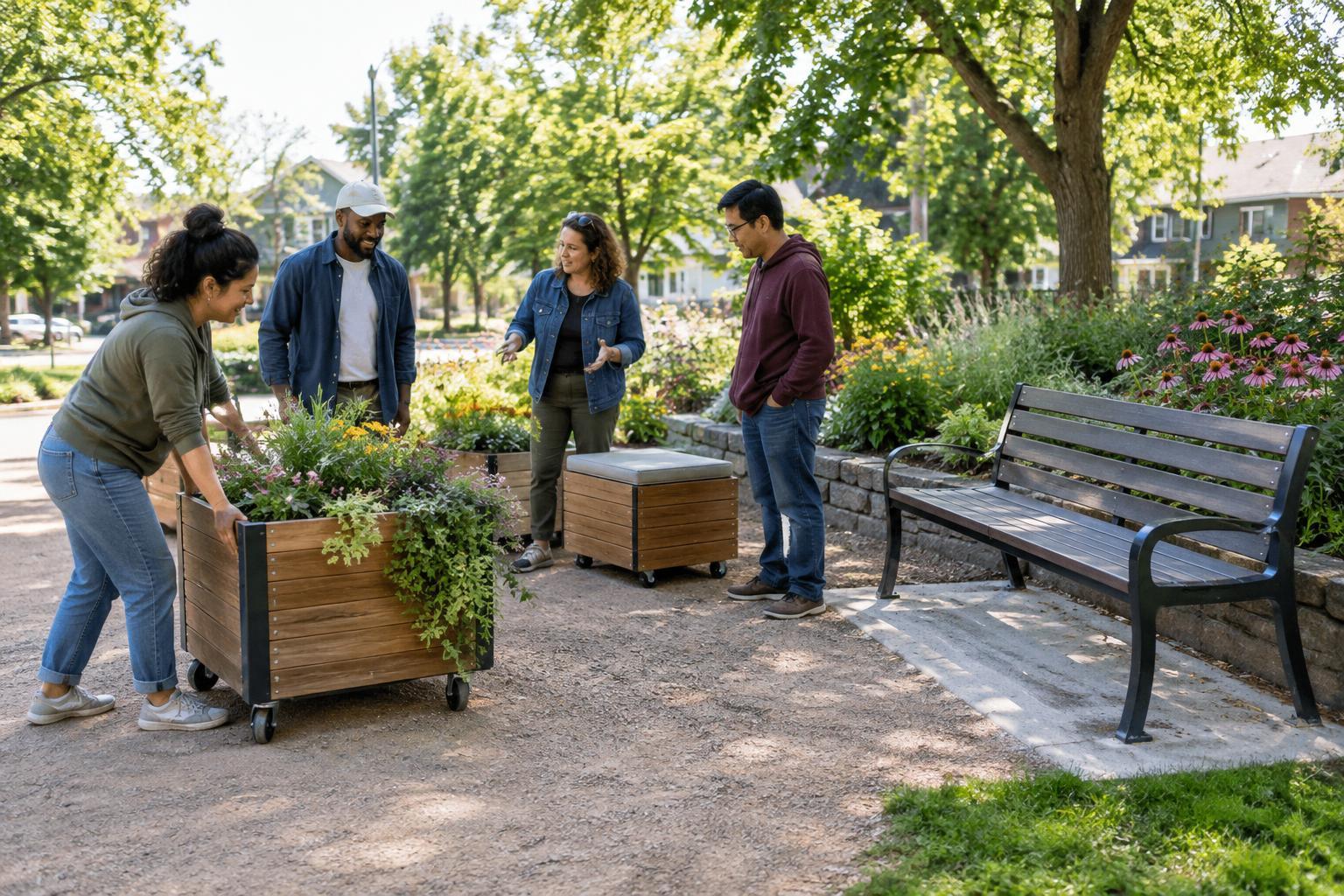
A location can look perfect in a sketch and prove awkward in practice. Notice where water collects, how people move through the space, whether maintenance crews need access and whether the feature might block a path or sightline. Consider how someone carrying groceries, using a mobility aid or bringing a stroller would approach and pass it. A feature should add a reason to linger without making the place harder to use.
Find out who manages the site before buying materials. Ask that person or organization what permission is needed and whether there are expectations for installation, upkeep or removal. Even a modest project may affect mowing, snow clearing or other routine work. If access and responsibilities are unclear, pause the purchase. It is easier to move a plan on paper than a structure already in the ground.
Make the upkeep visible in the design
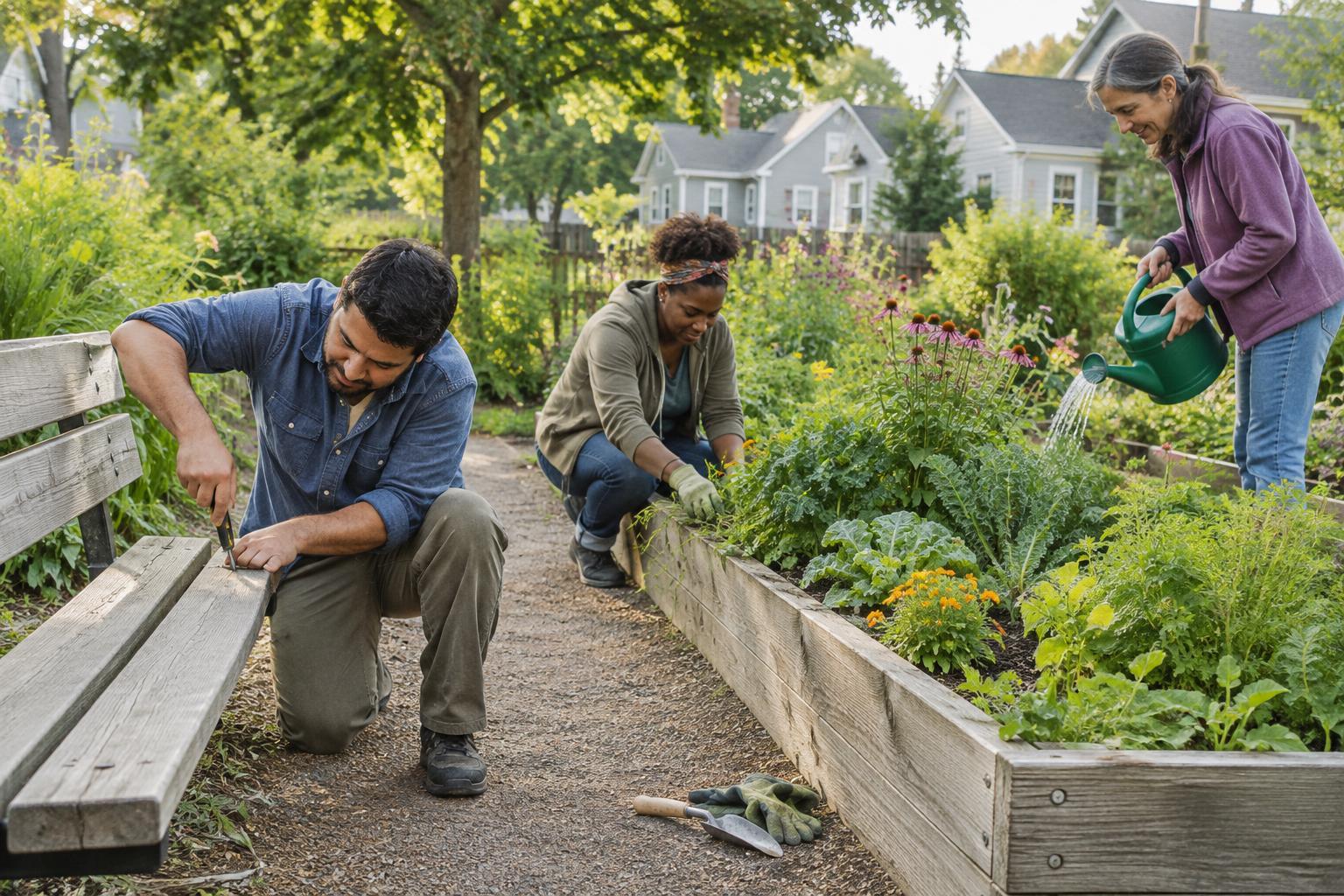
For each design option, list the tasks it creates. A garden may need watering, weeding, mulch and a plan for replacing plants. A notice board needs someone to remove expired postings and protect the display from weather. A bench may need cleaning, periodic inspection and repair. Choose materials and finishes the group can reasonably maintain rather than ones that look good only on installation day.
Estimate supplies as well as volunteer time. Where will spare fasteners, paint or replacement plants come from? Can a worn component be replaced without rebuilding the whole feature? If a design requires a specialized tool or frequent attention, decide whether the benefit is worth that commitment. Asking these questions is not a reason to abandon an ambitious idea. It is a way to shape the idea so it can keep serving the neighborhood.
Share responsibility without relying on one person
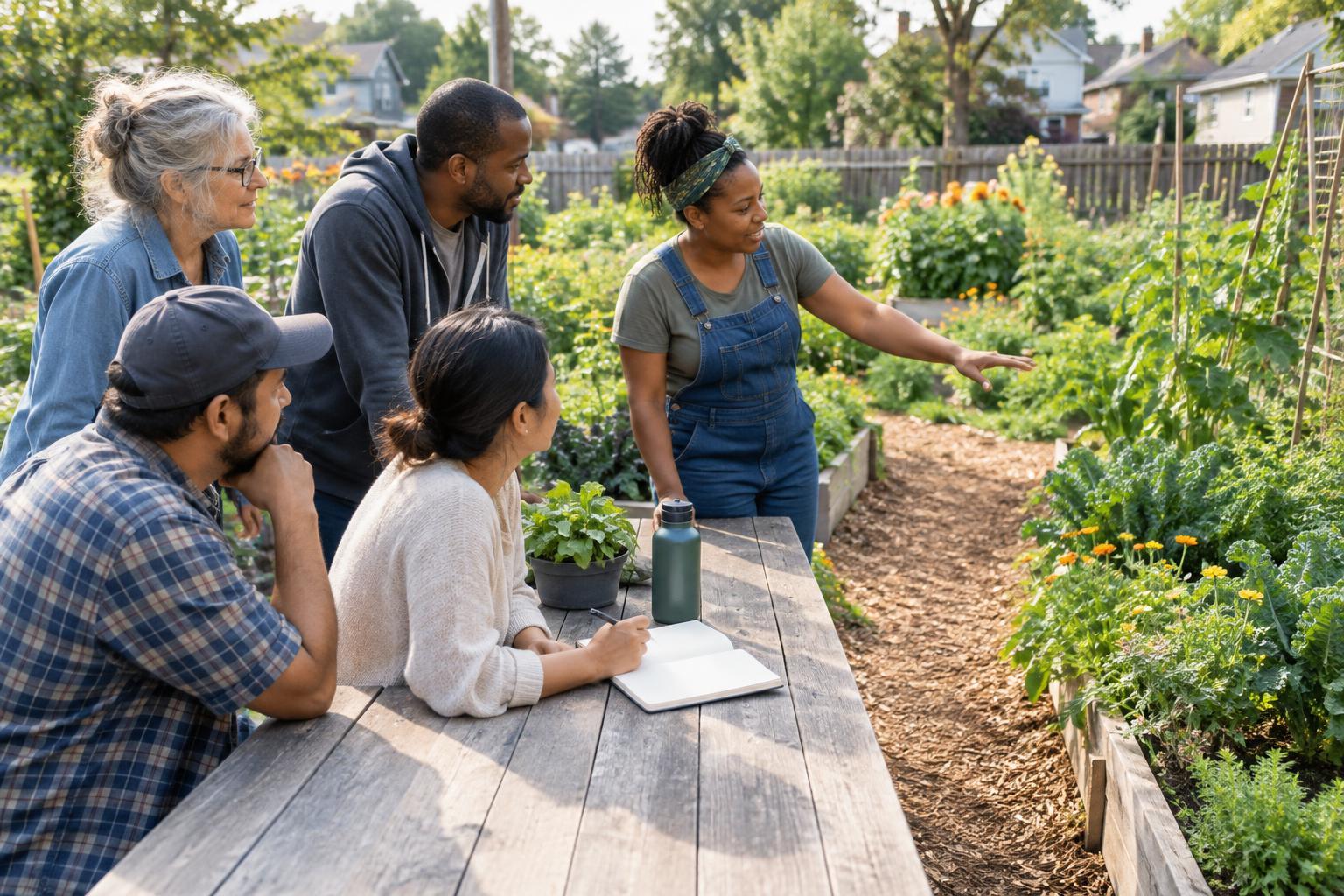
A project can falter when everyone assumes a dedicated neighbor will take care of it. Give the feature a small, clear care plan with named roles: a contact for reported problems, a person who keeps the supply list and a group that reviews its condition. Roles can rotate, but someone should know when the next check is due. Keep instructions brief enough that a new volunteer can step in.
Build a rhythm the group can sustain. A quick check after a gathering might work better than a separate meeting devoted to maintenance. Record what was fixed and what still needs attention in a shared place the caretakers can access. If there is a budget, decide how routine purchases will be approved before anyone is asked to pay out of pocket. Clear expectations help volunteers say yes to a manageable task instead of an open-ended obligation.
Plan for change, not just wear
Neighborhood needs shift, and even a well-loved feature may stop working as intended. Agree on a few signs that it is time to review the project: repeated damage, upkeep that regularly goes undone, complaints about access or a purpose the feature no longer serves. Invite feedback from people who use the space as well as those who maintain it. Their experiences may point to a repair, a new location or a simpler design.
Include an exit plan. Who can decide to remove the feature, and who would handle the work if it becomes unsafe or impractical to maintain? Removal need not mean the project failed. A small installation that is cared for well, adapted when needed and responsibly taken down can contribute more to a shared place than a larger one left without support. The goal is not merely to build something together, but to make it possible to keep showing up for it.