Start small and keep the invitation clear
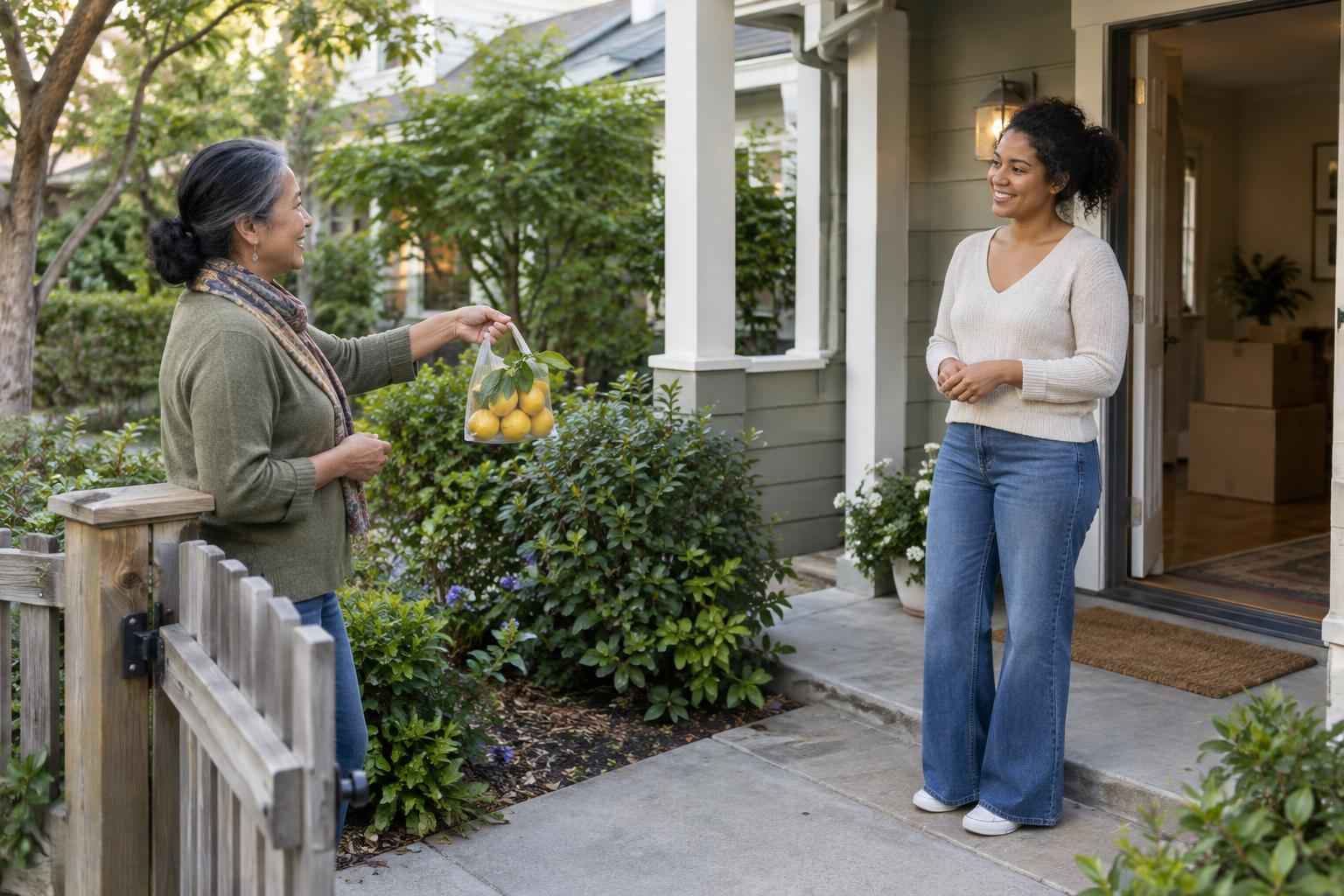
If you have never invited a neighbor over, it is easy to imagine that you need a special occasion. You do not. A cup of tea, a cold drink on the porch or a short chat after a walk can be a complete visit. Choose something you would enjoy hosting even if only one person comes. Keeping the plan small makes it easier to extend a genuine invitation rather than waiting for the perfect day.
Be specific about what you are offering and how long it might last. You could say, “Would you like to stop by for coffee on Saturday afternoon? No need to bring anything; we can catch up for about an hour.” A clear plan helps people decide whether they are comfortable and available. If they decline, respond warmly and leave it there. A friendly invitation should feel like an option, not an obligation.
Make the space comfortable, not perfect
Prepare the parts of your space guests will use: a place to sit, a clear path to the door and a reasonably tidy bathroom, if one is available. You do not have to clean every room or explain away ordinary signs of daily life. If hosting indoors feels like too much, a front step, shared courtyard or other suitable common space may work just as well. Choose a setting where you and your guest can talk without feeling in the way.
Consider comfort before decoration. Is there a seat that is easy to reach? Is there enough light to see one another? If weather may affect an outdoor plan, mention that you can reschedule. Let guests know about practical details that might matter, such as pets or stairs, when you invite them. Giving people that information in advance helps them choose what works for them without having to ask awkward questions at the door.
Offer simple refreshments without making them the point
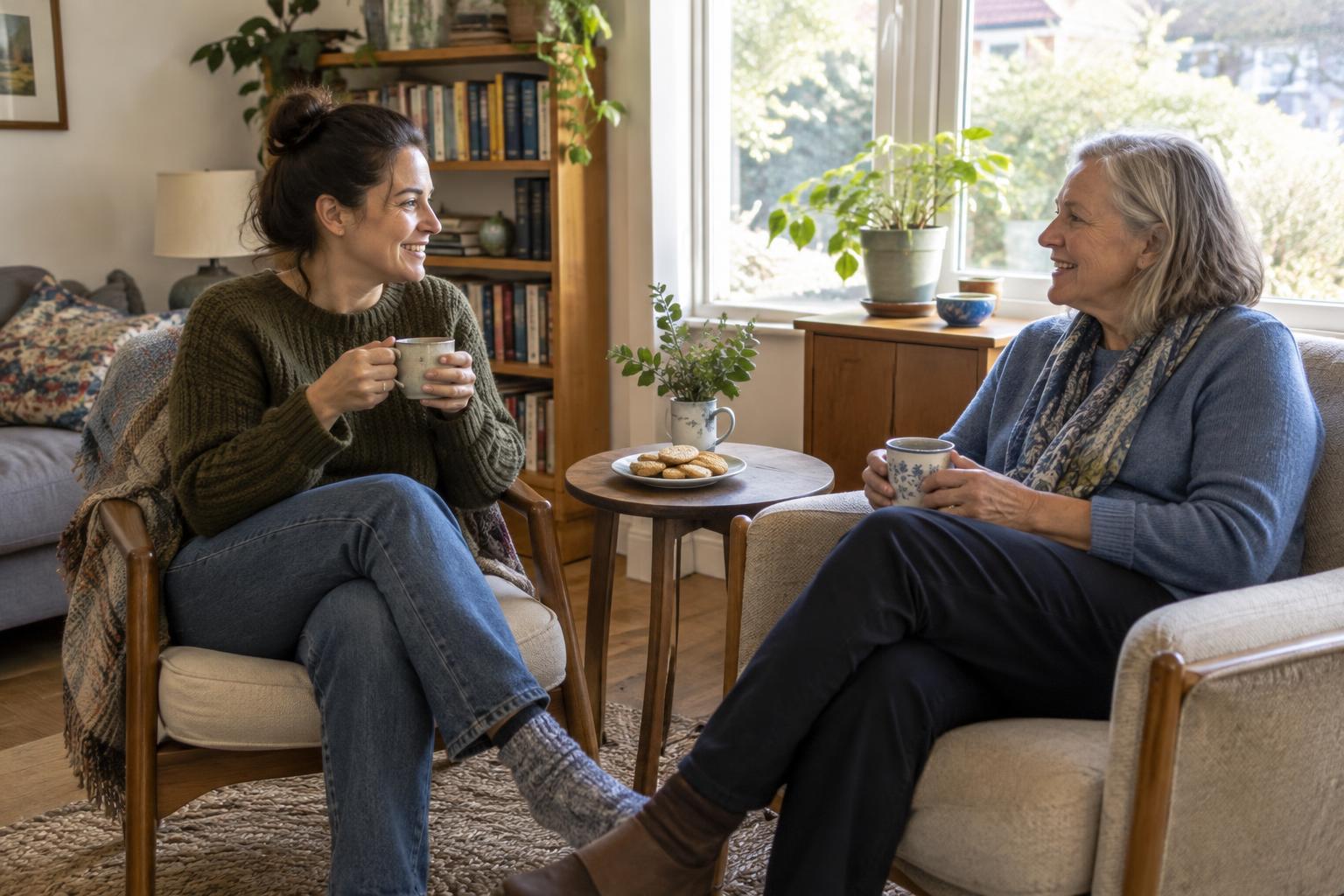
A drink and a small snack can be pleasant, but neither needs to become a project. Water, tea or whatever you normally keep on hand is fine. You can ask, “Would you like something to drink?” and accept a no without pressing. If you plan to serve food, a simple question about dietary needs gives your guest a chance to tell you what would be comfortable. It is also fine to invite someone for a visit with no food involved.
Try to arrange what you need before your guest arrives so you can spend more time together and less time searching the kitchen. Put out cups, make room on a table and keep serving informal. The aim is not to impress someone with a menu. It is to make it easy for both of you to settle in and enjoy a little unhurried company.
Let conversation develop at its own pace
You do not need a list of clever questions. Begin with something you have in common: the neighborhood, a local gathering, a shared interest or a project you have each mentioned before. Open questions such as “What do you enjoy doing around here?” invite a fuller answer, while leaving your guest free to share as much or as little as they like. Offer something about yourself, too, so the exchange does not feel like an interview.
Pay attention to whether the conversation feels comfortable for both of you. A short pause is not a failure; taking a sip of water or noticing something pleasant outside can give the discussion room to breathe. If a topic seems sensitive, you can gently change direction rather than asking for more detail. Hospitality includes respecting privacy, and a first visit does not have to turn into a close friendship to be worthwhile.
End kindly and leave room for another time
A casual visit can have a natural ending. If you mentioned an approximate finish time, you can say, “I’m glad you came by; I should get back to my afternoon soon.” When a guest needs to leave, let them go without trying to stretch the conversation. Thank them for coming and, if it feels natural, mention something you enjoyed discussing. A comfortable goodbye makes the next hello easier.
You do not need to schedule another visit immediately. A wave across the street or a brief follow-up conversation may be enough for now. Over time, small invitations can make neighbors more familiar to one another, even when everyone has different routines and interests. The useful first step is modest: offer a clear welcome, make space for a conversation and let the relationship find its own pace.