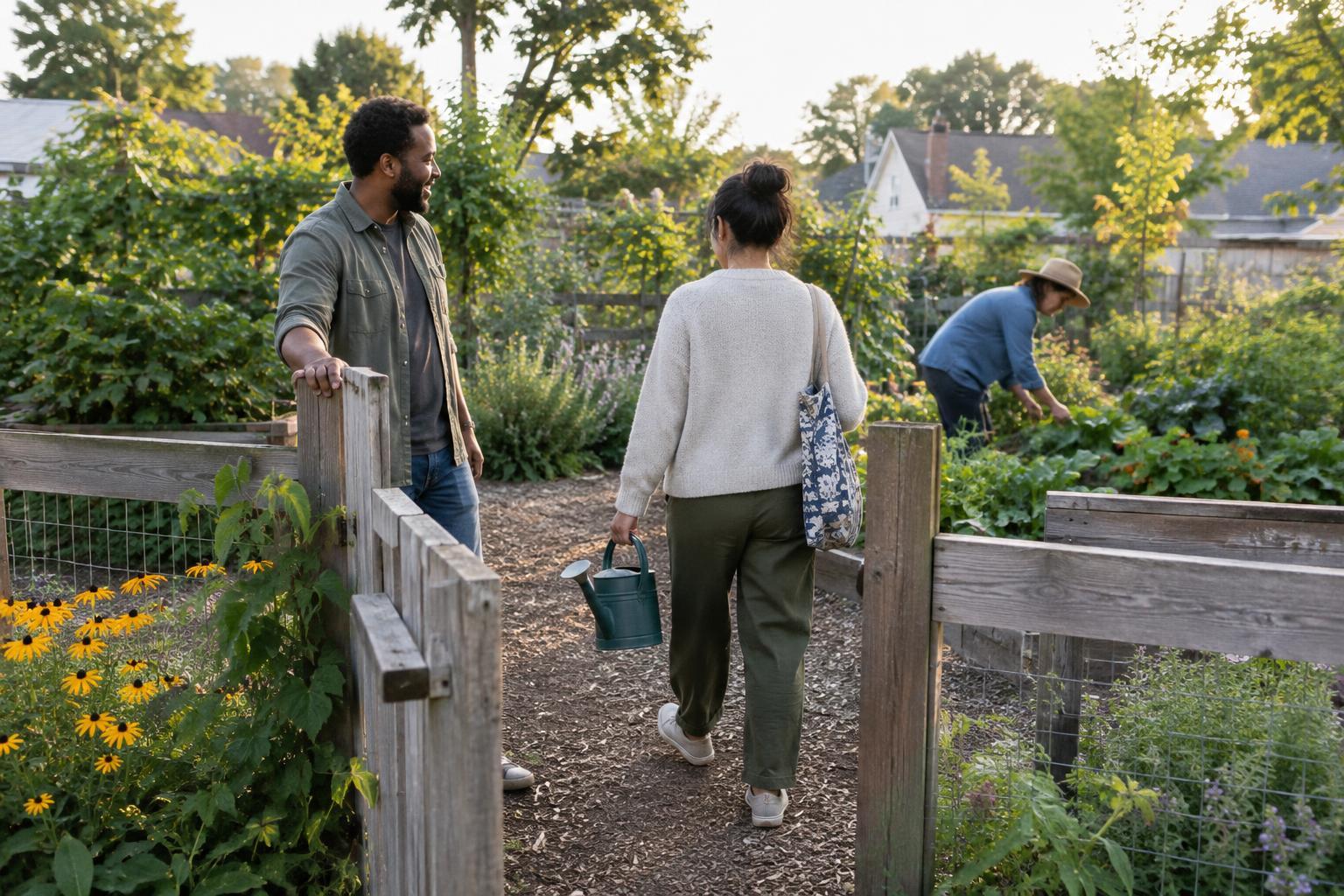
Hospitality begins before anyone arrives
When we hear the word hospitality, we may picture a table set for guests or a room full of people. Those can be generous expressions of welcome, but they are not the only ones. Everyday hospitality is the habit of making space for other people in ordinary life. It might mean remembering a neighbor’s name, leaving room for someone new in a conversation, or explaining how a shared activity works without making anyone feel awkward for asking.
This kind of welcome does not require a home suited to entertaining, a large budget, or a naturally outgoing personality. A quiet person can practice it by listening carefully. A busy person can practice it by giving clear directions or replying when they promised they would. The aim is not to perform warmth. It is to notice what would make an interaction easier, kinder, or more comfortable for someone else.
Small gestures make shared spaces easier to enter
Think about the places where people meet without being formal guests: a sidewalk, a community garden, a book exchange, or a neighborhood project. Welcoming someone in those spaces may be as simple as making an introduction, offering a spare tool, or moving a bag so there is room to sit. If a group has routines that regulars know by heart, a brief explanation can help a newcomer join in without having to guess.
Useful hospitality is often specific. “Let me know if you need anything” is kind, but an offer such as “Would it help if I carried that box?” is easier to answer. A specific offer also gives the other person a clear chance to decline. Not everyone wants company, assistance, or a long conversation. Paying attention to the answer is part of the welcome.
Respect belongs at the center of welcome
Hospitality can become uncomfortable when it assumes that everyone wants the same thing. One neighbor may enjoy an invitation to linger; another may appreciate a friendly greeting and the freedom to keep walking. Some people want to share personal stories, while others would rather work alongside others without explaining themselves. Welcoming people well means leaving room for those differences instead of treating a polite refusal as a problem to solve.
Boundaries matter for the person offering hospitality, too. You do not have to say yes to every request or become available at all hours to be a good neighbor. A dependable, modest offer is often better than an ambitious one that becomes difficult to keep. If you can help for twenty minutes, say so. If you cannot take on a task, a courteous answer is more respectful than a promise you are unlikely to fulfill.
Make welcome a repeatable practice
A single gathering can be memorable, but everyday hospitality grows through small actions repeated over time. You might choose one practice that fits your routine: greet people you regularly pass, learn the names of fellow volunteers, return borrowed items promptly, or check whether a neighbor wants an extra portion when you have already made too much. None of these gestures needs to become a standing obligation. Their value lies in being thoughtful and manageable.
Groups can make the same choice. At a shared meal or neighborhood activity, someone can explain where to find supplies, how to contribute, and whether it is fine simply to observe at first. Clear expectations help people participate without having to prove they belong. That is hospitality beyond hosting: not putting on a perfect occasion, but making ordinary encounters a little easier to enter and kinder to leave.