Start with an invitation that leaves room for choice
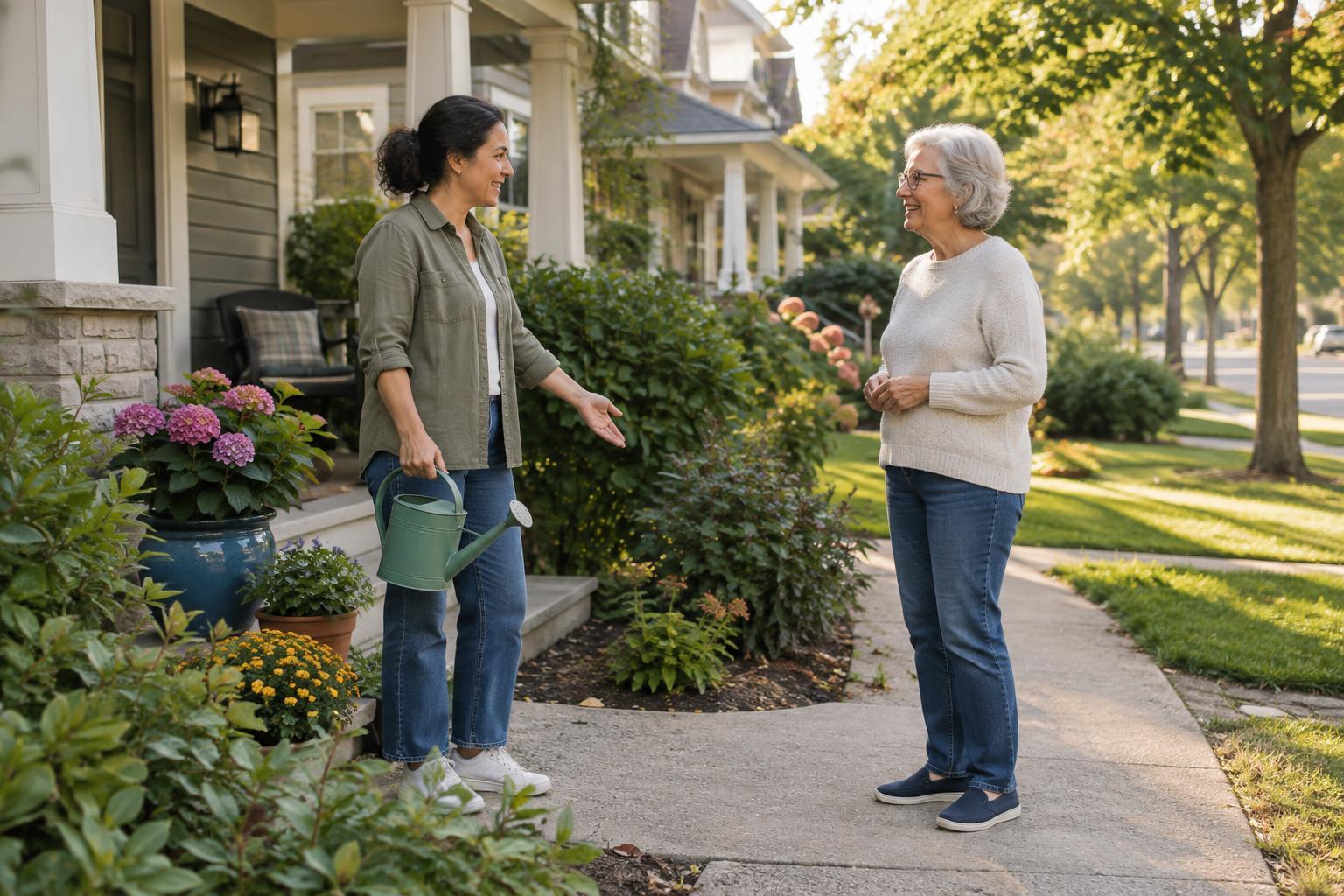
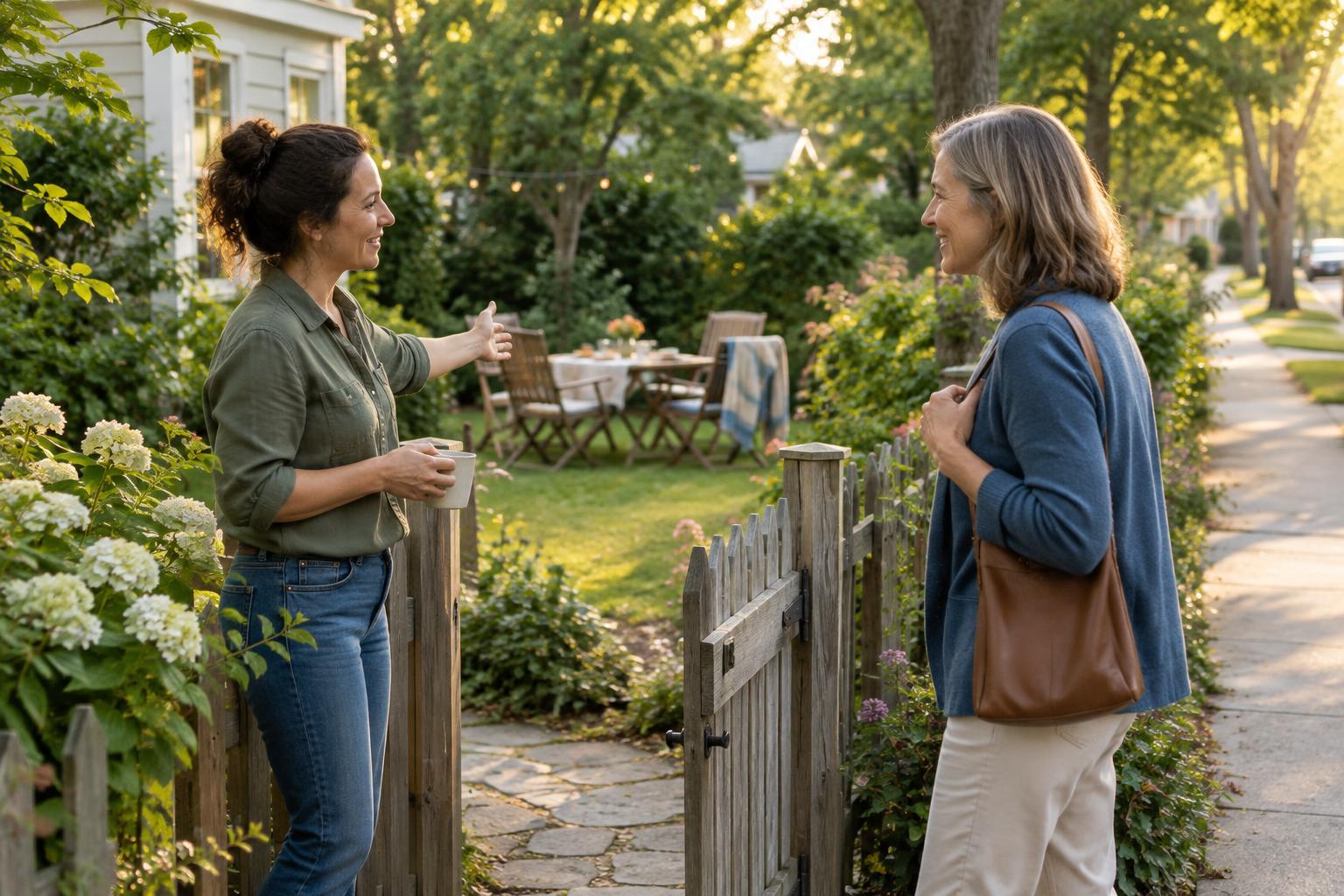
Hospitality is often pictured as a full table and a warm greeting. For a guest with mobility needs, it may start earlier: with enough information to decide whether the space will work for them. You do not need to guess what someone can manage or ask for a personal explanation. A simple, private question such as “Is there anything about getting into or around my home that would be helpful to know?” gives the guest room to tell you what matters.
Share useful details rather than making broad promises. Mention any steps at the entrance, where parking is available, whether the gathering space is on the ground floor, and whether a bathroom is on that level. If you are unsure whether a doorway or route will be comfortable, say so. Guests can then make their own decisions or suggest a workable adjustment. Keep those conversations private unless the guest asks you to pass information along.
Walk the route a guest will actually use
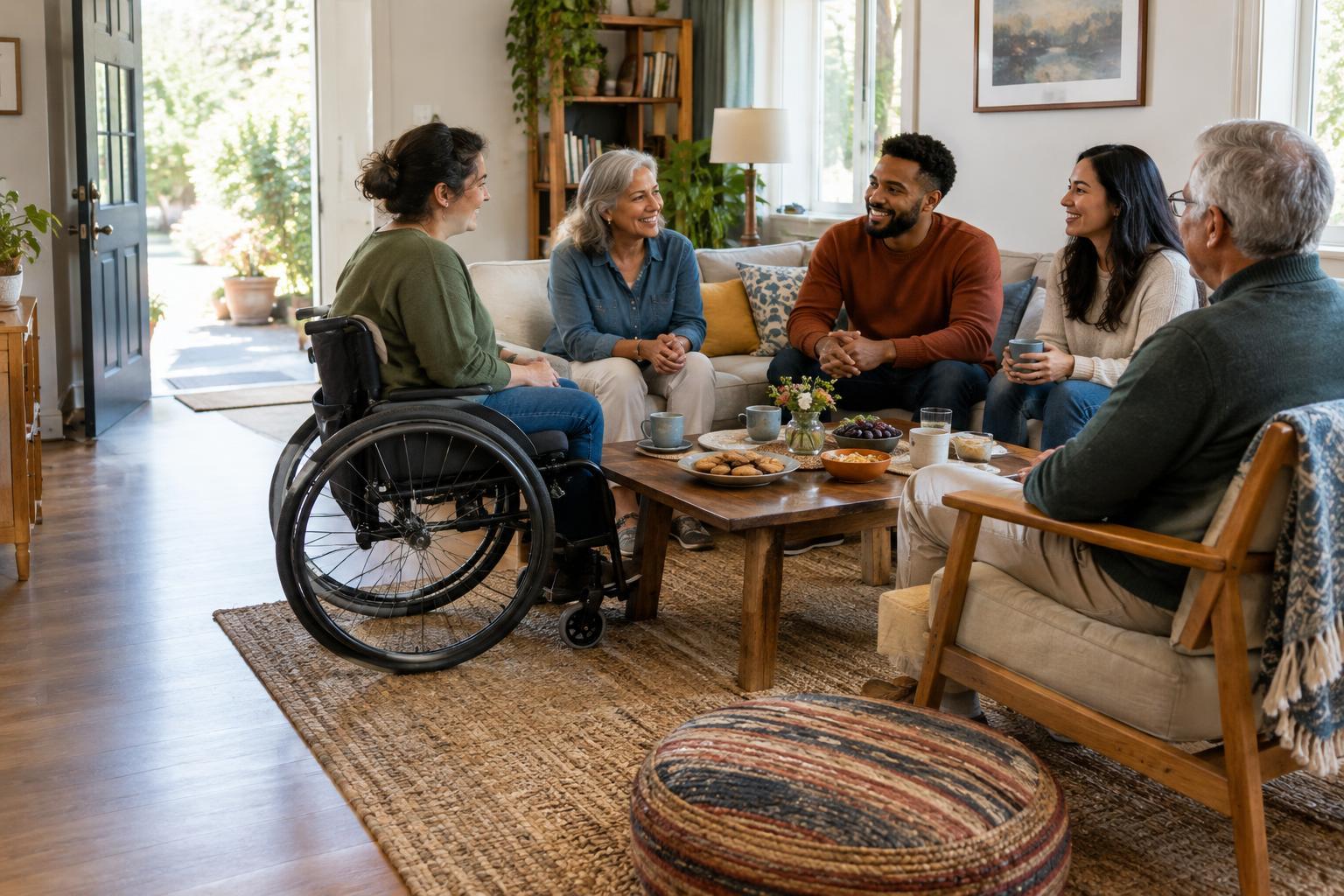
Before people arrive, travel the path from the parking or drop-off spot to the place where everyone will gather. Notice uneven paving, loose mats, narrow turns, steps, and doors that are hard to hold open. Inside, move shoes, bags, cords, and small tables out of walkways. A clear route is helpful not only for someone using a mobility aid but also for guests carrying food or keeping pace with a child.
Check the bathroom with the same practical eye. Is the route clear? Can the door open fully? Is there enough space to approach the sink and toilet? Avoid assuming that a room is usable simply because it is nearby. If your home has a barrier you cannot change for the day, be candid about it. When possible, consider a different room, a co-host’s home, an accessible community space, or a smaller get-together elsewhere. Changing the plan can be more welcoming than asking a guest to work around an obstacle.
Make seating and shared activities easy to join
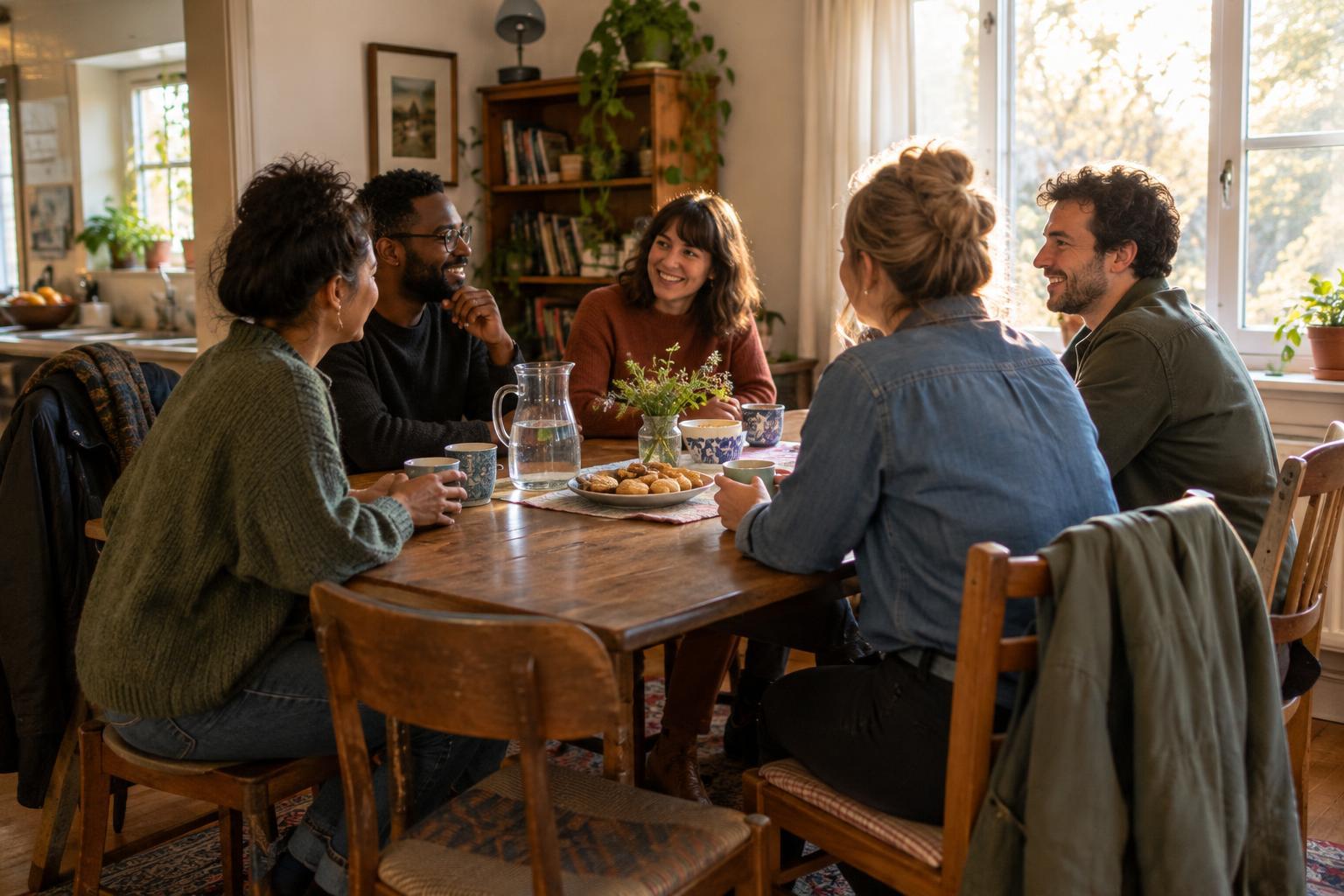
A comfortable gathering lets people take part without repeatedly asking for help. Leave space within the conversation area for a wheelchair or other mobility aid, rather than setting it apart from the group. Offer a choice of sturdy chairs, and keep at least one seat near the entrance if the walk in might be tiring. If guests will eat, check that drinks, plates, and serving dishes can be reached without navigating a crowded corner.
Think through the flow of the gathering, not just its starting point. If the meal is indoors but dessert will be on a deck reached by stairs, someone may be left out of the second half. Bring activities to a space everyone can use, or let guests know the plan in advance so you can adjust together. It is fine to offer to carry a plate or open a door; ask first, and accept “no thanks” without fuss. Do not move a guest’s mobility aid without their permission.
Keep the welcome flexible
Even careful plans may need a small change once guests arrive. Leave enough time for an unhurried arrival, and avoid treating a change of seating or schedule as an interruption. If an entrance proves difficult, ask the guest what they would prefer instead of gathering a group to solve the problem for them. A calm, direct conversation usually protects both comfort and dignity.
The aim is not a flawless house. It is a gathering where people have clear information, meaningful choices, and a place in the shared experience. Afterward, if the guest is comfortable discussing it, ask whether anything would make a future visit easier. Listening to the answer—and remembering it next time—is one of the most practical forms of hospitality.