Start with an invitation that lowers the stakes
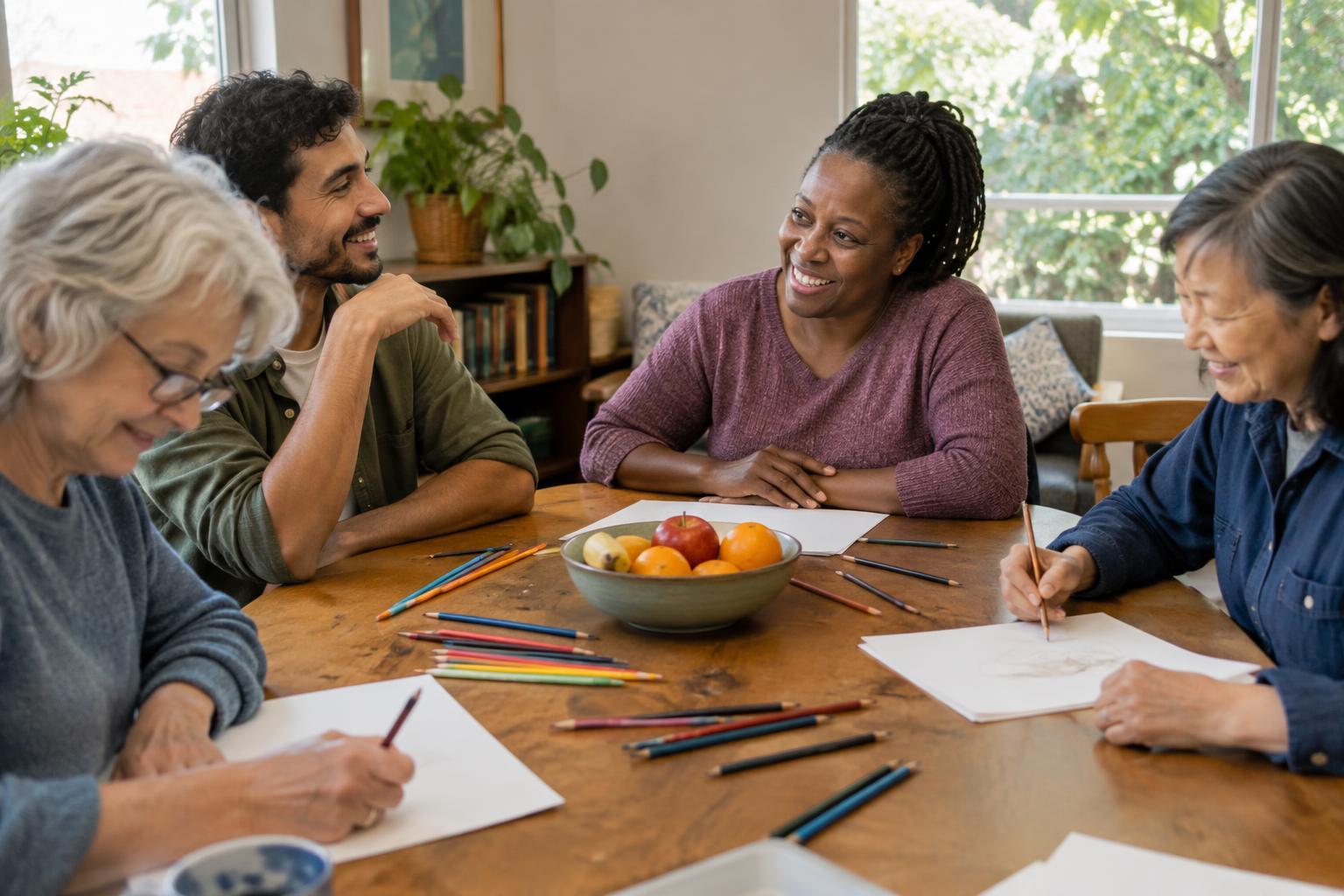
A drawing afternoon is less about making finished pictures than sharing a table and a little time. It can suit neighbors who enjoy a quiet activity while they talk, as well as people who prefer to concentrate without making conversation. No one needs to know how to draw before they arrive. The host’s most useful job is to make that clear.
Describe the gathering in ordinary terms: a casual hour or two with paper and pencils, where people can draw, chat or simply sit with the group. Let guests know whether they may bring a friend or a child, and whether supplies will be available. An invitation might say, “Come by for some informal drawing and conversation; there’s no lesson and nothing to finish.” That tells people what to expect without asking them to perform.
Set out materials that are easy to share
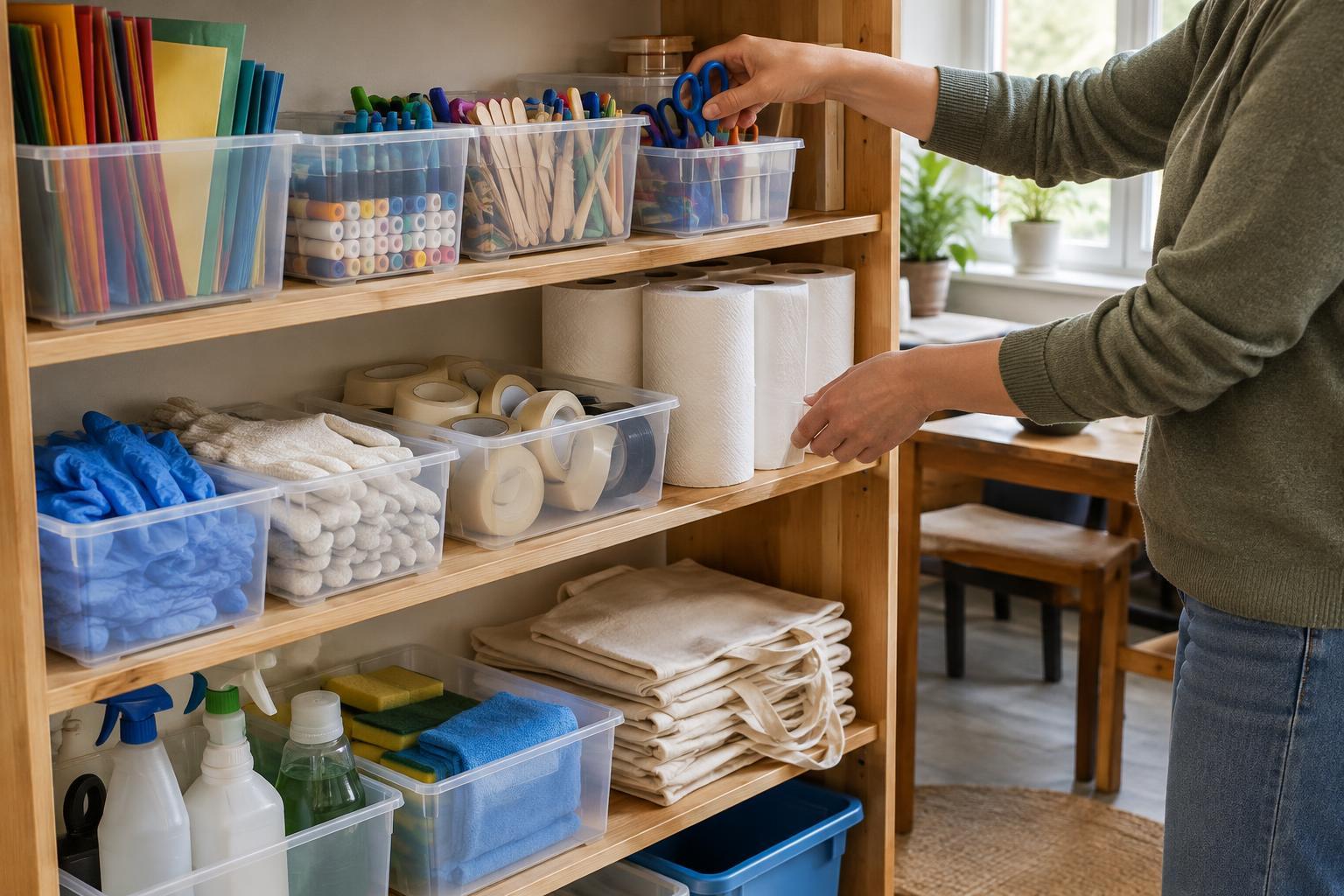
A stack of plain paper, pencils, erasers and a few colored pencils is enough to begin. Put supplies where everyone can reach them, with spare paper visible so nobody feels that a first attempt must be worth keeping. If you offer paint, glue or other messy materials, consider where they will dry and how you will clean up. It is fine to skip them entirely.
Give guests a surface they can use comfortably and somewhere to set a drink away from their paper. If the gathering is in a small space, people can take turns at the main table or use clipboards on their laps. Good light helps, but an elaborate setup is unnecessary. A bowl of fruit, a houseplant or a few everyday objects can offer subjects for anyone who wants one.
Some guests may enjoy finding a simple exercise to try before the gathering. For further browsing on drawing basics, you could point them to Drawing Foundations · Illustration Notebook while making clear that looking anything up is optional.
Offer prompts without turning them into assignments
A few gentle suggestions can help people get past the blank page. Invite guests to sketch an object on the table, draw the view through a window or make a pattern of lines and shapes. Someone who wants to write instead might label a drawing or add a short memory beside it. Present these as possibilities, not a group exercise that everyone must complete.
Avoid going around the table asking each person to show their work. Some people like sharing a sketch; others would rather keep it private or recycle it on the way out. You can say early on that there will be no show-and-tell unless people ask for one. If a guest does share, respond to what they enjoyed or noticed rather than grading the result. “I like the colors you chose” is easier to receive than a comparison with someone else’s drawing.
Make room for different ways to join in
A welcoming drawing table has more than one way to participate. Someone might draw steadily, make a few marks and then talk, or spend the whole visit enjoying the company. Keep an extra chair nearby for a person who wants to be part of the gathering without taking up a pencil. If children attend, ask their accompanying adult what setup would work for them rather than assuming every child wants the same activity or needs help from another guest.
A little structure can make the afternoon feel easier without making it formal. You might mention when you expect to wrap up, then give a friendly reminder near the end so guests can finish at their own pace. Leave a few minutes for putting pencils away and deciding what to do with the drawings. Guests can take their work home, leave it behind for recycling or offer it to someone else; let each person choose.
The best sign of success is not a table covered in impressive pictures. It is that people had room to settle in as themselves. Simple materials, an open invitation and permission not to draw at all can turn an ordinary afternoon into a comfortable chance to spend time with neighbors.