Give the exchange a small purpose
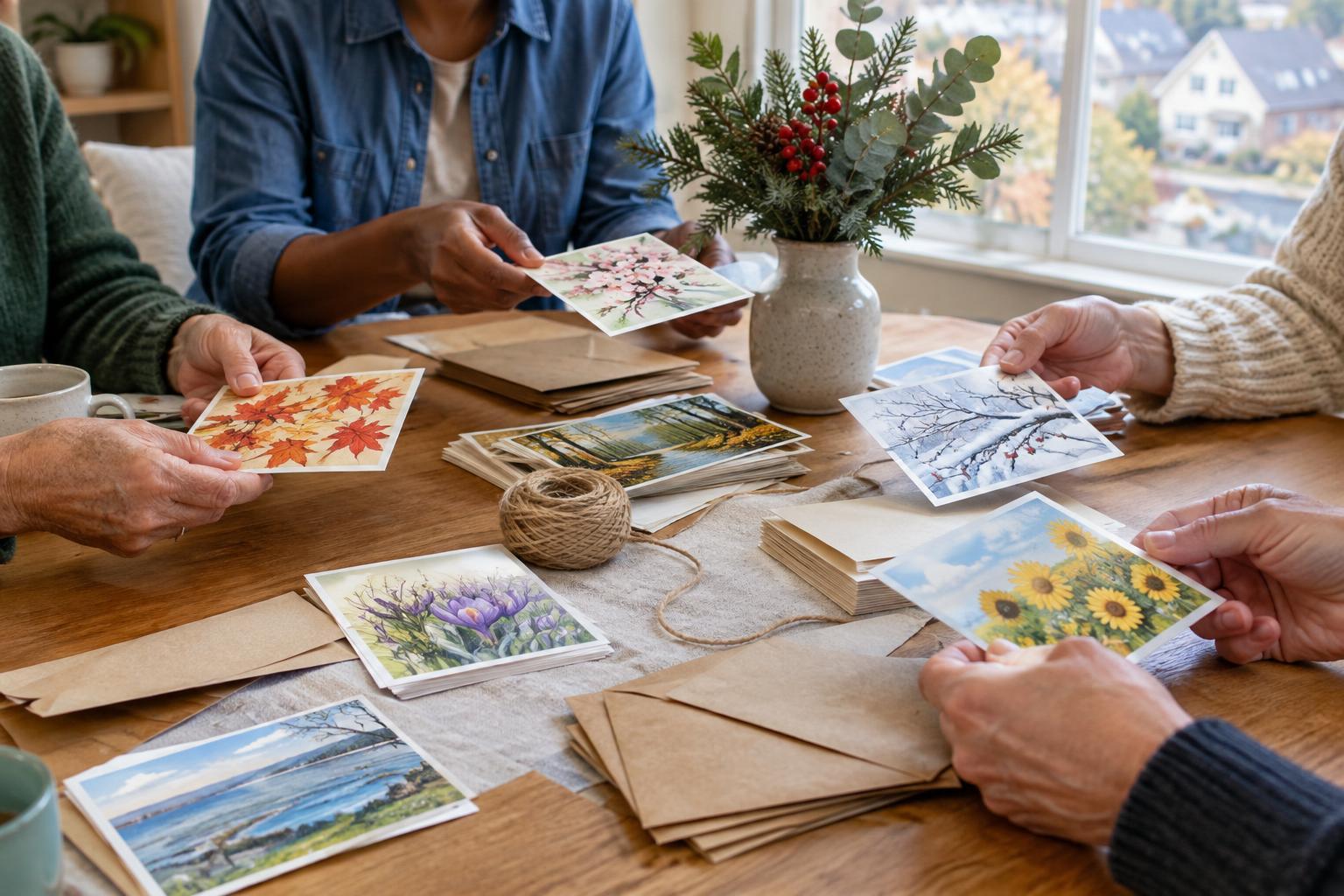
A neighborhood tradition does not need a large gathering to feel shared. A seasonal postcard exchange lets people pause, notice a change outdoors and send a few friendly words. It can work for neighbors who enjoy writing as well as those who cannot easily attend an event. Start with one round rather than promising a year of mail. If people find it worthwhile, they can decide together whether to repeat it.
Choose a simple prompt, such as “something you noticed this season” or “a small comfort you would recommend.” Prompts give writers a starting point without requiring them to share personal news. Make clear that a sketch, a short greeting or a few sentences all count. There is no need to produce a polished card or describe a perfect season.
Set up a sign-up that respects privacy
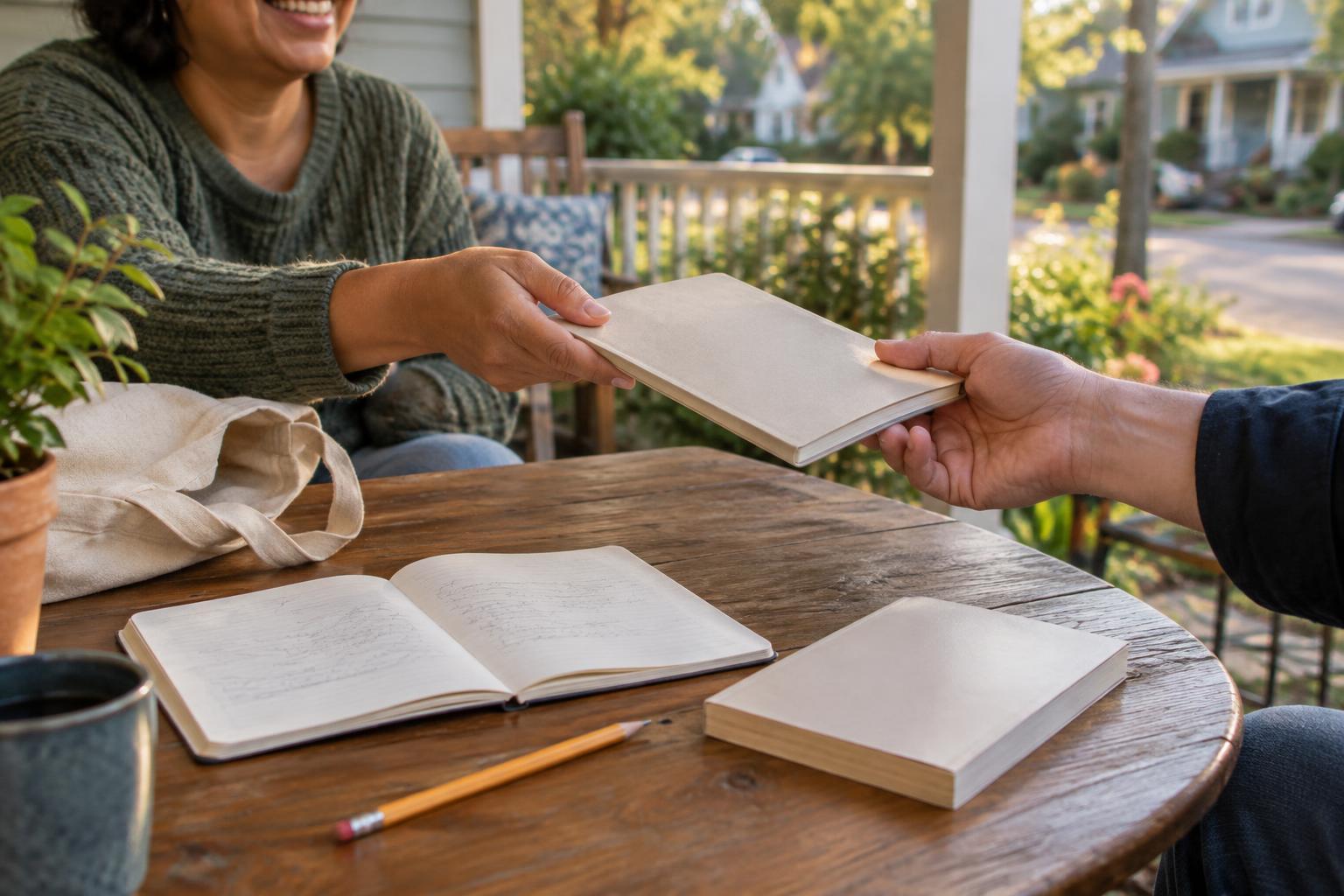
Before collecting names, decide how cards will travel. People might exchange cards at a shared pickup spot during agreed hours, hand them to a volunteer for delivery, or mail them directly if both participants choose to share addresses. A pickup spot should be used only with the permission of the person responsible for it, and cards should not be left where passersby can read them. Give participants a clear explanation of the method before they sign up.
Ask for only the information needed to run that method. A first name and a chosen pickup code may be enough for a shared collection point; mailed cards require more. Let people opt out of having their address given to another participant. If you are organizing the exchange, keep the sign-up information to yourself unless participants have agreed otherwise, and discard it once the round is complete. Participation should never depend on explaining why someone prefers one delivery option over another.
Make the practical details easy to follow
Set a sign-up deadline, a day for matching participants and a generous window for sending cards. One card per person is a manageable place to begin. You can pair people, create small circles or invite each person to write to someone who has signed up. Tell everyone which approach you are using so no one has to guess whether a reply is expected. If a card cannot be sent after all, a brief message to the organizer can help prevent someone from waiting without knowing what happened.
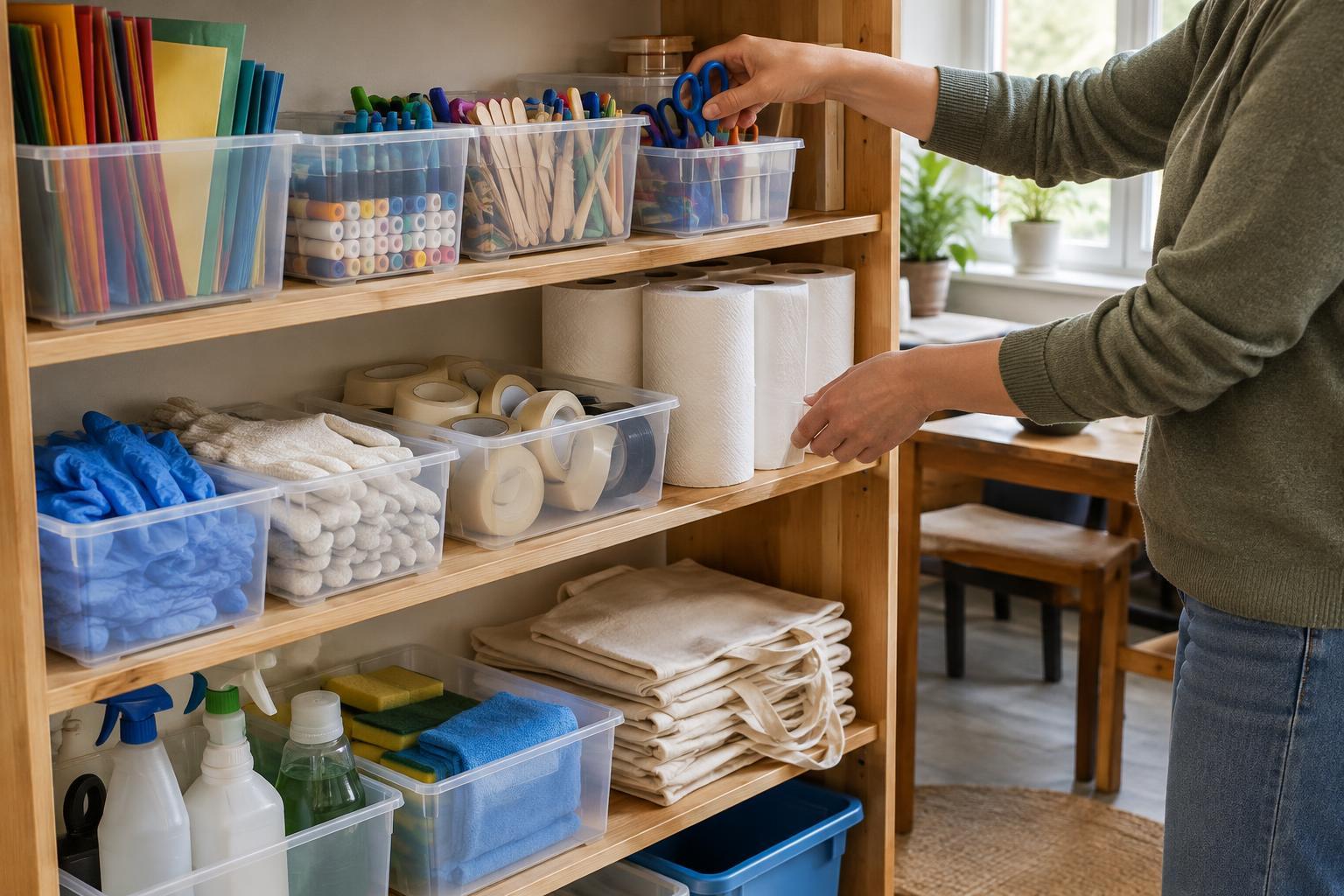
Keep supplies flexible. An ordinary piece of paper folded into a card is fine, and a note dictated to a willing helper can count too. If postage or materials might be a barrier, consider making donated cards available or choosing a no-postage delivery method. Offer large-print instructions and a way to sign up without using an online form. These choices allow more people to take part without drawing attention to anyone’s circumstances.
Leave room for different experiences of the season
Seasonal milestones do not feel the same to everyone. A prompt about favorite celebrations may be enjoyable for some neighbors but difficult or unfamiliar for others. Invite observations that do not require a particular holiday, belief or family arrangement: the light at a certain hour, a food that feels comforting, or a place that looks different this month. Let writers skip a prompt altogether. A welcoming exchange gives people room to describe their own season rather than asking them to fit a shared script.
When the round ends, ask a simple question: Would participants like to do this again, and what would make it easier? There is no need to display the cards or read them aloud; the messages belong to the people who received them. The exchange can remain a quiet, one-time gesture. If neighbors want to repeat it, keep the parts that worked and change the rest. A tradition grows more comfortably when it stays easy to join, easy to leave and kind to the people carrying it.